Best Large Dog Breeds for Families: 2026 Gear & Product Guide
Discover the best large dog breeds for families and the essential products, gear, and supplies you need to keep your gentle giant healthy, safe, and happy.

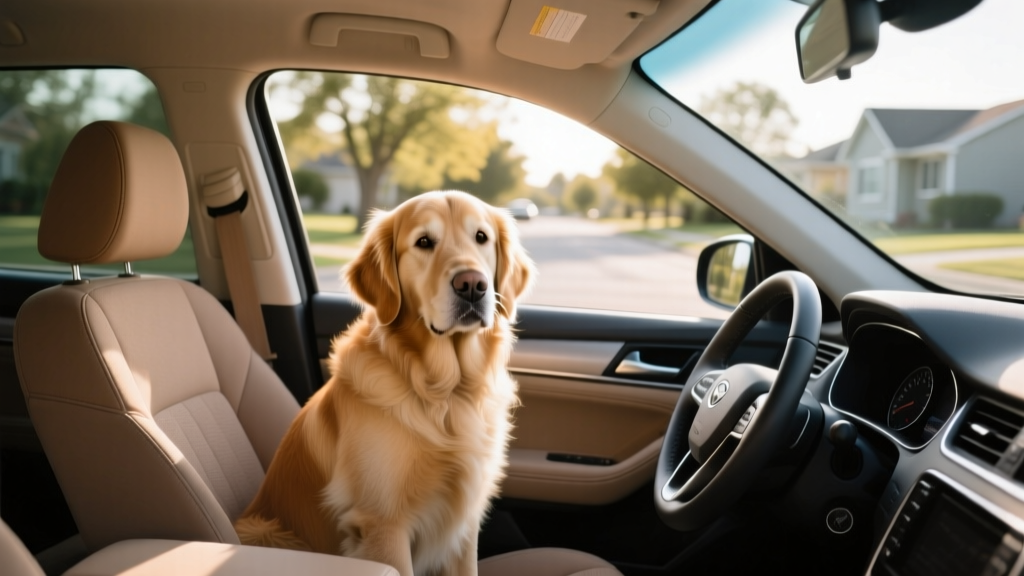
Families searching for the best large dog breeds for families often focus on temperament and personality — and rightfully so. Breeds like the Labrador Retriever, Golden Retriever, Bernese Mountain Dog, Newfoundland, and Boxer consistently rank among the most family-friendly large breeds according to the American Kennel Club. But once you've committed to bringing home a 70–150 lb companion, the real question becomes: do you have the right gear to support a dog of that size?
Large and giant breeds have unique physical demands that standard dog products simply can't meet. A harness rated for a 30 lb Beagle will fail under the pulling force of a 120 lb Leonberger. A shallow food bowl encourages a Great Dane to gulp air, increasing bloat risk. Even joint supplements need to be dosed correctly for dogs over 80 lb. This guide covers the essential product categories every family with a large breed needs, with specific recommendations, pricing, and safety guidance for 2026.
Heavy-Duty Harnesses: The Foundation of Safe Walks
A front-clip, no-pull harness is the single most important piece of walking gear for any large family dog. Collars place pressure on the trachea and cervical spine — a dangerous concentration of force when a 100 lb dog pulls. The Merck Veterinary Manual notes that large breeds are already predisposed to cervical and spinal issues, making harness-based restraint a veterinary-recommended standard.
For families with children who may walk the dog, a front-clip harness redirects pulling force sideways, giving even a smaller handler meaningful control over a large dog.
1. Ruffwear Front Range Harness
Price: $44.95–$49.95 | Weight rating: Up to ~120 lb (size XL) | Key features: Dual clip points (front and back), foam-padded straps, reflective trim, four adjustment points.
- Pros: Excellent build quality; aluminum V-ring on chest rated for high loads; comfortable for all-day wear; machine washable.
- Cons: Sizing runs slightly small on deep-chested breeds like Greyhounds; not rated for car restraint.
2. Kurgo Tru Fit Smart Harness (Enhanced)
Price: $34.99–$39.99 | Weight rating: Crash-tested up to 75 lb (size XL); walking use suitable for larger dogs | Key features: Steel nesting buckles, five adjustment points, doubles as car harness with included 10" tether.
- Pros: Only harness in this range with independent crash-test certification; steel hardware won't snap under load; lifetime warranty.
- Cons: Heavier than competitors (noticeable on smaller large-breeds); padding is thinner than Ruffwear.
3. Rabbitgoo No-Pull Dog Harness
Price: $22.99–$28.99 | Weight rating: Up to ~130 lb (size XL) | Key features: Front and back clips, breathable mesh, reflective strips, budget-friendly.
- Pros: Best value for families on a budget; wide chest plate distributes pressure well; easy on/off with quick-release buckles.
- Cons: Stitching quality inconsistent across batches; front D-ring is welded (not riveted) and may fail under extreme pulling.
4. Julius-K9 IDC Powerharness
Price: $69.99–$89.95 | Weight rating: Up to 154 lb (size 2) | Key features: Professional-grade working-dog harness, chest strap angled below the elbow for unrestricted movement, handle on top for emergency control.
- Pros: Exceptional durability; top handle gives instant control in emergencies; used by search-and-rescue and police K9 units worldwide.
- Cons: No front clip (back-clip only), so less effective for pull retraining; premium price; can chafe on barrel-chested breeds if poorly fitted.
5. Blue-9 Balance Harness
Price: $42.95–$47.95 | Weight rating: Up to ~140 lb (size XL) | Key features: Six adjustment points, Y-shaped chest design, no-padded option for hot climates, front and back clips.
- Pros: Most adjustable harness available — ideal for hard-to-fit breeds like Bulldogs or Great Danes; Y-front avoids shoulder restriction; certified positive-reinforcement trainer favorite.
- Cons: Adjustment complexity can frustrate first-time users; limited color options.
| Product | Price | Front Clip | Max Weight | Crash Tested | Handle |
|---|---|---|---|---|---|
| Ruffwear Front Range | $45–$50 | Yes | ~120 lb | No | No |
| Kurgo Tru Fit Enhanced | $35–$40 | Yes | 75 lb (crash) | Yes | No |
| Rabbitgoo No-Pull | $23–$29 | Yes | ~130 lb | No | Yes |
| Julius-K9 IDC Power | $70–$90 | No | 154 lb | No | Yes |
| Blue-9 Balance | $43–$48 | Yes | ~140 lb | No | No |
Orthopedic Beds: Protecting Large-Breed Joints From Day One
Hip dysplasia, elbow dysplasia, and degenerative joint disease affect an estimated 20–40% of large-breed dogs during their lifetime, according to data from the AKC Canine Health Foundation. Breeds commonly recommended as the best large dog breeds for families — Labrador Retrievers, Golden Retrievers, German Shepherds, and Bernese Mountain Dogs — all carry elevated genetic risk for these conditions.
An orthopedic bed isn't a luxury for large breeds; it's a preventive health measure. Hard surfaces concentrate pressure on bony prominences (elbows, hocks, hips), accelerating callus formation and joint inflammation. The right bed distributes weight across a larger surface area and reduces peak pressure points.
What to Look For
- Minimum 4 inches of support foam — 2 inches compresses flat under a 90+ lb dog within weeks.
- High-density base layer (minimum 1.8 lb/ft³ density) paired with a memory foam or gel comfort layer.
- Waterproof liner between foam and cover — large dogs are prone to incontinence in senior years.
- Removable, machine-washable cover — a 4×4 ft bed cover must fit in a standard home washer.
- Bolster or lip edge — many large breeds prefer head/neck support for spinal alignment.
Top Picks
Big Barker 7" Orthopedic Dog Bed — $239–$339 depending on size. The industry benchmark for large breeds. Uses American-made foam that carries a 10-year "won't flatten" guarantee. The 7-inch thickness (4" support + 2" comfort + 1" base) supports dogs up to 300 lb. Available in Large (48×30"), XL (52×36"), and XXL (60×48").
Furhaven Orthopedic Sofa Bed (Jumbo Plus) — $54–$74. Budget option with 3" egg-crate foam base and L-shaped bolster. Adequate for dogs under 95 lb but will compress noticeably within 6–12 months for heavier dogs. Good choice as a secondary bed or for younger large-breed dogs still growing.
PetFusion Ultimate Orthopedic Bed — $129–$179. Solid 4" memory foam base with polyester-filled bolsters. Waterproof inner liner included. The Jumbo size (44×34") fits most breeds up to 100 lb. Better mid-range option than Furhaven with longer foam life.
Slow-Feed Bowls and Bloat Prevention Products
Gastric dilatation-volvulus (GDV), commonly called bloat, is a life-threatening emergency that disproportionately affects deep-chested large breeds — Great Danes, Standard Poodles, German Shepherds, Irish Setters, and Weimaraners are among the highest-risk. According to the American Veterinary Medical Association, GDV has a mortality rate of 10–30% even with surgical treatment.
While no product eliminates bloat risk entirely, slow-feed bowls reduce air swallowing during meals, which is one modifiable risk factor. Current veterinary consensus (updated by research published in the Journal of the American Veterinary Medical Association) suggests the following feeding practices for large breeds:
- Feed 2–3 smaller meals per day rather than one large meal.
- Use a slow-feed bowl or food-dispensing puzzle to extend meal time to 10–15 minutes minimum.
- Do NOT use elevated feeders — a Purdue University study found elevated feeders actually increased bloat risk by 50% in large breeds.
- Avoid vigorous exercise for 60 minutes before and after meals.
- Consider prophylactic gastropexy surgery for breeds with >5% lifetime GDV risk (discuss with your vet).
Recommended Slow-Feed Products
Outward Hound Fun Feeder Slo-Bowl — $12.99–$16.99. Multiple maze patterns available. Extends eating time by 5–10× compared to a standard bowl. Dishwasher-safe. Suitable for kibble and raw diets. The "Large" size holds up to 4 cups — appropriate for large-breed portions.
JW Pet Skid Stop Slow Feed Bowl — $8.99–$11.99. Simpler ridge pattern for dogs that find maze bowls too frustrating. Non-skid rubber base prevents sliding across kitchen floors (a common issue with large dogs pushing lightweight bowls).
KONG Wobbler Treat Dispenser — $16.99–$22.99. Doubles as enrichment and slow-feeder. Holds up to 1 cup of kibble. Requires the dog to paw and nose the toy to dispense food — extends meal time to 15–25 minutes. Excellent for high-energy breeds like Boxers and Vizslas.
Joint Supplements: What Actually Works for Large Breeds
The joint supplement market is saturated, and not all products deliver clinically meaningful results. For large-breed family dogs, the goal is early intervention — starting supplementation before visible symptoms of arthritis appear, typically around age 4–6 for breeds over 70 lb.
The ingredients with the strongest evidence base in veterinary medicine include:
- Glucosamine HCl (not sulfate): 1,500 mg/day for dogs 50–100 lb; 2,000 mg/day for dogs over 100 lb. Supports cartilage matrix synthesis.
- Chondroitin sulfate: 1,200 mg/day for large dogs. Inhibits cartilage-degrading enzymes.
- MSM (methylsulfonylmethane): 500–1,000 mg/day. Anti-inflammatory support.
- Omega-3 fatty acids (EPA/DHA): 1,000–3,000 mg combined EPA+DHA per day for large dogs. Reduces joint inflammation — best sourced from wild-caught fish oil, not plant-based ALA.
- Green-lipped mussel (Perna canaliculus): Emerging evidence supports 500–1,000 mg/day for joint inflammation reduction.
Top product: Dasuquin Advanced with MSM (large dog formula) — $49.99–$64.99 for 150 chewable tablets (84-day supply at maintenance dose for a 50–100 lb dog). Contains ASU (avocado/soybean unsaponifiables) in addition to glucosamine and chondroitin, which studies suggest provides superior cartilage protection. Widely recommended by veterinary orthopedic specialists.
Budget alternative: Nutramax Cosequin DS Plus MSM — $32.99–$42.99 for 132 tablets. Slightly simpler formula without ASU but still contains clinically dosed glucosamine and chondroitin. Excellent for dogs without advanced joint disease.
Natural alternative: Wild-caught salmon oil (Nordic Naturals Omega-3 Pet, $19.99–$27.99 for 16 oz). Provides EPA/DHA without the tablet format — simply pump onto food. Also supports skin, coat, and cardiovascular health. Dosage: 1 pump per 20 lb body weight daily.
How to Fit and Use Large-Breed Gear Safely
Step-by-Step: Proper Harness Fitting for Large Dogs
- Measure chest girth: Wrap a soft tape measure around the widest part of the ribcage, just behind the front legs. Add 2 inches for comfort. Record this number — it's more important than weight for harness sizing.
- Measure neck base: Measure where the neck meets the shoulders. This ensures the neck opening won't chafe or allow escape.
- Put the harness on: For step-in styles, guide each front paw through the leg loops. For overhead styles, slip the neck opening over the head first, then clip the girth strap.
- Adjust all straps: You should be able to slide two flat fingers between any strap and your dog's body — no more, no less. Check both the chest plate and the girth strap.
- Test for escape: Gently pull the harness toward the dog's head. If it slides over the shoulders, tighten the girth strap or try a different style. Barrel-chested breeds like Bulldogs often need breed-specific harness designs.
- Attach leash to front clip for training walks: The front clip redirects pulling. Switch to the back clip once loose-leash walking is established.
- Re-check fit monthly for growing puppies: Large-breed puppies grow rapidly between 4–18 months. A harness that fits at 6 months may be dangerously tight by month 9.
When to Skip OTC Products and See Your Vet
Over-the-counter products are appropriate for maintenance and prevention, but certain situations require professional veterinary intervention:
- Visible lameness or limping lasting more than 48 hours: This may indicate a torn cruciate ligament (CCL tear), which is common in large breeds and requires surgical evaluation. CCL repair costs $2,500–$5,500 per knee.
- Sudden abdominal distension with unproductive retching: This is a GDV/bloat emergency. Call your vet or emergency clinic immediately — do not attempt home treatment. Time to surgery is the strongest predictor of survival.
- Difficulty rising, reluctance to climb stairs, or "bunny-hopping" gait: These are clinical signs of hip dysplasia or advanced osteoarthritis that may require prescription medications (like Adequan injections or Galliprant) or surgical options (total hip replacement, femoral head ostectomy).
- Excessive pulling that causes handler injury: If a family member has been dragged or injured, consult a certified professional dog trainer (CPDT-KA or IAABC-certified) who uses positive reinforcement methods. Force-free loose-leash training is effective for large breeds without aversive equipment.
- Any product causing skin irritation, hair loss, or rubbing sores: Discontinue use immediately and have the area evaluated. Large breeds with skin folds (Mastiffs, Shar-Peis) are particularly susceptible to harness-related dermatitis.
Frequently Asked Questions
What is the best harness for a large dog that pulls?
The Ruffwear Front Range and Blue-9 Balance harnesses are top choices for pullers, thanks to their front-clip attachment points that redirect forward momentum sideways. Pair a front-clip harness with positive reinforcement loose-leash training for lasting results. Never use prong collars, choke chains, or shock collars — these cause pain and can damage the trachea, especially in powerful breeds.
How much should I budget for large-breed dog gear in the first year?
Realistic first-year gear budget for a large-breed dog: harness ($35–$90), orthopedic bed ($130–$340), slow-feed bowls ($13–$23 per bowl × 2), joint supplements ($200–$300/year), heavy-duty leash ($20–$40), and appropriately sized crate ($80–$180). Total: approximately $480–$975 for quality gear that will last. Cheap gear costs more long-term because it breaks and must be replaced.
Are elevated feeders safe for large dogs?
Current veterinary evidence suggests elevated feeders may increase bloat risk in large and giant breeds. A landmark Purdue University study found that approximately 20–52% of GDV cases in large breeds were attributable to elevated feeders. Feed large dogs from floor-level bowls, preferably slow-feed designs. Discuss your individual dog's risk factors with your veterinarian.
Are there natural alternatives to joint supplements?
Yes. Wild-caught fish oil (rich in EPA and DHA), green-lipped mussel powder, turmeric (curcumin with black pepper extract for bioavailability), and maintaining an ideal body condition score (BCS 4–5 on the 9-point scale) are all evidence-supported natural approaches. Weight management is the single most effective "natural supplement" — every pound of excess weight adds 4–7 lb of force on each hip joint during movement.
When should I start joint supplements for my large-breed dog?
Most veterinary orthopedists recommend starting joint support between ages 2–4 for breeds predisposed to dysplasia (Labs, Goldens, German Shepherds, Rottweilers, Bernese Mountain Dogs). Starting before clinical signs appear provides cartilage protection during the years of highest activity. Consult your veterinarian for breed-specific timing.
How do I choose the right size crate for a large-breed puppy?
Purchase a 48" or 54" crate (the adult size for most large breeds) with an adjustable divider panel. The crate should allow the adult dog to stand without ducking, turn in a full circle, and lie flat on its side. Use the divider to reduce usable space as the puppy grows — too much space encourages soiling one end and sleeping in the other. A 48" crate costs $70–$120; a 54" crate runs $100–$180.
Where to Buy and What You'll Pay
Most products in this guide are available through Chewy, Amazon, and direct-from-manufacturer websites. Pricing guidance for 2026:
| Product Category | Budget Range | Mid-Range | Premium | Where to Buy |
|---|---|---|---|---|
| No-pull harness | $23–$30 | $35–$50 | $70–$90 | Chewy, Amazon, REI |
| Orthopedic bed (XL+) | $50–$80 | $130–$180 | $240–$340 | Chewy, Amazon, BigBarker.com |
| Slow-feed bowl | $9–$12 | $13–$17 | $17–$23 | Chewy, Amazon, PetSmart |
| Joint supplement (3-mo) | $20–$33 | $33–$50 | $50–$65 | Chewy, Amazon, VetriScience |
| Heavy-duty leash (6 ft) | $12–$20 | $20–$35 | $35–$55 | Chewy, Amazon, Ruffwear |
Choosing the best large dog breeds for families is only the beginning — outfitting your new companion with gear that matches their size, strength, and health needs is what turns a good decision into a great one. Measure your dog, invest in quality where it matters most (harness, bed, joint support), and keep your veterinarian involved in every health-related product decision.
Robin Maitland
All our authors care for dogs every day — read more of their work on the authors page.