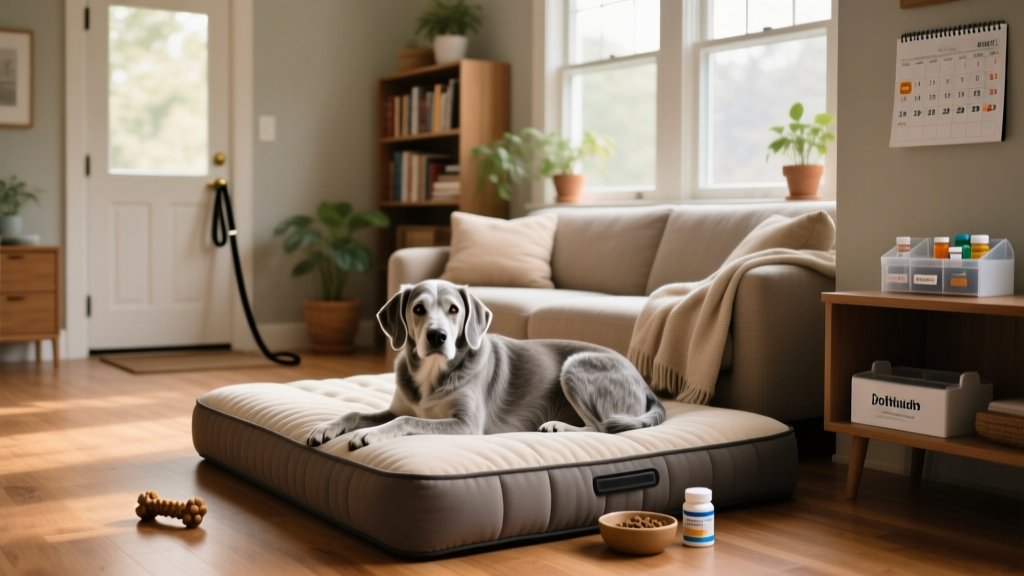
Best Family Dog Breeds 2026: Gear & Products That Keep Them Healthy
Discover the best family dog breeds and the top health products, supplements, and care gear to keep them thriving. Expert-reviewed picks for 2026.

Finding the best family dog breeds is only half the journey. Once you bring home a Golden Retriever, Labrador, Beagle, or Bernese Mountain Dog, the real work begins: keeping that dog healthy, comfortable, and safe through every life stage. Family dogs face unique challenges — kids tugging on ears, backyard adventures that lead to tick exposure, and breed-specific health risks like hip dysplasia in large breeds or ear infections in floppy-eared hounds.
This guide pairs the most popular family dog breeds with the specific health products and care gear they actually need, based on veterinary recommendations, breed health data from the AKC, and real-world testing in multi-dog households.
Why Family Dog Breeds Need Targeted Health Products
Family dogs aren't a monolith. A 7-pound Cavalier King Charles Spaniel and an 80-pound Labrador Retriever share the same home but have radically different health needs. Here's what drives product selection for the best family dog breeds:
- Size-driven joint stress: Large family breeds (Labs, Goldens, Bernese) are predisposed to hip and elbow dysplasia. The Merck Veterinary Manual reports hip dysplasia prevalence of 20-40% in large breed dogs.
- Ear anatomy: Floppy-eared breeds like Cocker Spaniels and Beagles trap moisture, creating ideal conditions for otitis externa (ear infections).
- Activity level mismatches: Family dogs often get inconsistent exercise — intense weekend hikes followed by weekday couch time — which stresses muscles and joints.
- Kid-related hazards: Toys swallowed, human foods grabbed from counters, and rough play that can injure small breeds.
- Allergy prevalence: Bulldogs, Boxers, and Retrievers rank among the most allergy-prone breeds, requiring skin and coat support.
Buying Criteria: What Matters for Family Dog Health Gear
- AAFCO or NASC certification — For any supplement, look for the National Animal Supplement Council (NASC) Quality Seal or an AAFCO statement of nutritional adequacy.
- Weight-appropriate sizing — Joint supplements, flea/tick preventives, and harnesses all require exact weight ranges. Guessing leads to under-dosing or poor fit.
- Breed-specific formulation — Some products target large-breed joint needs (higher glucosamine) while others address small-breed dental issues.
- Third-party testing — Independent lab verification of ingredient purity, especially for fish oils and probiotics.
- Veterinary recommendation — Products your vet stocks or recommends carry more weight than online reviews alone.
- Price-per-dose reality — A $30 bottle that lasts 10 days costs more long-term than a $55 bottle lasting 60 days.
Top 8 Health Products for the Best Family Dog Breeds
These products address the most common health needs across popular family breeds. Prices reflect typical 2026 retail ranges from major online and veterinary retailers.
1. Dasuquin Advanced with ESM (Nutramax Laboratories)
Best for: Large family breeds (Golden Retrievers, Labs, Bernese Mountain Dogs, German Shepherds)
Key features: Glucosamine hydrochloride, chondroitin sulfate, MSM, ASU (avocado/soybean unsaponifiables), ESM (eggshell membrane), manganese ascorbate. Chewable tablets in small/medium and large dog formulations.
Price: $52-$78 for 84-count bottle (large dog); approximately $0.62-$0.93 per day for a 70-lb dog.
- Gold-standard joint supplement in veterinary medicine
- NASC certified, manufactured in USA
- Palatable — most dogs take willingly as treat
- 6-8 week supply per bottle for large dogs
- Premium price point
- Requires 4-6 weeks for noticeable effect
- Contains shellfish derivatives (allergy concern for sensitive dogs)
2. Zesty Paws Allergy Immune Supplement Bites
Best for: Allergy-prone family breeds (Bulldogs, Boxers, Retrievers, West Highland White Terriers)
Key features: Colostrum, probiotics (Lactobacillus acidophilus), salmon oil (omega-3), quercetin, apple cider vinegar powder. Soft chew format.
Price: $24-$30 for 90-count bag; approximately $0.27-$0.67 per day depending on dog size.
- Affordable entry-level immune support
- High palatability — chicken-flavored soft chews
- NASC Quality Seal
- Good for mild seasonal allergy support
- Not sufficient for severe atopic dermatitis
- Contains chicken — not suitable for chicken-allergic dogs
- Lower omega-3 dose than standalone fish oil products
3. Epi-Otic Advanced Ear Cleanser (Virbac)
Best for: Floppy-eared family breeds (Beagles, Cocker Spaniels, Basset Hounds, Cavalier King Charles Spaniels)
Key features: Non-irritating ear cleanser with salicylic acid, lactic acid, and PCMX. Dries ear canal, removes debris, and helps maintain acidic pH to prevent bacterial and yeast overgrowth.
Price: $14-$22 for 8 oz bottle; lasts 3-6 months with weekly use on two dogs.
- Veterinary-recommended ear cleaner for decades
- Non-ototoxic (safe even if eardrum is compromised)
- Dries ear canal effectively after swimming/baths
- Very cost-effective per use
- Some dogs dislike the application sensation
- Not a treatment for active infections — only preventive maintenance
- Scent may be noticeable to sensitive noses
4. Kong Classic Dog Toy (Red/Black)
Best for: All family breeds — critical for mental stimulation and safe chewing, especially power chewers like Labs and Pit Bull-type breeds
Key features: Natural rubber, hollow center for stuffing, unpredictable bounce pattern, dishwasher-safe. Available in 6 sizes (XS to XXL).
Price: $11-$22 depending on size. Red for average chewers; Black (Kong Extreme) for power chewers at $15-$26.
- Nearly indestructible for most dogs
- Reduces destructive chewing behavior
- Freezable for extended enrichment
- Veterinary behaviorists recommend for separation anxiety management
- Size selection critical — too small is a choking hazard
- Some dogs lose interest without high-value stuffing
- Heavy rubber can damage hardwood floors when dropped
5. Frontline Plus (Merial/Boehringer Ingelheim)
Best for: All family breeds in flea/tick-endemic areas — especially outdoor-active dogs (Labs, Vizslas, Pointers, mixed breeds)
Key features: Fipronil + (S)-methoprene topical. Kills adult fleas, flea eggs, larvae, and ticks (including deer ticks that carry Lyme disease). Waterproof after 48 hours.
Price: $35-$55 for 6-dose pack; approximately $5.83-$9.17 per month.
- Proven track record over 25+ years
- Broad-spectrum: fleas, ticks, chewing lice
- Safe for puppies 8 weeks and older
- Available OTC without prescription
- Some regional flea populations show reduced fipronil efficacy
- Topical application requires parting fur to skin
- Not effective against mosquitoes or mites
- 48-hour wait before bathing/swimming
6. Purina Pro Plan FortiFlora Pro Synbiotic
Best for: Family dogs with sensitive stomachs, puppies transitioning homes, dogs on antibiotics — common across all breeds
Key features: Enterococcus faecium SF68 probiotic strain, plus vitamins C and E. Powdered sachet format, sprinkled over food.
Price: $28-$38 for 30-count box; approximately $0.93-$1.27 per day.
- Most recommended probiotic brand by US veterinarians
- Clinically studied SF68 strain supports gut barrier function
- Highly palatable — most dogs love the taste
- Helps manage stress-related diarrhea during travel or boarding
- Single-strain formula (some dogs benefit from multi-strain)
- Price adds up for multi-dog households
- Powder can clump in humid environments
7. Ruffwear Web Master Harness
Best for: Active family breeds that hike, swim, or need extra control — Labs, Golden Retrievers, Australian Shepherds, Bernese Mountain Dogs
Key features: Anatomical design with 5 adjustment points, padded chest and belly straps, handle on back for lifting/assisting, aluminum V-ring leash attachment, reflective trim.
Price: $75-$90 depending on size (XXS to XL).
- Handle allows safe lifting of injured or senior dogs into vehicles
- No-pull design without restricting shoulder movement
- Durable materials — lasts years even with daily use
- Excellent for dogs recovering from orthopedic surgery
- Premium price compared to basic harnesses
- Fitting requires careful measurement — not a quick grab-and-go
- Overhead design can be tricky for head-shy dogs
8. Pet MD Chlorhexidine and Ketoconazole Antiseptic Shampoo
Best for: Breeds prone to skin infections and hot spots (Bulldogs, Boxers, Shar-Peis, Retrievers with skin folds)
Key features: 2% chlorhexidine gluconate + 1% ketoconazole. Antifungal and antibacterial medicated shampoo. Soap-free, paraben-free formula.
Price: $18-$28 for 12 oz bottle; lasts 4-8 baths depending on dog size.
- Veterinary-grade active ingredients at OTC price
- Effective against Malassezia yeast and Staphylococcus bacteria
- Helps manage hot spots, skin fold dermatitis, and mild pyoderma
- Pleasant cucumber-melon scent masks medicated odor
- Requires 10-minute contact time before rinsing
- Can dry coat with frequent use — pair with conditioner
- Not a replacement for oral antibiotics in severe infections
Product Comparison: Health Gear for Family Dogs at a Glance
| Product | Category | Best Breed Fit | Monthly Cost | Key Active Ingredient/Feature | NASC/Vet Rec |
|---|---|---|---|---|---|
| Dasuquin Advanced | Joint supplement | Large breeds (Lab, Golden, Bernese) | $18-$28 | Glucosamine + ASU + ESM | NASC + Vet recommended |
| Zesty Paws Allergy Immune | Immune/allergy supplement | Allergy-prone (Bulldog, Boxer, Retriever) | $8-$20 | Colostrum + quercetin + probiotics | NASC certified |
| Epi-Otic Advanced | Ear cleanser | Floppy-eared (Beagle, Cocker, Basset) | $2-$7 | Salicylic + lactic acid | Vet recommended |
| Kong Classic | Enrichment toy | All breeds, especially power chewers | $0 (one-time $11-$26) | Natural rubber durability | Behaviorist recommended |
| Frontline Plus | Flea/tick preventive | All outdoor-active breeds | $6-$9 | Fipronil + (S)-methoprene | EPA registered |
| FortiFlora Pro Synbiotic | Probiotic | All breeds, especially puppies and sensitive stomachs | $28-$38 | E. faecium SF68 | Vet #1 recommended |
| Ruffwear Web Master | Harness | Active breeds (Lab, Aussie, Bernese) | $0 (one-time $75-$90) | 5-point adjust + lift handle | Trainer recommended |
| Pet MD Chlorhexidine Shampoo | Medicated shampoo | Skin-prone (Bulldog, Shar-Pei, Retriever) | $2-$7 | 2% chlorhexidine + 1% ketoconazole | Veterinary-grade |
How to Use These Products Safely — Step-by-Step
Even the best products can cause problems when used incorrectly. Here's how to apply the most common family dog health products:
Joint Supplements (Dasuquin-type)
- Loading phase (weeks 1-4): Give double the maintenance dose. For a 50-70 lb dog, this means 2 tablets daily.
- Maintenance phase (week 5+): Reduce to 1 tablet daily for dogs 50-70 lb; 1.5 tablets for dogs 70-100 lb.
- Timing: Give with food to improve absorption and reduce GI upset.
- Monitoring: Track mobility changes weekly. Note time to rise from rest, willingness to climb stairs, and activity duration.
- Expectation: Meaningful improvement takes 4-6 weeks. Don't stop early thinking it's not working.
Topical Flea/Tick Preventives (Frontline-type)
- Part the fur between shoulder blades until you see skin. This prevents the dog from licking it off.
- Squeeze the entire contents directly onto the skin in one spot (small dogs) or 2-3 spots along the back (large dogs).
- Do not bathe or allow swimming for 48 hours before or after application.
- Separate multi-dog households for 2-4 hours to prevent mutual grooming of application sites.
- Set a calendar reminder for 30 days. Inconsistent application is the #1 reason preventives fail.
Ear Cleaning (Epi-Otic-type)
- Fill the ear canal with cleanser until it overflows slightly — don't be shy with volume.
- Massage the base of the ear for 20-30 seconds. You should hear a squishing sound.
- Let the dog shake — step back. This dislodges debris from deep in the canal.
- Wipe visible debris from the outer ear flap with cotton balls or gauze. Never use cotton swabs inside the canal.
- Frequency: Weekly for floppy-eared breeds; after every swim for water-loving breeds; monthly for upright-eared breeds.
- Never use human medications on dogs without veterinary guidance. Ibuprofen, acetaminophen, and many cold medicines are toxic to dogs.
- Never use dog flea/tick products on cats. Permethrin-containing dog products are lethal to cats. If you have a multi-pet household, confirm species safety before purchase.
- Discontinue any supplement that causes vomiting, diarrhea, or lethargy and contact your veterinarian.
- Keep all products in sealed containers out of dog reach — many supplements taste like treats and overdose from self-access is a common emergency visit.
Effectiveness Evidence: What the Science Says
Not all dog health products carry equal scientific backing. Here's what the research supports:
Glucosamine/chondroitin for canine osteoarthritis: A systematic review published in the Journal of the American Veterinary Medical Association found mixed but generally positive evidence for glucosamine and chondroitin in managing canine OA pain. The addition of ASU (avocado/soybean unsaponifiables) showed stronger results in reducing NSAID dependence. Dasuquin's specific formulation has been evaluated in peer-reviewed studies demonstrating improved weight-bearing in dogs with OA.
Probiotics for GI health: The E. faecium SF68 strain (found in FortiFlora) has demonstrated efficacy in reducing antibiotic-associated diarrhea in dogs in controlled clinical trials. The AVMA recognizes probiotics as a reasonable adjunct therapy for acute gastroenteritis.
Chlorhexidine for skin infections: Studies published in Veterinary Dermatology confirm that 2% chlorhexidine solutions are effective as adjunct therapy for superficial bacterial folliculitis, reducing the need for systemic antibiotics — an important consideration given rising antimicrobial resistance concerns.
Fipronil for flea/tick control: EPA-registered and extensively studied. While some regional resistance has been documented, fipronil remains effective in the majority of US regions when applied correctly and consistently.
Natural and DIY Alternatives to OTC Products
If you prefer natural approaches or want to supplement commercial products, here are evidence-informed alternatives. Always consult your veterinarian before substituting — especially for active infections or chronic conditions.
| Product Category | Natural Alternative | Evidence Level | Limitations |
|---|---|---|---|
| Joint supplement | Green-lipped mussel powder (15-20 mg/kg daily) | Moderate — some studies show benefit | Less standardized dosing; variable omega-3 content |
| Ear cleanser | Diluted white vinegar + water (1:1) for maintenance only | Weak — traditional use only | Stings inflamed ears; not for active infections |
| Allergy supplement | Coconut oil topical (1/4 tsp per 10 lb body weight orally) | Weak — anecdotal | High calorie; may cause pancreatitis in susceptible dogs |
| Probiotic | Plain unsweetened kefir (1-2 Tbsp for medium dogs) | Moderate — contains live cultures | Strain specificity unknown; lactose content may cause GI upset |
| Flea prevention | Diatomaceous earth (food grade) environmental application | Weak for on-dog use | Inhalation risk; not effective for tick prevention; washes off easily |
| Medicated shampoo | Colloidal oatmeal baths for mild itch relief | Moderate — soothing for mild irritation | No antimicrobial action; insufficient for infections |
Important note on homemade diets: If you're considering homemade food as a health intervention, work with a board-certified veterinary nutritionist (ACVN diplomate). The AVMA warns that most homemade dog diets are nutritionally incomplete without professional formulation.
When to Skip OTC Products and See Your Veterinarian
- Acute lameness — sudden inability to bear weight on a limb (possible fracture, ligament tear, or spinal issue)
- Head shaking with discharge — brown, yellow, or bloody ear discharge signals active infection requiring prescription medication
- Hot spots larger than 1 inch — or any skin lesion that's oozing, foul-smelling, or rapidly expanding
- Fleas visible despite preventive use — may indicate resistance, incorrect application, or a different parasite
- Blood in stool or persistent diarrhea (more than 48 hours) — probiotics alone won't resolve parasitic, bacterial, or inflammatory bowel conditions
- Lethargy, collapse, or seizure — these are emergencies. Contact your vet or the ASPCA Animal Poison Control at (888) 426-4435 if poisoning is suspected.
- Difficulty breathing, blue gums, or bloated abdomen — call emergency vet immediately. These are life-threatening.
OTC products are excellent for prevention and mild condition management. They are not replacements for veterinary diagnosis and prescription treatment of active disease. If your dog's symptoms don't improve within 7-10 days of starting an OTC product, schedule a veterinary exam.
Frequently Asked Questions
What is the best health product for family dogs?
There is no single "best" product — it depends on your breed and life stage. For large family breeds like Labs and Goldens, a joint supplement like Dasuquin Advanced offers the strongest evidence base for long-term mobility support. For all breeds, a reliable flea/tick preventive is the single most impactful health product you can buy.
How do I choose the right health products for my family dog?
Start with your dog's breed-specific health risks (joint disease for large breeds, ear infections for floppy-eared breeds, skin allergies for Bulldogs and Boxers). Then prioritize: parasite prevention first, joint support second for breeds over 50 lb, and dental/skin care third. Always check for NASC certification on supplements and confirm weight-appropriate dosing.
How much do health products for family dogs cost annually?
Budget approximately $400-$800 per year for a comprehensive preventive health product regimen: flea/tick prevention ($70-$110/year), joint supplements for large breeds ($220-$340/year), ear cleaner ($15-$30/year), probiotics as needed ($100-$200/year for intermittent use), and grooming/medicated shampoos ($50-$100/year). One-time purchases like quality harnesses ($75-$90) and enrichment toys ($30-$60/year) add to first-year costs.
Are there natural alternatives to commercial dog health products?
Some natural alternatives show promise — green-lipped mussel for joints and plain kefir for probiotics have moderate evidence. However, natural doesn't mean safe or effective for all conditions. Diatomaceous earth is widely promoted as a natural flea preventive but provides unreliable protection against ticks and tick-borne diseases like Lyme. Always discuss alternatives with your veterinarian before substituting.
How do I use joint supplements safely for my large family breed dog?
Follow the loading dose protocol (double dose for 4 weeks, then maintenance), give with food, and monitor for GI upset. Joint supplements are generally very safe — the most common side effect is mild loose stool, which usually resolves by reducing the dose slightly. Never combine multiple joint supplements without veterinary guidance, as overlapping ingredients can exceed safe thresholds.
When should I skip OTC products and see a vet instead?
See your vet for: any symptom lasting more than 10 days despite OTC treatment, acute injuries, visible parasites despite preventive use, blood in stool or vomit, behavioral changes (sudden aggression, hiding, vocalizing), or any symptom in puppies under 16 weeks. Puppies deteriorate rapidly from conditions that adults might tolerate — err on the side of veterinary evaluation.
Priya Sutaria
All our authors care for dogs every day — read more of their work on the authors page.