Best Dog Breeds for Kids: 2026 Family Gear & Product Guide
Discover the best dog breeds for kids and the top-rated products that keep family dogs safe, comfortable, and happy around children in 2026.

Why Family-Friendly Dog Breeds Need the Right Gear
If you've narrowed your search to the best dog breeds for kids — Golden Retrievers, Labrador Retrievers, Beagles, Boxers, Newfoundlands, Bichon Frises, or Cavalier King Charles Spaniels — you already know temperament matters. But what many families overlook is that even the most patient breed needs the right equipment to thrive in a busy household with children.
A family dog faces unique challenges: unpredictable toddler hands, chaotic play sessions, dropped food, muddy yard romps, and the need for safe separation when things get overwhelming. The products you choose directly affect how safely and happily your dog navigates life with kids.
This guide covers the essential gear categories that families with kid-friendly breeds need most in 2026, with specific product recommendations, real pricing, and veterinary-backed safety guidance.
Buying Criteria: What Matters When Choosing Products for Family Dogs
Top 8 Products for Families With Kid-Friendly Dog Breeds
1. Kong Classic Dog Toy (Red/Black)
Category: Enrichment & Chew Toy | Price: $14–$22 depending on size
Key Features: Natural red rubber (medium chewers) or black rubber (power chewers), hollow center for treat stuffing, dishwasher-safe, veterinarian-recommended for over 50 years. Available in six sizes from XS (under 5 lb dogs) to XXL (60–90 lb dogs).
- Keeps dogs occupied during chaotic kid moments (homework time, guests)
- Freezable with peanut butter for extended engagement (20–40 min)
- Indestructible for 95% of family breeds
- No small parts a toddler could choke on
- Heavy for small breeds (Classic Medium weighs 0.5 lb)
- Requires supervision with puppies under 6 months
- Treat stuffing adds calories — factor into daily intake
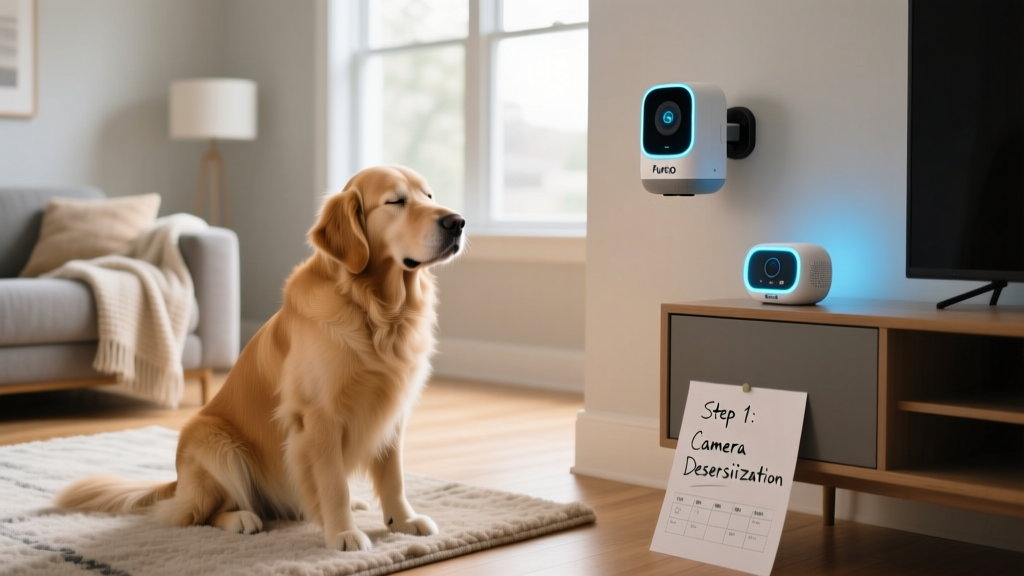
2. Furbo 360° Dog Camera
Category: Monitoring & Separation Anxiety | Price: $169–$210
Key Features: 360° rotating camera, 1080p HD video, two-way audio, treat-tossing function, barking alerts, night vision. Connects to iOS/Android app. Cloud recording available with subscription ($6.99/month).
- Monitor dog-kid interactions remotely
- Treat tossing rewards calm behavior while you're at work
- Barking alerts notify you before neighbors complain
- Veterinary behaviorists recommend cameras for separation anxiety protocols
- Requires stable WiFi (minimum 5 Mbps upload)
- Treat capacity holds only 100 pieces of 0.4-inch treats
- Monthly subscription adds $84/year
- Not a substitute for adequate exercise and training
3. Ruffwear Front Range Harness
Category: Walking & Leash Training | Price: $39–$45
Key Features: Dual leash attachment (front chest clip for no-pull training, back clip for casual walks), foam-padded construction, four adjustment points, reflective trim, ID tag pocket. Available in five sizes based on girth measurement (13–42 inches).
- Front clip gently redirects pulling — ideal for strong breeds like Boxers and Labs
- Allows kids (age 8+) to safely walk medium dogs with front-clip control
- Does not restrict shoulder movement like restrictive no-pull designs
- Machine-washable
- Sizing requires accurate girth measurement (not just weight)
- Front clip can twist on barrel-chested breeds like Bulldogs
- Not escape-proof for determined Houdini dogs
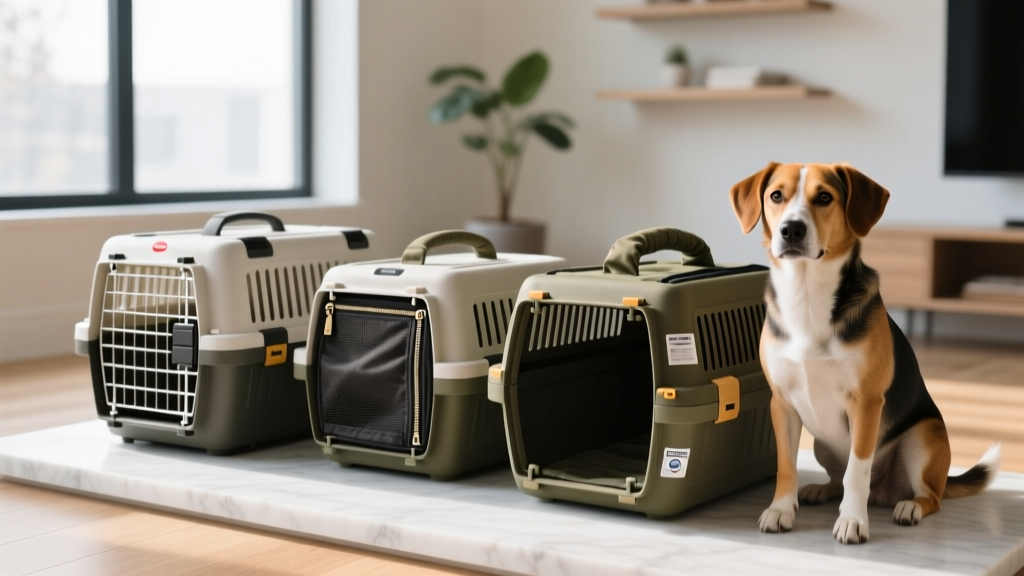
4. Midwest Homes for Pets Life Stages Double Door Crate
Category: Crate Training & Safe Space | Price: $45–$110 (depending on size)
Key Features: Divider panel for growing puppies, double-door access (front and side), composite plastic pan, fold-and-carry design, rounded corners for safety. Sizes: 22", 24", 30", 36", 42", 48" lengths.
- Gives family dogs a kid-free retreat — critical for stress reduction
- Divider panel means one crate lasts from puppy to adult
- Side door placement allows flexible room positioning
- Recommended by AKC for house training
- Heavy — the 42" model weighs 35 lb
- Wire crates can feel less den-like than plastic alternatives
- Children must be taught to respect crate as dog's private space
- Latch mechanism requires periodic checking for wear
5. Lickimat Soother Dog Mat
Category: Calming & Slow Feeding | Price: $10–$16
Key Features: Textured rubber mat with nubs that encourage licking behavior, which releases endorphins and reduces anxiety. Dishwasher-safe, freezable, BPA-free. Available in multiple sizes (Small: 7.5" × 7.5", Buddy: 10" × 8").
- Calms dogs during stressful kid events (birthday parties, thunderstorms)
- Freezing with yogurt or pumpkin extends engagement to 30–45 minutes
- Slows eating for fast-eating breeds like Labs
- Clinical evidence supports licking as self-soothing behavior in canines
- Power chewers can destroy rubber mats — supervise initially
- Requires prep time (freezing) for best results
- Not a substitute for addressing underlying anxiety with a veterinary behaviorist
6. Earthbath Oatmeal & Aloe Pet Shampoo
Category: Grooming & Skin Care | Price: $12–$18 (16 oz bottle)
Key Features: Soap-free, pH-balanced for canine skin (pH 6.5–7.5), colloidal oatmeal for soothing itchy skin, aloe vera for moisture, biodegradable formula. Made in USA. Safe for dogs 6 weeks and older.
- Gentle enough for frequent bathing (family dogs get dirty fast)
- Does not strip topical flea/tick preventives
- Soothing for breeds prone to skin allergies (Goldens, Labs, Westies)
- Kids can help with bathing under supervision
- Not medicated — won't treat active infections (see vet for those)
- Scent may not appeal to all owners (light almond/vanilla)
- 16 oz lasts only 3–5 baths for large breeds
7. Outward Hound Hide-A-Squirrel Puzzle Toy
Category: Mental Enrichment | Price: $12–$20
Key Features: Plush tree trunk with removable squeaky squirrels, encourages natural foraging instincts, multiple sizes (Junior to XL). Machine-washable trunk, replaceable squirrels.
- Mentally tires dogs faster than physical exercise alone
- Interactive play strengthens dog-child bond
- Teaches kids gentle play and impulse control
- Affordable enrichment option
- Not for unsupervised chewers — squeakers and stuffing are ingestion hazards
- Squirrels wear out within 3–6 months with daily use
- Not suitable for puppies in active teething phase (3–7 months)
8. ThunderEase Dog Calming Diffuser Kit
Category: Anxiety & Stress Management | Price: $30–$40 (kit), $20–$25 (refills)
Key Features: Synthetic dog-appeasing pheromone (DAP), covers 700 sq ft, 30-day refill cycle, plug-in diffuser. Clinically studied by veterinary behaviorists for reducing anxiety-related behaviors.
- Helps dogs adjust to new babies or visiting children
- Reduces stress-related behaviors (panting, pacing, hiding)
- Drug-free, no systemic side effects
- Published clinical evidence in Journal of Veterinary Behavior
- Results vary — approximately 60–70% of dogs show measurable improvement
- Refills add $240–$300/year for continuous use
- Does not address root causes — pair with counter-conditioning training
- Not effective for all anxiety types (noise phobia may need additional support)
Product Comparison Table
| Product | Category | Price Range | Best For Breed Size | Child-Safe | Durability |
|---|---|---|---|---|---|
| Kong Classic | Chew Toy | $14–$22 | All sizes | Yes | Excellent |
| Furbo 360° | Camera | $169–$210 | All sizes | Yes (keep cord away) | Good |
| Ruffwear Front Range | Harness | $39–$45 | Small–XL dogs | Yes (age 8+ walkers) | Very Good |
| Midwest Life Stages Crate | Crate | $45–$110 | All sizes | Yes (teach boundaries) | Excellent |
| Lickimat Soother | Calming Mat | $10–$16 | All sizes | Yes | Moderate |
| Earthbath Oatmeal Shampoo | Grooming | $12–$18 | All sizes | Yes (non-toxic) | N/A (consumable) |
| Outward Hound Hide-A-Squirrel | Puzzle Toy | $12–$20 | Small–Large | Supervised only | Moderate |
| ThunderEase Diffuser | Calming | $30–$40 | All sizes | Yes (wall outlet) | Good |
Safety Considerations Every Family Must Know
⚠️ Critical Safety Rules for Products Around Kids and Dogs:
- Never leave toddlers unsupervised with any dog product. Chew toys, puzzle pieces, and harness buckles are all potential choking hazards for children under 3.
- Teach children crate respect early. A crate is a dog's safe zone — children should never reach into, climb on, or disturb a dog inside a crate.
- Inspect toys weekly for damage. Discard any toy with exposed stuffing, broken squeakers, or rubber chunks that could be swallowed. Intestinal blockages from toy ingestion cost $2,000–$7,000 in emergency surgery.
- Keep calming diffusers out of reach. The liquid pheromone refill is not toxic but should not be ingested. Place diffusers behind furniture or above child-reach height.
- Supervise all dog-child interactions during play. According to the AVMA's dog bite prevention guidelines, most pediatric dog bites occur during unsupervised play with familiar household dogs.
- Check harness fit monthly for growing puppies. A harness that's too tight causes skin abrasions; too loose allows escape. You should fit two fingers between harness and dog's body.
How to Use These Products Correctly: Step-by-Step
Setting Up a Family Dog Product System
- Designate the crate zone first. Place the Midwest crate in a low-traffic but family-adjacent area (living room corner, not isolated basement). Add a washable bed and cover three sides with a breathable blanket to create a den feel. Teach children: "When the dog is in the crate, the dog is sleeping."
- Fit the harness properly before first walk. Measure your dog's girth (widest part of ribcage) with a soft tape measure. Adjust all four buckles so the harness sits snugly without chafing. Attach the leash to the front chest ring for training walks, back ring for casual strolls. Let children practice clipping the leash under supervision.
- Introduce enrichment toys on a rotation schedule. Don't give all toys at once. Rotate 3–4 toys weekly to maintain novelty. Use the Kong Classic stuffed with frozen peanut butter (check for xylitol-free) during high-chaos times like dinner prep. Use the Lickimat during thunderstorms or when guests arrive.
- Establish the camera monitoring routine. Position the Furbo at dog-eye level (approximately 12–18 inches from floor for medium breeds). Enable bark alerts and check in during the first week to establish your dog's baseline behavior. Use treat tossing to reward calm behavior when kids are at school.
- Build bathing into a family activity. Use Earthbath shampoo with lukewarm water (98–102°F / 37–39°C). Children ages 6+ can help with lathering and rinsing under close supervision. Bath every 4–6 weeks for most family breeds; more frequently for dogs who swim or roll in mud.
- Deploy calming products proactively, not reactively. Plug in the ThunderEase diffuser 24–48 hours before a known stressor (new baby arrival, holiday guests, fireworks). The pheromone needs time to disperse through the environment.
Effectiveness Evidence: What the Science Says
Product selection for family dogs isn't just about convenience — it's backed by veterinary behavioral science:
- Enrichment toys reduce problem behaviors by up to 60% according to studies published in the Journal of Veterinary Behavior. Dogs with regular puzzle toy access show less destructive chewing, excessive barking, and attention-seeking — behaviors that create friction in households with children.
- Front-clip harnesses reduce pulling force by 50–70% compared to back-clip-only harnesses, per research in Applied Animal Behaviour Science. This is critical for breeds like Boxers and Labs that can pull a child off their feet.
- Dog-appeasing pheromones (DAP) have demonstrated efficacy in reducing anxiety-related behaviors in 60–70% of dogs in controlled clinical trials published in the Journal of the American Veterinary Medical Association.
- Crate training, done properly, reduces household stress for both dogs and families. The Merck Veterinary Manual notes that dogs with a designated safe space show lower cortisol levels during household disruptions.
However, no product replaces the foundation of good dog-kid relationships: consistent positive reinforcement training, adequate exercise (30–120 minutes daily depending on breed), and adult supervision of all interactions.
Where to Buy and Typical Price Ranges
Here's where to find these products at competitive prices in 2026:
| Retailer | Best For | Shipping | Price Competitiveness |
|---|---|---|---|
| Chewy.com | Auto-ship discounts, full product range | Free over $35 | Competitive |
| Amazon | Fast Prime shipping, user reviews | Free with Prime | Varies by seller |
| Petco / PetSmart | In-store pickup, try-before-buy | Free over $35 | Mid-range |
| Direct from brand (Ruffwear, Kong) | Warranty, authentic products | Varies | MSRP (higher) |
Total first-year gear budget for a family dog: $250–$500 depending on breed size and how many products you purchase. The crate and harness are your highest single-item costs; toys and grooming supplies are recurring smaller expenses.
Natural and DIY Alternatives
If you prefer homemade or natural alternatives to commercial products, here are viable options:
- DIY Kong alternative: Freeze low-sodium chicken broth in a muffin tin with blueberries or carrot pieces. Pop out frozen "pucks" for a refreshing treat. Cost: under $2 per batch.
- Homemade calming spray: Dilute 3–5 drops of lavender essential oil in 8 oz of distilled water. Spray on bedding (not directly on dog). Note: essential oils are controversial in veterinary medicine — some, like tea tree oil, are toxic to dogs. Always consult your veterinarian before using any essential oil product.
- DIY puzzle feeder: Place kibble in a muffin tin and cover each cup with a tennis ball. Dogs must remove balls to access food. Supervise to prevent tennis ball ingestion.
- Old towels as enrichment: Braid old towels and soak in low-sodium broth, then freeze. Creates a destructible chew toy for under $1. Discard when fraying begins.
- Cardboard box foraging: Place treats in a cardboard box with crumpled paper. Dogs tear through to find rewards. Free and recyclable. Supervise to prevent cardboard ingestion.
Important caveat: DIY alternatives lack the safety testing of commercial products. Always supervise your dog with homemade items, and inspect for ingestion hazards before each use.
When to Skip Products and See Your Veterinarian Instead
Products manage symptoms and enrich environments — they don't treat underlying medical or behavioral conditions. Consult your veterinarian if you notice:
- Persistent anxiety despite calming products: If ThunderEase and enrichment toys don't reduce panting, pacing, or hiding after 2–4 weeks, your dog may need prescription anti-anxiety medication (fluoxetine, clomipramine) combined with a veterinary behaviorist's treatment plan.
- Excessive chewing or licking: Can indicate allergies, pain, or compulsive disorders — not just boredom. The ASPCA recommends veterinary evaluation for any repetitive behavior lasting more than two weeks.
- Aggression toward children: Even breeds known for being kid-friendly can develop resource guarding, fear-based reactivity, or pain-triggered aggression. This requires immediate professional intervention from a certified veterinary behaviorist — not a product fix.
- Skin irritation despite gentle grooming products: Recurrent hot spots, ear infections, or itchy skin may indicate food allergies, environmental allergies, or hypothyroidism requiring diagnostic testing.
- Difficulty walking or reluctance to wear a harness: May signal joint pain, IVDD, or hip dysplasia — conditions common in family breeds like Golden Retrievers and German Shepherds that need veterinary diagnosis and treatment.
Frequently Asked Questions
What is the best product for keeping a family dog calm around kids?
For most families, a combination of the Kong Classic (for active enrichment during chaotic moments) and the ThunderEase diffuser (for ambient calming) provides the best baseline. However, the single most impactful "product" is a professional training program with a certified positive-reinforcement trainer who specializes in dog-child dynamics. Budget $50–$150 per session; 6–8 sessions typically cover core skills.
How do I choose the right harness for a dog that kids will walk?
Prioritize front-clip harnesses like the Ruffwear Front Range. The front clip gives children (age 8 and up) more control if the dog pulls, without causing the choking or tracheal damage associated with flat collars. Measure your dog's girth accurately, ensure two-finger fit, and have an adult supervise the first several walks. Never allow children under 8 to walk any dog unattended, regardless of breed or harness type.
How much does family dog gear cost in the first year?
Expect to spend $250–$500 on essential products (crate, harness, leash, toys, grooming supplies) in the first year. Ongoing annual costs for replacement toys, grooming products, and calming refills run $100–$200. This does not include food, veterinary care, or training — total first-year dog ownership costs for family breeds typically range from $1,500–$4,000 according to the AKC.
How do I use enrichment toys safely around toddlers?
Store all dog toys in a designated bin that toddlers cannot access. Only bring out enrichment toys during supervised sessions. After use, return them to the bin. Teach toddlers the rule: "Dog toys are for the dog, not for you." This prevents choking hazards and teaches children to respect the dog's belongings — an early lesson in boundary-setting that benefits both species.
Are there natural alternatives to calming products?
Yes — structured exercise is the most powerful natural calming tool. A tired dog is a calm dog. Aim for breed-appropriate exercise: 60–120 minutes daily for active breeds like Labs and Boxers, 30–45 minutes for lower-energy breeds like Bichons and Cavaliers. Combine physical exercise (walks, fetch, swimming) with mental exercise (training sessions, puzzle toys, scent work). Other natural supports include consistent daily routines, classical music (studies show reggae and soft rock reduce shelter dog stress), and adequate sleep (adult dogs need 12–14 hours per day).
When should I skip OTC products and see a veterinarian?
See your vet if: (1) anxiety behaviors persist beyond 2–4 weeks despite product use; (2) your dog shows any aggression toward children; (3) physical symptoms like limping, excessive scratching, or appetite changes accompany behavioral issues; (4) your dog ingests any product material (toy stuffing, rubber pieces, harness hardware); (5) you're considering prescription calming medication. For toxic ingestions, call ASPCA Animal Poison Control at (888) 426-4435 (24/7, consultation fee applies).
This guide is for informational purposes and does not replace professional veterinary advice. Always consult your veterinarian before introducing new products, especially if your dog has existing health conditions. Product prices reflect 2026 market rates and may vary by retailer and region.
Beth Carrasco
All our authors care for dogs every day — read more of their work on the authors page.