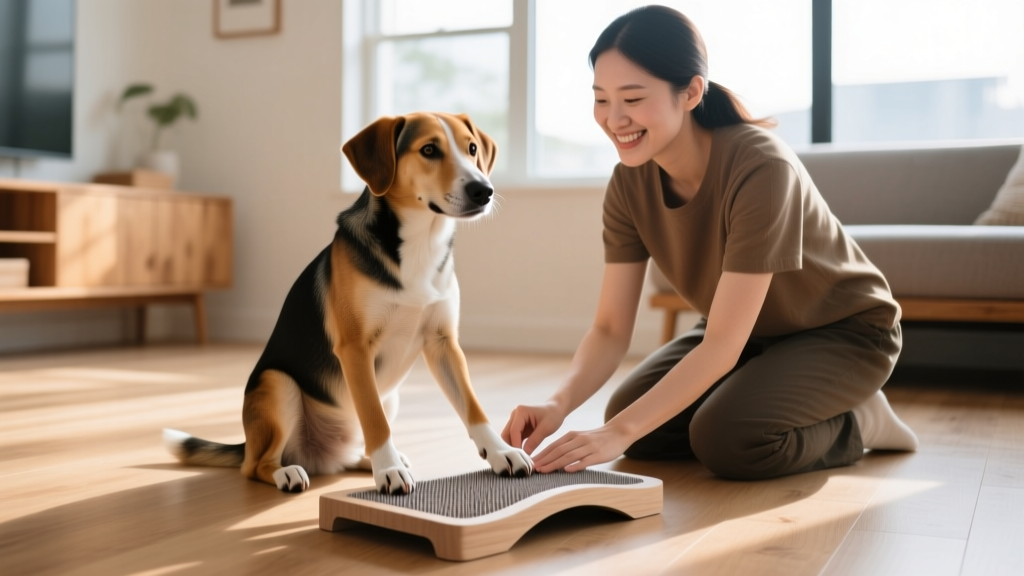
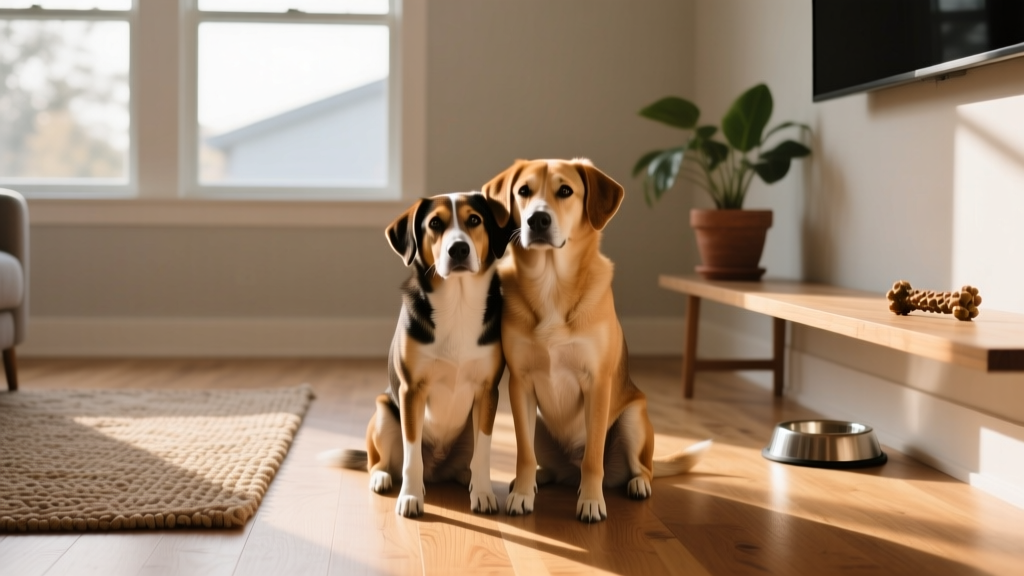
Best Dog Breeds for Apartments: Top Products That Make...
Discover the best dog breeds for apartments and the essential products—crates, gates, calming aids, and more—that make small-space living comfortable and healthy.

Why the Right Products Matter for Apartment Dogs
Choosing one of the best dog breeds for apartments—like a Cavalier King Charles Spaniel, French Bulldog, Greyhound, Bichon Frise, or Pug—is only half the equation. The other half is equipping your small space with gear that manages noise, containment, potty needs, and mental stimulation. In my years working with urban dog owners, I've seen the difference between a chaotic apartment and a harmonious one come down to five or six well-chosen products.
This guide covers the essential product categories every apartment dog parent needs, with specific brand recommendations, real pricing, and veterinary-backed rationale. Whether you're bringing home a Havanese puppy or adopting a senior Shih Tzu, these picks will transform a 500-square-foot studio into a dog-friendly haven.
Top 8 Products for Apartment Dog Living
1. Furhaven Orthopedic Sofa-Style Dog Bed (Medium)
Price: $34–$52 | Best for: Small breeds needing joint support on hard apartment floors
This bolstered bed provides orthopedic egg-crate foam support in a compact 30" × 20" footprint. The L-shaped bolster gives brachycephalic breeds (French Bulldogs, Pugs) a headrest that keeps airways open during sleep. The cover is machine-washable and comes in microfiber or faux fur.
- Compact footprint fits beside furniture
- CertiPUR-US certified foam
- Removable, dryer-safe cover
- Under $50 for most sizes
- Not chew-proof for puppies
- Egg-crate foam flattens after 12–18 months
- Bolster not ideal for dogs who sprawl
2. Midwest Homes for Pets iCrate (Single Door, 30")
Price: $45–$65 | Best for: Crate training in studios and one-bedroom apartments
The 30" iCrate suits breeds up to 40 lb (18 kg)—covering most apartment-friendly breeds. The divider panel lets you adjust space as a puppy grows, preventing overnight accidents. Rubber feet protect hardwood floors from scratches, and the fold-flat design stores easily during moves.
- Divider panel included (no extra purchase)
- Rubber feet prevent floor damage
- Folds flat for storage/moving
- Slide-bolt latch is puppy-proof
- Wire design doesn't block visual stimuli (can trigger barking)
- Plastic pan can crack under heavy dogs
- No sound dampening
3. Adaptil Calm Home Diffuser
Price: $22–$30 (starter kit); $15–$20 (refill) | Best for: Reducing separation anxiety and noise reactivity
Adaptil releases a synthetic copy of the dog-appeasing pheromone (DAP) that mother dogs produce during nursing. A 2020 study published in the Journal of Veterinary Behavior found that DAP diffusers significantly reduced stress-related behaviors in dogs left alone. One diffuser covers 700 sq ft (65 m²)—perfect for most apartments. Plug it in the room where your dog spends the most time.
- Clinically studied pheromone technology
- Silent, odorless to humans
- 30-day refill cycle
- Safe for multi-pet households
- Takes 7–14 days for noticeable effects
- Doesn't work for all dogs (individual variation)
- Requires accessible outlet
4. Outback Pet Goods Fresh Patch Real Grass Pad
Price: $30–$35 per pad (subscription: $27/each) | Best for: High-rise potty breaks, rainy days, senior dogs
This hydroponically grown grass pad sits on a balcony or near a door and provides a real-grass surface that dogs instinctively recognize. Each pad lasts 2–3 weeks for a single small dog. It's a game-changer for owners of elderly Dachshunds or post-surgery French Bulldogs who can't manage multiple daily walks down several flights.
- Real grass = natural potty training reinforcement
- Biodegradable and compostable
- Subscription delivery available
- Minimal odor compared to synthetic pads
- Requires balcony or ventilated area
- Ongoing subscription cost ($27–$35/month)
- Attracts gnats in warm weather if not replaced promptly
5. Kong Classic Dog Toy (Small, Red)
Price: $12–$16 | Best for: Quiet mental stimulation and departure desensitization
The Kong Classic is arguably the single most important product for apartment dogs. Stuff it with peanut butter (xylitol-free), canned pumpkin, or a frozen mixture of plain yogurt and blueberries, and you've got a 20–40 minute silent enrichment activity. Certified trainers recommend using a stuffed Kong as a departure cue to reduce separation anxiety—a top complaint in multi-unit housing. The Small size fits dogs 10–25 lb (4.5–11 kg); the Medium fits 15–35 lb (7–16 kg).
- Near-indestructible for most breeds
- Dishwasher safe (top rack)
- Multiple stuffing recipes for variety
- Under $16—exceptional value
- Power chewers may need the black (Extreme) version
- Requires owner prep time for stuffing/freezing
- Small opening can be frustrating for flat-faced breeds
6. Carlson Pet Products Mini Expandable Gate
Price: $35–$50 | Best for: Blocking off-limits areas without drilling into rental walls
This pressure-mounted gate expands from 29" to 39" wide and stands 18" tall—sufficient to contain breeds under 15 lb (7 kg) like Bichons, Maltese, and toy Poodles. The walk-through door with dual-lock mechanism lets you pass without stepping over. Because it's pressure-mounted, you won't damage drywall or lose your security deposit.
- No drilling required (rental-friendly)
- Walk-through door for human convenience
- Steel construction won't warp
- Includes 6" extension piece
- 18" height won't contain athletic breeds (Jack Russells can jump it)
- Pressure mount can shift on uneven floors
- Not suitable for stairway tops
7. PetSafe Easy Walk No-Pull Harness (Small)
Price: $22–$30 | Best for: Hallway and elevator leash manners
Apartment hallways and elevators force close encounters with other dogs and strangers. The Easy Walk harness clips at the chest, redirecting forward-pulling dogs sideways using positive, force-free mechanics. The front-clip design is recommended by the American Veterinary Society of Animal Behavior as a humane alternative to choke or prong collars. The Small fits dogs 15–25 lb (7–11 kg) with a chest girth of 16–22".
- Front-clip stops pulling without pain
- Quick-snap buckles for easy on/off
- Reflective trim for early-morning walks
- Machine washable
- Can twist on deep-chested breeds (Greyhounds, Whippets)
- Not escape-proof for Houdini-type dogs
- Sizing runs small—measure carefully
8. LectroFan High-Fidelity White Noise Machine
Price: $35–$45 | Best for: Masking hallway noise that triggers reactive barking
While not a dog product per se, a white noise machine is one of the most effective tools for apartment dog owners. It masks elevator dings, door slams, and neighbor conversations that trigger alert barking—a leading cause of lease violations. Place it near your dog's sleeping area or crate. The LectroFan produces 20 non-repeating sound profiles, and veterinary behaviorists frequently recommend environmental sound management as a first-line intervention for noise-reactive dogs.
- 20 sound profiles (not just white noise)
- Compact (4.5" × 4.5")—fits any nightstand
- Timer function (30/60 min or continuous)
- Reduces owner sleep disruption too
- Requires a dedicated outlet or USB
- Some dogs need gradual desensitization to the sound
- Won't address underlying anxiety without training
Product Comparison Table
| Product | Price Range | Best Breed Size | Space Needed | Rental-Friendly | Ongoing Cost |
|---|---|---|---|---|---|
| Furhaven Orthopedic Bed | $34–$52 | Under 40 lb | 30" × 20" floor | ✅ Yes | Replace every 18–24 mo |
| Midwest iCrate 30" | $45–$65 | Under 40 lb | 30" × 19" floor | ✅ Yes | None |
| Adaptil Calm Diffuser | $22–$30 | All sizes | 1 outlet | ✅ Yes | $15–$20/month refill |
| Fresh Patch Grass Pad | $27–$35 | Under 30 lb | 20" × 16" balcony | ⚠️ Balcony required | $27–$35 every 2–3 weeks |
| Kong Classic (Small) | $12–$16 | 10–25 lb | Minimal | ✅ Yes | Stuffing ingredients ~$5/month |
| Carlson Mini Gate | $35–$50 | Under 15 lb | 29"–39" doorway | ✅ Yes (no drilling) | None |
| PetSafe Easy Walk Harness | $22–$30 | 15–25 lb | N/A (worn) | ✅ Yes | Replace every 2–3 years |
| LectroFan White Noise | $35–$45 | All sizes | 4.5" × 4.5" surface | ✅ Yes | Electricity only |
How to Choose the Right Products for Your Apartment Breed
The best dog breeds for apartments share common traits—moderate energy, lower barking tendency, and compact size—but each has unique product needs. Here's a decision framework:
If your breed is brachycephalic (French Bulldog, Pug, Boston Terrier): Prioritize elevated food bowls ($12–$20) to reduce air swallowing, a cooling mat for summer months ($20–$40), and a harness with wide chest padding to avoid tracheal pressure.
If your breed is high-energy but small (Jack Russell Terrier, Miniature Pinscher): Invest heavily in puzzle toys—Kong Wobbler ($14), Outward Hound Nina Ottosson puzzles ($15–$30)—and a flirt pole ($18–$25) for indoor exercise.
If your breed is a senior or mobility-impaired (older Cavalier, Dachshund with IVDD history): Focus on orthopedic beds, non-slip rug runners ($25–$45 for a 5' × 7' runner), and a ramp or pet stairs ($30–$60) for couch/bed access.
If your breed is vocal (Beagle, Miniature Schnauzer): Combine the Adaptil diffuser with the LectroFan white noise machine and a structured desensitization training program using high-value treats.
How to Use Apartment Dog Products Safely
Step-by-Step: Setting Up Your Apartment for a New Dog
- Week 1 — Containment first: Set up the iCrate in a low-traffic corner (not directly by the front door). Cover three sides with a breathable crate cover to reduce visual stimulation. Place the Furhaven bed inside with a worn t-shirt carrying your scent.
- Week 1 — Potty station: Position the Fresh Patch on your balcony or near the apartment door. Take your dog to it immediately after waking, eating, and playing. Reward with a high-value treat (small pieces of boiled chicken work well) within 3 seconds of elimination.
- Week 2 — Sound management: Plug in the Adaptil diffuser in the room where the crate is located. Set the LectroFan to "brown noise" at volume level 5–7 (enough to mask hallway sounds without overwhelming). Allow 7–14 days for full pheromone saturation.
- Week 2 — Gate placement: Install the Carlson gate at the kitchen or bathroom entrance to block access to cleaning supplies and trash. Test the pressure mount by pushing firmly—if it shifts more than 1", tighten the tension bolts.
- Week 3 — Enrichment rotation: Introduce the stuffed Kong during your departure routine. Give it 10 minutes before you leave. Rotate stuffing recipes every 3 days to maintain novelty. Freeze stuffed Kongs overnight for longer engagement.
- Week 4 — Harness fitting: Fit the Easy Walk harness so you can slide two fingers between the chest strap and your dog's body. Practice walking in your apartment hallway during low-traffic hours before venturing to busy sidewalks.
⚠️ Safety Warnings
- Crate time limits: Adult dogs should not be crated more than 6–8 hours total per 24-hour period. Puppies under 6 months: maximum 3–4 hours. Prolonged crating causes muscle atrophy and behavioral deterioration.
- Kong sizing: A Kong that's too small is a choking hazard. The toy should not fit entirely inside your dog's mouth. If it does, size up.
- Diffuser placement: Never plug the Adaptil diffuser behind furniture or under shelves. It needs open air circulation. Keep at least 3 feet (0.9 m) of clearance above the unit.
- Gate on stairs: Pressure-mounted gates are NOT safe for the top of staircases. Use a hardware-mounted gate rated for stairway use if your apartment has interior stairs.
- Fresh Patch mold: In humid climates, grass pads can develop mold within 10–14 days. Replace immediately if you see dark spots or smell a musty odor.
How Much Do Apartment Dog Products Cost?
Here's a realistic first-year budget for outfitting an apartment for one small dog:
| Category | One-Time Cost | Annual Recurring |
|---|---|---|
| Crate + bed | $79–$117 | $0 (bed replacement every 2 years) |
| Calming products (diffuser + white noise) | $57–$75 | $180–$240 (refills) |
| Potty solution (Fresh Patch subscription) | $0 | $324–$420 |
| Enrichment toys (Kong + 2 puzzle toys) | $42–$76 | $60 (stuffing ingredients) |
| Gate + harness | $57–$80 | $0 |
| TOTAL (Year 1) | $235–$348 | $564–$720 |
If you skip the Fresh Patch subscription (only viable if you have reliable outdoor access), your annual recurring cost drops to approximately $240–$300.
Natural and DIY Alternatives
Not every product needs to be purchased. Here are effective alternatives:
- DIY stuffed Kong: Instead of commercial treat pastes, mash a ripe banana with 1 tablespoon of unsalted peanut butter (xylitol-free—always check the label) and freeze in the Kong. Cost: under $0.50 per serving.
- Snuffle mat (DIY): Cut fleece into 6" strips and tie them through a rubber sink mat (available at dollar stores). Sprinkle kibble into the fleece strips for a foraging enrichment activity. Total cost: $3–$5 vs. $20–$35 for commercial snuffle mats.
- Lavender calming spray: While not a substitute for Adaptil's clinically studied pheromones, a diluted lavender spray (1 drop of lavender essential oil per 4 oz of water, sprayed on bedding) may provide mild calming effects. Warning: Never apply essential oils directly to your dog's skin or fur. Some essential oils (tea tree, eucalyptus, citrus) are toxic to dogs—consult your veterinarian before using any aromatherapy approach.
- Cardboard box enrichment: Save delivery boxes and let your dog shred them (supervised). This is free, highly engaging, and especially good for terrier breeds. Remove tape and staples first.
- Window film for visual barriers: If your dog barks at people passing your ground-floor window, apply frosted window film ($8–$15 per roll) to the bottom 24 inches. This blocks the visual trigger while still allowing light in.
When to Skip OTC Products and See a Veterinarian
Products can manage symptoms, but they cannot treat underlying medical or behavioral conditions. Consult your veterinarian if:
- Separation anxiety persists beyond 4 weeks despite consistent Adaptil use, Kong enrichment, and a structured departure protocol. Prescription medications like fluoxetine (Reconcile) or clomipramine may be needed alongside a behavior modification plan.
- Your dog has accidents despite potty products. Sudden house-soiling in a previously house-trained dog can signal urinary tract infections, diabetes, or Cushing's disease. A urinalysis ($50–$80) and basic blood panel ($80–$150) can rule out medical causes.
- Excessive barking is accompanied by other signs—pacing, panting, drooling, destructiveness focused on exit points. This pattern suggests clinical separation anxiety that requires a veterinary behaviorist (DACVB). Find one through the American College of Veterinary Behaviorists directory.
- Your dog resists the harness or limps after wearing it. This may indicate musculoskeletal pain, tracheal sensitivity (common in toy breeds), or a poorly fitted product. A vet exam can identify underlying orthopedic issues.
- Adaptil shows no effect after 30 days. While pheromones work for many dogs, non-responders may need a different approach—your vet can recommend prescription calming supplements like Zylkène (casein-derived) or Solliquin (L-theanine + green tea extract).
Best Dog Breeds for Apartments: Matching Breed to Product Needs
Here's how product priorities shift across the most popular apartment breeds:
| Breed | Weight | Top Priority Product | Why |
|---|---|---|---|
| French Bulldog | 16–28 lb (7–13 kg) | Cooling mat + Easy Walk harness | Brachycephalic overheating risk; trachea protection |
| Cavalier King Charles Spaniel | 13–18 lb (6–8 kg) | Orthopedic bed + Adaptil | Mitral valve disease predisposition; anxiety-prone |
| Greyhound (retired racer) | 60–70 lb (27–32 kg) | XL orthopedic bed + soft muzzle | Thin-skinned, needs deep cushioning; prey drive management in shared spaces |
| Bichon Frise | 12–18 lb (5–8 kg) | Puzzle toys + grooming tools | High intelligence needs mental stimulation; coat mats without daily brushing |
| Pug | 14–18 lb (6–8 kg) | Cooling mat + elevated bowl | Severe BOAS risk; elevated feeding reduces regurgitation |
For a comprehensive look at breed-specific traits, the AKC's apartment breed guide provides detailed temperament profiles. The Merck Veterinary Manual also offers guidance on matching breed characteristics to living situations.
Frequently Asked Questions
What is the best crate for apartment dogs?
The Midwest Homes for Pets iCrate (30") is the top pick for most apartment breeds due to its included divider panel, rubber floor protectors, and fold-flat portability. For dogs over 40 lb in spacious apartments, consider the 36" or 42" model. Wire crates are preferred over plastic airline crates for apartment use because they offer better ventilation and allow the dog to see their environment—reducing the feeling of isolation in a small space.
How do I choose the right calming product for my apartment dog?
Start with the Adaptil Calm Home Diffuser as a baseline—it's the most clinically studied option. If your dog shows no improvement after 30 days, layer in environmental modifications (white noise, window film) before escalating to prescription options. Never combine multiple calming supplements without veterinary guidance, as some ingredients (like L-theanine and tryptophan) can interact with each other or with prescription medications.
How much should I budget for apartment dog products in the first year?
Expect to spend $235–$348 on one-time purchases (crate, bed, gate, harness, toys, white noise machine) and $240–$720 on recurring costs depending on whether you use a Fresh Patch subscription ($324–$420/year) and Adaptil refills ($180–$240/year). The total first-year product budget ranges from $475 to $1,068. This does not include food, veterinary care, or pet rent/deposit fees charged by your landlord.
Are there natural alternatives to Adaptil and prescription calming aids?
Yes, though they are generally less potent. Options include: classical music playlists designed for dogs (Through a Dog's Ear series, available on streaming platforms), DIY snuffle mats for foraging enrichment, frozen Kong toys for departure routines, and structured exercise before alone time. Lavender-scented bedding (using properly diluted sprays, never direct essential oil application) may provide mild calming effects. For moderate-to-severe anxiety, natural alternatives alone are usually insufficient—consult your veterinarian.
When should I skip OTC products and see a vet instead?
See your vet if: (1) your dog's barking or anxiety doesn't improve after 4–6 weeks of consistent product use and training; (2) house-soiling starts suddenly in a previously trained dog; (3) your dog shows physical symptoms alongside behavioral ones (panting, trembling, GI upset, self-injury); or (4) you're considering prescription medication. Veterinary behaviorists can create comprehensive treatment plans that combine medication, environmental modification, and positive reinforcement training. Early intervention prevents problems from becoming entrenched—the longer a behavior pattern persists, the harder it is to change.
Can I use these products for large breeds in apartments?
Some products on this list scale up (Midwest iCrate comes in 42" and 48" sizes; Kong Classic goes up to XL), but large breeds in apartments have additional needs. You'll likely need a heavy-duty bed like the Big Barker 7" Orthopedic Dog Bed ($240–$320), a sturdier gate like the Carlson Super Wide Gate ($70–$95), and significantly more outdoor exercise time. Breeds like Greyhounds and Great Danes can adapt to apartments due to their low indoor energy, but they need 60–90 minutes of daily outdoor activity regardless of indoor enrichment products.
Key Takeaways
- The best dog breeds for apartments thrive when paired with the right products—containment, calming, enrichment, and potty solutions are the four pillars.
- Budget $475–$1,068 for first-year products; recurring costs drop significantly in year two.
- Always prioritize force-free, positive reinforcement methods. Products support training—they don't replace it.
- If OTC products aren't working after 4–6 weeks, consult your veterinarian. Underlying medical or behavioral conditions may require professional intervention.
Priya Sutaria
All our authors care for dogs every day — read more of their work on the authors page.