Best Dog Breed for First-Time Owners: Top 5 Picks & Gear Guide 2026
Discover the best dog breed for first-time owners in 2026. Compare top breeds, starter gear costs, health needs, and expert tips for new dog parents.

Finding the Best Dog Breed for Your Lifestyle: A First-Time Owner's Complete Guide
Choosing the best dog breed when you've never owned a dog before is one of the most consequential decisions you'll make as a pet parent. The wrong match can mean years of frustration — destructive chewing from an under-exercised Border Collie in a studio apartment, or heartbreak from a breed predisposed to costly health conditions you weren't prepared for. The right match, however, sets you up for a decade-plus of companionship that fits naturally into your daily routine.
After working with hundreds of first-time dog owners through breed selection consultations, I've found that success comes down to matching five variables: your living space, daily time commitment, activity level, budget tolerance, and grooming patience. This guide breaks down the top breeds that consistently succeed with novice owners, the starter gear you'll need, realistic first-year costs, and the health screening you should demand from any breeder or rescue.
- Trainability: Look for breeds ranked in the top 30 for working/obedience intelligence (per Stanley Coren's research). First-time owners need dogs that forgive training mistakes.
- Energy match: Calculate your realistic daily exercise minutes. If you can commit 30-45 minutes, avoid breeds needing 90+ minutes (Weimaraners, Vizslas).
- Health predictability: Breeds with fewer hereditary conditions mean fewer surprise $3,000-$8,000 veterinary bills.
- Grooming tolerance: Professional grooming costs $50-$120 per session. Low-shed breeds often require the most maintenance.
- Social needs: Some breeds develop separation anxiety easily. If you work 8+ hours away, choose an independent breed.
Top 5 Breeds That Excel With First-Time Owners
These breeds consistently rank highest for novice owners based on temperament stability, trainability, health resilience, and adaptability. Each entry includes the real-world details most breed guides skip.
1. Labrador Retriever — The Reliable All-Rounder
The Labrador Retriever has held the #1 or #2 AKC registration spot for over 30 years for good reason. Labs combine high biddability (they want to please you), moderate energy that adapts to your schedule, and a forgiving temperament that tolerates inconsistent training from beginners.
- Weight: 55-80 lb / 25-36 kg
- Height: 21.5-24.5 inches at shoulder
- Lifespan: 11-13 years
- Daily exercise: 60-80 minutes (walks, fetch, swimming)
- Grooming: Weekly brushing; heavy seasonal shedding twice yearly
- First-year cost: $2,800-$4,500 (puppy price $1,200-$2,500 from health-tested breeder)
Health watch: Hip and elbow dysplasia (request OFA clearance certificates), exercise-induced collapse (EIC gene test), and progressive retinal atrophy. Reputable breeders screen for all three.
2. Cavalier King Charles Spaniel — The Apartment-Friendly Companion
If your living situation limits space and outdoor access, the Cavalier offers exceptional companionship in a compact 13-18 lb package. They require only 30-45 minutes of daily exercise and bond deeply without the hyperactivity of smaller terrier breeds.
- Weight: 13-18 lb / 6-8 kg
- Height: 12-13 inches
- Lifespan: 12-15 years
- Daily exercise: 30-45 minutes
- Grooming: Brushing 3-4x weekly; ear cleaning weekly (long, pendant ears trap moisture)
- First-year cost: $3,500-$5,200 (puppy price $2,000-$3,500)
Health watch: Mitral valve disease (MVD) affects nearly 50% of Cavaliers by age 5. Demand a cardiac clearance from a veterinary cardiologist for both parents. Syringomyelia (SM) screening via MRI is also recommended. This breed's health costs can be significant — budget accordingly or invest in pet insurance early.
3. Golden Retriever — The Family-Oriented Gentle Soul
Golden Retrievers share many traits with Labs but tend toward a softer, more sensitive temperament. They excel in families with children and respond beautifully to positive reinforcement training methods. Their main drawback: higher grooming needs and a well-documented cancer predisposition.
- Weight: 55-75 lb / 25-34 kg
- Height: 21.5-24 inches
- Lifespan: 10-12 years
- Daily exercise: 60-90 minutes
- Grooming: Brushing 3-5x weekly; professional grooming every 8-10 weeks ($60-$90)
- First-year cost: $3,200-$5,000 (puppy price $1,500-$3,000)
Health watch: Hemangiosarcoma and lymphoma rates are alarmingly high in Goldens — studies suggest up to 60% of the breed dies from cancer. Request cancer history on at least two generations of pedigree. Hip dysplasia and ichthyosis (skin condition) screening are also standard.
4. Bichon Frise — The Low-Allergen City Dweller
For allergy-sensitive owners or those in apartments with breed restrictions, the Bichon Frise offers a cheerful, trainable companion that sheds minimally. They're sturdier than their cotton-ball appearance suggests and adapt well to varied living situations.
- Weight: 12-18 lb / 5-8 kg
- Height: 9.5-11.5 inches
- Lifespan: 14-15 years
- Daily exercise: 30-45 minutes
- Grooming: Professional grooming every 4-6 weeks ($50-$75 per session; $500-$900 annually)
- First-year cost: $3,000-$4,800 (puppy price $1,500-$2,800)
Health watch: Bladder stones, patellar luxation, and allergies. Generally a robust breed with good longevity when sourced from health-tested lines.
5. Poodle (Miniature or Standard) — The Versatile Problem-Solver
Poodles rank #2 in canine intelligence and bring versatility that few breeds match. Miniatures (10-15 lb) suit apartments; Standards (40-70 lb) suit active households. Both varieties are highly trainable, low-shedding, and athletic enough for dog sports if you want to explore that world.
- Weight: Miniature 10-15 lb / 4.5-7 kg; Standard 40-70 lb / 18-32 kg
- Height: Miniature 10-15 inches; Standard over 15 inches
- Lifespan: 12-15 years (Miniatures often reach 16+)
- Daily exercise: 45-60 minutes
- Grooming: Professional grooming every 4-6 weeks ($55-$85 per session)
- First-year cost: $3,200-$5,500 (puppy price $1,500-$3,500 depending on size)
Health watch: Addison's disease, bloat (in Standards), progressive retinal atrophy, and sebaceous adenitis. Request OFA hip clearance for Standards and eye clearance for both sizes.
Breed Comparison: Side-by-Side Decision Matrix
| Attribute | Labrador | Cavalier | Golden | Bichon | Poodle |
|---|---|---|---|---|---|
| Apartment-friendly | Moderate | Excellent | Poor | Excellent | Good (Mini) |
| Trainability | Excellent | Good | Excellent | Good | Excellent |
| Shedding level | High | Moderate | High | Minimal | Minimal |
| Annual grooming cost | $50-$100 | $50-$100 | $300-$500 | $500-$900 | $550-$1,000 |
| Exercise needed/day | 60-80 min | 30-45 min | 60-90 min | 30-45 min | 45-60 min |
| Good with children | Excellent | Excellent | Excellent | Good | Good-Excellent |
| Tolerance for alone time | Moderate | Low | Low | Low | Moderate |
| Estimated first-year cost | $2,800-$4,500 | $3,500-$5,200 | $3,200-$5,000 | $3,000-$4,800 | $3,200-$5,500 |
Essential Starter Gear: What First-Time Owners Actually Need
One of the most common mistakes first-time owners make is overspending on gear they don't need while underinvesting in the items that genuinely affect health and safety. Here's a practical breakdown based on what I've seen work across thousands of new-dog households.
Non-Negotiable Items (Budget: $250-$450)
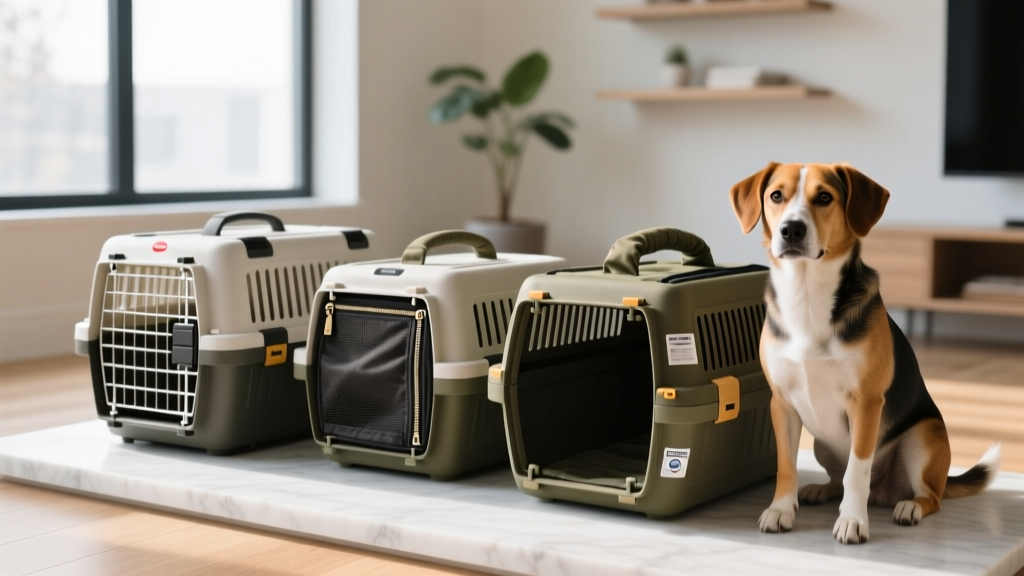
- Crate (wire or plastic): $45-$120. Size should allow standing, turning, and lying down — no larger for puppies (use a divider panel). MidWest iCrate or Ruff Land Performance Kennel are reliable choices.
- Adjustable martingale collar: $15-$30. Safer than flat buckle collars for breeds with narrow heads (Greyhounds, Whippets). For Labs and Goldens, a standard flat collar works.
- 6-foot leather or biothane leash: $25-$55. Avoid retractable leashes — they teach pulling and offer poor control in emergencies.
- Stainless steel or ceramic food bowls (set of 2): $15-$35. Elevated feeders are NOT recommended for large/giant breeds — research links elevated bowls to increased bloat risk in predisposed breeds.
- Enzymatic toothbrush and dog-specific toothpaste: $12-$20. Dental disease affects 80% of dogs by age 3. Start brushing in the first week home.
High-Value Investments (Budget: $150-$350)
- Orthopedic bed: $60-$180. Big Barker (10-year warranty, $180-$300) for large breeds; Furhaven or K&H Pet Products for small breeds. Joint support matters from puppyhood, especially for Labradors and Goldens prone to dysplasia.
- Puzzle feeders (2-3 types): $15-$40 each. Kong Classic, Outward Hound Nina Ottosson puzzles, and snuffle mats reduce eating speed and provide mental enrichment — critical for intelligent breeds like Poodles.
- Dog first-aid kit: $30-$55. Include styptic powder, self-adhering bandage wrap, digital rectal thermometer, hydrogen peroxide (3% for vet-directed emesis only), and tweezers.
Health Screening: What to Demand Before You Commit
Whether you choose a breeder or rescue, health transparency is non-negotiable. Here's what responsible sourcing looks like in 2026:
Always visit the breeding facility in person. A responsible breeder will welcome this. Red flags include: refusal to let you see the mother, multiple litters available simultaneously, no health testing documentation, or pressure to pay a deposit before meeting the puppy. If adopting from a rescue, request all available veterinary records and behavioral assessments.
Required Health Clearances by Breed
| Breed | Minimum Required Screenings | Testing Organization |
|---|---|---|
| Labrador Retriever | Hips, elbows, eyes, EIC gene, CNM gene | OFA, CERF |
| Cavalier King Charles Spaniel | Cardiac (cardiologist), hips, eyes, patellas | OFA, veterinary cardiologist |
| Golden Retriever | Hips, elbows, eyes, heart, ichthyosis gene | OFA, CERF |
| Bichon Frise | Hips, patellas, eyes, bladder stone history | OFA, CERF |
| Poodle (Standard) | Hips, eyes, thyroid, Addison's gene, sebaceous adenitis | OFA, CERF |
Verify all clearances independently at the OFA database — don't just take a breeder's word for it. Enter the parent's registered name or number to confirm results are current.
First-Year Veterinary Care Schedule & Costs
Understanding the veterinary timeline helps you budget accurately and ensures your puppy stays protected during their most vulnerable months.
- 6-8 weeks — Initial wellness exam + DHPP vaccine #1: $80-$150. Your vet will perform a full physical, check for congenital defects, and establish a vaccination timeline.
- 10-12 weeks — DHPP #2 + Bordetella: $75-$130. Discuss lifestyle vaccines (Leptospirosis, Lyme, Canine Influenza) based on your geographic area and planned activities.
- 14-16 weeks — DHPP #3 + Rabies: $85-$140. After this round, your puppy can safely visit dog parks and public spaces (approximately 1 week after final DHPP).
- 16-20 weeks — Spay/neuter consultation: Discuss timing with your vet. Current AVMA guidance recommends breed-specific timing — large breeds (Labs, Goldens, Standard Poodles) benefit from waiting until 12-18 months to allow growth plate closure, reducing orthopedic disease risk.
- 6 months — Heartworm test + preventive start: $35-$55 for test; $60-$180 annually for prevention (Heartgard Plus, Interceptor Plus, or Simparica Trio).
- 12 months — Annual wellness exam + vaccine titers or boosters: $120-$250. Ask your vet about titer testing as an alternative to automatic annual revaccination for DHPP and Rabies.
When to Choose a Different Breed (or Skip a Dog Entirely)
Sometimes the best dog breed for a first-time owner is no dog at all — at least not yet. Be honest with yourself about these dealbreakers:
- You travel more than 3 nights per month. Dog boarding costs $40-$85 per night. Dogs left with rotating sitters develop anxiety and behavioral issues.
- Your housing situation is unstable. Breed-specific legislation (BSL) affects pit bull-type breeds, Rottweilers, and Dobermans in many US jurisdictions. Renters face breed and weight restrictions in 60%+ of US rental properties.
- You cannot commit to 12-15 years. Dogs are a long-term commitment. If major life changes (marriage, children, relocation) are likely to disrupt your ability to care for a dog, wait.
- Your budget cannot absorb a $2,000-$5,000 emergency. Emergency veterinary care for bloat, foreign body ingestion, or acute illness routinely falls in this range. If you cannot maintain an emergency fund or pet insurance ($40-$90/month for comprehensive coverage), reconsider timing.
Step-by-Step: Bringing Your New Dog Home
- Prep the space 48 hours before arrival. Set up the crate in a low-traffic area, puppy-proof rooms (secure electrical cords, remove toxic houseplants like lilies and sago palm, lock away cleaning products).
- Stock food your dog is already eating. Sudden diet changes cause GI upset. Transition to a new food over 7-10 days (25% new/75% old for 3 days, then 50/50 for 3 days, then 75/25).
- Schedule your first vet visit within 72 hours of arrival. Bring all records from the breeder or rescue. Establish a relationship before any emergencies arise.
- Enroll in a positive reinforcement puppy class within the first 2 weeks. Look for classes that use treats, clickers, and play — never correction-based methods. Check for CPDT-KA or KPA-CTP certified trainers.
- Begin alone-time training immediately. Start with 5 minutes of crate time while you're in the next room. Gradually increase duration. Separation anxiety is far easier to prevent than to treat.
Frequently Asked Questions
What is the best dog breed for someone who works full-time?
Greyhounds (surprisingly low-energy despite their racing reputation), Basset Hounds, and adult Bichon Frises tend to tolerate longer alone periods better than high-drive breeds. No dog should be left alone for more than 8 hours regularly. Consider a dog walker for midday breaks ($15-$25 per visit).
How do I choose the right breed if I have allergies?
No dog is truly hypoallergenic — allergies are triggered by dander and saliva proteins, not fur. Low-shedding breeds like Poodles, Bichons, and Portuguese Water Dogs produce less airborne dander. Spend 2-3 hours with the breed before committing. An allergist can perform specific IgE testing to identify your triggers.
How much does the best dog breed cost in the first year?
First-year costs range from $2,800 for a Labrador (lower grooming, moderate health needs) to $5,500+ for a Poodle (higher grooming costs). This includes purchase/adoption, veterinary care, gear, food, training, and insurance. Annual ongoing costs after year one typically range from $1,500-$3,000 depending on breed size and health.
Should I adopt from a rescue instead of buying from a breeder?
Both paths are valid. Rescues often have adult dogs with known temperaments (less guesswork for first-time owners), and adoption fees ($200-$600) typically include spay/neuter, vaccinations, and microchipping. However, breed-specific rescues exist for every breed in this guide if you want a specific breed with rescue benefits. The key is transparency — a good rescue provides full behavioral and medical histories.
Are mixed breeds healthier than purebreds?
Hybrid vigor (heterosis) can reduce the risk of breed-specific recessive conditions, but it's not a guarantee. Mixed breeds can still inherit conditions common to their component breeds. A well-bred purebred from health-tested parents often has more predictable health outcomes than a mixed breed from unknown lineage. The deciding factor is always the quality of breeding, not the breed status.
When should I consult a veterinarian before choosing a breed?
If you have specific health concerns (severe allergies, mobility limitations that affect your ability to walk a large dog, or other household members with health conditions), consult your physician and a veterinarian before committing. Additionally, if you're considering a breed with known hereditary conditions (Cavaliers and heart disease, for example), speak with a vet about expected lifetime care costs and management.
Tom Renshaw
All our authors care for dogs every day — read more of their work on the authors page.