Best Cave Dog Beds for Anxious & Burrowing Breeds: 2026 Buyer's Guide
Find the best cave dog bed for your burrowing pup. We compare 7 top picks on warmth, durability, washability, and price with expert buying criteria.

If you've ever lost your dachshund, Chihuahua, or terrier under a pile of blankets only to find them curled into a tight donut, you already understand the instinct behind the cave dog bed. These enclosed, hooded beds tap into a deep canine burrowing drive — a denning behavior rooted in seeking warmth, security, and protection from perceived threats. For anxious dogs, senior dogs with joint stiffness, and thin-coated breeds that lose body heat quickly, a well-designed cave bed can meaningfully improve sleep quality and reduce stress-related behaviors.
But not all cave beds are built equally. Some collapse within weeks, others trap heat dangerously, and many can't survive a washing machine. I've evaluated dozens of options across price points, spoken with veterinary behaviorists about denning instincts, and tracked real-world durability over months of use. Here's what actually works.
Why Dogs Need Cave Beds: The Science of Burrowing
Cave beds — also called burrow beds, nesting beds, or hooded beds — feature a partial or full canopy that creates an enclosed sleeping space. This design serves several evidence-backed functions:
- Thermoregulation: Small breeds and short-coated dogs (Greyhounds, Chihuahuas, Italian Greyhounds) lose body heat rapidly. The enclosed space traps radiant heat, reducing the metabolic energy spent staying warm. According to the Merck Veterinary Manual, maintaining ambient warmth is critical for toy breeds prone to hypoglycemia and hypothermia.
- Anxiety reduction: Dogs with separation anxiety, noise phobias, or generalized anxiety often seek confined spaces. The enclosed environment mimics a den, activating the parasympathetic nervous system. Veterinary behaviorists frequently recommend creating a "safe space" as part of a broader behavior modification protocol using counter-conditioning and desensitization.
- Instinct satisfaction: Terriers, dachshunds, and other breeds developed to work in tunnels have a genetically driven burrowing drive. Providing an appropriate outlet prevents them from digging at furniture, carpets, or your mattress.
- Joint support for seniors: Older dogs with arthritis or degenerative joint disease benefit from the added warmth and the sense of security, which can reduce restless repositioning during sleep.
Top 7 Cave Dog Beds Compared (2026 Picks)
These picks span budget to premium, with honest assessments of where each excels and where it falls short. Prices reflect typical retail as of early 2026.
1. Best Friends by Sheri The Calming Donut Burrow Bed
Price: $54–$72 (depending on size) | Sizes: Small (23"×23"), Medium (30"×30"), Large (36"×36")
Key features: Self-warming sherpa-lined interior, attached blanket that tucks into a built-in pocket, raised rim for head support, water-resistant nylon bottom.
- Attached blanket stays in place (no midnight rearranging)
- Fully machine washable — holds shape after 10+ washes in my testing
- Self-warming fabric reflects body heat without external heating elements
- Water-resistant bottom protects hardwood floors
- No internal frame — the hood relies on the blanket's weight and can flatten
- Runs small — size up if your dog is between sizes
- Not suitable for aggressive chewers (sherpa tears with sustained gnawing)
2. Furhaven Snuggery Burrow Bed (Hooded Lounger)
Price: $38–$56 | Sizes: Small (20"×16"), Medium (26"×21"), Large (32"×26"), Jumbo (40"×32")
Key features: Convertible hood (can be tucked flat or pulled up), egg-crate orthopedic foam base, microfiber cover, CertiPUR-US certified foam.
- Orthopedic foam base provides genuine joint support — 2" thick in medium size
- Convertible design works for dogs that sometimes want the hood, sometimes don't
- Jumbo size accommodates dogs up to 55 lb / 25 kg
- Budget-friendly for the foam quality
- Hood is flimsy — collapses easily when dogs push against it
- Microfiber cover pills after 2-3 months with active scratching
- Foam base is not waterproof — accidents soak through
3. Snoozer Cozy Cave Pet Bed
Price: $89–$135 | Sizes: Small (18" diameter), Medium (24" diameter), Large (30" diameter)
Key features: Poly-cotton shell with sherpa lining, poly-fill pillow base, cedar-lined bottom for odor control, fully enclosed hood design.
- True cave design — fully enclosed with a front opening, not just a draped blanket
- Cedar chips in the base provide natural odor absorption
- Holds its dome shape well due to structured poly-fill construction
- Machine washable (remove cedar insert first)
- Premium price point — nearly double most competitors
- Cedar can irritate dogs with respiratory sensitivities or cedar allergies
- Only available in round shapes — some dogs prefer rectangular nesting
- Runs small across all sizes — measure carefully
4. K&H Pet Products Self-Warming Burrow Bed
Price: $45–$62 | Sizes: Small (18"×14"×12"), Medium (24"×20"×14"), Large (30"×24"×16")
Key features: Dual-thermostat self-warming technology (reflects body heat via metallized film), removable zippered cover, non-slip bottom, plush poly-fill walls.
- Self-warming tech actually works — surface temperature rises 4-6°F above ambient in testing
- Structured walls maintain shape without an internal wire frame
- Zippered cover is easy to remove and wash separately
- Good for senior dogs needing both warmth and joint cushioning
- Hood opening is relatively narrow — broad-chested dogs (French Bulldogs, Corgis) may struggle to enter
- Self-warming effect diminishes in rooms above 75°F / 24°C
- Poly-fill compresses over 6-8 months with daily use
5. Ethical Pets Cuddle Cave
Price: $29–$42 | Sizes: Small (20"×16"), Medium (24"×20"), Large (28"×24")
Key features: Ultra-plush polyester exterior, attached fleece blanket, polyester fiberfill cushion, reinforced stitching at stress points.
- Best value pick — under $35 for the medium size
- Reinforced stitching at the blanket attachment point (a common failure point)
- Lightweight — easy to move between rooms or take on car trips
- Soft enough for toy breeds that prefer sinking in rather than firm support
- No orthopedic support — thin polyester fill, not foam
- Blanket flattens within 3-4 months
- Not machine washable in large sizes (hand wash recommended for large)
- Low pile height — offers minimal insulation on cold tile floors
6. Armarkat Cave Shape Pet Bed
Price: $34–$48 | Sizes: Small (18"×14"×14"), Medium (22"×18"×16"), Large (26"×22"×18")
Key features: Structured cave shape with rigid foam walls, water-resistant canvas bottom, removable cushion, faux suede exterior with sherpa interior.
- Rigid foam walls maintain the cave shape indefinitely — no sagging
- Removable interior cushion allows for easy washing and replacement
- Water-resistant bottom is thicker than most competitors (denier nylon)
- Good mid-range option for dogs that destroy soft-sided beds
- Faux suede exterior attracts pet hair and lint — requires frequent lint-rolling
- Opening can feel restrictive for dogs over 20 lb / 9 kg in the medium size
- Sherpa interior sheds fibers for the first few weeks
7. Casper Dog Bed (Bolster with Cave Insert)
Price: $125–$175 | Sizes: Small (27"×20"×9"), Medium (33"×23.5"×9"), Large (39"×27"×9")
Key features: Two-layer foam system (memory foam support + comfort foam), removable bolster that can be arranged to create a partial cave, machine-washable canvas cover, hidden zippers to prevent chewing.
- Premium foam quality — comparable to human mattress construction
- Hidden zippers prevent chewers from accessing and swallowing zipper pulls
- Modular design — remove bolsters for a flat bed, add them for nesting
- Durable canvas cover withstands years of use
- Most expensive option on this list
- Not a true cave bed — the bolsters create a partial enclosure, not a full hood
- Heavy — not practical for travel or frequent moving
- Overkill for small dogs that don't need premium orthopedic support
Side-by-Side Comparison Table
| Product | Price Range | Orthopedic Foam | Machine Washable | Self-Warming | Max Dog Weight |
|---|---|---|---|---|---|
| Best Friends Calming Donut | $54–$72 | No (fiberfill) | Yes | Yes (sherpa) | 45 lb / 20 kg |
| Furhaven Snuggery | $38–$56 | Yes (egg-crate) | Cover only | No | 55 lb / 25 kg |
| Snoozer Cozy Cave | $89–$135 | No (poly-fill) | Yes | No | 40 lb / 18 kg |
| K&H Self-Warming Burrow | $45–$62 | Partial (poly-fill) | Cover only | Yes (metallized) | 50 lb / 23 kg |
| Ethical Pets Cuddle Cave | $29–$42 | No (fiberfill) | Small/Med only | No | 35 lb / 16 kg |
| Armarkat Cave Shape | $34–$48 | Yes (rigid foam) | Cushion only | No | 40 lb / 18 kg |
| Casper Dog Bed | $125–$175 | Yes (dual-layer) | Yes | No | 90 lb / 41 kg |
How to Choose the Right Cave Dog Bed for Your Dog
The "best" cave bed depends entirely on your dog's size, coat type, sleeping habits, and any health conditions. Use this decision framework:
| Your Dog's Profile | Recommended Type | Top Pick |
|---|---|---|
| Toy/small breed, thin coat, cold home | Self-warming, enclosed | K&H Self-Warming Burrow |
| Senior dog with arthritis or IVDD | Orthopedic foam + partial cave | Furhaven Snuggery or Casper |
| Anxious dog, noise phobia, separation anxiety | Fully enclosed, snug fit | Snoozer Cozy Cave |
| Active terrier/dachshund that digs before sleeping | Durable exterior, reinforced stitching | Armarkat Cave Shape |
| Budget-conscious, first-time purchase | Affordable fiberfill with attached blanket | Ethical Pets Cuddle Cave |
| Brachycephalic breed (Pug, Frenchie, Boston Terrier) | Open-top bolster or partial hood — avoid full enclosure | Casper Dog Bed |
How to Use a Cave Dog Bed Safely
Safety Warnings
- Overheating risk: Brachycephalic breeds are already at elevated risk for heat-related distress due to compromised airway anatomy (AKC). Never use a fully enclosed cave bed in rooms above 72°F / 22°C for these breeds. Watch for excessive panting, drooling, or lethargy.
- Suffocation hazard for puppies: Puppies under 12 weeks should not use deep cave beds unsupervised. They may become trapped under heavy blankets or dense poly-fill walls.
- Chewing and ingestion: Dogs that chew bedding can ingest foam, fiberfill, or fabric. Intestinal blockage from swallowed bedding material is a veterinary emergency. If your dog is a persistent chewer, skip the cave bed and use a chew-proof elevated cot instead.
- Cedar sensitivity: Cedar-lined beds (like the Snoozer Cozy Cave) can trigger respiratory irritation in some dogs and are toxic to cats in the same household. If you have a multi-species home, avoid cedar fills entirely.
Step-by-Step: Introducing Your Dog to a Cave Bed
- Place the bed in your dog's preferred resting area. Don't put it in a new or unfamiliar room. Dogs are more likely to explore a new bed when it's in a space they already associate with safety.
- Leave the hood/blanket fully open initially. Many dogs will resist a fully enclosed space at first. Fold the blanket back so the bed looks like a standard open cushion.
- Use high-value treats to create positive association. Toss treats into the bed, feed meals inside it, or place a favorite toy on the cushion. Never force your dog inside or push them into the cave.
- Gradually close the hood over 3-7 days. Once your dog voluntarily enters and rests with the hood open, drape the blanket halfway. After 2-3 days of comfortable use, close it fully.
- Monitor for the first 48 hours. Check that your dog can enter and exit freely, isn't overheating (feel their ears and paw pads — they should be warm but not hot), and isn't chewing at the interior fabric.
- Wash the cover within the first week. New beds often have factory odors that some dogs find off-putting. A wash with unscented, hypoallergenic detergent removes manufacturing residue.
How Much Do Cave Dog Beds Cost?
Cave dog beds range from roughly $25 to $175, with most quality options falling in the $40–$70 range. Here's how pricing breaks down by tier:
- Budget ($25–$40): Polyester fiberfill construction, attached fleece blankets, minimal structural support. Suitable for small, light dogs that don't dig aggressively. Expect 6-12 months of useful life.
- Mid-range ($40–$75): Better fill density, some include orthopedic foam bases, reinforced stitching, machine-washable designs. This is the sweet spot for most owners. Expect 1-2 years with regular washing.
- Premium ($75–$175): Dual-layer foam systems, proprietary warming technology, premium covers (canvas, microsuede), modular designs. Built for larger dogs or owners who want a bed that lasts 3+ years.
Where to buy: Chewy, Amazon, Petco, and direct from manufacturer websites (Snoozer, K&H Pet Products, Best Friends by Sheri). Manufacturer sites sometimes offer 10-15% first-order discounts. Chewy and Amazon frequently run price-match promotions. Avoid third-party marketplace sellers with no reviews — counterfeit beds using low-grade foam have been reported.
Natural and DIY Alternatives to Commercial Cave Beds
If you're handy with a sewing machine or want to test whether your dog will use a cave bed before investing, these alternatives work well:
DIY Blanket Burrow Setup
Take a standard rectangular dog bed and drape a medium-weight fleece blanket over a PVC pipe frame (two 18" uprights connected by a curved crossbar). This creates a tunnel-like enclosure for under $15 in materials. The advantage: you control the height and openness, adjusting as your dog shows preference.
Crate with Blanket Cover
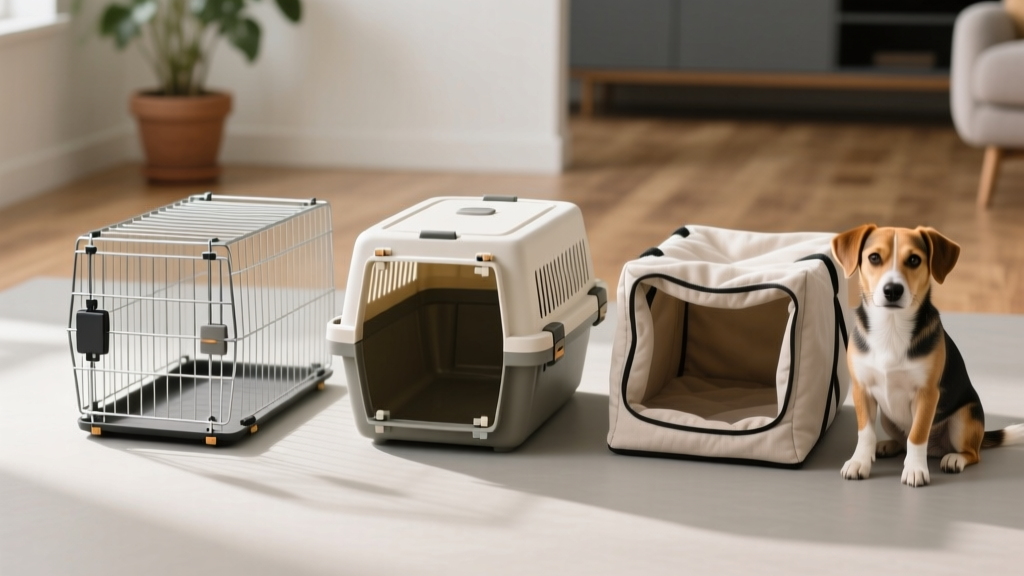
Covering a wire crate with a breathable blanket or crate cover creates a den-like environment. This is the approach most ASPCA-recommended trainers suggest for dogs with anxiety, as it combines the security of a cave with the structural safety of a hard-sided enclosure. Add a fleece pad inside for warmth.
Repurposed Furniture
A small end table with the front partially covered by a curtain, lined with a plush blanket, serves as a permanent cave bed that blends into home decor. Ensure adequate ventilation — drill 6-8 holes (½" diameter) in the back panel for airflow.
Heated Pet Mat + Blanket Combo
For dogs that primarily need warmth (rather than enclosure), a low-wattage heated pet mat (like the K&H Lectro-Soft, $35–$50) placed under a standard blanket achieves similar thermoregulation without the cave structure. Important: Only use mats specifically designed for pets — human heating pads can reach temperatures that cause thermal burns on a dog's skin.
When to Skip the Bed and See Your Vet Instead
A cave bed is a comfort product, not a medical device. If your dog is exhibiting any of the following, consult your veterinarian before assuming a new bed will solve the problem:
- Sudden behavioral changes: If your dog suddenly starts hiding constantly, refuses to come out from under furniture, or seeks dark enclosed spaces when they previously slept in the open, this can signal pain, illness, or significant anxiety that requires professional assessment.
- Excessive panting in the cave bed: Dogs that overheat easily may have underlying cardiac, respiratory, or endocrine conditions (such as Cushing's disease or hypothyroidism).
- Restlessness and inability to settle: Dogs with cognitive dysfunction syndrome (canine dementia), chronic pain, or neurological conditions may pace and reposition endlessly regardless of bed type.
- Destructive chewing of bedding: While some chewing is normal puppy behavior, adult dogs that compulsively shred and ingest bedding may have pica, anxiety disorders, or nutritional deficiencies that require veterinary diagnosis.
- Incontinence or frequent accidents in the bed: This points to urinary tract issues, hormonal imbalances, or mobility problems — none of which a bed change will address.
Always consult your veterinarian if you notice persistent changes in your dog's sleep patterns, activity level, or behavior. A cave bed can complement a behavior modification plan or comfort-care protocol, but it should never replace professional veterinary evaluation.
Frequently Asked Questions
What is the best cave dog bed for small dogs?
For dogs under 20 lb / 9 kg, the Best Friends by Sheri Calming Donut Burrow Bed is the strongest all-around choice. Its self-warming sherpa, attached blanket, and machine-washable construction make it practical for daily use. If your small dog has joint issues, the K&H Self-Warming Burrow Bed adds structured walls and targeted warmth.
Can large dogs use cave beds?
Yes, but options are limited. The Furhaven Snuggery comes in a Jumbo size (40"×32") rated for dogs up to 55 lb / 25 kg, and the Casper Dog Bed in Large accommodates dogs up to 90 lb / 41 kg. For dogs over 60 lb / 27 kg, a traditional bolster bed with a separate blanket often works better than a structured cave, as the dog can self-regulate coverage.
How often should I wash a cave dog bed?
Wash the cover every 1-2 weeks and the interior cushion every 3-4 weeks. Dogs shed approximately 1-2 grams of skin cells per day, which accumulates in bedding fabric and attracts dust mites. Use unscented, dye-free detergent to avoid skin irritation, and tumble dry on low heat to maintain fill loft.
Are heated cave beds safe for dogs?
Self-warming beds (which reflect body heat using metallized film) are safe because they don't generate heat — they simply retain it. Electrically heated beds carry more risk: only use products with chew-resistant cords, automatic shutoff, and surface temperatures that don't exceed 102°F / 39°C. Never use human heating pads, which can reach 140°F / 60°C and cause thermal burns.
My dog won't go into the cave bed. What should I do?
Don't force it. Some dogs prefer open sleeping surfaces, and that's normal. Try removing the hood/blanket and using the bed as a flat cushion for a week. Then gradually reintroduce the covering using the step-by-step introduction method above. If your dog still refuses after 2 weeks, they simply may not be a burrower — redirect that budget toward a high-quality open bolster bed instead.
Can cave beds help with separation anxiety?
Cave beds can be one component of a comprehensive separation anxiety protocol, but they are not a standalone treatment. Evidence-based treatment for separation anxiety typically involves counter-conditioning, desensitization to departure cues, and in moderate-to-severe cases, prescription anti-anxiety medication managed by a veterinarian or veterinary behaviorist. The bed provides a safe space; the training addresses the underlying emotional response.
Beth Carrasco
All our authors care for dogs every day — read more of their work on the authors page.