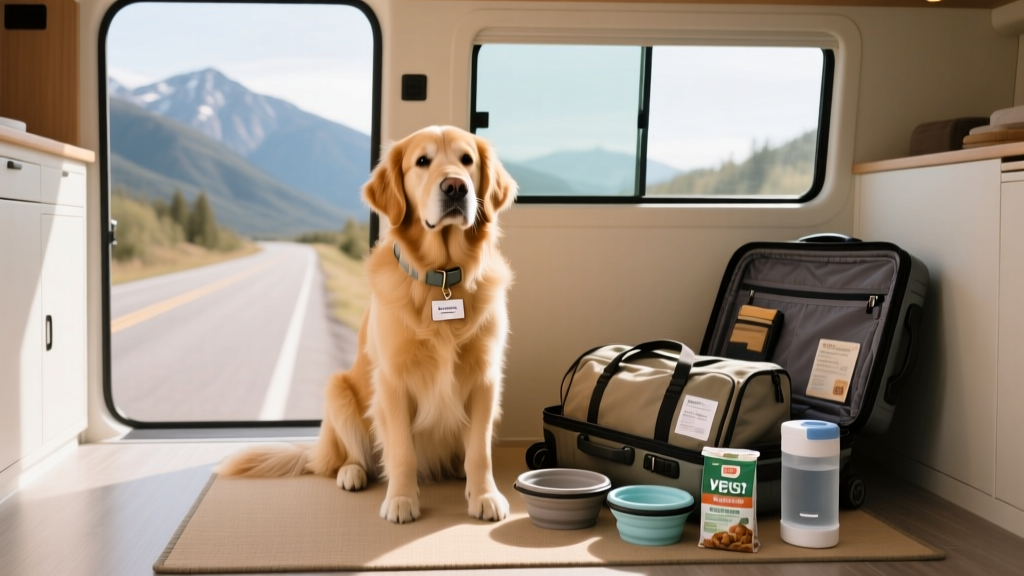
Best Airline Approved Dog Carriers for Safe Travel in 2026
Compare the best airline approved dog carriers for 2026.

Top 7 Airline Approved Dog Carriers Compared
1. Sherpa Original Deluxe Carrier
Best for: Budget-conscious travelers flying major US airlines
Price: $45–$65
Key features:
- Available in Small (15"L x 9.5"W x 10.5"H) and Medium (17"L x 11"W x 10.5"H)
- Locking zipper tabs and seat belt strap
- Mesh panels on three sides
- Machine-washable faux lambskin liner
- Folds flat for storage
Pros: Accepted by Delta, American, United, Southwest, Alaska; lightweight at 2.5 lb; spring-wire frame compresses to fit under seats; affordable price point.
Cons: Not suitable for cargo; limited padding on bottom; zippers can snag on mesh over time; maximum pet weight around 16 lb (Medium).
2. SturdiBag Pro 2.0 by Sturdipet
Best for: Taller dogs needing extra headroom
Price: $120–$160
Key features:
- Unique arched design provides 13" interior height at center
- Available in Small, Medium, Large, and Extra-Large
- Rear pocket for documents and treats
- Privacy curtains on mesh panels (reduces dog anxiety)
- Interior tether clip
Pros: Taller interior accommodates dogs up to 20 lb comfortably; privacy curtains reduce visual stimulation; flexible frame compresses to meet under-seat requirements; excellent ventilation.
Cons: Higher price point; heavier at 3.5 lb; Extra-Large may not fit under all economy seats; takes longer to compress into position.
3. Sleepypod Air In-Cabin Pet Carrier
Best for: Safety-conscious owners who also drive with their dogs
Price: $180–$220
Key features:
- Crash-tested and certified by the Center for Pet Safety
- Expands from 16" to 22" length when not under seat
- Ballistic nylon exterior with breathable mesh
- Luggage-grade handle and removable shoulder strap
- Interior bedding is plush, removable, and washable
Pros: Dual-use as car safety restraint (crash-tested up to 18 lb); expandable design gives dog more room during layovers; premium build quality; accepted by most major US and international carriers.
Cons: Most expensive soft carrier option; heavier at 4 lb; limited to dogs up to 18 lb; expandable feature must be compressed during taxi, takeoff, and landing.
4. Petmate Ultra Traditional Kennel (IATA Cargo-Compliant)
Best for: Large dogs or breeds required to travel in cargo
Price: $65–$180 (varies by size)
Key features:
- Available in 6 sizes from 21" to 48" length
- Heavy-duty plastic shell with wire door
- Meets IATA container requirements for cargo hold
- Built-in handle and tie-down strap holes
- 360-degree ventilation
Pros: Suitable for dogs 10–125 lb depending on size; meets international cargo standards; durable construction withstands baggage handling; easy to clean.
Cons: Cannot be used in cabin; heavy (15–35 lb empty depending on size); requires assembly; must add IATA-compliant food and water dishes for international flights; some airlines require metal bolts instead of plastic fasteners.
5. Mr. Peanut's Gold Series Expandable Carrier
Best for: Frequent flyers wanting expandable space at mid-range price
Price: $60–$85
Key features:
- Self-expanding side panel adds 4" of length
- Faux fleece padding included
- Mesh panels on four sides when expanded
- Laptop-style carrying handle and shoulder strap
- Seat belt sleeve on back
Pros: Expandable feature provides extra comfort during layovers; four-sided ventilation when expanded; lightweight at 2.8 lb; fits under most economy seats when compressed; good value.
Cons: Expansion zippers may weaken after heavy use; must compress before going through security; maximum pet weight approximately 15 lb; not as rigid as premium carriers.
6. K9 Sport Sack Air Plus 2
Best for: Active travelers who want hands-free carrying after landing
Price: $80–$110
Key features:
- Backpack-style carrier with padded shoulder straps
- Available in XS through XL for dogs 8–40 lb
- Side pockets for water bottle and accessories
- Ventilated mesh panels
- Interior tether and waist strap
Pros: Hands-free transport through airports; versatile for hiking and transit after flights; multiple size options cover small to medium dogs; comfortable for the human wearer.
Cons: Some airlines restrict backpack-style carriers (check before flying); larger sizes may not fit under seats; not ideal for anxious dogs who prefer enclosed spaces; less padding than traditional carriers.
7. Away The Pet Carrier
Best for: Style-conscious travelers who coordinate luggage
Price: $225–$250
Key features:
- Water-resistant nylon shell with leather accents
- Removable sherpa-lined insert
- Magnetic top closure and mesh side panels
- Exterior pocket for travel documents
- Pass-through sleeve for luggage handles
Pros: Premium aesthetic matches Away luggage; excellent build quality; comfortable sherpa bedding; accepted by major US airlines; luggage pass-through is convenient.
Cons: Highest price in this roundup; limited to dogs up to 18 lb; only available in one size (17.3"L x 10.2"W x 10.6"H); fewer ventilation panels than competitors.
Product Comparison Table
| Carrier | Type | Max Dog Weight | Dimensions (L×W×H) | Weight (Empty) | Price Range | Expandable |
|---|---|---|---|---|---|---|
| Sherpa Original Deluxe | Soft-sided cabin | 16 lb | 17"×11"×10.5" | 2.5 lb | $45–$65 | No |
| SturdiBag Pro 2.0 | Soft-sided cabin | 20 lb | 18"×12"×13" | 3.5 lb | $120–$160 | No (arched) |
| Sleepypod Air | Soft-sided cabin + car | 18 lb | 16"–22"×10.5"×9.5" | 4.0 lb | $180–$220 | Yes |
| Petmate Ultra Kennel | Hard-sided cargo | 125 lb | 21"–48" (varies) | 15–35 lb | $65–$180 | No |
| Mr. Peanut's Gold Series | Soft-sided cabin | 15 lb | 17.5"×11"×11" | 2.8 lb | $60–$85 | Yes |
| K9 Sport Sack Air Plus 2 | Backpack cabin | 40 lb | Varies by size | 2.5–4.5 lb | $80–$110 | No |
| Away The Pet Carrier | Soft-sided cabin | 18 lb | 17.3"×10.2"×10.6" | 3.2 lb | $225–$250 | No |
How to Choose the Right Airline Approved Dog Carrier
Choosing the correct carrier depends on three factors: your dog's size, your airline's specific requirements, and your travel style.
Step 1: Measure Your Dog Accurately
Your dog must be able to stand up, turn around, and lie down comfortably inside the carrier. Measure:
- Length: Nose to base of tail (not tip of tail)
- Height: Top of head (or ears if erect) to floor
- Width: Across the shoulders at the widest point
Add 2–3 inches to each measurement for minimum interior dimensions.
Step 2: Check Your Airline's Pet Policy
Airlines update their pet policies regularly. As of 2026, here are general guidelines for major US carriers:
- Delta: Max carrier dimensions 18"×11"×11" (soft-sided); pet + carrier under 20 lb
- American Airlines: Max 19"×13"×9" (soft-sided); must fit under seat; fee $150 each way
- United: Max 17.5"×12"×7.5" (hard-sided) or flexible soft-sided; PetSafe cargo program discontinued in 2024
- Southwest: Max 18.5"×13.5"×8.5" (soft-sided); pet fee $125 each way; first-come, first-served (6 pets per flight)
- JetBlue: Max 17"×12.5"×8" (soft-sided); $125 fee; only 6 pets per flight
- Alaska Airlines: Max 17"×11"×9.5" (hard) or flexible soft-sided; $100 fee
International carriers (Lufthansa, Air France, British Airways) often have different rules, especially for brachycephalic breeds. IATA Live Animals Regulations govern international transport.
Step 3: Match Carrier Type to Travel Scenario
- Cabin travel (dogs under ~18 lb): Soft-sided carriers compress to fit under seats; lighter is better
- Cargo travel (larger dogs): Must use IATA-compliant hard kennel with metal hardware
- Multi-leg trips: Consider expandable carriers for layover comfort
- Driving + flying: Dual-use carriers like Sleepypod save money and space
How to Use an Airline Approved Dog Carrier Safely
- Introduce the carrier 2–4 weeks before travel. Leave it open in your home with treats, meals, and favorite toys inside. Use positive reinforcement — never force your dog in. Goal: your dog enters voluntarily and relaxes inside.
- Practice closing the door. Start with 30-second intervals, gradually increasing to 30+ minutes. Take short car rides in the carrier to simulate movement.
- Line the bottom with absorbent padding. Use a puppy pad beneath the fleece liner in case of accidents. Pack 2–3 spare liners in your carry-on.
- Attach a secure ID tag to the carrier exterior. Include your name, phone number, and destination address. Also place a copy of your dog's health certificate in a waterproof pouch on the carrier.
- Do not sedate your dog without veterinary guidance. The AVMA advises against tranquilizers for air travel because they can affect breathing and balance at altitude. If your dog has severe travel anxiety, consult your veterinarian about safer alternatives like trazodone or gabapentin, prescribed at appropriate doses.
- At the airport, keep your dog in the carrier at all times. TSA requires you to remove your dog from the carrier at security screening (carry them through the metal detector while the empty carrier goes through the X-ray). Use a harness and leash for this step.
- Under the seat, position the carrier with mesh panels facing you. This allows you to monitor your dog and lets them see you, which reduces anxiety.
- Offer water through the mesh using a collapsible bowl or syringe. Avoid feeding a full meal within 4 hours of departure to reduce nausea and bathroom needs.
⚠️ Safety Warnings
- Brachycephalic breeds (French Bulldogs, Pugs, Boston Terriers, Bulldogs) are at elevated risk of respiratory distress during air travel. Many airlines ban these breeds from cargo entirely. Even in-cabin, monitor for excessive panting, blue-tinged gums, or labored breathing.
- Temperature extremes: Airlines embargo pet cargo travel when ground temperatures fall below 45°F (7°C) or exceed 85°F (29°C) at departure or arrival cities. Cabin travel is generally climate-controlled.
- Never place your dog in an overhead bin. Even if the carrier fits, this is prohibited and dangerous due to temperature fluctuations and lack of ventilation.
- Cargo travel carries inherent risks. According to the US Department of Transportation, airlines are required to report animal incidents. Between 2018 and 2024, reported incidents decreased significantly after several airlines discontinued cargo pet programs, but risks remain. Whenever possible, choose cabin travel.
- Remove collars before crating. Collars can snag on carrier wire or mesh. Use a harness instead, or remove the collar entirely once your dog is secured inside.
Effectiveness and Veterinary Recommendations
Airline approved carriers serve two primary functions: physical safety during turbulence and ground handling, and stress reduction through a familiar, enclosed space. According to veterinary behaviorists, dogs in appropriately sized carriers experience less anxiety than those held on laps or in open carriers during the sensory overload of air travel.
A 2023 study published in the Journal of Veterinary Behavior found that dogs traveling in enclosed carriers with familiar bedding showed lower cortisol levels compared to dogs in open-top carriers or on restraints. The study emphasized that carrier acclimation prior to travel was the single strongest predictor of low stress markers.
The American Veterinary Medical Association (AVMA) recommends:
- Obtaining a health certificate from your veterinarian within 10 days of travel (required by most airlines)
- Ensuring vaccinations are current, particularly rabies
- Discussing motion sickness management (Cerenia/maropitant is commonly prescribed)
- Avoiding sedation unless specifically prescribed for air travel
- Choosing direct flights to minimize handling and temperature exposure
Alternatives to Standard Airline Carriers
When to Consider Alternatives
Not every dog is a candidate for air travel. Consider these alternatives when:
- Your dog exceeds cabin weight limits and you're uncomfortable with cargo travel
- Your dog has a medical condition (heart disease, severe BOAS, uncontrolled anxiety)
- You're traveling to a destination with lengthy quarantine requirements (Hawaii, Australia, UK)
Alternative Options
- Professional pet transport services: Companies like PetRelocation and Air Animal coordinate ground and air transport with IATA-compliant crates, veterinary oversight, and customs documentation. Cost: $1,500–$5,000+ depending on distance and services.
- Ground transport only: For domestic moves, driving or hiring a pet transport driver eliminates air travel stress entirely. Cost: $300–$1,200 for cross-country.
- Boarding or pet sitting: If travel is short-term, leaving your dog with a trusted sitter or boarding facility may be less stressful. Cost: $30–$75/day.
- DIY carrier modifications: For cargo travel, IATA requires specific modifications including metal bolts (not plastic clips), "Live Animal" stickers, and attached food/water dishes. You can modify an approved hard kennel yourself, but verify compliance with your airline before arrival.
When to Skip the Carrier and See Your Vet Instead
Before booking a flight, schedule a pre-travel veterinary exam. Your vet should assess:
- Respiratory health: Brachycephalic breeds need specific clearance; some vets will advise against air travel entirely for dogs with moderate-to-severe BOAS
- Cardiac function: Dogs with heart murmurs or diagnosed heart disease may not tolerate the stress and altitude changes
- Anxiety severity: If your dog panics in the carrier despite weeks of acclimation training, your vet may prescribe anti-anxiety medication or recommend against air travel
- Age considerations: Puppies under 8 weeks and senior dogs with chronic conditions face elevated risk; most airlines require puppies to be at least 8 weeks old (some require 16 weeks for international travel)
- Recent illness or surgery: Dogs recovering from any procedure should not fly until cleared by their veterinarian
Always consult your veterinarian before making travel decisions for dogs with pre-existing health conditions. A pre-travel exam typically costs $50–$120 and includes the required health certificate.
Frequently Asked Questions
What is the best airline approved dog carrier for cabin travel?
The best carrier depends on your dog's size and your airline. For most small dogs under 16 lb, the Sherpa Original Deluxe offers the best value and broadest airline acceptance. For dogs up to 20 lb needing more headroom, the SturdiBag Pro 2.0 is the top pick. For dual car/air use with crash-test certification, the Sleepypod Air is unmatched.
How much does an airline approved dog carrier cost?
Soft-sided cabin carriers range from $45 to $250. Budget options (Sherpa, Mr. Peanut's) cost $45–$85. Mid-range carriers (SturdiBag, K9 Sport Sack) run $80–$160. Premium options (Sleepypod, Away) cost $180–$250. Hard-sided cargo kennels range from $65 for small sizes to $180+ for extra-large.
Can I use any soft carrier on a plane?
No. The carrier must meet your specific airline's dimension requirements and be flexible enough to fit under the seat. Many airlines explicitly list approved brands. Even if a carrier is marketed as "airline approved," verify dimensions against your airline's current policy before your flight.
Are there natural alternatives to sedation for anxious flyers?
Yes. Options include:
- Adaptil (DAP) spray: Synthetic dog-appeasing pheromone sprayed inside the carrier 15 minutes before loading. Available OTC for $15–$25.
- Calming supplements: Products containing L-theanine, L-tryptophan, or chamomile (e.g., Solliquin, Zesty Paws Calming Bites). Start 1–2 weeks before travel.
- Compression garments: Thundershirt-style wraps provide gentle pressure that reduces anxiety in some dogs.
- Familiar items: A worn t-shirt with your scent and a favorite toy inside the carrier.
These alternatives work best for mild-to-moderate anxiety. Severe panic (vocalization, self-injury, escape attempts) requires veterinary-prescribed medication.
Do airlines weigh the carrier with the dog inside?
Most US airlines do not weigh cabin pets at check-in, but they can ask. International carriers and some budget airlines are stricter. The combined weight limit is typically 15–20 lb. If you're close to the limit, choose the lightest carrier possible (the Sherpa Original at 2.5 lb saves weight compared to the Sleepypod at 4 lb).
How do I get my dog through TSA security with a carrier?
You will carry your dog through the metal detector while the empty carrier goes through the X-ray machine. Have a secure harness and leash on your dog before approaching security. Some airports offer private screening rooms if your dog is reactive or likely to bolt — ask a TSA agent before your turn.
Where to Buy and What to Expect in 2026
Airline approved dog carriers are widely available through these channels:
- Online retailers: Amazon, Chewy, and direct-from-manufacturer websites (Sherpa, Sleepypod, Away) offer the widest selection. Expect shipping in 2–5 business days.
- Pet specialty stores: PetSmart and Petco carry Sherpa and Mr. Peanut's brands in-store; selection varies by location.
- Travel retailers: Away stores and luggage shops carry premium carriers.
Price expectations by tier:
- Budget ($45–$85): Sherpa, Mr. Peanut's — adequate for occasional travel
- Mid-range ($80–$160): SturdiBag, K9 Sport Sack — better durability, more features
- Premium ($180–$250): Sleepypod, Away — superior materials, safety testing, multi-use functionality
- Cargo kennels ($65–$180): Petmate, Variocage — IATA-compliant for hold transport
Order at least 4–6 weeks before your flight to allow time for carrier acclimation training. If your dog doesn't adjust to the carrier, you'll have time to try an alternative or consult a certified trainer or veterinary behaviorist.
Robin Maitland
All our authors care for dogs every day — read more of their work on the authors page.