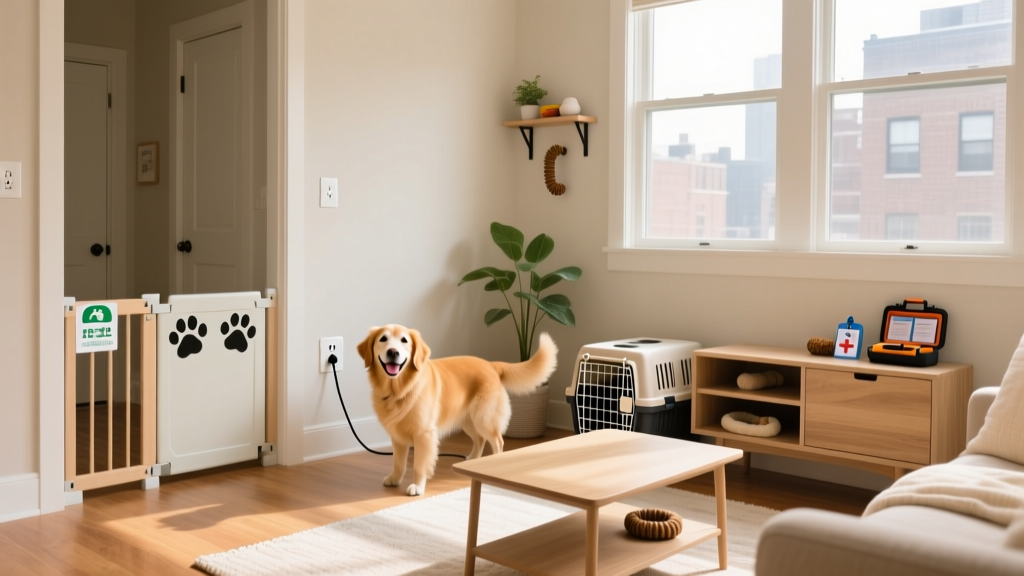
Adopting Older Dogs: A Complete Senior Dog Care & Transition Guide
Adopting older dogs? Learn senior dog care essentials — age thresholds by breed size, diet adjustments, health screenings, home modifications, and quality of life tips.

When Is a Dog Considered Senior? Age Thresholds by Breed Size
One of the first questions people ask when adopting older dogs is whether their new companion has actually reached senior status. The answer depends almost entirely on body size. Larger dogs age faster than smaller ones — a biological reality tied to growth rate, metabolic stress, and accelerated cellular aging in big breeds.
| Breed Size Category | Adult Weight Range | Senior Threshold | Examples |
|---|---|---|---|
| Small | Under 20 lb (9 kg) | 10–12 years | Chihuahua, Toy Poodle, Yorkshire Terrier |
| Medium | 20–50 lb (9–23 kg) | 8–10 years | Beagle, Cocker Spaniel, Border Collie |
| Large | 50–90 lb (23–41 kg) | 6–8 years | Labrador Retriever, German Shepherd, Boxer |
| Giant | Over 90 lb (41+ kg) | 5–6 years | Great Dane, Saint Bernard, Mastiff |
According to the American Kennel Club, these thresholds represent when age-related health changes typically begin — not when a dog becomes "old." Many senior dogs remain active and sharp for years past these benchmarks. When you're adopting older dogs from shelters, rescue groups often estimate age based on dental wear, coat condition, and eye clarity (lenticular sclerosis), but these methods can be off by 1–3 years. Request any available veterinary records and consider a DNA test (Wisdom Panel or Embark, typically $80–$200) to confirm breed mix and refine your aging expectations.
Physical Changes to Expect in Your Adopted Senior Dog
Senior dogs undergo predictable physical shifts. Knowing what's normal versus what signals disease helps you respond appropriately during those first weeks and months together.
Coat and Skin
Expect a duller coat, increased shedding, and graying — especially around the muzzle, eyebrows, and paw pads. The skin becomes thinner and less elastic, making senior dogs more prone to hot spots and slow-healing wounds. Dry, flaky skin often indicates hypothyroidism or essential fatty acid deficiency rather than simple aging.
Weight and Body Composition
Muscle loss (sarcopenia) is common even in well-fed seniors. You may notice a prominent spine, thinner thighs, and a sunken appearance over the hips — even while belly fat increases. A Body Condition Score (BCS) assessment from your vet helps distinguish unhealthy weight loss from normal aging. Target a BCS of 4–5 out of 9 for most senior dogs.
Sleep and Energy Patterns
Senior dogs typically sleep 14–18 hours per day (compared to 10–14 for adults). You'll notice shorter bursts of activity followed by long naps, stiffness after resting, and occasional nighttime restlessness or pacing — the latter sometimes indicating canine cognitive dysfunction (CCD).
Sensory Decline
Hearing loss (presbycusis) and vision changes (lenticular sclerosis, cataracts) often develop gradually. A dog that seems to "ignore" commands may simply not hear them. Cloudy, bluish-gray eye lenses are usually benign lenticular sclerosis and do not impair vision significantly, unlike cataracts which appear opaque white.
Nutrition Modifications for Senior Dogs
Nutritional needs shift meaningfully in senior dogs, but the direction of change depends on your individual dog's health status. There is no universal "senior diet" formula — and that's a critical point many new adopters miss.
| Nutritional Factor | Standard Adult Needs | Typical Senior Adjustment | When to Adjust |
|---|---|---|---|
| Protein | 18–25% DM | 25–32% DM (higher quality) | Unless kidney disease is present — then moderate to 14–18% DM |
| Fat | 10–15% DM | 8–12% DM for overweight dogs; 15–20% DM for underweight | Adjust based on BCS and activity level |
| Phosphorus | 0.5–1.0% DM | 0.3–0.7% DM | Reduce if kidney values (BUN, creatinine, SDMA) are elevated |
| Sodium | 0.1–0.5% DM | 0.1–0.25% DM | Reduce if heart disease or hypertension diagnosed |
| Fiber | 2–5% DM | 5–10% DM | Increase for constipation or weight management |
| Omega-3 (EPA/DHA) | General maintenance | 50–100 mg/kg combined EPA+DHA daily | For joint inflammation, cognitive support, kidney disease |
| Glucosamine/Chondroitin | Not standard | 1,500 mg glucosamine + 1,200 mg chondroitin for 50 lb dog | If osteoarthritis or mobility issues present |
Important: The myth that senior dogs need less protein is outdated. According to research published in the Journal of Veterinary Internal Medicine, healthy senior dogs actually benefit from higher-quality, more digestible protein to combat sarcopenia. Only restrict protein if your veterinarian diagnoses chronic kidney disease (CKD) — and even then, it's phosphorus you primarily restrict, not protein itself. Always consult your veterinarian before making significant diet changes.
For adopted seniors with unknown dietary history, transition to a new food gradually over 10–14 days: 75% old food/25% new for days 1–3, then 50/50 for days 4–7, then 25% old/75% new for days 8–10, and fully switched by day 14. Senior dogs have more sensitive GI tracts, so rushing this causes diarrhea and food aversion.
Exercise Adjustments: Keeping Seniors Moving Without Overdoing It
The goal with senior dog exercise is maintaining muscle mass, joint mobility, and mental stimulation — not building endurance or burning calories through intensity. Adopting older dogs often means inheriting unknown exercise histories, so start conservatively and build up.
Senior Dog Exercise Framework
- Duration: 2–3 shorter walks (15–20 minutes each) rather than one long walk
- Surface: Grass, dirt trails, or rubberized paths — avoid concrete and asphalt which stress joints
- Temperature: Walk during cool hours (below 70°F / 21°C); seniors overheat faster and pant less efficiently
- Swimming: Excellent low-impact option if available; a canine life jacket ($25–$50) provides safety and confidence
- Mental exercise: Sniff mats, puzzle feeders (Kong Classic $12–$18, Outward Hound Nina Ottosson puzzles $15–$30), and short training sessions tire a senior dog as effectively as physical exercise
- Red flags to stop: Lagging behind, excessive panting, limping, sitting down mid-walk, or refusing to continue
For dogs with diagnosed osteoarthritis — which affects an estimated 20% of adult dogs and over 65% of dogs over seven according to the Merck Veterinary Manual — consider physical rehabilitation. Underwater treadmill therapy sessions run $75–$150 each, and many veterinary practices offer packages. Laser therapy (cold laser / Class IV) at $40–$75 per session can reduce joint inflammation without medication side effects.
Health Screening Schedule for Adopted Senior Dogs
When adopting older dogs, establish a veterinary baseline within the first two weeks. Senior dogs benefit from more frequent and more comprehensive screening than younger adults. Here's a recommended schedule based on guidelines from the American Animal Hospital Association (AAHA):
| Screening Test | Frequency | What It Detects | Typical Cost Range |
|---|---|---|---|
| Complete Blood Count (CBC) | Every 6 months | Anemia, infection, blood cell cancers | $50–$100 |
| Chemistry Panel + Electrolytes | Every 6 months | Kidney function, liver enzymes, blood sugar, electrolyte imbalances | $80–$150 |
| Urinalysis | Every 6 months | Early kidney disease, diabetes, urinary tract infection, bladder crystals | $30–$60 |
| Thyroid Panel (Total T4 + free T4) | Annually, or every 6 months if abnormal | Hypothyroidism (extremely common in senior medium/large breeds) | $50–$90 |
| SDMA (Symmetric Dimethylarginine) | Every 6 months | Early kidney disease — detects decline 17 months earlier than creatinine alone | $30–$50 (often included in senior panels) |
| Blood Pressure Measurement | Annually, or every 6 months if elevated | Hypertension linked to kidney disease, Cushing's, heart disease | $25–$50 |
| Dental Exam + Cleaning | Annually or as needed | Periodontal disease (affects 80%+ of dogs by age 3, worsens with age) | $300–$800 with anesthesia |
| Orthopedic Exam / Radiographs | Annually, or if mobility changes noted | Osteoarthritis, hip dysplasia, cruciate ligament disease, bone tumors | $150–$400 for hips/knees |
| Cardiac Exam (auscultation + echocardiogram if murmur) | Annually | Heart valve disease (mitral valve), cardiomyopathy | $250–$500 for echocardiogram |
| Canine Cognitive Dysfunction Screening | Annually after age threshold | CCD (canine dementia) — early intervention slows progression | Included in exam; DISHA questionnaire is free |
Budget approximately $400–$800 annually for senior wellness screening. Many veterinary practices offer senior wellness packages bundling these tests at a 15–25% discount compared to individual pricing. Pet insurance for senior dogs is available but premiums increase significantly — expect $60–$150/month for dogs over 8 years through providers like Trupanion, Healthy Paws, or Lemonade. Pre-existing conditions are universally excluded.
Common Health Problems in Senior Dogs: Early Warning Signs
Adopting older dogs means preparing for age-related conditions. Early detection dramatically improves outcomes and reduces treatment costs. Watch for these specific red flags:
Chronic Kidney Disease (CKD)
Prevalence: Affects roughly 10–15% of senior dogs. Early signs: Increased thirst (polydipsia — drinking more than 100 mL/kg/day), increased urination, weight loss despite normal appetite, occasional vomiting. Action: Request SDMA testing at your first vet visit; it catches CKD significantly earlier than traditional BUN/creatinine markers.
Osteoarthritis and Joint Disease
Prevalence: Over 65% of dogs over age 7. Early signs: Reluctance to jump or climb stairs, stiffness after resting that improves with movement, irritability when touched near hips or spine, decreased activity, muscle atrophy in hind legs. Action: Daily omega-3 supplementation, weight management (even 5–10% body weight reduction significantly decreases joint pain), and discuss NSAIDs like carprofen ($30–$80/month) or grapiprant/Galliprant ($60–$120/month) with your vet.
Cancer
Prevalence: Approximately 1 in 3 dogs develop cancer, with risk increasing sharply after age 7. Early signs: New or growing lumps, non-healing wounds, unexplained weight loss, difficulty eating or swallowing, persistent lameness, bloating, abnormal bleeding. Action: Perform monthly "lump checks" — map and measure any masses. Fine needle aspirates cost $50–$150 and provide immediate preliminary answers for most skin and subcutaneous tumors.
Canine Cognitive Dysfunction (CCD)
Prevalence: Estimated 28% of dogs aged 11–12 and 68% of dogs aged 15–16. Early signs: Disorientation (getting stuck behind furniture), altered sleep-wake cycles, decreased interaction with family, house soiling in previously trained dogs, decreased activity or purposeless repetitive behavior. Action: The DISHA assessment framework (Disorientation, Interactions, Sleep, House-soiling, Activity) helps you track changes systematically. Prescription selegiline (Anipryl, $40–$80/month) and therapeutic diets rich in medium-chain triglycerides (like Purina NeuroCare) can slow progression.
Dental Disease
Prevalence: Over 80% of dogs show periodontal disease by age 3; it progresses severely in seniors. Early signs: Bad breath, red or bleeding gums, dropping food, chewing on one side, pawing at mouth, visible tartar. Action: Professional cleaning under anesthesia remains the gold standard. Untreated dental disease seeds bacteria to the heart, liver, and kidneys — it's not cosmetic.
Call Your Veterinarian Immediately If Your Senior Dog Shows:
- Sudden inability to stand or walk
- Seizures or collapse
- Unproductive retching with a distended abdomen (possible GDV/bloat — life-threatening emergency)
- Difficulty breathing or blue-tinged gums
- No eating or drinking for 24+ hours
- Straining to urinate with no output (possible obstruction)
- Acute blindness or sudden severe disorientation
Home Environment Adjustments for Senior Dogs
Simple home modifications make an enormous difference in your adopted senior dog's comfort, independence, and safety. Most of these adjustments cost under $100 total.
Essential Modifications
- Orthopedic bed: Memory foam beds (4–6 inches thick) distribute pressure and prevent calluses. Expect $60–$150 for quality options like Big Barker (10-year warranty, $180–$340) or Furhaven ($35–$80). Avoid thin polyester-fill beds — they compress within weeks.
- Ramps and stairs: For furniture access and vehicle loading. Pet Gear Tri-Fold Ramp ($50–$80) handles up to 200 lb. For beds/couches, foam pet stairs ($30–$60) work well for dogs under 60 lb.
- Non-slip surfaces: Area rugs, yoga mats, or PawZ rubber booties ($15–$20 for 12) on hardwood and tile. Senior dogs with arthritis or neurological decline slip easily, and one bad fall can cause a cruciate tear or fracture.
- Raised food/water bowls: Elevated 4–8 inches depending on dog height. Reduces neck strain and may help with megaesophagus. Stainless steel on adjustable stands: $20–$40.
- Night lights: LED plug-in night lights ($10–$15 for a multi-pack) along hallways and near the door help dogs with declining vision navigate at night.
- Temperature control: Senior dogs regulate body temperature poorly. Keep ambient temperature between 68–75°F (20–24°C). A heated bed pad ($25–$45, K&H Pet Products Thermo-Pet) helps thin-coated seniors in winter; cooling mats ($20–$40) prevent overheating in summer.
- Pee pad station or indoor grass patch: For dogs with declining bladder control or mobility issues. Fresh Patch real grass delivery ($30–$50/month) or washable pee pads provide dignity and reduce accidents.
Behavioral Changes and Emotional Support
Senior dogs often become more clingy, anxious, or irritable — and these shifts have neurological and physical causes, not just "personality changes." Adopting older dogs from shelters adds a layer of transition stress on top of age-related changes.
Increased attachment and anxiety: Sensory decline (hearing loss, vision changes) makes dogs feel vulnerable. They stay close to their trusted person for security. Counter this by maintaining predictable routines — same walk times, same feeding schedule, same sleeping location. Predictability reduces cortisol levels.
Irritability or aggression: A previously gentle senior may snap when touched. This almost always indicates pain — arthritis, dental disease, or ear infection. Do not punish this behavior. Identify the trigger (usually petting near sore joints) and address the underlying medical cause. Positive reinforcement training using high-value treats (freeze-dried liver, $12–$18/bag) can rebuild comfort with handling.
Cognitive decline behaviors: Nighttime pacing, staring at walls, getting stuck in corners, and forgetting trained behaviors are CCD symptoms, not willful disobedience. Supplements containing phosphatidylserine, SAMe, and medium-chain triglycerides (such as Senilife or Activait, $30–$50/month) support brain health. Environmental enrichment — new walking routes, sniffing sessions, gentle novel experiences — builds cognitive reserve.
Sleep disruption: Melatonin (3–6 mg for dogs over 30 lb, given 30 minutes before bedtime) can help reset sleep-wake cycles. Discuss with your vet first, as melatonin interacts with some medications. White noise machines ($20–$35) help dogs with hearing-related anxiety settle at night.
Quality of Life Assessment: Recognizing Suffering and Making Hard Decisions
The most difficult aspect of adopting older dogs is confronting end-of-life decisions sooner than you might with a younger adoption. Having a framework for assessing quality of life removes some of the emotional fog from these decisions.
The HHHHHMM Scale (Dr. Alice Villalobos)
Score each category from 1 (poor) to 10 (excellent). A total above 35 generally indicates acceptable quality of life. Below 35 warrants serious discussion with your veterinarian.
| Category | What to Evaluate | Score (1–10) |
|---|---|---|
| Hurt | Is pain managed adequately? Can the dog breathe comfortably? | |
| Hunger | Is the dog eating enough? Does hand-feeding or appetite stimulant help? | |
| Hydration | Is the dog drinking enough? Are subcutaneous fluids needed? | |
| Hygiene | Can the dog stay clean? Is it developing pressure sores or urine scalding? | |
| Happiness | Does the dog show interest in family, toys, walks? Does it greet you? | |
| Mobility | Can the dog get up, walk, and move without assistance? Does it want to? | |
| More good days than bad | Track daily: is today a good day or a bad day? When bad days outnumber good, the balance has shifted. |
Pain indicators in senior dogs are subtle. Dogs rarely vocalize chronic pain. Watch for: panting when at rest, trembling, tucked tail, flattened ears, avoidance of being touched, restlessness, decreased grooming, changes in facial expression (tense brow, narrowed eyes — the Canine Grimace Scale is a validated tool), and decreased appetite. According to the American Veterinary Medical Association (AVMA), untreated chronic pain compromises immune function and accelerates decline.
Hospice and palliative care is a growing field in veterinary medicine. If your senior dog has a terminal diagnosis but is not yet suffering, palliative care focuses on comfort: pain management, appetite support, anti-nausea medication, and quality-of-life monitoring. Many veterinarians now offer in-home euthanasia services ($200–$400) through providers like Lap of Love, which operates in most US metro areas. Planning for this moment — including what to do with remains (communal cremation $50–$100, private cremation $150–$350) — reduces the trauma of making decisions while grieving.
The emotional toll of senior dog care is real. Caregiver burnout, anticipatory grief, and the financial strain of chronic disease management affect many adopters. Support groups like the Pet Loss Support Hotline (Cornell University: 607-253-3932) and ASPCA's pet loss resources provide free counseling. You are not alone in this.
Frequently Asked Questions About Adopting Older Dogs
When is my adopted dog considered a senior?
It depends on size. Small breeds (under 20 lb / 9 kg) enter senior years around 10–12. Medium breeds (20–50 lb / 9–23 kg) at 8–10. Large breeds (50–90 lb / 23–41 kg) at 6–8. Giant breeds (over 90 lb / 41+ kg) at just 5–6 years. These are thresholds for when age-related screening should begin, not indicators that your dog is "done." Many seniors live vigorous lives for years beyond these marks.
How should I care for my newly adopted senior dog in the first 30 days?
Week 1: Decompression. Provide a quiet, confined space (a spare room or gated area with an orthopedic bed), maintain a strict routine, and avoid introductions to new people, dogs, or environments. Week 2: Veterinary baseline visit — full physical, senior blood panel, urinalysis, dental assessment. Weeks 3–4: Gradually expand walking routes, begin gentle training with positive reinforcement, and assess behavioral patterns. Avoid overwhelming a senior dog with too much novelty too fast — their stress recovery takes longer than a younger dog's.
What health problems are most common in senior dogs?
The top five are: osteoarthritis (65%+ of dogs over 7), dental disease (80%+ of all adult dogs), chronic kidney disease (10–15% of seniors), cancer (1 in 3 dogs, risk rising sharply with age), and canine cognitive dysfunction (28% of dogs aged 11–12). Heart disease, hypothyroidism, diabetes, and Cushing's disease also increase in prevalence. Early screening catches most of these at manageable stages.
How do I adjust my senior dog's diet and exercise?
Diet: Prioritize high-quality, highly digestible protein (25–32% dry matter basis) unless kidney disease is diagnosed. Add omega-3 fatty acids (fish oil at 50–100 mg/kg EPA+DHA daily). Adjust calories based on body condition — many seniors need 10–20% fewer calories due to reduced activity, but underweight seniors need calorie-dense food. Exercise: Switch from one long walk to 2–3 shorter walks (15–20 minutes each) on soft surfaces. Add mental enrichment (sniffing sessions, puzzle toys) to compensate for reduced physical exertion. Swimming is ideal if available.
When should I see the vet more frequently?
Transition from annual to semi-annual (every 6 months) wellness visits once your dog crosses the senior threshold for their size category. Each visit should include a full physical exam, senior blood panel (CBC, chemistry, SDMA), urinalysis, blood pressure check, and dental assessment. Semi-annual visits catch disease 6 months earlier — and in conditions like CKD, that's the difference between dietary management and dialysis-level intervention. If your dog has an active chronic condition (diabetes, heart disease, cancer), your vet may recommend visits every 2–4 weeks during treatment adjustments.
How do I know if my senior dog is suffering?
Use the HHHHHMM quality-of-life scale: evaluate Hurt (pain), Hunger, Hydration, Hygiene, Happiness, Mobility, and whether there are More good days than bad. Score each 1–10; a total below 35 indicates declining quality of life. Specific suffering indicators include: persistent pain not controlled by medication, inability to stand or walk, refusal to eat for 24+ hours, incontinence causing skin breakdown, labored breathing, and complete withdrawal from all social interaction. When good days no longer outnumber bad days, consult your veterinarian about humane end-of-life options. This is the hardest part of adopting older dogs — but giving a senior dog a loving, comfortable final chapter is one of the most profound gifts you can offer.
Robin Maitland
All our authors care for dogs every day — read more of their work on the authors page.