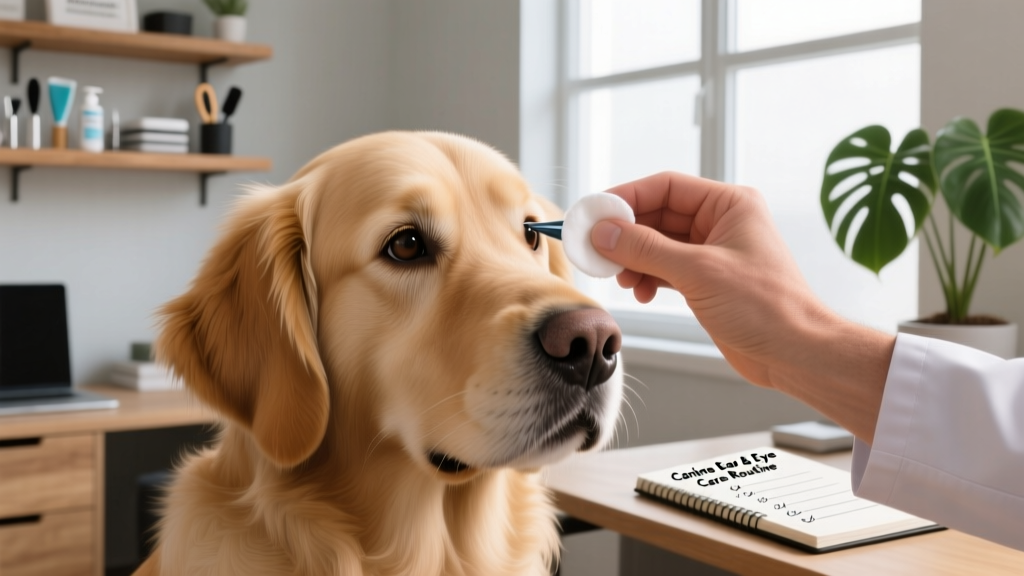
Symptoms, Home Care & Vet Treatment Guide
Learn how to spot, treat, and prevent yeast skin infection in dogs. Includes home exam steps, cleaning routines, breed risks, and vet treatment options.

If your dog is constantly scratching, licking their paws, or giving off a musty, corn-chip-like odor, you may be dealing with a yeast skin infection. Caused primarily by an overgrowth of Malassezia pachydermatis—a yeast that naturally lives on canine skin—these infections are among the most common dermatological complaints seen in veterinary clinics. While not life-threatening in most cases, yeast skin infections cause significant discomfort and rarely resolve without targeted treatment.
This guide walks you through the anatomy of how yeast overgrowth happens, how to examine your dog at home, what products actually work, and when professional veterinary intervention is non-negotiable.
How Your Dog's Skin Defends Against Yeast (Anatomy Primer)
Dog skin vs. human skin — key differences:
- pH level: Human skin sits at a pH of roughly 5.5 (acidic). Dog skin ranges from 6.2 to 7.4 (more neutral). This higher pH makes canine skin inherently more hospitable to yeast and bacteria.
- Epidermal thickness: A dog's epidermis is only 3–5 cell layers thick compared to 10–15 in humans, making it more vulnerable to barrier disruption.
- Sweat glands: Dogs have apocrine glands at every hair follicle (humans have eccrine glands across the body). These apocrine secretions create a lipid-rich environment that Malassezia yeast feeds on.
- Coat coverage: Fur traps moisture and heat against the skin—especially in skin folds, between toes, and inside ear canals—creating microclimates where yeast thrives.
Malassezia pachydermatis is a normal commensal organism on dog skin. In healthy dogs, the immune system and skin barrier keep populations in check. Infection occurs when something disrupts this balance—excess moisture, allergic inflammation, immune suppression, or seborrhea (oily skin disease).
Common Yeast-Related Skin Problems in Dogs
| Condition | Location | Key Symptoms | Severity |
|---|---|---|---|
| Malassezia dermatitis | Paws, groin, armpits, neck folds | Greasy skin, musty odor, redness, intense itching | Moderate |
| Yeast otitis (ear infection) | Ear canals | Dark brown waxy discharge, head shaking, ear scratching, sweet/sour odor | Moderate–High |
| Interdigital yeast (paw yeast) | Between toes, paw pads | Rusty-brown staining, licking, swelling between toes, "corn chip" smell | Moderate |
| Yeast-related lip fold dermatitis | Lip folds, facial folds | Redness, moisture, foul smell in skin folds | Low–Moderate |
| Seborrheic dermatitis with yeast | Widespread—trunk, flanks | Flaky or greasy scales, widespread odor, hair loss | High |
How to Check Your Dog for Yeast Skin Infection at Home
A thorough home examination can help you catch yeast overgrowth early. Perform this check every 2–4 weeks, or weekly if your dog is a predisposed breed.
- The Sniff Test: Before touching anything, smell your dog's paws, ears, and skin folds. Healthy dog skin has a mild, neutral scent. A sharp musty, cheesy, or "Fritos corn chip" odor is a strong yeast indicator.
- Paw Inspection: Gently spread each toe apart. Look for reddish-brown staining on the fur between toes (caused by saliva oxidation from constant licking). Check for moist, pink-to-red skin between pads.
- Ear Canal Check: Flip the ear flap and look inside. Healthy ears are pale pink with minimal wax. Dark brown, waxy buildup with a sour smell signals yeast otitis. Do not insert anything into the ear canal.
- Skin Fold Examination: For wrinkled breeds, gently open each facial, lip, tail, and vulvar fold. Healthy folds are dry and pale pink. Yeast-infected folds appear red, moist, and may have a grayish discharge.
- Armpit & Groin Check: Part the fur in these high-friction, moisture-trapping areas. Look for darkened (hyperpigmented), thickened, or greasy skin patches.
- Coat & Skin Texture: Run your hands along your dog's body. Feel for greasy patches, crusty spots, or areas where the skin seems thicker than normal. Lichenification (elephant-skin thickening) is a hallmark of chronic yeast dermatitis.
Normal vs. Abnormal: What Healthy Dog Skin Looks Like
| Indicator | Normal / Healthy | Abnormal / Possible Yeast |
|---|---|---|
| Odor | Mild, neutral, or no detectable smell | Musty, sour, cheesy, corn-chip smell |
| Skin color | Pale pink to pink (varies by pigmentation) | Red, dark brown, gray, or black patches |
| Texture | Smooth, soft, pliable | Greasy, crusty, thickened, elephant-like |
| Ear wax | Small amount, light yellow to pale brown | Abundant, dark brown, waxy, foul-smelling |
| Paw fur | Clean, natural coat color | Rusty-brown or reddish staining between toes |
| Skin folds | Dry, clean, no discharge | Moist, red, grayish discharge, bad smell |
| Behavior | Occasional scratching (normal grooming) | Persistent licking, chewing paws, head shaking, scooting |
| Coat condition | Shiny, full, no bald patches | Dull, thinning, patchy hair loss in affected areas |
Home Care Routine: Cleaning and Maintenance
Prevention and management of yeast overgrowth requires a consistent routine. Here is a body-part-specific maintenance schedule:
Weekly Tasks:
- Ear cleaning: Use a veterinarian-recommended ear cleanser with a drying agent (e.g., Epi-Otic Advanced by Virbac, ~$16–$22 for 8 oz). Fill the ear canal, massage the base for 20–30 seconds, let your dog shake, then wipe the visible outer canal with a cotton ball. Never use cotton swabs inside the canal.
- Paw wipe-down: After walks, wipe each paw with a chlorhexidine-based wipe (e.g., Vetnique Defendex, ~$12–$18 for 50 wipes) or a 50/50 diluted apple cider vinegar solution for dogs with intact skin only.
- Skin fold cleaning: For wrinkled breeds, wipe folds with chlorhexidine wipes or a soft cloth dampened with diluted witch hazel. Dry thoroughly—moisture is the enemy.
Biweekly to Monthly Tasks:
- Antifungal shampoo bath: Use a shampoo containing 2–4% chlorhexidine and/or 1–2% miconazole (e.g., Malaseb by Dechra, ~$28–$40 for 16 oz, or Douxo S3 PYO by Sogeval, ~$24–$35). Lather and leave on for 10 full minutes before rinsing—this contact time is critical for efficacy.
- Full-body skin exam: Follow the 6-step home examination above.
Environmental Maintenance:
- Wash bedding weekly in hot water (minimum 130°F / 54°C) to reduce yeast and allergen load.
- Keep indoor humidity below 50% during humid months—use a dehumidifier if needed.
- Dry your dog thoroughly after baths, swimming, or rain exposure, paying special attention to ears, paws, and skin folds.
Recommended Products for Yeast Management
| Product | Active Ingredients | Use For | Price Range |
|---|---|---|---|
| Malaseb Medicated Shampoo (Dechra) | 2% miconazole + 2% chlorhexidine | Full-body yeast/bacterial baths | $28–$40 (16 oz) |
| Douxo S3 PYO Shampoo (Sogeval) | Ophytrium + chlorhexidine 3% | Sensitive skin, maintenance | $24–$35 (16.9 oz) |
| Epi-Otic Advanced Ear Cleanser (Virbac) | Salicylic acid, lactic acid (non-irritating drying formula) | Routine ear cleaning, yeast prevention | $16–$22 (8 oz) |
| Vetnique Defendex Medicated Wipes | Chlorhexidine 2% | Paw wipes, spot cleaning, fold care | $12–$18 (50 ct) |
| TrizULTRA + Keto Flush (Dechra) | TrisEDTA + 2% ketoconazole | Ear flush for active yeast otitis | $25–$38 (4 oz) |
Note: All product prices reflect typical retail ranges as of early 2026. Always check with your veterinarian before starting any medicated product, especially if your dog has open sores or ruptured eardrums.
When to See the Vet: Red Flag Symptoms
⚠ Schedule a vet appointment within 24–48 hours if your dog shows:
- Persistent head shaking or tilting head to one side (possible middle ear involvement)
- Widespread hair loss or skin darkening across large body areas
- Open sores, oozing lesions, or bleeding from scratching
- Strong, pervasive odor that returns within hours of bathing
- No improvement after 1–2 weeks of consistent home antifungal care
- Signs of pain when touched (flinching, snapping, whimpering)
🚨 Seek emergency veterinary care immediately if:
- Your dog is lethargic, refusing food, or has a fever above 103°F (39.4°C)
- Rapid swelling of the face, ears, or limbs (possible allergic reaction compounding infection)
- Loss of balance, walking in circles, or abnormal eye movements (vestibular signs from deep ear infection)
At the clinic, your veterinarian will typically perform a skin cytology—pressing a glass slide or clear tape to the affected area, staining it, and examining it under a microscope. This takes 5–10 minutes and costs roughly $40–$80 depending on your region. According to the Merck Veterinary Manual, finding more than 4–5 Malassezia organisms per high-power field generally confirms overgrowth requiring treatment.
For ear infections, your vet will use an otoscope to check eardrum integrity before prescribing drops. If the eardrum is ruptured, certain medications (including some containing aminoglycosides) can cause deafness—this is why professional diagnosis matters.
Your vet may also recommend testing for underlying causes, since yeast overgrowth is often secondary to allergies (atopic dermatitis, food allergies), hypothyroidism, or Cushing's disease. Allergy testing (blood or intradermal) typically costs $250–$500, while a thyroid panel runs $80–$150.
Breeds Most Prone to Yeast Skin Infections
| Breed | Risk Factors | Common Problem Areas |
|---|---|---|
| West Highland White Terrier | Atopic dermatitis predisposition, oily coat | Paws, ears, abdomen |
| Basset Hound | Heavy skin folds, long pendulous ears, seborrhea | Ears, lip folds, body folds |
| Cocker Spaniel | Floppy ears, seborrhea, allergy-prone | Ears, paws, groin |
| Shar-Pei | Extensive skin folds, mucin production | All skin folds, ears |
| English Bulldog / French Bulldog | Facial, lip, and tail folds; allergy predisposition | Face folds, tail pocket, paws |
| German Shepherd | Immune-mediated tendencies, atopy | Ears, paws, trunk |
| Poodle (all sizes) | Hair-bearing ear canals trap moisture, allergy-prone | Ears, skin folds |
| Dachshund | Low-to-ground body, abdominal skin contact with damp surfaces | Abdomen, armpits, paws |
| Shih Tzu | Facial folds, long coat trapping moisture | Face, ears, groin |
According to the American Kennel Club, brachycephalic breeds (those with flat faces and heavy wrinkles) face the highest overall risk due to the number of moisture-trapping skin folds. However, any dog with underlying allergies—regardless of breed—can develop recurrent yeast dermatitis.
Prevention Strategies That Actually Work
Because yeast overgrowth is almost always secondary to another issue, long-term prevention means addressing root causes:
- Manage allergies: Work with your vet to identify and control environmental or food allergies. Options include Apoquel (oclacitinib, ~$65–$120/month depending on dog size), Cytopoint injections (~$65–$120 per injection lasting 4–8 weeks), or hydrolyzed-protein elimination diet trials. The AVMA notes that untreated atopic dermatitis is the single most common driver of recurrent yeast infections in dogs.
- Diet considerations: While yeast does feed on sugars, the connection between dietary carbohydrates and skin yeast in dogs is not as direct as popular internet advice suggests. What matters more is feeding a complete, AAFCO-statement diet that supports skin barrier health. Look for foods with adequate omega-3 and omega-6 fatty acids (minimum 1.4% total fat for adult maintenance per AAFCO). Adding a fish oil supplement providing 50–100 mg EPA+DHA per kg of body weight daily can support skin barrier function.
- Keep skin dry: After swimming, bathing, or walking in rain, dry your dog thoroughly—especially ears, paws, and folds. For dogs who swim frequently, a post-swim ear rinse with a drying cleanser is essential.
- Regular grooming: Dogs with long coats or heavy undercoats benefit from professional grooming every 4–8 weeks to remove trapped moisture and dead hair close to the skin. Ask your groomer to trim the hair between paw pads and inside ear flaps.
- Routine ear maintenance: Clean ears weekly with a vet-recommended cleanser for predisposed breeds. This single habit prevents the majority of yeast ear infections.
- Weight management: Overweight dogs develop deeper skin folds and more skin-on-skin contact, increasing yeast-friendly environments. Maintaining an ideal body condition score (BCS of 4–5 on the 9-point scale) reduces fold-related infections significantly.
Frequently Asked Questions About Yeast Skin Infections in Dogs
Can I treat my dog's yeast infection at home without a vet visit?
Mild, localized yeast overgrowth (a few itchy paws, slight ear buildup) can often be managed with over-the-counter antifungal shampoos and ear cleansers. However, if symptoms persist beyond 2 weeks, cover large areas, or involve the ear canals deeply, you need veterinary diagnosis. Yeast infections are frequently secondary to allergies or endocrine disease—treating the yeast without addressing the root cause means it will keep coming back. Always consult your veterinarian before starting treatment, especially for ear infections, since applying medication to a ruptured eardrum can cause permanent hearing damage.
Is a yeast skin infection in dogs contagious to other pets or humans?
No. Malassezia pachydermatis is species-specific and is not considered zoonotic (transmissible to humans) under normal circumstances. It also does not spread between dogs through casual contact. Each dog's yeast overgrowth is driven by their individual skin environment and immune status. The rare exception involves severely immunocompromised humans, but this is extraordinarily uncommon.
How long does it take for a yeast skin infection to clear up?
With appropriate antifungal treatment (topical or oral), most mild-to-moderate yeast dermatitis cases improve noticeably within 7–14 days, with full resolution in 3–6 weeks. Chronic or severe cases—especially those involving lichenification (thickened skin) or concurrent bacterial infection—may require 6–12 weeks of consistent treatment. Ear yeast infections typically require 2–4 weeks of medicated drops. Your vet will usually recheck cytology at 2–3 weeks to confirm improvement.
Can changing my dog's food cure a yeast infection?
Diet alone rarely cures an active yeast infection. However, if the underlying cause is a food allergy (which triggers inflammation that promotes yeast growth), switching to a novel-protein or hydrolyzed-protein diet under veterinary guidance can eliminate the allergic trigger. A proper food elimination trial takes 8–12 weeks of strict dietary adherence—no treats, flavored medications, or table scraps outside the trial diet. Over-the-counter "limited ingredient" diets are not reliable for trials because they often contain undeclared protein contaminants; prescription hydrolyzed diets (such as Hill's z/d or Royal Canin Hydrolyzed Protein) are the gold standard.
Why does my dog's yeast infection keep coming back?
Recurrent yeast infections almost always signal an unresolved underlying condition. The three most common culprits are: (1) atopic dermatitis (environmental allergies), (2) food allergy, and (3) endocrine disease such as hypothyroidism or Cushing's disease. If your dog has more than 3–4 yeast infections per year, ask your veterinarian about allergy testing, thyroid panels, and ACTH stimulation testing. Without addressing the root cause, you will be trapped in a cycle of treating and retreating the same symptoms.
Beth Carrasco
All our authors care for dogs every day — read more of their work on the authors page.