Why Would a Dog Eat Dirt? Causes, Risks, and Safe Soil Alternatives
Why would a dog eat dirt? Learn the medical and behavioral causes of geophagia in dogs, health risks, safe alternatives, and when to call your vet.
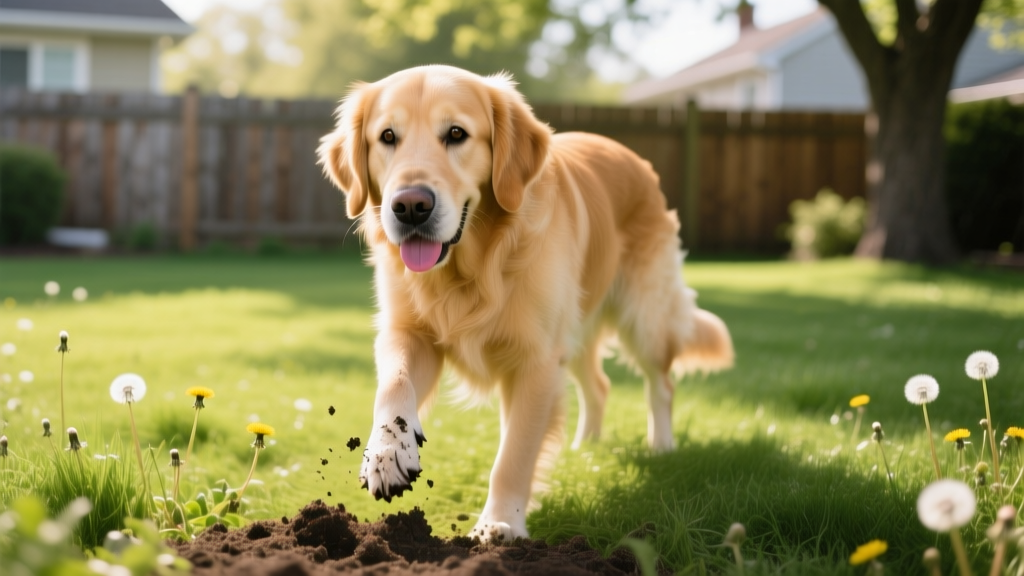
While small amounts of clean soil may pass through your dog's digestive tract without immediate harm, eating dirt (geophagia) is never nutritionally beneficial and carries real risks including intestinal blockage, parasite exposure, toxic chemical ingestion, and dental damage. If your dog is compulsively eating dirt, this often signals an underlying medical condition that requires veterinary evaluation. Do not encourage or supplement dirt consumption.
If you've caught your dog enthusiastically digging and then licking soil off the ground — or worse, mouthfuls of potting mix disappearing before you can react — you're not alone. Geophagia, the technical term for dirt-eating behavior, is surprisingly common in dogs. According to the Merck Veterinary Manual, pica (the consumption of non-food items) affects an estimated 10–15% of dogs at some point in their lives, with dirt and soil being among the most commonly ingested substances.
But understanding why a dog would eat dirt requires looking beyond simple curiosity. The causes range from nutritional deficiencies and gastrointestinal distress to anxiety, boredom, and even serious medical conditions like anemia. This guide breaks down every angle — the science, the risks, and what you should actually do about it.
The Real Reasons Why Dogs Eat Dirt: Medical vs. Behavioral
Not all dirt-eating is created equal. A puppy who samples a mouthful of garden soil during exploration is very different from an adult dog who seeks out and consumes dirt daily. Here's how to categorize what you're seeing:
Medical Causes (Requires Veterinary Evaluation)
| Condition | How It Triggers Dirt-Eating | Other Symptoms to Watch |
|---|---|---|
| Iron-deficiency anemia | Body craves iron-rich soil (pica response) | Pale gums, lethargy, rapid breathing, dark/tarry stools |
| Intestinal parasites (hookworms, roundworms) | Nutrient malabsorption triggers compensatory eating | Weight loss, diarrhea, pot-bellied appearance, scooting |
| Exocrine pancreatic insufficiency (EPI) | Inability to digest food drives consumption of anything available | Chronic diarrhea, ravenous appetite with weight loss, greasy stools |
| Inflammatory bowel disease (IBD) | GI discomfort may lead dogs to eat soil to settle stomach | Vomiting, intermittent diarrhea, appetite fluctuations |
| Mineral deficiencies (zinc, calcium, sodium) | Specific cravings for mineral-rich earth | Coat changes, poor wound healing, muscle tremors |
Behavioral Causes
- Boredom and under-stimulation: Dogs left alone in yards for long periods without enrichment often resort to digging and eating dirt. Working breeds (Border Collies, Belgian Malinois, Australian Shepherds) are especially prone.
- Anxiety and compulsive behavior: Repetitive dirt-eating can function as a displacement behavior, similar to nail-biting in humans. Separation anxiety and noise phobias are common triggers.
- Exploratory behavior in puppies: Puppies aged 8–20 weeks explore the world orally. Occasional soil sampling is developmental, not pathological — but should still be redirected.
- Attention-seeking: If eating dirt reliably gets you to chase, yell, or engage, your dog has learned it works. This is operant conditioning, not a medical issue.
- Taste and smell attraction: Soil containing food scraps, fertilizer, compost, or animal feces can be genuinely appealing to dogs. Their olfactory system detects organic compounds at concentrations 10,000–100,000 times lower than ours.
Health Risks of Dirt Consumption in Dogs
Eating dirt isn't a harmless quirk. Depending on the soil source and quantity, the risks can be significant and sometimes life-threatening.
Dogs who ingest large quantities of dirt, clay, or gravel can develop gastrointestinal obstruction. Soil compacts in the intestines, creating a physical blockage that requires surgical intervention. Surgery costs typically range from $2,000–$7,000 depending on complexity and location. Signs of blockage include repeated vomiting, inability to pass stool, abdominal pain, and refusal to eat. This is a veterinary emergency.
Specific Risk Breakdown
| Risk | Likelihood | Severity | Details |
|---|---|---|---|
| Parasite exposure | High | Moderate–Severe | Roundworm, hookworm, and whipworm eggs survive in soil for years. A single gram of contaminated soil can contain thousands of infective eggs. |
| Chemical toxicity | Moderate | Severe–Fatal | Pesticides, herbicides (especially glyphosate-based), chemical fertilizers, and antifreeze residue in soil can cause acute poisoning. Cocoa mulch contains theobromine — the same toxin in chocolate. |
| GI obstruction | Moderate | Severe | Clay-heavy soils and gravel compact in the intestines. Risk increases with small breed dogs and large ingestion volumes. |
| Dental damage | Moderate | Moderate | Abrasive soil particles wear enamel and can fracture teeth, particularly carnassials. Dental repair costs: $500–$2,500 per tooth. |
| Bacterial/fungal infection | Low–Moderate | Moderate | Soil harbors Clostridium, Salmonella, Leptospira, and fungal spores including Aspergillus and Histoplasma. |
How Much Dirt Is Dangerous? Serving Size Context for Concerned Owners
Unlike safe human foods where we can define appropriate serving sizes, dirt has no safe serving size. However, understanding risk thresholds helps you gauge urgency:
| Dog Size | Weight Range | Low Concern (Single Incident) | High Concern (Vet Visit Warranted) | Emergency (Go to ER Vet) |
|---|---|---|---|---|
| Small | Under 20 lb / 9 kg | A lick or two of clean soil | More than 1 tablespoon consumed | More than ¼ cup or any soil with chemicals/debris |
| Medium | 20–50 lb / 9–23 kg | Up to 1 teaspoon of clean soil | More than 2 tablespoons consumed | More than ½ cup or repeated daily ingestion |
| Large | 50–100+ lb / 23–45+ kg | Up to 1 tablespoon of clean soil | More than ¼ cup consumed | More than 1 cup or any soil containing foreign objects |
Note: These thresholds assume clean, untreated topsoil. Any soil treated with pesticides, fertilizers, or containing mulch, gravel, or debris drops to zero safe amount regardless of dog size.
What Your Vet Will Do: Diagnosis and Testing
When you bring a dirt-eating dog to the veterinary clinic, expect a systematic workup. The AVMA recommends thorough diagnostic evaluation for persistent pica. Here's what to anticipate and budget for:
- Complete blood count (CBC) and chemistry panel ($80–$200): Screens for anemia, organ function, and electrolyte imbalances that could drive pica.
- Fecal flotation and parasite panel ($25–$60): Checks for intestinal worms whose nutrient theft may be triggering dirt consumption.
- Cobalamin and folate levels ($60–$120): Low levels suggest malabsorption conditions like EPI or IBD.
- Iron panel and reticulocyte count ($50–$150): Specifically evaluates iron-deficiency anemia — one of the most common medical causes of geophagia.
- Abdominal imaging (X-ray or ultrasound) ($200–$500): Rules out GI obstruction, foreign bodies, or masses if large quantities of dirt were consumed.
- Thyroid panel ($80–$150): Hypothyroidism can sometimes manifest with behavioral changes including pica.
Total diagnostic cost for a comprehensive pica workup typically ranges from $350–$1,200 depending on which tests are needed and your geographic location.
Safe Alternatives: What to Give Instead of Dirt
If your dog craves texture, minerals, or oral stimulation, there are safe ways to meet those needs without the risks of soil ingestion.
Nutritional Substitutes (Addressing Deficiency-Driven Pica)
- Iron-rich foods: Cooked lean beef liver (1 teaspoon per 10 lb body weight, 2–3 times weekly). Liver provides 5–6 mg iron per 100g and is highly palatable.
- Mineral supplementation: A veterinary-approved multimineral supplement can correct subclinical deficiencies. Brands like VetriScience or Zesty Paws offer chelated mineral blends ($15–$30 for a 60-day supply).
- Fiber sources: Plain canned pumpkin (not pie filling) — 1 tablespoon per 10 lb body weight daily. Provides soluble fiber that supports GI health and satisfies the urge to consume earthy-textured substances.
- Probiotic-rich foods: Plain kefir (1 tablespoon per 20 lb body weight) or dog-specific probiotic supplements support gut health and may reduce pica driven by GI discomfort.
Behavioral Substitutes (Addressing Boredom and Anxiety)
- Snuffle mats and foraging toys: Products like the Outward Hound Snuffle Mat ($15–$25) or Paw5 Wooly Snuffle ($35–$45) redirect the natural foraging instinct that drives digging behavior.
- Frozen enrichment: Freeze low-sodium bone broth in a Kong Classic ($12–$18) for a long-lasting oral activity that satisfies chewing and licking drives.
- Structured digging areas: Create a designated sandbox (children's plastic sandbox, $20–$40) filled with clean play sand. Bury treats to encourage digging there instead of in treated garden beds. Use positive reinforcement — reward heavily when your dog uses the sandbox.
- Increased physical exercise: Most dirt-eating dogs are under-exercised. Aim for breed-appropriate activity: 30–60 minutes daily for low-energy breeds, 60–120+ minutes for working and sporting breeds.
How to Stop Your Dog From Eating Dirt: A Step-by-Step Plan
- Rule out medical causes first. Schedule a vet visit with a CBC, fecal exam, and nutritional panel before assuming it's behavioral. Skipping this step is the #1 mistake owners make.
- Audit your yard. Remove cocoa mulch, chemical fertilizers, and any treated soil. Check for rodent poison stations. Note areas where your dog concentrates dirt-eating.
- Supervise outdoor time. For the first 2–4 weeks, accompany your dog outside on a 6-foot leash. When they approach dirt, use a calm "leave it" cue and redirect to a toy or treat. Reward compliance immediately.
- Increase enrichment. Add minimum 2 new enrichment activities daily: puzzle feeders, scent work, training sessions, or structured play. Mental fatigue reduces compulsive behaviors more effectively than physical exercise alone.
- Address anxiety. If dirt-eating occurs primarily when your dog is alone or stressed, consult a certified applied animal behaviorist (CAAB) or veterinary behaviorist. Adaptil pheromone diffusers ($25–$40) and calming supplements like Solliquin ($30–$50) may help mild cases.
- Monitor and document. Keep a log: date, time, duration, context, and approximate quantity of dirt consumed. Patterns emerge within 2–3 weeks that guide treatment adjustments.
When to Call the Vet: Red Flags for Dirt-Eating Dogs
- Eats dirt daily or multiple times per day for more than 48 hours
- Shows pale or white gums (sign of anemia)
- Has vomiting, diarrhea, or blood in stool after dirt consumption
- Appears lethargic, weak, or collapses
- Has a distended or painful abdomen
- Is losing weight despite eating normally
- Has consumed soil treated with pesticides, herbicides, fertilizers, or antifreeze
- Is a puppy under 6 months eating dirt regularly (higher parasite vulnerability)
ASPCA Animal Poison Control: (888) 426-4435 — available 24/7 if you suspect chemical exposure from treated soil (consultation fee applies).
Pet Poison Helpline: (855) 764-7661 — alternative 24/7 poison control resource.
Dogs Who Should Never Be Around Unsupervised Soil Access
While no dog benefits from eating dirt, certain populations face elevated risk and require stricter environmental management:
- Puppies under 6 months: Immune systems are immature; parasite loads can cause severe anemia and developmental setbacks. Their small intestines are also more susceptible to obstruction.
- Senior dogs (8+ years): Compromised organ function reduces ability to process toxins. Dental wear makes them more susceptible to tooth fractures from abrasive soil.
- Immunocompromised dogs: Dogs on chemotherapy, long-term corticosteroids, or with autoimmune conditions face higher infection risk from soil pathogens.
- Small and toy breeds: Under 15 lb / 7 kg — even small amounts of compacted soil can cause obstruction. Chihuahua, Yorkshire Terrier, and Pomeranian owners should be especially vigilant.
- Dogs with pre-existing GI conditions: IBD, megaesophagus, or prior GI surgery patients have altered motility that increases obstruction risk.
- Brachycephalic breeds: Bulldogs, Pugs, and Boston Terriers often inhale soil particles while eating, increasing aspiration pneumonia risk.
Frequently Asked Questions
Can dogs eat dirt safely in any amount?
No. While a single lick of clean, untreated soil is unlikely to cause harm, there is no safe recommended serving size for dirt. Soil offers no nutritional benefit to dogs and carries risks of parasites, toxins, obstruction, and dental damage. Any pattern of intentional dirt consumption warrants investigation.
Why would a dog eat dirt from potted plants specifically?
Potting soil often contains composted organic matter, bone meal, blood meal, or fish emulsion — all of which smell appealing to dogs. Some potting mixes also contain perlite or vermiculite, which can cause GI irritation. Keep potted plants elevated or behind barriers, and avoid fertilizers containing animal byproducts in areas your dog can access.
Is eating dirt a sign my dog's food lacks nutrients?
Possibly. Dogs fed homemade diets without veterinary nutritionist formulation are at highest risk for mineral deficiencies that trigger pica. Even some commercial diets may be insufficient for individual dogs with higher needs (lactating females, growing large-breed puppies, highly active working dogs). A veterinary nutritional assessment — including blood work for iron, zinc, B12, and folate — is the only way to confirm or rule out dietary deficiency.
What happens if my dog eats a large amount of dirt?
Large-quantity ingestion (more than the thresholds listed in the table above) can cause acute GI obstruction. Soil compacts in the intestines, blocking passage of food and water. Symptoms typically appear within 6–24 hours and include vomiting (often with soil visible), abdominal pain, straining to defecate, and refusal to eat. This is a surgical emergency — untreated obstruction can cause intestinal necrosis within 24–48 hours. Contact your vet or emergency clinic immediately.
How should I prepare my yard to prevent dirt-eating?
Cover exposed soil with dog-safe ground cover (clover, creeping thyme, or artificial turf). Use raised garden beds with hardware cloth barriers at the base. Avoid cocoa mulch, chemical fertilizers, and snail/slug bait (metaldehyde is highly toxic). Provide a designated digging sandbox with clean play sand as an approved alternative. Ensure your yard has shaded rest areas and fresh water to reduce stress-driven pica.
Are there dogs who should not have any unsupervised soil access?
Yes. Puppies, seniors, immunocompromised dogs, small/toy breeds, brachycephalic breeds, and dogs with pre-existing GI conditions face elevated risks from soil exposure and should be closely supervised in any environment with exposed dirt.
This article is for informational purposes only and does not replace professional veterinary advice. If your dog is eating dirt regularly, consult your veterinarian to identify and address the underlying cause. Persistent pica can signal serious medical conditions that require professional diagnosis and treatment.
Robin Maitland
All our authors care for dogs every day — read more of their work on the authors page.