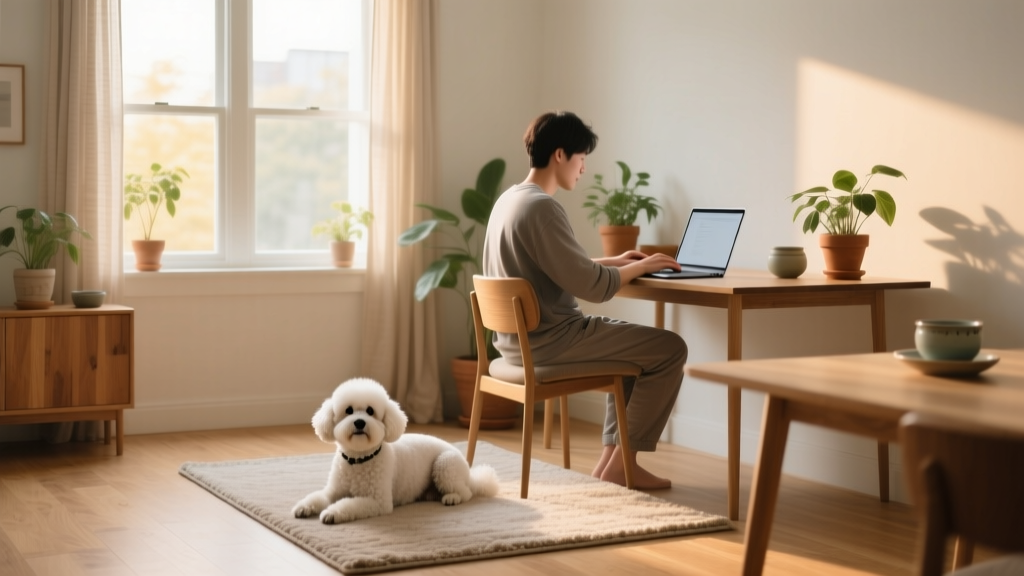
Why Does My Dog Have Hiccups? Causes, Fixes & Safe Foods to Help
Discover why your dog has hiccups, what causes them, safe human foods that may help, and when hiccups signal a vet visit.

Why Does My Dog Have Hiccups? The Quick Answer
Dog hiccups are involuntary spasms of the diaphragm — the same muscle responsible for breathing. Just like in humans, when the diaphragm contracts suddenly, the vocal cords snap shut, producing that familiar "hic" sound. In most cases, canine hiccups are harmless and self-resolving, lasting anywhere from a few seconds to 15 minutes.
Certain human foods can safely help ease your dog's hiccups when offered correctly. Small amounts of water, plain unsweetened applesauce, or a tiny taste of peanut butter (xylitol-free) may help reset the diaphragm's rhythm. However, hiccups are a symptom — not a condition you "treat" with food. If your dog's hiccups last longer than 30 minutes, occur multiple times daily, or are accompanied by vomiting, lethargy, or labored breathing, skip the kitchen and call your veterinarian immediately.
Most dog owners encounter hiccups when their pup eats too fast, drinks a large volume of water quickly, or gets overexcited during play. Puppies are especially prone — their immature diaphragms and enthusiastic eating habits make them hiccup frequently. According to the Merck Veterinary Manual, diaphragmatic spasms in dogs are typically benign but can occasionally signal underlying conditions that require professional evaluation.
Common Causes of Hiccups in Dogs
Understanding why your dog has hiccups starts with identifying the trigger. The diaphragm is a dome-shaped muscle separating the chest cavity from the abdomen, and anything that irritates it or causes rapid changes in breathing can set off a spasm.
- Eating too quickly: Dogs that inhale their food swallow excess air (aerophagia), which distends the stomach and irritates the diaphragm. This is the single most common cause.
- Drinking large amounts of water fast: Gulping water has the same air-swallowing effect.
- Excitement or stress: Rapid panting during play, greeting, or anxiety can trigger spasms.
- Temperature changes: Drinking very cold water on a hot day or eating cold food can stimulate the vagus nerve.
- Gastrointestinal irritation: Acid reflux, gas, or mild stomach upset can irritate the phrenic nerve that controls the diaphragm.
- Medications: Certain drugs, including some corticosteroids and benzodiazepines, list hiccups as a known side effect.
- Underlying medical conditions: In rare cases, persistent hiccups can indicate respiratory disease, gastric dilatation-volvulus (bloat), heartworm disease, or neurological issues.
Puppies between 8 weeks and 6 months experience hiccups far more frequently than adult dogs. Their developing nervous systems and diaphragmatic muscles are still maturing, making them more susceptible to spasms. Most puppies outgrow frequent hiccups by their first birthday.
Safe Human Foods That May Help Ease Dog Hiccups
While no food "cures" hiccups, certain options can help by encouraging slower swallowing, stimulating the vagus nerve gently, or settling mild stomach irritation that may be contributing to the spasms. Here are veterinarian-aligned options:
1. Plain Unsweetened Applesauce
Applesauce has a smooth texture that encourages slower licking and swallowing, which can help regulate breathing patterns and ease diaphragm spasms. It also contains pectin, a soluble fiber that gently coats the stomach lining.
| Dog Weight Class | Weight Range | Serving Size | Max Frequency |
|---|---|---|---|
| Toy/Small | 5–20 lb (2–9 kg) | 1 teaspoon (5 mL) | Once per episode |
| Medium | 21–50 lb (10–23 kg) | 1 tablespoon (15 mL) | Once per episode |
| Large | 51–90 lb (23–41 kg) | 2 tablespoons (30 mL) | Once per episode |
| Giant | 91+ lb (41+ kg) | 3 tablespoons (45 mL) | Once per episode |
Preparation: Use only plain, unsweetened applesauce with no added sugar, cinnamon, or artificial sweeteners. Check the label for xylitol (also listed as birch sugar) — this is highly toxic to dogs. Serve at room temperature, not cold. Organic varieties without preservatives are preferred.
2. Xylitol-Free Peanut Butter
The thick, sticky texture of peanut butter forces your dog to lick and swallow slowly, which can help reset the diaphragm's rhythm. This is the same logic behind the old human trick of swallowing a spoonful of sugar.
| Dog Weight Class | Weight Range | Serving Size | Max Frequency |
|---|---|---|---|
| Toy/Small | 5–20 lb (2–9 kg) | ½ teaspoon (2.5 mL) | Once per episode |
| Medium | 21–50 lb (10–23 kg) | 1 teaspoon (5 mL) | Once per episode |
| Large | 51–90 lb (23–41 kg) | 1 tablespoon (15 mL) | Once per episode |
| Giant | 91+ lb (41+ kg) | 1.5 tablespoons (22 mL) | Once per episode |
Preparation: Choose a peanut butter with only one or two ingredients — peanuts and optionally salt. Avoid brands containing xylitol, palm oil in excessive amounts, or added sugar. Brands like Smucker's Natural or Teddie (100% peanuts) are safe choices. Serve on a spoon or lick mat to encourage slow consumption.
3. Room-Temperature Water (Slow Offering)
Sometimes the simplest solution is the most effective. Offering small sips of room-temperature water can help relax the diaphragm. The key is slow consumption — not gulping.
| Dog Weight Class | Weight Range | Amount to Offer | Method |
|---|---|---|---|
| Toy/Small | 5–20 lb (2–9 kg) | 2–3 tablespoons (30–45 mL) | Offer in a shallow dish or syringe slowly |
| Medium | 21–50 lb (10–23 kg) | ¼ cup (60 mL) | Small bowl, limit access after a few licks |
| Large | 51–90 lb (23–41 kg) | ⅓ cup (80 mL) | Small bowl, supervise drinking pace |
| Giant | 91+ lb (41+ kg) | ½ cup (120 mL) | Small bowl, pause between laps |
4. Plain Canned Pumpkin (Not Pie Filling)
Pumpkin is rich in soluble fiber and has a soothing effect on the digestive tract. If your dog's hiccups are related to mild gastrointestinal irritation or gas, a small amount of pumpkin can help settle things.
| Dog Weight Class | Weight Range | Serving Size | Max Frequency |
|---|---|---|---|
| Toy/Small | 5–20 lb (2–9 kg) | 1 teaspoon (5 mL) | 1–2 times per day |
| Medium | 21–50 lb (10–23 kg) | 1 tablespoon (15 mL) | 1–2 times per day |
| Large | 51–90 lb (23–41 kg) | 2 tablespoons (30 mL) | 1–2 times per day |
| Giant | 91+ lb (41+ kg) | 3 tablespoons (45 mL) | 1–2 times per day |
Preparation: Use only 100% pure canned pumpkin — NOT pumpkin pie filling, which contains sugar, spices (including nutmeg, which is toxic to dogs in large quantities), and other additives. Serve at room temperature. Store opened cans in the refrigerator for up to 5 days or freeze in ice cube trays for portion-controlled servings.
Nutritional Benefits of These Hiccup-Helping Foods
While these foods are offered primarily for their texture and swallowing-mechanism benefits, they also carry nutritional value:
| Nutrient | Applesauce (plain) | Peanut Butter (natural) | Pumpkin (canned, plain) |
|---|---|---|---|
| Calories | 7 kcal | 94 kcal | 5 kcal |
| Protein | 0.03 g | 3.8 g | 0.2 g |
| Fat | 0.02 g | 8 g | 0.02 g |
| Fiber | 0.2 g | 0.9 g | 1 g |
| Vitamin A | 1 IU | 0 IU | 1,900 IU |
| Vitamin C | 0.5 mg | 0 mg | 0.7 mg |
| Potassium | 14 mg | 96 mg | 56 mg |
| Vitamin E | 0.02 mg | 1.4 mg | 0.15 mg |
Peanut butter is calorie-dense and high in fat, which is why strict portion control matters — especially for dogs prone to pancreatitis. Pumpkin is the lowest-calorie option and the richest in vitamin A and fiber, making it the best choice for dogs on weight management plans. Applesauce provides minimal nutritional benefit at safe serving sizes but works well for its texture properties.
What Happens If My Dog Eats Too Much of These Foods?
Overfeeding any of these hiccup remedies can cause problems that are worse than the hiccups themselves:
- Too much peanut butter: The high fat content (8g per tablespoon) can trigger pancreatitis in susceptible dogs. Symptoms include vomiting, abdominal pain, hunched posture, and loss of appetite — typically appearing 1–4 hours after ingestion. Chronic overfeeding contributes to obesity. Some dogs also develop allergic reactions (itching, ear infections, paw licking).
- Too much applesauce: The natural sugars (approximately 11g per cup) can cause diarrhea and blood sugar spikes. In diabetic dogs, even a tablespoon may affect glucose levels.
- Too much pumpkin: Excessive fiber intake can paradoxically cause constipation or diarrhea. Large amounts can also interfere with absorption of fat-soluble vitamins. More than 4 tablespoons daily for a large dog may lead to loose stools.
- Too much water too fast: Ironically, gulping large volumes of water can cause more hiccups, bloating, or in extreme cases (especially in deep-chested breeds), contribute to gastric dilatation.
- Hiccups persist for more than 30 minutes without stopping
- Your dog has hiccups multiple times per day for more than 2 consecutive days
- Hiccups are accompanied by vomiting, regurgitation, or drooling
- Your dog shows signs of labored breathing, coughing, or wheezing
- Your dog appears lethargic, refuses food, or seems in pain
- Hiccups begin after starting a new medication
- Your dog has a distended or bloated abdomen (potential GDV emergency — call immediately)
ASPCA Animal Poison Control: (888) 426-4435 (24/7, consultation fee applies) — call if your dog ingests peanut butter containing xylitol or any unknown substance.
Foods and Substances to Avoid When Your Dog Has Hiccups
Some well-meaning owners try human hiccup "remedies" on their dogs that are actually dangerous. Never offer these:
- Anything containing xylitol: This artificial sweetener causes rapid insulin release in dogs, leading to hypoglycemia (low blood sugar) within 10–60 minutes and potentially fatal liver failure within 24–72 hours. The toxic dose is as low as 0.05 g/kg of body weight. Check all peanut butter, sugar-free products, and "diet" foods.
- Citrus fruits or juices: Lemon juice, orange juice, and other citrus are too acidic for dogs and can cause vomiting, diarrhea, and central nervous system depression due to psoralen and essential oils.
- Honey (for puppies under 12 months): Raw honey can contain Clostridium botulinum spores, which a puppy's immature digestive system cannot handle. Botulism risk is real.
- Sugary foods or syrups: While a teaspoon of maple syrup is not toxic, the sugar content is unnecessary and can contribute to dental decay, obesity, and metabolic issues.
- Nutmeg or spiced foods: Nutmeg contains myristicin, which is toxic to dogs in quantities as small as 5 grams. Symptoms include hallucinations, increased heart rate, and seizures.
- Chocolate or cocoa: Contains theobromine — toxic to dogs at doses as low as 20 mg/kg.
- Carbonated water or soda: The carbonation introduces more gas into the stomach, potentially worsening hiccups and contributing to bloat risk in predisposed breeds.
How to Prevent Hiccups in Dogs Long-Term
If your dog is a chronic hiccupper, prevention strategies are more effective than reactive food remedies. Here are proven approaches that address the root causes:
Slow Down Mealtime
Fast eating is the number one cause of dog hiccups. Solutions include:
- Slow-feeder bowls: Products like the Outward Hound FunFeeder (approximately $8–$15 in 2026) or the Hyper Pet IQ Ball create physical barriers that force slower eating. These reduce food consumption speed by up to 10x based on manufacturer testing.
- Spread meals across multiple small bowls: Divide one meal into 3–4 small dishes placed in different locations.
- Lick mats with wet food: Spreading kibble-moistened food or safe wet food on a textured lick mat (like the Hyper Pet Lickimat, $7–$12) extends mealtime to 10–15 minutes.
- Puzzle feeders: Kong Wobbler ($15–$20) or similar dispensing toys make your dog work for each piece of kibble.
Manage Water Intake
Offer water in smaller, more frequent amounts rather than allowing unlimited access to a full bowl after exercise. For dogs that gulp, try a no-spill water bowl with a floating disk that limits the amount available per lap.
Reduce Excitement-Triggered Episodes
If your dog hiccups after vigorous play or greeting you at the door, practice calm-entry routines. Ask your dog to sit and wait before engaging. This reduces the rapid panting that triggers diaphragmatic spasms. Positive reinforcement training — rewarding calm behavior with treats and praise — is the recommended approach per the American Kennel Club's training guidelines.
When to See the Vet About Your Dog's Hiccups
Most hiccups are not a veterinary concern. However, persistent or recurrent hiccups can be a symptom of something more serious. Your veterinarian will want to rule out:
- Gastric dilatation-volvulus (GDV/bloat): A life-threatening emergency most common in deep-chested breeds (Great Danes, German Shepherds, Standard Poodles). Hiccups combined with a distended abdomen, unproductive retching, and restlessness require immediate emergency care. GDV treatment costs typically range from $3,000–$7,000 for surgery and hospitalization.
- Respiratory conditions: Kennel cough (Bordetella), pneumonia, or tracheal collapse can cause diaphragmatic irritation. The AVMA notes that persistent coughing and respiratory symptoms should always receive veterinary evaluation.
- Heartworm disease: Advanced heartworm infection can cause diaphragmatic irritation. Preventive medications (typically $5–$18/month) are far more cost-effective than treatment ($1,000–$3,000+).
- Acid reflux or esophagitis: Chronic gastrointestinal irritation can stimulate the vagus and phrenic nerves. Your vet may recommend a bland diet trial, antacid medication (famotidine at 0.5 mg/kg twice daily — prescribed only by your vet), or diagnostic imaging.
- Neurological issues: In rare cases, central nervous system disorders can manifest as persistent hiccups. This is more common in older dogs and typically accompanied by other neurological signs.
For a standard veterinary visit to evaluate persistent hiccups, expect costs of $75–$200 for the office exam, with additional diagnostics (bloodwork at $100–$250, chest X-rays at $150–$350) if your vet recommends them. Always consult your veterinarian before trying any home remedy or making dietary changes, especially if your dog has existing health conditions.
Frequently Asked Questions About Dog Hiccups
Can dogs eat peanut butter to stop hiccups?
Yes — a small amount of xylitol-free, natural peanut butter can help by encouraging slow licking and swallowing, which may reset the diaphragm's rhythm. Use the serving sizes listed above and always verify the ingredient list for xylitol before offering. Never use peanut butter as a daily hiccup treatment due to its high fat content.
How much food can I give my dog during a hiccup episode?
Keep portions minimal — we're talking teaspoons for small dogs and no more than 1–2 tablespoons for large breeds. The goal is a small sensory distraction, not a snack. Overfeeding during hiccups can cause your dog to gulp more air, worsening the problem.
Is it normal for puppies to get hiccups every day?
Yes, daily hiccups are very common in puppies under 6 months. Their developing diaphragms and nervous systems make them more susceptible. Most puppies outgrow frequent hiccups by 12 months. If your puppy's hiccups last more than 30 minutes or seem to cause distress, consult your veterinarian.
Are there dogs who should not eat these hiccup-helping foods?
Yes. Dogs with pancreatitis or a history of pancreatitis should avoid peanut butter entirely due to its fat content. Diabetic dogs should skip applesauce because of its natural sugar content. Dogs with known food allergies (commonly to peanuts or other legumes) should avoid the relevant trigger. Dogs on sodium-restricted diets should only consume unsalted peanut butter. Always consult your veterinarian before introducing new foods to dogs with chronic conditions.
How should I prepare these foods for my dog?
All foods should be served at room temperature — cold foods can trigger more spasms. Use plain, unseasoned, single-ingredient versions. No added sugar, salt, spices, or artificial sweeteners. For peanut butter, spread a small amount on a lick mat or spoon. For pumpkin and applesauce, serve from a clean spoon or small dish. Discard any uneaten portions after 20 minutes.
What if my dog's hiccups don't go away after trying these foods?
If hiccups persist beyond 30 minutes despite trying gentle food remedies and calm reassurance, stop offering food and monitor your dog closely. If they continue past 1 hour, or if you notice any other symptoms (vomiting, lethargy, bloating, difficulty breathing), contact your veterinarian or an emergency clinic immediately. Persistent hiccups may require veterinary intervention including anti-nausea medication, muscle relaxants, or diagnostic imaging.
Anouk Beaumont
All our authors care for dogs every day — read more of their work on the authors page.