Why Does My Dog Have Dandruff? Causes, Treatments & Vet Guide
Wondering why your dog has dandruff? Learn the top causes, symptoms by severity, vet diagnosis steps, treatment costs, and home care tips.
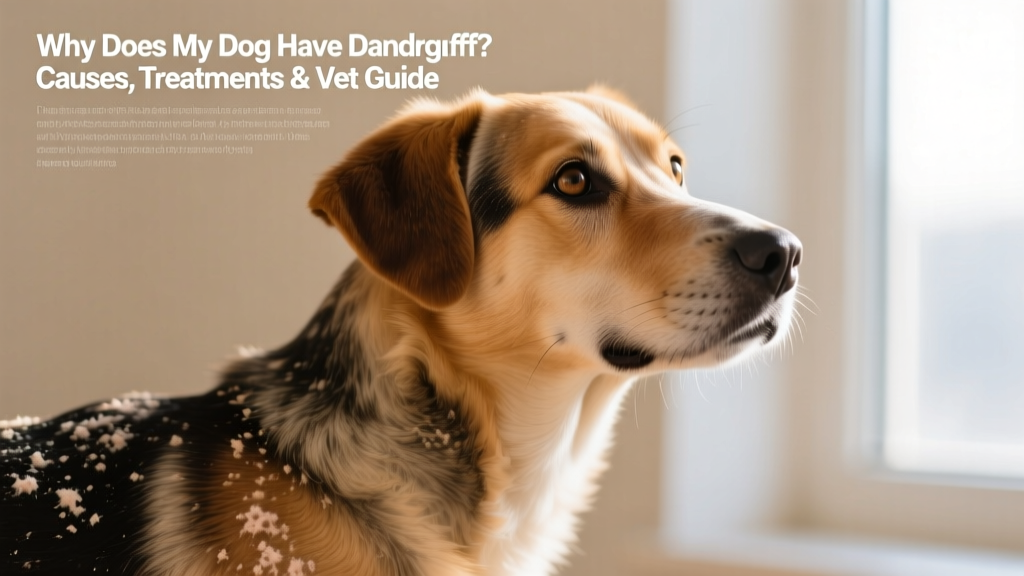
If you've been noticing white flakes on your dog's coat, bedding, or your furniture, you're not alone — and you're right to investigate. Canine dandruff, clinically known as seborrhea, is one of the most common dermatological complaints in veterinary medicine. According to the Merck Veterinary Manual, seborrhea affects dogs of all breeds and ages, though certain genetic lines and underlying health conditions make some dogs far more susceptible than others.
At its core, canine dandruff is an abnormality in skin cell turnover and oil (sebum) production. Healthy skin sheds dead cells invisibly; when this process accelerates or the skin becomes too dry or too oily, those cells clump into visible flakes. Seborrhea comes in two primary forms: seborrhea sicca (dry, flaky skin) and seborrhea oleosa (oily, greasy skin with a distinctive odor). A third category — secondary seborrhea — develops as a symptom of an underlying disease such as hypothyroidism, Cushing's disease, or parasitic infestation.
Understanding why your dog has dandruff starts with identifying which form is present and what's driving it. This guide walks you through the full diagnostic and treatment process so you can work with your veterinarian to get your dog's skin back to health.
What Is Canine Dandruff (Seborrhea) in Dogs?
Canine seborrhea is a keratinization disorder — a disruption in how the skin produces and sheds its outermost layer. The epidermis normally replaces itself every 21-28 days in healthy dogs. In seborrheic dogs, this cycle can accelerate to as little as 7-10 days, causing immature skin cells to reach the surface and flake off in visible sheets or particles.
Primary (idiopathic) seborrhea is an inherited condition, meaning it occurs without an identifiable underlying disease. Secondary seborrhea is far more common and results from another problem disrupting skin health. Common secondary triggers include:
- Endocrine disorders: Hypothyroidism and hyperadrenocorticism (Cushing's disease) alter hormone levels that regulate skin cell turnover and sebum production.
- Parasitic infestations: Cheyletiella mites (nicknamed "walking dandruff"), Demodex mites, and Sarcoptes mites all cause flaking as a primary symptom.
- Allergic skin disease: Environmental allergies (atopic dermatitis) and food allergies trigger inflammatory cascades that disrupt the skin barrier.
- Nutritional deficiencies: Diets lacking essential fatty acids (particularly omega-3 and omega-6), zinc, or vitamin A impair skin integrity.
- Environmental factors: Low humidity (especially forced-air heating in winter), over-bathing with harsh shampoos, and dry indoor air strip natural oils.
- Infections: Malassezia yeast overgrowth and secondary bacterial pyoderma create flaking, redness, and odor.
Risk Factors for Canine Dandruff
| Factor | Details |
|---|---|
| Breed Predisposition | American Cocker Spaniels, English Springer Spaniels, Basset Hounds, West Highland White Terriers, Dachshunds, Labrador Retrievers, Shar-Peis, and German Shepherds show higher rates of primary seborrhea. |
| Age | Primary seborrhea often appears in dogs under 2 years old. Secondary seborrhea is more common in middle-aged to senior dogs (7+ years) due to increased prevalence of endocrine disease. |
| Weight | Obese dogs have difficulty grooming hard-to-reach areas, allowing dead skin and oils to accumulate. Obesity also increases systemic inflammation. |
| Environment | Dogs in arid climates or homes with forced-air heating and humidity below 30% are at elevated risk for seborrhea sicca. |
| Genetics | Primary idiopathic seborrhea is heritable. Dogs with affected parents or littermates are at higher risk. |
| Diet Quality | Low-quality commercial diets or unbalanced homemade diets deficient in linoleic acid, EPA/DHA, or zinc predispose dogs to flaky skin. |
Symptoms of Dandruff in Dogs: Early Warning Signs vs. Advanced Signs
Catching dandruff early makes treatment simpler and less expensive. Use this checklist to assess your dog's current condition and communicate effectively with your vet.
| Severity | Symptom | What to Look For |
|---|---|---|
| Early / Mild | Occasional white flakes | Small, dry flakes visible on the back, shoulders, or base of tail when you part the fur. |
| Mild itching | Dog scratches or nibbles at skin occasionally but not obsessively. | |
| Dull coat | Fur loses its normal sheen and may feel slightly coarse or dry. | |
| Flakes on bedding | White specks on dark blankets, furniture, or your clothing after contact. | |
| Moderate | Persistent, widespread flaking | Flakes visible across the back, flanks, and belly; reappear within hours of brushing. |
| Redness or irritation | Pink or red patches visible on the skin, especially in skin folds, armpits, or groin. | |
| Increased scratching/licking | Dog licks paws, scratches ears, or rubs body against furniture frequently. | |
| Greasy or waxy patches | Coat feels oily to the touch; may have a yellowish tint, especially behind ears and on the belly. | |
| Advanced / Severe | Strong, musty or yeasty odor | Distinctive smell often described as corn chips, cheese, or damp bread — indicates Malassezia overgrowth. |
| Hair loss (alopecia) | Thinning or bald patches, often symmetrical if endocrine-related or patchy if parasitic/allergic. | |
| Crusting and scabbing | Yellow or brown crusts on the skin surface; may indicate secondary bacterial pyoderma. | |
| Skin thickening | Hyperpigmentation (darkening) and lichenification (thick, leathery skin) — signs of chronic inflammation. |
How Veterinarians Diagnose the Cause of Canine Dandruff
Because dandruff is a symptom rather than a single disease, your veterinarian's job is to identify the root cause. Expect a systematic diagnostic process that may involve several visits. Here's what typically happens:
Typical Diagnostic Workup for Canine Seborrhea
- Complete History & Physical Exam ($65–$120 office visit)
Your vet will ask about diet, bathing frequency, product use, environment, parasite prevention, and symptom timeline. A thorough physical exam checks for parasites, skin fold issues, ear infections, and body condition score. - Skin Cytology — Tape Prep or Impression Smear ($40–$80)
Clear tape is pressed against the skin and examined under a microscope for yeast (Malassezia), bacteria (Staphylococcus), and inflammatory cells. Results are available same-day. - Superficial Skin Scraping ($30–$60)
A scalpel blade gently scrapes the skin surface to check for Cheyletiella mites, Demodex, and Sarcoptes. This is critical because "walking dandruff" (Cheyletiella) is frequently misidentified as simple dry skin. - Fungal Culture / Wood's Lamp Exam ($45–$90)
If ringworm (dermatophytosis) is suspected — especially in puppies, shelter dogs, or immunocompromised dogs — a fungal culture is sent to a lab. Results take 10-21 days. - Complete Blood Count & Chemistry Panel ($120–$250)
Blood work screens for hypothyroidism (low T4), Cushing's disease (elevated ALP, cortisol), diabetes, and liver or kidney dysfunction. A total T4 test is a routine screening; a free T4 by equilibrium dialysis or full thyroid panel ($150–$300) may follow if results are borderline. - Allergy Testing — if indicated ($300–$900+)
If parasites, endocrine disease, and infections are ruled out, your vet may recommend intradermal skin testing (performed by a veterinary dermatologist) or serum IgE allergy testing to identify environmental allergens. Food elimination trials (8-12 weeks with a prescription novel-protein or hydrolyzed diet) are the gold standard for diagnosing food allergies. - Skin Biopsy — if indicated ($250–$600 including lab fees)
In cases that don't respond to initial treatment or where autoimmune disease, cutaneous lymphoma, or sebaceous adenitis is suspected, a punch biopsy is sent to a veterinary dermatopathologist.
Total diagnostic costs typically range from $200 to $500 for straightforward cases and $800 to $2,000+ when allergy testing or biopsies are required. Pet insurance with illness coverage can reimburse 70-90% of these costs depending on your plan.
Which Dog Breeds Are Most Prone to Dandruff?
While any dog can develop seborrhea, certain breeds carry genetic predispositions to primary keratinization disorders or conditions that trigger secondary dandruff:
| Breed | Common Form | Notes |
|---|---|---|
| American Cocker Spaniel | Primary seborrhea (oleosa) | One of the most affected breeds; often appears before 2 years of age. Also prone to ear infections that compound skin issues. |
| English Springer Spaniel | Primary seborrhea | Hereditary keratinization defect documented in breed lines. |
| West Highland White Terrier | Primary seborrhea + atopic dermatitis | "Westie Armadillo Syndrome" (epidermal dysplasia) causes severe scaling and secondary yeast infections. |
| Basset Hound | Primary seborrhea (oleosa) | Heavy skin folds trap oils and yeast; characteristic musty odor is common. |
| Shar-Pei | Primary seborrhea + mucinosis | Excessive skin folds and breed-specific mucin deposits predispose to severe skin fold dermatitis. |
| Dachshund | Primary seborrhea | Documented hereditary seborrhea, often appearing in puppyhood. |
| German Shepherd | Secondary seborrhea | High rates of allergies, hypothyroidism, and sebaceous adenitis contribute to chronic flaking. |
| Labrador Retriever | Secondary seborrhea | Atopic dermatitis and food allergies are common triggers; obesity compounds the problem. |
Treatment Options for Dog Dandruff: Medical, Topical, and Supportive Care
Treatment depends entirely on the underlying cause. There is no single "dandruff cure" — but most cases are highly manageable with the right combination of therapies. Here's a comparison of the main treatment pathways:
| Treatment | Indication | Typical Cost | Timeline to Improvement | Success Rate |
|---|---|---|---|---|
| Medicated shampoos (chlorhexidine, ketoconazole, salicylic acid, coal tar, sulfur) | All forms — cornerstone of topical management | $12–$35 per bottle (8–16 oz) | 2–4 weeks with 2–3x/week bathing | Effective for symptom control in 80%+ of cases when used correctly |
| Omega fatty acid supplements (fish oil EPA/DHA, evening primrose oil) | Dry seborrhea (sicca), nutritional deficiency, general skin barrier support | $15–$45/month depending on dog size | 6–12 weeks for visible coat improvement | Moderate evidence; works best as adjunct therapy |
| Antiparasitic treatment (isoxazolines: Simparica Trio, Bravecto, NexGard; lime sulfur dips) | Cheyletiella, Demodex, Sarcoptes mites | $25–$65/month for oral preventives; $15–$30 per lime sulfur dip | 2–6 weeks; 3–4 doses typically needed | 90–95% cure rate for parasitic causes |
| Antifungal therapy (oral ketoconazole, itraconazole; topical miconazole/chlorhexidine) | Malassezia yeast overgrowth, ringworm | $20–$80/month for oral antifungals depending on dog weight | 3–6 weeks for yeast; 6–12 weeks for ringworm | 85–95% with combined oral + topical therapy |
| Antibiotic therapy (oral cephalexin, amoxicillin-clavulanate; topical mupirocin) | Secondary bacterial pyoderma | $15–$60 per course (2–6 weeks) | 1–2 weeks for initial improvement; full course 3–6 weeks | High when culture-guided; resistance possible with repeated empiric use |
| Thyroid hormone replacement (levothyroxine — Soloxine, Thyro-Tabs) | Hypothyroidism | $15–$40/month (lifetime medication) | 4–8 weeks for skin improvement | Excellent — most dogs show significant coat improvement within 2–3 months |
| Allergy management (Apoquel/oclacitinib, Cytopoint/lokivetmab, allergen-specific immunotherapy) | Atopic dermatitis, food allergy (after elimination trial) | Apoquel: $40–$120/month; Cytopoint: $65–$200 per injection (4–8 weeks); ASIT: $250–$500/year | Apoquel/Cytopoint: 1–7 days; ASIT: 3–12 months | Apoquel effective in ~80% of dogs; Cytopoint in ~75%; ASIT in 60–75% |
Your veterinarian will determine the appropriate treatment protocol based on diagnostic results. Never start medicated shampoos or supplements without a diagnosis — using the wrong product (e.g., a degreasing shampoo on a dog with seborrhea sicca) can worsen the condition.
Prognosis and Life Expectancy for Dogs With Dandruff
The prognosis for canine dandruff depends entirely on the underlying cause. Dandruff itself is not life-threatening, but the conditions driving it range from easily managed to chronic and progressive.
| Underlying Cause | Prognosis | Life Expectancy Impact | Long-Term Outlook |
|---|---|---|---|
| Environmental / nutritional | Excellent | None — normal lifespan | Fully reversible with humidity control, diet correction, and proper grooming. |
| Parasitic (Cheyletiella, Demodex) | Excellent to good | None when treated | Curable in most cases. Demodex in adult dogs may indicate immune compromise requiring further workup. |
| Yeast/bacterial infection (secondary) | Good | None when underlying cause managed | Infections clear with treatment but recur if the root cause (allergies, endocrine disease) isn't addressed. |
| Hypothyroidism | Good with treatment | Normal lifespan with lifelong levothyroxine | Requires lifetime medication and periodic T4 monitoring (every 6-12 months). Skin improves significantly within 2-3 months of proper dosing. |
| Allergic dermatitis | Good with ongoing management | Normal lifespan | Chronic condition requiring long-term management. Most dogs achieve good comfort with multimodal therapy (diet, medication, allergen avoidance). |
| Cushing's disease (hyperadrenocorticism) | Guarded to fair | Average 2–3 years post-diagnosis with treatment (varies widely) | Requires lifelong trilostane or mitotane therapy. Skin symptoms improve but may not fully resolve. Regular monitoring essential. |
| Sebaceous adenitis | Fair (chronic, manageable) | Generally normal lifespan | Immune-mediated destruction of sebaceous glands. Requires lifelong topical therapy and sometimes cyclosporine. Progressive but not fatal. |
| Cutaneous lymphoma (rare) | Poor | 6–18 months with treatment | Rare cause of scaling. Requires biopsy for diagnosis. Chemotherapy may provide palliation but is rarely curative. |
Home Care and Daily Management for Dogs With Dandruff
Once your vet has diagnosed the cause and initiated treatment, your daily management routine plays a major role in your dog's recovery. Here are practical, specific steps:
Bathing Protocol
- Frequency: During active treatment, bathe 2–3 times per week. Once controlled, reduce to every 1–2 weeks for maintenance.
- Water temperature: Lukewarm only (85–95°F / 29–35°C). Hot water strips oils and worsens dryness.
- Contact time: Medicated shampoos must remain on the skin for 10–15 minutes before rinsing. Set a timer. This is the single most common reason medicated shampoos fail — owners rinse too quickly.
- Product selection: Use only the shampoo your vet recommends. Common active ingredients include chlorhexidine 2–4% (antibacterial), ketoconazole 1–2% (antifungal), salicylic acid (keratolytic/exfoliant), sulfur (antibacterial, keratolytic), and coal tar (for severe seborrhea oleosa — note: coal tar is toxic to cats, so use caution in multi-pet households).
- Conditioner: Follow with a veterinary-formulated moisturizing conditioner containing colloidal oatmeal, aloe, or ceramides to restore the skin barrier.
Nutrition and Supplements
- Diet audit: Ensure your dog's food meets AAFCO nutritional standards for their life stage. Look for a named protein source as the first ingredient and guaranteed analysis showing adequate fat (minimum 5.5% for adult maintenance).
- Omega-3 supplementation: The recommended dose of combined EPA + DHA for canine skin disease is 50–100 mg per kg of body weight per day. For a 50 lb (23 kg) dog, that's approximately 1,150–2,300 mg combined EPA/DHA daily. Choose a fish oil product with a Certificate of Analysis (COA) verifying potency and purity. Brands like Nordic Naturals Pet, Grizzly Salmon Oil, and Welactin Canine provide quality-controlled options ($15–$45/month).
- Zinc: Some breeds (Siberian Huskies, Alaskan Malamutes) develop zinc-responsive dermatosis. Do not supplement zinc without veterinary guidance — excess zinc causes copper deficiency and GI upset.
Environmental Modifications
- Humidity: Maintain indoor humidity between 40–55%. A whole-house humidifier or room humidifier ($30–$80) in your dog's primary sleeping area can dramatically improve seborrhea sicca, especially from November through March in heated homes.
- Grooming: Brush your dog 3–5 times per week with a slicker brush or grooming rake to distribute natural oils and remove dead skin before it flakes. For short-coated breeds, a rubber curry brush works well.
- Bedding: Wash dog bedding weekly in fragrance-free, hypoallergenic detergent. Avoid fabric softeners and dryer sheets, which leave residue that can irritate compromised skin.
Monitoring
Keep a simple skin journal: photograph affected areas weekly in consistent lighting, note itching frequency (mild/moderate/severe), and track any changes in odor or coat texture. Share these records with your vet at follow-up appointments — they provide objective data on treatment response.
🚨 When to See the Vet Immediately
Contact your veterinarian promptly if your dog's dandruff is accompanied by any of these red-flag symptoms:
- Rapidly spreading hair loss — bald patches appearing over days, not weeks
- Open sores, bleeding, or oozing lesions — indicates deep pyoderma or autoimmune disease
- Intense, non-stop scratching or self-mutilation — dog cannot settle, is causing wounds
- Severe lethargy, weight changes, or increased thirst/urination — suggests systemic endocrine disease (hypothyroidism, Cushing's, diabetes)
- Moving flakes — if the "dandruff" appears to move on its own, this is almost certainly Cheyletiella mites ("walking dandruff"), which is contagious to other pets and occasionally to humans
- Crusting around the eyes, nose, or paw pads — may indicate pemphigus or zinc-responsive dermatosis
- No improvement after 4 weeks of consistent home care and OTC products — a veterinary diagnosis is essential
For suspected toxic ingestion related to grooming products or essential oils, contact the ASPCA Animal Poison Control Center at (888) 426-4435 (24/7, consultation fee applies).
How Much Does Dandruff Treatment Cost in Dogs?
Budgeting for canine dandruff treatment depends on the complexity of the case. Here's a realistic breakdown based on 2025-2026 veterinary pricing:
| Scenario | Initial Diagnosis | Monthly Ongoing Cost | First-Year Total |
|---|---|---|---|
| Simple case (environmental/nutritional) | $100–$200 (exam + skin cytology) | $20–$50 (shampoo + supplements) | $340–$800 |
| Moderate case (parasitic, yeast, or bacterial) | $200–$450 (exam + cytology + scraping + possible culture) | $30–$80 (medications + shampoo) | $560–$1,410 |
| Complex case (endocrine, allergy, autoimmune) | $500–$2,000+ (blood work, allergy testing, possible biopsy) | $60–$250 (lifetime medication + monitoring) | $1,220–$5,000+ |
If your dog requires referral to a veterinary dermatologist (ACVD-board-certified), expect a consultation fee of $200–$400 plus diagnostic costs. Wait times for dermatology referrals can be 4–12 weeks in many areas, so ask your primary vet about interim management strategies.
Prevention: Keeping Your Dog's Skin Healthy Long-Term
Not all causes of dandruff are preventable — primary genetic seborrhea, for example, is managed rather than prevented. But many cases can be avoided with proactive care:
- Year-round parasite prevention: Use an isoxazoline-class preventive (Simparica Trio, Bravecto, NexGard, Credelio) consistently. These products prevent Cheyletiella and Sarcoptes in addition to fleas and ticks. Cost: $150–$300/year.
- Feed a complete and balanced diet: Choose foods that meet AAFCO nutrient profiles and include adequate fat and essential fatty acids. Avoid fad diets (extremely low-fat, single-ingredient homemade diets without veterinary nutritionist formulation).
- Don't over-bathe: For healthy dogs, bathing more than once every 2–4 weeks with any shampoo can disrupt the skin barrier. Use only veterinary-formulated, pH-balanced shampoos — human shampoos are too acidic for canine skin (canine skin pH is 6.2–7.4 vs. human skin at 4.5–5.5).
- Maintain indoor humidity: A hygrometer ($10–$20) lets you monitor humidity levels. Keep them above 35% during heating season.
- Regular grooming: Brushing distributes sebum across the coat, prevents matting that traps moisture and debris, and lets you spot skin changes early.
- Annual veterinary wellness exams: Blood work at annual visits catches hypothyroidism and early Cushing's disease before skin symptoms become severe. According to the AVMA, preventive care visits are the most effective way to catch chronic conditions early.
Frequently Asked Questions About Dog Dandruff
Can I use human anti-dandruff shampoo on my dog?
It's not recommended. Human anti-dandruff shampoos like Head & Shoulders (zinc pyrithione) are formulated for human skin pH and can disrupt your dog's acid mantle. Some contain ingredients like selenium sulfide that are irritating to canine skin, and others contain xylitol or essential oils that are toxic if licked. Stick to veterinary-formulated products designed for canine skin pH (6.2–7.4).
Is dog dandruff contagious to humans or other pets?
Simple seborrhea (dry skin, allergic, endocrine-related) is not contagious. However, Cheyletiella mites ("walking dandruff") are contagious to other dogs, cats, and occasionally humans (causing temporary itchy bumps). Ringworm (dermatophytosis) is zoonotic and can spread to humans. If you suspect either, isolate your dog and see your vet promptly.
Does coconut oil help dog dandruff?
Topical virgin coconut oil has demonstrated some antibacterial and moisturizing properties in limited studies, and it's generally safe for external use on dogs. Apply a small amount (1/4 teaspoon for a small dog, 1 teaspoon for a large dog) to affected areas and massage gently. However, coconut oil is not a substitute for veterinary diagnosis and treatment. It does not address parasites, infections, or endocrine disease. Additionally, dogs will lick it off — the calories add up (1 teaspoon = ~40 calories), which matters for overweight dogs.
Why does my dog have dandruff after a bath?
Post-bath flaking typically means the shampoo stripped too much oil, the water was too hot, or the product wasn't fully rinsed. Switch to a moisturizing, soap-free canine shampoo, use lukewarm water, rinse for twice as long as you think necessary, and follow with a canine conditioner. If flaking persists, your dog may have underlying seborrhea sicca that needs veterinary evaluation.
Can changing my dog's food eliminate dandruff?
If the dandruff is caused by nutritional deficiency or food allergy, yes — a diet change can be transformative. A veterinary-supervised food elimination trial (8–12 weeks on a hydrolyzed protein diet like Hill's z/d or Royal Canin Hydrolyzed Protein) is the only reliable way to diagnose food allergy. Don't switch foods randomly; inconsistent trials make diagnosis harder. For simple nutritional gaps, upgrading to a higher-quality complete-and-balanced diet with adequate fat (≥8% on a dry matter basis) and omega fatty acids often improves skin within 6–12 weeks.
My dog has dandruff but doesn't itch — is that normal?
Non-itchy dandruff is most commonly associated with environmental dryness, nutritional deficiency, or early endocrine disease (hypothyroidism often causes flaking and hair loss before itching begins). It can also indicate primary idiopathic seborrhea. While less urgent than itchy, inflamed skin, non-itchy dandruff that persists for more than 3–4 weeks still warrants a veterinary visit to rule out underlying conditions.
Disclaimer: This article is for informational purposes and does not replace professional veterinary advice. Always consult your veterinarian before starting any treatment, medication, or supplement for your dog. Skin conditions can have complex, overlapping causes that require professional diagnosis. If your dog's symptoms worsen or fail to improve with initial care, schedule a veterinary appointment promptly.
Aaron Whyte
All our authors care for dogs every day — read more of their work on the authors page.


