Why Does a Dog Eat Grass? Safety, Nutrition & When to Worry
Why does a dog eat grass? Learn if grass is safe for dogs, nutritional benefits, risks, serving guidance, and when this common behavior signals a vet visit.
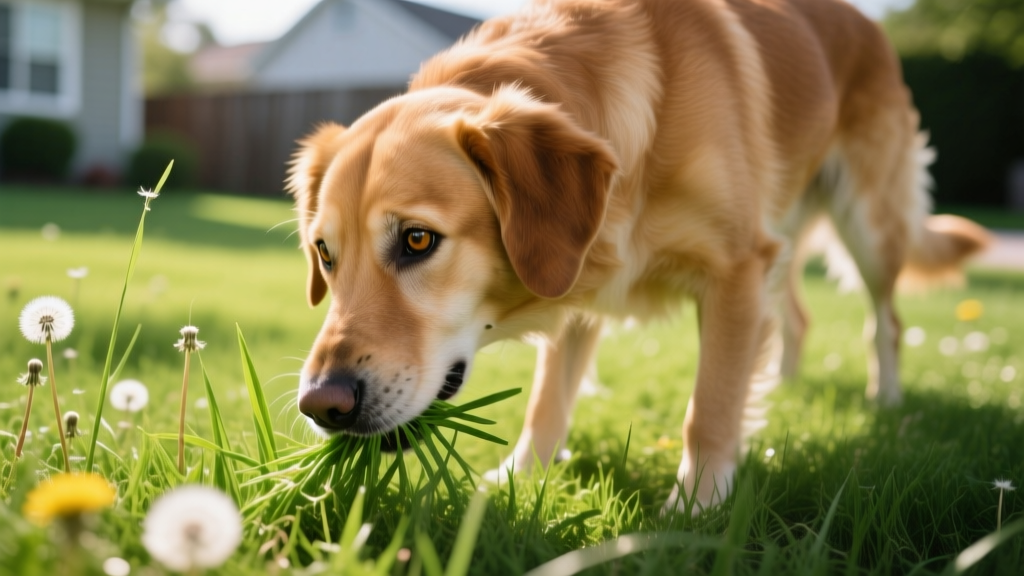
Can Dogs Eat Grass? The Direct Answer
A 2008 study published in Applied Animal Behaviour Science found that 68% of dog owners reported their dogs eating grass or other plants on a daily or weekly basis. Importantly, only 22% of those dogs showed signs of illness beforehand, and just 8% vomited afterward — debunking the persistent myth that dogs eat grass solely to make themselves sick.
If you've caught your dog grazing on the lawn and wondered whether to intervene, you're not alone. This is one of the most common questions veterinarians field from dog owners. The short answer: most grass-eating is normal canine behavior. But there are specific scenarios where it warrants concern, and preparation matters more than most owners realize.
Why Does a Dog Eat Grass? The Science Behind the Behavior
Understanding the motivation helps you determine whether the behavior is benign or a symptom of something deeper. Veterinary behaviorists and the American Kennel Club identify several evidence-backed reasons:
1. Instinctual Foraging Behavior
Dogs are opportunistic omnivores descended from wolves who consumed the stomach contents of herbivorous prey — including partially digested grasses and plants. This ancestral behavior persists in domestic dogs as a natural foraging impulse. Your dog isn't necessarily "sick" — they may simply be expressing an evolved dietary preference for roughage.
2. Dietary Fiber Supplementation
Grass provides insoluble fiber that can aid digestive motility. Dogs on low-fiber commercial diets may instinctively seek out grass to add bulk to their stool. A study from UC Davis School of Veterinary Medicine observed that dogs fed diets lower in fiber were more likely to consume grass regularly.
3. Nausea or Gastrointestinal Discomfort
While not the primary driver for most dogs, some dogs do eat grass when experiencing mild GI upset. The rough texture of grass blades can tickle the throat and stomach lining, potentially triggering a vomiting reflex that relieves discomfort. If your dog eats grass frantically, gulps large amounts, and then vomits, this pattern suggests self-medication rather than casual grazing.
4. Boredom or Anxiety
Dogs left alone in yards for extended periods may eat grass as a displacement behavior — similar to how some dogs lick their paws when stressed. High-energy breeds without adequate mental stimulation (Border Collies, Australian Shepherds, Belgian Malinois) are particularly prone to this.
5. Pica or Nutritional Deficiency
In rare cases, compulsive grass-eating (or eating dirt, rocks, or non-food items) can signal pica — a condition linked to nutritional deficiencies, anemia, or metabolic disorders. If your dog is obsessively consuming grass to the exclusion of normal activities, consult your veterinarian.
Is Grass Nutritionally Good for Dogs?
Grass offers modest nutritional value for dogs. While it won't replace a balanced diet, it does contribute specific micronutrients and functional compounds:
| Nutrient | Approximate Amount | Benefit for Dogs |
|---|---|---|
| Insoluble Fiber | 1.5 – 2.0 g | Promotes bowel regularity, adds stool bulk |
| Chlorophyll | 15 – 25 mg | Mild antioxidant properties, supports oral health |
| Vitamin K | 10 – 15 mcg | Blood clotting factor synthesis |
| Vitamin A (beta-carotene) | 50 – 80 IU | Vision, immune function, skin health |
| Folate (Vitamin B9) | 5 – 8 mcg | Cell division, red blood cell production |
| Potassium | 20 – 30 mg | Electrolyte balance, muscle function |
| Calcium | 8 – 12 mg | Bone maintenance (negligible contribution) |
Important context: Dogs lack the cellulase enzyme needed to break down cellulose — the primary structural component of grass. This means they extract far fewer nutrients from grass than herbivores do. Much of the nutritional content passes through undigested. The fiber benefit is the most functionally relevant component.
Safe Serving Size: How Much Grass Can I Give My Dog?
Since grass isn't a controlled food item like carrots or blueberries, "serving size" is about setting boundaries rather than measuring portions. Here's a practical framework based on dog weight and tolerance:
| Dog Weight Class | Weight Range | Safe Daily Limit | Max Frequency |
|---|---|---|---|
| Small (Toy/Small breeds) | 5 – 20 lb / 2 – 9 kg | 5 – 10 blades (~1 teaspoon chopped) | Once daily |
| Medium breeds | 21 – 50 lb / 10 – 23 kg | 10 – 20 blades (~1 tablespoon chopped) | Once to twice daily |
| Large breeds | 51 – 90 lb / 23 – 41 kg | 15 – 30 blades (~2 tablespoons chopped) | Once to twice daily |
| Giant breeds | 91+ lb / 41+ kg | 20 – 40 blades (~3 tablespoons chopped) | Once to twice daily |
These limits assume the grass is clean, untreated, and fresh. If your dog exceeds these amounts regularly, the primary concern isn't toxicity — it's that excessive roughage can cause loose stools, and compulsive grazing may signal an underlying dietary gap or behavioral issue.
How to Prepare Grass Safely for Your Dog
If you want to offer grass intentionally rather than letting your dog graze on unknown surfaces, follow these preparation steps:
- Grow your own dog-safe grass indoors. Purchase wheatgrass, oat grass, or barley grass seeds (available as "cat grass" kits at pet stores for $5–$12). These are guaranteed untreated and pesticide-free.
- Harvest fresh. Cut grass blades with clean scissors when they reach 4–6 inches tall. Avoid pulling up roots, which can carry soil-borne parasites.
- Rinse thoroughly. Wash clippings under cool running water to remove dust, pollen, and potential contaminants.
- Serve raw and unseasoned. Never cook, salt, butter, or add any seasoning to grass. Dogs should receive it plain.
- Chop for small dogs. For dogs under 20 lb, chop grass into 1-inch pieces to reduce choking risk and improve digestibility.
- Discard uneaten portions after 2 hours. Fresh-cut grass wilts and can harbor bacterial growth if left at room temperature.
Never feed lawn clippings from a mower. Mower-cut grass ferments rapidly (within 1–2 hours in warm weather), producing molds and bacteria that can cause serious GI upset. The heat from mower blades also begins breaking down cell walls in a way that accelerates spoilage.
Potential Risks and Side Effects
While grass itself isn't toxic, the associated risks are where most dog owners get into trouble:
Pesticide and Herbicide Exposure
This is the single greatest danger. Lawn chemicals like 2,4-D, glyphosate, and organophosphate-based pesticides are directly linked to canine lymphoma and bladder cancer. A study from Tufts University found that dogs exposed to herbicide-treated lawns had a 7-fold higher risk of developing bladder cancer compared to dogs in untreated environments. Even "pet-safe" labeled products require a 24–72 hour drying/curing period before dogs should contact treated grass.
Parasite Transmission
Grass in public parks and yards where other animals defecate can harbor roundworm eggs, hookworm larvae, and Giardia cysts. These parasites attach to grass blades and survive for weeks in moist conditions. Dogs grazing in contaminated areas face direct oral exposure.
Foreign Body Obstruction
Long grass blades can lodge in a dog's throat, nasal passages, or — in rare cases — cause linear foreign body obstruction in the intestines. This risk is highest with dogs that gulp grass rapidly without chewing. Brachycephalic breeds (Pugs, French Bulldogs, Bulldogs) are at elevated risk due to their shortened airway anatomy.
Foxtail and Grass Awn Danger
Dried grasses, particularly foxtails (common in western US states), produce barbed seed heads that can embed in a dog's ears, nose, eyes, paw pads, and throat. These require veterinary removal and can migrate internally, causing abscesses or organ damage. Foxtail season typically runs May through December in affected regions.
Digestive Upset
Excessive grass consumption commonly causes vomiting, diarrhea, or soft stools. This is usually self-limiting within 12–24 hours but can be problematic for dogs with pre-existing GI conditions like inflammatory bowel disease (IBD) or food sensitivities.
Related Foods and Plants to Avoid
If your dog enjoys grazing on greenery, be aware of look-alike plants and related items that are dangerous:
| Plant / Item | Safety Verdict | Key Risk |
|---|---|---|
| Untreated lawn grass (fescue, Bermuda, Kentucky bluegrass) | Safe in small amounts | Parasites if area is contaminated |
| Wheatgrass / oat grass (homegrown) | Safe — recommended option | Overconsumption causes loose stools |
| Grass clippings (mower-cut) | UNSAFE | Rapid fermentation, mold growth, bloat risk |
| Foxtails and dried grass awns | UNSAFE | Migration into tissue, abscesses, organ damage |
| Onion or garlic plants (allium family) | TOXIC | Hemolytic anemia — all parts toxic |
| Lily of the Valley | TOXIC | Cardiac glycosides — can be fatal |
| Oleander | TOXIC | Cardiac arrest — even small amounts lethal |
| Sago Palm | TOXIC | Liver failure — seeds most dangerous |
| Cocoa mulch (garden bedding) | TOXIC | Theobromine poisoning (same as chocolate) |
| Fertilizer-treated grass | UNSAFE | Chemical burns, systemic toxicity |
If your dog ingests any plant you cannot identify, or any known toxic plant, contact ASPCA Animal Poison Control at (888) 426-4435 (24/7, consultation fee applies) or the Pet Poison Helpline at (855) 764-7661 immediately.
How to Introduce Grass Safely
If you're intentionally offering grass to your dog for the first time:
- Start with indoor-grown wheatgrass. Offer 2–3 blades to assess tolerance.
- Monitor for 24–48 hours. Watch for vomiting, diarrhea, lethargy, or decreased appetite.
- Increase gradually. If no adverse reaction occurs, increase to the weight-appropriate serving listed above.
- Offer after meals, not before. Grass on an empty stomach is more likely to trigger vomiting.
- Limit outdoor grazing to known-safe areas. Your own untreated yard is ideal. Avoid public parks, roadside grass, and neighbors' lawns.
Dogs Who Should NOT Eat Grass
Grass consumption should be restricted or avoided entirely for these dogs:
- Puppies under 12 weeks: Immature immune systems make them more vulnerable to parasites on grass. Their small airways also increase choking risk.
- Dogs with GI conditions: IBD, pancreatitis, megaesophagus, or chronic gastritis patients should avoid roughage that can irritate already-compromised digestive tracts.
- Post-surgical dogs: Any dog recovering from abdominal surgery or dental procedures should not eat grass until cleared by their veterinarian.
- Brachycephalic breeds with BOAS: Dogs with brachycephalic obstructive airway syndrome (Pugs, French Bulldogs, Boston Terriers with severe stenotic nares) face elevated aspiration risk from grass blades.
- Dogs on specific medications: Dogs taking NSAIDs (carprofen, meloxicam) or corticosteroids already have increased GI ulceration risk; rough grass can compound this.
- Senior dogs with dental disease: Dogs with loose teeth or oral pain may struggle to process fibrous grass and risk choking.
What Happens If My Dog Eats Too Much Grass?
Overconsumption typically manifests within 1–4 hours and may include:
- Vomiting (often with visible grass in vomit)
- Diarrhea or soft, grass-flecked stools
- Excessive drooling or lip-licking
- Decreased appetite for regular food
- Abdominal discomfort (hunched posture, restlessness)
In most cases, this resolves within 12–24 hours with supportive care: withhold food for 6–12 hours (water only), then reintroduce a bland diet (boiled chicken and white rice in a 1:2 ratio). However, if vomiting persists beyond 24 hours, contains blood, or is accompanied by lethargy, this warrants immediate veterinary evaluation.
- Vomits repeatedly (3+ episodes in 12 hours) after eating grass
- Shows signs of abdominal bloating or a distended, hard belly (potential GDV — a life-threatening emergency)
- Has grass protruding from the nose, mouth, or rectum (do NOT pull it out — this can cause tissue damage)
- Exhibits labored breathing, coughing, or gagging that doesn't resolve within 30 minutes
- Consumed grass from an area recently treated with pesticides or herbicides (bring the product label to the vet)
- Is lethargic, pale-gummed, or refusing water for more than 12 hours
- Shows signs of pain when you touch their abdomen
For suspected toxin exposure: ASPCA Poison Control — (888) 426-4435
Practical Alternatives to Outdoor Grass Grazing
If you want to satisfy your dog's grazing instinct without the risks of outdoor grass, consider these vet-approved alternatives:
| Alternative | Fiber Content | Preparation | Cost |
|---|---|---|---|
| Indoor wheatgrass kit | ~2g per cup | Grow 7–10 days, serve fresh | $5–$12 per kit (lasts 2–3 weeks) |
| Steamed green beans (plain) | 2.7g per ½ cup | Steam 3–5 min, cool, no salt | $1–$2 per serving |
| Raw celery sticks | 1.6g per 2 stalks | Wash, cut into 2-inch pieces | $0.50–$1 per serving |
| Plain canned pumpkin (not pie filling) | 3.5g per 2 tbsp | Serve directly from can | $0.30–$0.60 per serving |
| Steamed broccoli florets | 2.4g per ½ cup | Steam until tender, cool, chop for small dogs | $0.50–$1.50 per serving |
These alternatives provide the fiber and roughage dogs seek from grass, with controlled nutritional profiles and zero pesticide risk. Always consult your veterinarian before making dietary additions, especially for dogs with known food sensitivities or health conditions.
Frequently Asked Questions
Can dogs eat grass every day?
Small amounts of clean, untreated grass daily are generally safe for healthy adult dogs. However, daily grazing on unknown outdoor grass increases cumulative exposure to parasites and chemicals. Offering indoor-grown wheatgrass 3–4 times per week is a safer routine.
Why does my dog eat grass and then throw up?
This is the most common pattern owners notice, but research shows only about 8% of grass-eating episodes result in vomiting. When it does happen, it's usually because the dog ate too quickly, consumed too much, or the grass blades mechanically irritated the stomach lining. Occasional post-grass vomiting isn't dangerous, but frequent episodes (weekly or more) warrant a vet visit to rule out underlying GI issues.
Is grass from dog parks safe to eat?
No. Dog parks are high-risk environments for parasite transmission. Roundworm eggs, hookworm larvae, and Giardia cysts are commonly present in soil and on grass blades where multiple dogs defecate. Even well-maintained dog parks cannot guarantee parasite-free grass. Redirect your dog away from grazing in these areas.
Should I stop my dog from eating grass entirely?
For most dogs, completely preventing grass-eating is unnecessary and may increase frustration. Instead, manage the behavior by offering safe alternatives, limiting grazing to your own untreated yard, and redirecting with positive reinforcement training when they approach unsafe grass areas. Never use punishment-based methods — force-free redirection with high-value treats is more effective and preserves your dog's trust.
Can grass cause a blockage in dogs?
It's rare but possible. Long, fibrous grass blades can form a mass (phytobezoar) in the stomach or create a linear foreign body in the intestines. This risk increases when dogs gulp large quantities of long grass without chewing. Signs of obstruction include repeated vomiting, inability to keep water down, abdominal pain, and no bowel movements for 24+ hours. This is a surgical emergency.
Does eating grass mean my dog has worms?
Not necessarily, but it's worth investigating. While grass-eating alone isn't a reliable indicator of parasitism, dogs with intestinal parasites sometimes exhibit pica or unusual eating behaviors. If your dog is eating grass compulsively AND showing other symptoms (weight loss, pot-bellied appearance, visible worms in stool, scooting), request a fecal float test from your veterinarian ($35–$65 at most clinics).
How can I grow safe grass for my dog at home?
Purchase a pet grass kit (brands like PetGrass, Catit Senses, or generic wheatgrass seeds from garden centers). Plant seeds in a shallow container with potting soil, water daily, and place in indirect sunlight. Grass reaches harvestable height (4–6 inches) in 7–10 days. Replace trays every 2–3 weeks. Total cost: approximately $5–$12 per cycle, which is far cheaper than treating pesticide exposure.
This article provides educational guidance and does not replace professional veterinary advice. Always consult your veterinarian before making dietary changes or if you have concerns about your dog's eating behavior. Individual dogs may have unique health considerations that affect the safety of grass consumption.
Tom Renshaw
All our authors care for dogs every day — read more of their work on the authors page.


