Why Do Dogs Eat Rocks? 5 Root Causes and What to Feed Instead
Wondering why do dogs eat rocks? Learn the 5 medical and behavioral causes behind pica, safe food alternatives with portion sizes, and when to call the vet.
The Direct Answer: Why Do Dogs Eat Rocks?
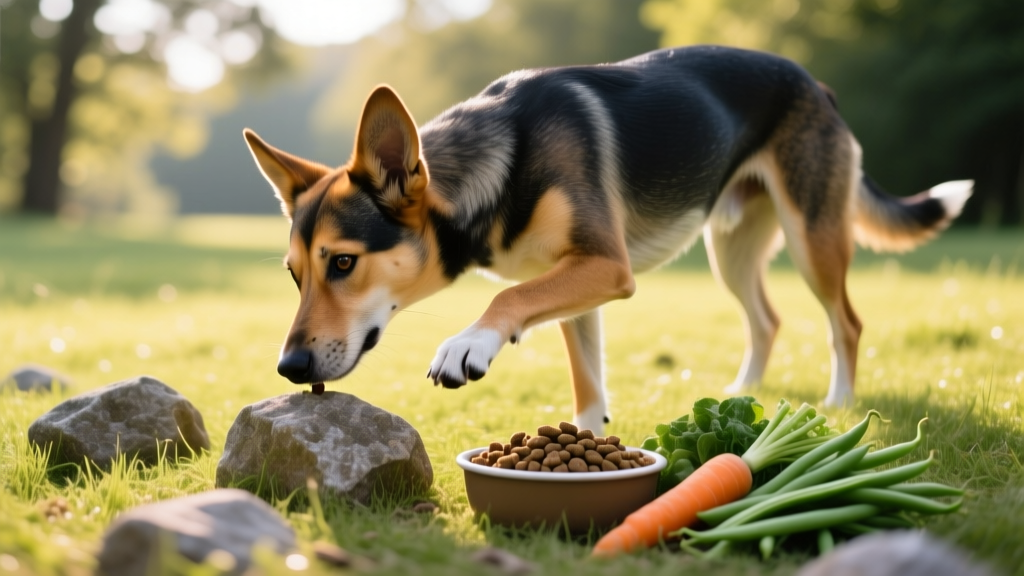
No, dogs should never eat rocks. Rock consumption (a form of pica) is a behavioral or medical red flag that requires investigation. While dogs don't need rocks in their diet, the underlying drive to eat them often signals nutritional deficiencies, gastrointestinal distress, anxiety, or boredom. The safe alternative is addressing the root cause and redirecting to appropriate, nutritionally complete foods and enrichment.
If you've caught your dog crunching on gravel at the dog park or swallowing pebbles from your garden bed, you're not alone. This behavior — clinically known as pica (the consumption of non-food items) — affects an estimated 20-30% of dogs at some point in their lives, according to data referenced in the Merck Veterinary Manual. While the question "why do dogs eat rocks?" seems simple, the answer branches into several medical and behavioral territories that every dog owner should understand.
The good news: rock-eating is almost always solvable once you identify the trigger. Below, we break down the five primary causes, the safe foods you can offer as nutritional alternatives, and exactly when this behavior crosses into emergency territory.
The 5 Root Causes Behind Rock Eating in Dogs
Understanding why your dog is drawn to rocks is the first step toward stopping the behavior. Here are the five most common drivers, ranked from most to least frequently diagnosed in clinical settings:
1. Nutritional Deficiencies (Most Common Medical Cause)
Dogs eating rocks may be instinctively seeking minerals they're missing — particularly iron, calcium, or trace minerals like zinc and magnesium. This is especially common in:
- Dogs fed homemade diets without veterinary nutritionist formulation
- Puppies in rapid growth phases (8-24 weeks) with inadequate calcium-phosphorus ratios
- Lactating females with elevated mineral demands
- Dogs with malabsorption disorders (exocrine pancreatic insufficiency, inflammatory bowel disease)
A 2024 study in the Journal of Animal Physiology and Animal Nutrition found that dogs with iron-deficiency anemia were 4.2x more likely to exhibit pica behaviors than dogs with normal hemoglobin levels.
2. Gastrointestinal Upset
Some dogs swallow rocks as a crude form of self-medication — the rough texture may trigger vomiting to expel something irritating their stomach. You'll often see this pattern: dog eats grass, then rocks, then vomits within 1-3 hours. It's not effective and carries serious risk of intestinal blockage.
3. Anxiety and Compulsive Behavior
Rock-eating can become a compulsive displacement behavior in anxious dogs, similar to nail-biting in humans. Breeds predisposed to compulsive disorders include Bull Terriers, German Shepherds, and Doberman Pinschers. Triggers include separation anxiety, environmental changes, or insufficient mental stimulation.
4. Boredom and Understimulation
Dogs who lack adequate physical exercise and mental enrichment may turn to rock-chewing out of sheer boredom. This is most common in high-energy working breeds (Border Collies, Belgian Malinois, Australian Shepherds) kept in sedentary environments. The AKC notes that working-breed dogs need 60-120 minutes of structured activity daily to prevent destructive behaviors.
5. Dental Discomfort or Teething
Puppies between 3-7 months may chew rocks to relieve teething pain. Adult dogs with dental disease (gingivitis, fractured teeth, oral tumors) may also gnaw on hard objects seeking relief. Look for accompanying signs: drooling, pawing at the mouth, reluctance to eat kibble, or blood-tinged saliva.
Safe Food Alternatives: What to Feed Instead of Rocks
Once your vet has ruled out or treated medical causes, redirecting your dog's oral fixation to safe, nutritious foods is a key management strategy. Below are veterinarian-approved options that satisfy the crunch and mineral-seeking drive without the blockage risk.
Each food below provides minerals, fiber, and satisfying crunch texture. Always introduce one at a time and monitor for 24-48 hours for digestive tolerance.
Carrots (Raw or Lightly Steamed)
Nutritional benefits: Beta-carotene (8,285 IU per 100g), vitamin K1 (13.2 mcg), potassium (320 mg), and dietary fiber (2.8g per 100g). The hard crunch of raw carrots satisfies the same jaw-pressure drive as rocks.
| Dog Weight Class | Weight Range | Daily Serving | Preparation |
|---|---|---|---|
| Small breeds | Under 20 lb (9 kg) | 1-2 baby carrots or 2 Tbsp chopped | Grated or thinly sliced (choking risk if whole) |
| Medium breeds | 20-50 lb (9-23 kg) | 1 medium carrot or 4 Tbsp chopped | Cut into 1-inch pieces or whole baby carrots |
| Large breeds | 50-100 lb (23-45 kg) | 1-2 medium carrots or ½ cup chopped | Whole carrot (supervised) or large chunks |
| Giant breeds | Over 100 lb (45 kg) | 2-3 medium carrots or ¾ cup chopped | Whole carrots, frozen for extended chewing |
Preparation requirements: Wash thoroughly, peel if non-organic. Serve raw for maximum crunch or lightly steam (3-4 minutes) for dogs with sensitive digestion. Never add butter, salt, or seasoning. Remove any green tops.
Frozen Green Beans
Nutritional benefits: Vitamin C (12.2 mg per 100g), vitamin K (43 mcg), manganese (0.2 mg), and fiber (2.7g). Frozen green beans provide a cold, crunchy texture that soothes teething puppies and redirects oral fixation.
- Small dogs: 3-5 frozen beans as treats
- Medium dogs: 8-12 frozen beans
- Large dogs: 15-20 frozen beans or ¼ cup
Preparation: Use plain frozen green beans with no added salt, sauces, or seasonings. Thaw slightly if your dog has dental sensitivity. Canned green beans are acceptable only if labeled "no salt added."
Sweet Potato Chews (Dehydrated)
Nutritional benefits: Beta-carotene (14,187 IU per 100g), vitamin B6 (0.2 mg), potassium (337 mg), and fiber (3g). Dehydrated sweet potato slices provide a long-lasting chew that mimics the duration of rock-gnawing without the danger.
- Small dogs: 1 thin slice (approximately 15g)
- Medium dogs: 2-3 slices (30-45g)
- Large dogs: 4-5 slices or 1 large piece (60-75g)
Preparation: Slice sweet potato into ¼-inch rounds, dehydrate at 125°F (52°C) for 8-12 hours until leathery but not brittle. Alternatively, purchase single-ingredient dehydrated sweet potato chews (brands like Wholesome Pride or Whole Life Pet, typically $8-14 per 8 oz bag in 2026). Never use sweet potato products with added sugar, xylitol, or spices.
Plain Pumpkin Puree (Mineral-Rich Redirect)
Nutritional benefits: Iron (0.8 mg per 100g), potassium (340 mg), vitamin A (7,384 IU), and soluble fiber (3.8g). Pumpkin is particularly useful for dogs whose rock-eating stems from GI upset or mineral-seeking behavior.
- Small dogs (under 20 lb / 9 kg): 1-2 teaspoons daily
- Medium dogs (20-50 lb / 9-23 kg): 1-2 tablespoons daily
- Large dogs (50-100 lb / 23-45 kg): 2-4 tablespoons daily
- Giant breeds (over 100 lb / 45 kg): ¼ cup daily
Preparation: Use 100% pure canned pumpkin (NOT pumpkin pie filling, which contains xylitol, nutmeg, and sugar — all toxic to dogs). Can be mixed into regular food or frozen in a Kong toy for enrichment.
Nutritional Comparison: Rock-Eating Alternatives
| Nutrient | Raw Carrots | Green Beans | Sweet Potato | Pumpkin Puree |
|---|---|---|---|---|
| Calories | 41 kcal | 31 kcal | 86 kcal | 26 kcal |
| Iron | 0.3 mg | 0.7 mg | 0.6 mg | 0.8 mg |
| Calcium | 33 mg | 37 mg | 30 mg | 19 mg |
| Potassium | 320 mg | 209 mg | 337 mg | 340 mg |
| Fiber | 2.8 g | 2.7 g | 3.0 g | 3.8 g |
| Vitamin A (IU) | 16,706 | 690 | 14,187 | 7,384 |
These foods collectively address the most common mineral deficiencies associated with pica. However, if your dog's diet is already AAFCO-complete and balanced, the rock-eating is more likely behavioral than nutritional — which is why veterinary diagnosis matters.
Preparation Steps and Safe Introduction Protocol
Step-by-Step: Introducing Safe Alternatives
- Days 1-2: Offer a single new food at 25% of the recommended serving size. For example, if your 30 lb dog's full carrot serving is 4 Tbsp, start with 1 Tbsp.
- Monitor for 24-48 hours: Watch for vomiting, diarrhea, excessive gas, or refusal to eat regular meals. These indicate digestive intolerance.
- Days 3-5: If no adverse reactions, increase to 50% serving size and offer during times your dog typically seeks out rocks (e.g., during backyard time).
- Days 6-7: Increase to full serving size. Begin pairing food alternatives with positive reinforcement — reward your dog with the safe chew when they move away from rocks.
- Week 2 onward: Rotate between 2-3 safe alternatives to prevent boredom. Continue management of the rock-accessible environment.
Critical preparation rules:
- Never add salt, butter, garlic, onion, or seasoning of any kind
- Remove all seeds, pits, cores, and stems from fruits and vegetables
- Cut hard foods into size-appropriate pieces to prevent choking (especially for small breeds under 15 lb / 7 kg)
- Serve raw vegetables at room temperature or frozen — never cooked with oils
- Store prepared portions in airtight containers in the refrigerator for up to 5 days
Risks, Side Effects, and When NOT to Feed
While the alternative foods listed above are safe for most dogs, there are specific situations where you should avoid or modify them:
Dogs Who Should NOT Eat These Foods
- Diabetic dogs: Carrots and sweet potatoes have moderate glycemic indices (carrots: GI 35, sweet potato: GI 61). Consult your vet before adding them; pumpkin and green beans are lower-GI alternatives.
- Dogs with kidney disease: The potassium content in pumpkin (340 mg/100g) and sweet potato (337 mg/100g) may be contraindicated for dogs on potassium-restricted renal diets.
- Puppies under 12 weeks: Their digestive systems are still developing. Introduce new vegetables only after weaning is complete and with veterinary approval.
- Dogs with known food allergies: Though rare, some dogs have sensitivities to specific vegetables. Introduce one food at a time and wait 48 hours between new introductions.
- Dogs with history of pancreatitis: Keep all additions low-fat (all listed foods qualify, but avoid adding any oils or fats during preparation).
What Happens If Your Dog Eats Too Much of These Foods?
Overconsumption of fiber-rich vegetables typically causes:
- Mild GI upset (most common): Loose stools, gas, or brief vomiting within 2-6 hours of overeating. Usually resolves within 12-24 hours with a bland diet (boiled chicken and white rice).
- Vitamin A toxicity (chronic overfeeding only): Feeding excessive carrots or sweet potato daily for weeks can theoretically cause hypervitaminosis A — symptoms include lethargy, stiffness, and weight loss. This requires sustained overfeeding (10x+ recommended portions daily) and is rare.
- Choking or obstruction: Large pieces of raw carrot can lodge in the esophagus or trachea of small dogs. Always supervise and size portions appropriately.
Foods to Avoid That Are Similar or Related
When seeking crunchy, mineral-rich alternatives, dog owners sometimes reach for these unsafe options:
- Raw potatoes and green potatoes: Contain solanine, a glycoalkaloid toxin. Cooked plain potato is safe in small amounts, but green skin or sprouts are toxic.
- Onions and garlic (all forms): Contain N-propyl disulfide, which causes hemolytic anemia. Toxic dose: approximately 15-30g per kg of body weight.
- Corn on the cob: The cob is a major obstruction hazard, frequently requiring surgical removal ($2,000-$5,000 in emergency vet costs).
- Bones (cooked): Cooked bones splinter and cause perforations. Raw bones carry bacterial risk (Salmonella, E. coli). Neither is a safe rock alternative.
- Mushrooms (wild): Many wild mushroom species are hepatotoxic. Never allow dogs to forage mushrooms.
When to Call the Vet: Emergency Red Flags
- Vomiting repeatedly (3+ episodes in 24 hours) or inability to keep water down
- Abdominal pain — hunched posture, whining when picked up, "prayer position" stretching
- No bowel movements for 48+ hours after rock ingestion
- Blood in vomit or stool (fresh red or dark tarry black)
- Lethargy, collapse, or pale gums (signs of internal bleeding or obstruction)
- Distended or rigid abdomen
- Loss of appetite lasting more than 24 hours
Rock ingestion can cause life-threatening intestinal blockages (foreign body obstruction) requiring emergency surgery. Surgical costs typically range from $1,500 to $7,000 depending on complexity and location. If you suspect your dog has swallowed a rock and you cannot reach your vet, contact the ASPCA Animal Poison Control Center at (888) 426-4435 (24/7, consultation fee applies).
For non-emergency situations, schedule a veterinary appointment if:
- Rock-eating behavior persists for more than 1-2 weeks despite environmental management
- Your dog is eating rocks daily or in large quantities
- You notice concurrent symptoms: weight loss, dull coat, excessive thirst, or changes in stool consistency
- Your dog is a puppy under 6 months exhibiting pica (may indicate parasitism or developmental nutritional needs)
Your vet will typically run a complete blood count (CBC), serum chemistry panel, and fecal examination to rule out anemia, mineral deficiencies, parasites, and metabolic disease. Expect costs of $150-$350 for baseline diagnostics. If GI obstruction is suspected, abdominal radiographs ($200-$500) or ultrasound ($300-$600) may be needed.
Environmental Management and Training Strategies
While you work on the root cause with your veterinarian, managing your dog's environment prevents dangerous rock ingestion in the interim:
- Remove access: Use garden netting, decorative river rock larger than 3 inches (too big to swallow), or mulch in rock-prone areas. For gravel driveways, consider a physical barrier or designated dog zone.
- Muzzle training for walks: A basket muzzle (like the Baskerville Ultra, $18-25) allows panting and drinking while preventing rock pickup. Use positive reinforcement — never force the muzzle on. Pair it with high-value treats so your dog associates it with good things.
- Teach "leave it" and "drop it": Using force-free, positive reinforcement methods, train a reliable "leave it" cue. Start with low-value items indoors and progressively practice with rocks at increasing distances. Reward with high-value food (freeze-dried liver, chicken) when your dog voluntarily moves away from rocks.
- Increase enrichment: Puzzle feeders (Kong Wobbler $15, Outward Hound Nina Ottosson puzzles $12-30), snuffle mats, and scent work games provide the mental stimulation that reduces boredom-driven pica.
- Structured exercise: Meet your dog's breed-specific exercise needs. A tired dog is significantly less likely to engage in compulsive behaviors. Aim for minimum 30-60 minutes of structured activity for most breeds, 90-120 minutes for working breeds.
Frequently Asked Questions
Can dogs eat rocks at all, even small ones?
No. Even small pebbles can cause intestinal blockages, tooth fractures, or internal lacerations. There is no safe size or quantity of rock for a dog to consume. If your dog has swallowed a small pebble and seems fine, monitor closely for 48-72 hours for signs of obstruction (vomiting, constipation, abdominal pain, lethargy) and contact your vet for guidance.
Why does my dog eat rocks but not his food?
This pattern often indicates either a behavioral preference (the crunch texture is more stimulating than soft kibble) or an underlying issue like dental pain making kibble uncomfortable while hard rocks provide counter-pressure relief. It can also signal that your dog's current diet is not meeting their nutritional needs. A veterinary exam with bloodwork can differentiate between behavioral and medical causes.
How much of these safe alternative foods can I give my dog daily?
Safe vegetable treats and alternatives should comprise no more than 10% of your dog's total daily caloric intake. For a 40 lb (18 kg) dog eating approximately 900 calories/day, that means no more than 90 calories from vegetables and treats combined. Use the serving size tables above as starting points and adjust based on your dog's body condition score and activity level.
Is rock eating more common in certain breeds?
Yes. Breeds with higher pica prevalence include Bull Terriers (compulsive disorder predisposition), Labrador Retrievers (indiscriminate eating tendencies), German Shepherds (anxiety-related pica), and puppies of any breed during teething (3-7 months). Working and herding breeds kept without adequate stimulation are also overrepresented.
Will my dog outgrow rock eating?
Puppies often outgrow exploratory mouthing by 12-18 months as they mature past the teething and oral exploration phase. However, adult-onset rock eating rarely resolves without intervention. If the behavior begins in adulthood (2+ years), it almost always has an identifiable medical or environmental trigger that needs addressing.
Should I switch my dog's food if they eat rocks?
Possibly — but only after veterinary evaluation. If bloodwork reveals nutritional deficiencies, your vet may recommend a diet change to a higher-quality AAFCO-complete food, a breed-specific formulation, or prescription diet. Do not switch foods based on rock-eating alone without diagnostic testing, as unnecessary diet changes can cause GI upset and mask the real problem.
This article provides educational guidance and does not replace professional veterinary advice. If your dog is eating rocks or showing signs of pica, consult your veterinarian for a thorough examination and personalized treatment plan. For toxic ingestion emergencies, contact the ASPCA Animal Poison Control Center at (888) 426-4435.
Dr. Hannah Wickes
All our authors care for dogs every day — read more of their work on the authors page.