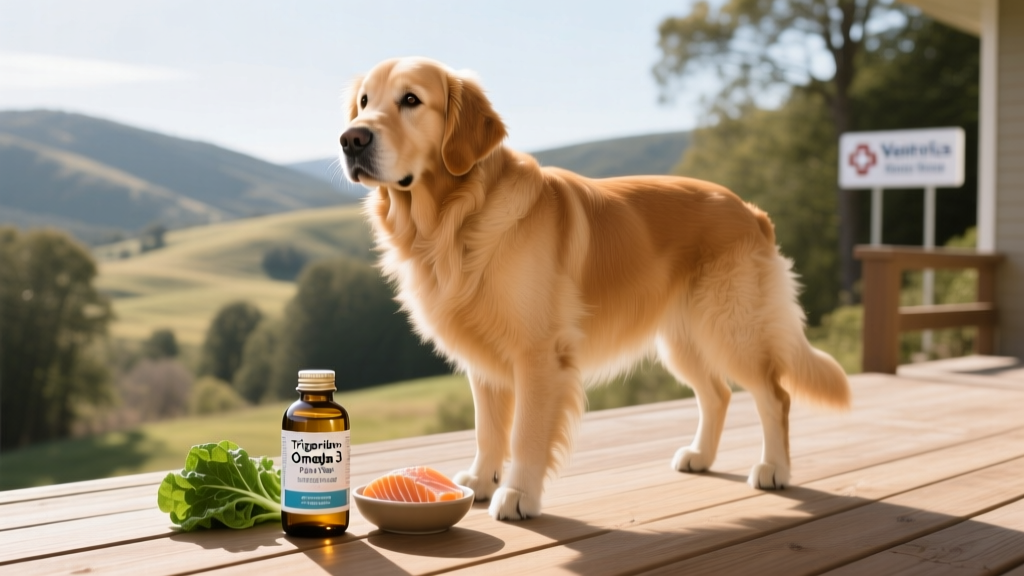
Whole Foods Dog Food: A Complete Nutrition Guide for Every Life Stage
Explore whole foods dog food options, nutritional requirements by life stage, top brand picks with pricing, and how to safely transition your dog's diet.

Feeding your dog a diet built on whole, recognizable ingredients is one of the most impactful health decisions you can make. But the term whole foods dog food covers a wide spectrum — from commercially prepared recipes featuring real meat and vegetables to fully homemade meals. This guide cuts through marketing noise to give you exact nutritional targets, brand recommendations backed by formulation data, and step-by-step protocols for making the switch safely.
What Exactly Qualifies as Whole Foods Dog Food?
Whole foods dog food refers to diets where the primary ingredients are minimally processed, recognizable foods: whole muscle meat, organ meats, intact grains like brown rice or oats, fresh vegetables, and whole fruits. Unlike conventional kibble that relies heavily on rendered meals, isolates, and synthetic premixes, whole food formulations prioritize ingredient integrity.
Ingredient Label Red Flags vs. Green Flags
| Green Flags (Look For) | Red Flags (Avoid) |
|---|---|
| Named whole protein first (e.g., "Deboned Chicken," "Whole Salmon") | Generic "meat meal" or "animal by-products" without species named |
| Intact grains: brown rice, quinoa, oats, barley | Unnamed "cereal grain flour" or excessive corn/wheat fillers |
| Whole vegetables: sweet potato, peas, carrots, spinach | "Vegetable powder" or "plant-based protein concentrate" as primary protein |
| Named fat sources: chicken fat, salmon oil, flaxseed | "Animal fat" (unspecified source) |
| Whole fruits: blueberries, cranberries, apples (no seeds) | Artificial colors (Red 40, Yellow 5, Yellow 6) |
| AAFCO nutritional adequacy statement present | "For intermittent or supplemental feeding only" |
The FDA's Center for Veterinary Medicine regulates pet food labeling, but the Association of American Feed Control Officials (AAFCO) sets the nutritional standards that determine whether a food is "complete and balanced." Always look for an AAFCO statement on the label — it should specify the life stage the food is formulated for (growth, adult maintenance, all life stages, or gestation/lactation).
Nutritional Requirements by Life Stage and Condition
A dog's caloric and macronutrient needs shift dramatically depending on age, activity level, and health status. Below are evidence-based targets from the National Research Council (NRC) and AAFCO guidelines.
| Life Stage / Condition | Protein (DM%) | Fat (DM%) | Calories/Day (50 lb dog) | Key Considerations |
|---|---|---|---|---|
| Puppy (2–12 months) | 28–32% | 17–22% | 900–1,400 kcal | Higher calcium:phosphorus ratio (1.1:1 to 1.4:1); DHA for brain development |
| Adult (maintenance) | 22–28% | 12–18% | 700–1,000 kcal | Adjust for activity; working dogs need more fat |
| Senior (7+ years) | 25–30% | 10–15% | 600–850 kcal | Higher protein preserves lean mass; joint-supportive nutrients (EPA/DHA) |
| Weight Loss | 28–35% | 8–12% | 500–700 kcal | High protein + high fiber for satiety; feed to target weight, not current |
| Active/Working Dog | 28–35% | 20–30% | 1,200–2,000+ kcal | Fat is the primary fuel for endurance; increase calories 25–50% over baseline |
| Kidney Disease (CKD) | 14–18% | 18–25% | 650–900 kcal | Restricted phosphorus (<0.5% DM); high-quality protein at lower quantity; omega-3s |
| Food Allergies | 24–30% | 14–18% | 700–1,000 kcal | Novel or hydrolyzed protein; single carbohydrate source; 8–12 week elimination trial |
DM% (Dry Matter basis) removes moisture from the equation so you can compare wet food, dry food, and homemade diets on equal footing. To convert a guaranteed analysis to DM: divide the nutrient percentage by (100 minus moisture %), then multiply by 100.
How Much Should I Feed My Dog? Feeding Amounts and Adjustment Factors
Package feeding guides are starting points — individual dogs vary by up to 30% in caloric needs based on metabolism, neuter status, and activity. Use the Resting Energy Requirement (RER) formula as a baseline:
RER = 70 × (body weight in kg)^0.75
Then multiply RER by the appropriate factor:
| Condition | Multiplier | Example: 50 lb (22.7 kg) Dog |
|---|---|---|
| Intact adult | RER × 1.8 | ~1,000 kcal/day |
| Neutered/spayed adult | RER × 1.6 | ~890 kcal/day |
| Senior / inactive | RER × 1.2–1.4 | ~670–780 kcal/day |
| Weight loss | RER × 1.0 (at target weight) | ~555 kcal/day (for 40 lb target) |
| Puppy (2–4 months) | RER × 3.0 | Varies by projected adult weight |
| Puppy (4–12 months) | RER × 2.0 | Decreases as growth slows |
| Active/working | RER × 2.0–5.0 | 1,100–2,800 kcal/day depending on intensity |
Once you know your dog's daily calorie target, divide by the calories per cup (or per can) listed on the food label. A whole foods kibble typically contains 350–450 kcal/cup; wet whole food diets range from 300–500 kcal per 12.5 oz can; fresh/refrigerated whole food diets average 35–45 kcal per ounce.
Top Whole Foods Dog Food Brands: 2026 Picks With Nutritional Justification
The following selections are based on AAFCO compliance, ingredient quality, formulation by veterinary nutritionists, recall history, and transparency in sourcing. Prices reflect 2026 retail averages.
1. The Farmer's Dog — Fresh Whole Food (Subscription)
Price: $2.50–$8.00/day depending on dog size (30 lb dog ≈ $3.50/day; 70 lb dog ≈ $6.50/day)
Protein (DM): 35–42% | Fat (DM): 22–28% | Calories: ~40 kcal/oz
Why it earns a spot: Human-grade ingredients (USDA-sourced turkey, beef, pork, or chicken), cooked in USDA-certified kitchens. Recipes formulated by board-certified veterinary nutritionists. Pre-portioned packs eliminate guesswork. AAFCO-compliant for all life stages including large-breed puppies.
2. Nom Nom Now — Gently Cooked Fresh Food
Price: $2.00–$7.00/day (varies by recipe and dog weight)
Protein (DM): 33–40% | Fat (DM): 20–26% | Calories: ~38 kcal/oz
Why it earns a spot: Each recipe developed by Dr. Justin Shmalberg, a board-certified veterinary nutritionist. Uses whole vegetables (sweet potato, spinach, peas) alongside named muscle and organ meats. Includes a proprietary nutrient blend to ensure micronutrient completeness. Available in chicken, turkey, beef, and pork.
3. Ollie — Fresh or Baked Whole Food
Price: $2.00–$6.50/day (fresh); $1.80–$5.00/day (baked kibble)
Protein (DM): 30–38% (fresh); 28–34% (baked) | Fat (DM): 18–24%
Why it earns a spot: Offers both fresh refrigerated and gently baked options — good for owners transitioning from kibble. Uses human-grade meats and whole produce. Recipes formulated to meet AAFCO nutrient profiles. Includes chia seed and flaxseed for omega-3 fatty acids.
4. Open Farm — Whole Paws Dry Kibble (Grain-Inclusive)
Price: $55–$80 per 22 lb bag (~$2.50–$3.65/lb)
Protein (DM): 28–32% | Fat (DM): 16–20% | Calories: ~400 kcal/cup
Why it earns a spot: Single-source animal protein (e.g., pasture-raised lamb, wild-caught salmon) with whole ancient grains (oats, barley, brown rice). No peas, legumes, or potatoes — relevant for owners concerned about diet-associated dilated cardiomyopathy (DCM). Third-party tested. Transparent sourcing from named farms.
5. JustFoodForDogs — Pantry Fresh (Shelf-Stable Whole Food)
Price: $30–$55 per 8 lb box (~$3.75–$6.90/lb)
Protein (DM): 26–34% | Fat (DM): 14–22% | Calories: ~115 kcal per ½ cup
Why it earns a spot: Dehydrated whole food made from human-grade ingredients — just add warm water. No synthetic preservatives. Formulated by veterinary nutritionists. Convenient for travel while maintaining whole food ingredient standards. Multiple protein options including turkey, chicken, beef, and venison.
6. Stella & Chewy's — Raw Coated Kibble (Wholesome Grains)
Price: $45–$70 per 18 lb bag (~$2.50–$3.90/lb)
Protein (DM): 30–36% | Fat (DM): 16–20% | Calories: ~410 kcal/cup
Why it earns a spot: Kibble coated with freeze-dried raw for palatability, with whole grains (oats, quinoa, brown rice) as carbohydrate sources. Uses named proteins (cage-free chicken, grass-fed beef). Good bridge option for dogs that prefer kibble texture but owners want whole food ingredient quality.
7. Honest Kitchen — Human Grade Dehydrated Whole Food
Price: $40–$65 per 10 lb box (~$4.00–$6.50/lb)
Protein (DM): 26–32% | Fat (DM): 14–20% | Calories: ~135 kcal per ½ cup (rehydrated)
Why it earns a spot: One of the original human-grade pet food companies. All recipes produced in human food facilities. Uses whole ingredients like cage-free chicken, sweet potatoes, carrots, and spinach. Grain-free and grain-inclusive options. AAFCO-compliant for all life stages.
Homemade Whole Foods Dog Diets: What You Must Know Before Cooking
Preparing your dog's meals from scratch gives you total ingredient control, but the nutritional stakes are high. A 2013 study published in the Journal of the American Veterinary Medical Association found that 95% of homemade dog food recipes — including those from veterinary textbooks and popular websites — had at least one essential nutrient deficiency, and 83.5% had multiple deficiencies.
⚠️ Critical Warning: Never feed a long-term homemade diet without a recipe formulated by a board-certified veterinary nutritionist (DACVN). Services like Balance IT (developed by veterinary nutritionists at UC Davis) provide recipe builders with precise supplement blends to ensure nutritional completeness. A consultation with a veterinary nutritionist typically costs $200–$500 for a custom recipe — a worthwhile investment compared to the cost of treating nutrient-deficiency diseases.
Sample Framework for a Vet-Nutritionist-Approved Homemade Meal
This is a structural template — actual recipes require individual formulation based on your dog's weight, life stage, and health status:
- 40–50% lean cooked protein: Chicken thigh, turkey, lean beef, or fish (cooked to 165°F / 74°C internal temperature)
- 25–35% cooked carbohydrates: Brown rice, sweet potato, quinoa, or oats
- 10–15% vegetables: Steamed carrots, green beans, zucchini, or pumpkin (no onions, garlic, or grapes)
- 5–8% fat source: Fish oil, chicken fat, or flaxseed oil (added after cooking to preserve omega-3 integrity)
- Essential supplement blend: Calcium (bone meal or calcium carbonate — critical to balance the phosphorus in meat), zinc, vitamin E, B-complex, iodine, copper, iron, manganese, and vitamin D. The specific amounts depend entirely on the recipe's ingredients.
Raw diet considerations: The AVMA, FDA, and multiple veterinary organizations advise against raw meat diets due to documented risks of Salmonella, Listeria, and E. coli contamination — dangerous to both dogs and the humans handling the food. If you choose to feed raw despite these warnings, work with a veterinary nutritionist, use HPP (high-pressure processed) proteins, practice strict kitchen hygiene, and have your dog's stool cultured periodically.
Foods and Ingredients to Avoid
Whether you're buying commercial whole foods dog food or cooking at home, these ingredients have no place in your dog's bowl:
| Ingredient | Risk | Severity |
|---|---|---|
| Xylitol (birch sugar) | Rapid insulin release → hypoglycemia → liver failure | Life-threatening (even small amounts) |
| Grapes and raisins | Acute kidney injury (mechanism still idiopathic) | Potentially fatal — as few as 1–2 grapes per kg body weight |
| Onions, garlic, chives, leeks | Oxidative damage to red blood cells → hemolytic anemia | Dose-dependent; garlic >5 g/kg, onions >15 g/kg |
| Macadamia nuts | Weakness, tremors, hyperthermia | Usually self-resolving but distressing; avoid entirely |
| Chocolate (especially dark/baking) | Theobromine toxicity → cardiac arrhythmia, seizures | Dose-dependent; baking chocolate most dangerous at ~1 oz per lb |
| Cooked bones | Splintering → GI perforation, obstruction | Surgical emergency |
| Avocado (persin) | Myocardial damage in sensitive species; GI upset in dogs | Low-to-moderate risk in dogs; avoid to be safe |
| Alcohol / hops | CNS depression, malignant hyperthermia (hops) | Life-threatening |
If your dog ingests any toxic substance, call the ASPCA Animal Poison Control Center at (888) 426-4435 (24/7, consultation fee applies) or the Pet Poison Helpline at (855) 764-7661 immediately.
Transition Protocol: Switching to a Whole Foods Diet Over 7–10 Days
Abrupt diet changes cause GI upset in most dogs — diarrhea, vomiting, gas, and reduced appetite. A gradual transition lets the gut microbiome adapt. Here's a proven schedule:
| Days | Old Food | New Whole Food | Notes |
|---|---|---|---|
| Days 1–2 | 75% | 25% | Watch for appetite changes; add 1 tsp plain pumpkin puree if stool softens |
| Days 3–4 | 50% | 50% | Normal if stool is slightly softer; contact vet if diarrhea is watery or bloody |
| Days 5–6 | 25% | 75% | Energy and coat changes may begin; monitor water intake |
| Days 7–8 | 10% | 90% | Most dogs fully adjusted by this point |
| Days 9–10 | 0% | 100% | Full transition complete; begin monitoring long-term success indicators |
Exceptions requiring slower transitions (14–21 days): Dogs with a history of pancreatitis, inflammatory bowel disease (IBD), or sensitive stomachs. Senior dogs over 10 years old also benefit from extended transitions. If your dog refuses the new food at any stage, hold at the current ratio for 2–3 extra days before progressing.
Does My Dog Need Supplements on a Whole Foods Diet?
If you're feeding an AAFCO-complete commercial whole foods diet, additional supplements are usually unnecessary — and over-supplementation can be harmful. However, certain conditions and diet types warrant targeted additions:
| Supplement | When to Add | Typical Dosage | Notes |
|---|---|---|---|
| Fish Oil (EPA/DHA) | Coat/skin issues, joint inflammation, kidney disease | 20–55 mg combined EPA+DHA per kg body weight/day | Choose products with IFOS certification for purity; store refrigerated |
| Probiotics | Post-antibiotic, during diet transitions, chronic GI issues | 1–10 billion CFU/day (strain-specific: L. acidophilus, B. animalis) | Look for guaranteed CFU count at expiration, not at manufacture |
| Glucosamine + Chondroitin | Large breeds over 5 years, dogs with hip dysplasia or arthritis | Glucosamine: 20 mg/kg/day; Chondroitin: 15 mg/kg/day | Allow 4–6 weeks to see effects; combine with omega-3s for synergistic benefit |
| Calcium (homemade diets ONLY) | All homemade diets unless formulated by a veterinary nutritionist | Varies by recipe — must balance dietary phosphorus | Never supplement calcium in commercial AAFCO-complete foods |
| Vitamin E | Dogs on high-fat diets or homemade diets with added oils | 2–5 IU/kg/day | High polyunsaturated fat intake increases vitamin E requirement |
Always consult your veterinarian before adding any supplement — especially if your dog takes medications, as interactions are possible (e.g., fish oil can increase bleeding risk with NSAIDs).
Monitoring Success: How to Know the Whole Foods Diet Is Working
Give any new diet 6–8 weeks before making a full assessment. Track these indicators:
Body Condition Score (BCS)
Use the 9-point Purina BCS scale. Your dog should score a 4 or 5 out of 9: ribs easily felt without excess fat covering, visible waist when viewed from above, abdominal tuck when viewed from the side. Weigh your dog monthly during the first 3 months on a new diet and adjust portions if BCS shifts.
- Coat quality: A well-nourished dog on whole foods typically develops a shinier, softer coat within 6–10 weeks due to improved fatty acid intake. Excessive shedding, dullness, or flaking suggests a fatty acid imbalance.
- Energy level: Stable energy throughout the day (not spikes and crashes) indicates appropriate caloric and macronutrient balance. Lethargy may signal underfeeding; hyperactivity with weight gain may signal overfeeding.
- Stool quality: Ideal stool is firm, dark brown, well-formed, and easy to pick up. Whole food diets often produce smaller, less odorous stools due to higher digestibility. Loose stool persisting beyond the transition period warrants veterinary evaluation.
- Dental health: Diet alone doesn't prevent dental disease — daily brushing is still necessary — but whole food diets without added sugars support better oral health than high-carbohydrate kibbles.
- Appetite consistency: A dog that eagerly eats meals at consistent times is generally well-matched to their food. Food refusal, regurgitation, or gulping behavior may signal palatability issues, food sensitivity, or portion miscalculation.
Frequently Asked Questions About Whole Foods Dog Food
What is the best whole foods dog food for puppies?
For puppies, choose a whole food diet that explicitly states AAFCO compliance for growth or all life stages — and if you have a large-breed puppy (expected adult weight over 70 lb), the label must specify it meets AAFCO guidelines for large-breed growth. This ensures the calcium-to-phosphorus ratio is controlled to prevent developmental orthopedic diseases. The Farmer's Dog and Nom Nom Now both offer puppy-appropriate formulations with DHA from whole fish sources for neurological development.
Can I feed my dog a raw whole foods diet?
You can, but understand the risks. Raw diets carry documented contamination risks from Salmonella, Listeria, and Campylobacter — the FDA found pathogenic bacteria in 15% of raw pet food samples tested in a multi-year study. Nutritional imbalance is the second major concern: without precise formulation by a veterinary nutritionist, raw diets commonly lack calcium, vitamin D, iodine, and trace minerals. If you proceed with raw feeding, use HPP-treated proteins, practice rigorous hygiene (separate prep surfaces, immediate sanitization), and have your dog's nutritional status evaluated via bloodwork every 6 months.
How do I switch my dog to a new food without causing diarrhea?
Follow the 7–10 day transition schedule outlined above: start at 25% new food / 75% old food, increasing the new food ratio every 2 days. Adding a teaspoon of plain canned pumpkin (not pie filling) per 10 lb of body weight can help firm stools during the transition. If diarrhea persists beyond 48 hours at any stage, slow the transition and consult your veterinarian.
Does my dog need supplements if I feed a complete whole foods diet?
If the food carries an AAFCO statement of nutritional adequacy for your dog's life stage, additional supplements are generally unnecessary and could cause toxicity (especially fat-soluble vitamins A and D). Supplements become relevant for homemade diets (which require calcium, trace minerals, and vitamin balancing), dogs with specific health conditions (fish oil for kidney disease, glucosamine for arthritis), or dogs on limited-ingredient elimination diets. Always consult your veterinarian before supplementing.
What ingredients should I avoid in whole foods dog food?
Avoid artificial preservatives (BHA, BHT, ethoxyquin), artificial colors (Red 40, Yellow 5, Yellow 6), unnamed fat or protein sources ("animal fat," "meat by-products"), propylene glycol, and any food toxic to dogs (xylitol, grapes, onions, garlic, macadamia nuts). Also be cautious with legume-heavy formulations (peas, lentils, chickpeas as primary ingredients) if your dog is a breed predisposed to DCM — the FDA's ongoing investigation into diet-associated DCM has flagged these ingredients as potential risk factors.
How much whole foods dog food should I feed my dog?
Calculate your dog's daily caloric need using the RER formula (70 × body weight in kg^0.75), multiply by the appropriate activity factor, then divide by the food's calorie density. For example, a 50 lb neutered adult dog needs roughly 890 kcal/day. If the whole food contains 400 kcal/cup, that's approximately 2¼ cups daily, split into two meals. Adjust by 10–15% based on body condition score changes over 2–4 weeks.
This article is for educational purposes and does not replace professional veterinary advice. Always consult your veterinarian before making significant changes to your dog's diet, especially if your dog has pre-existing health conditions, is on medication, or is under 6 months of age.
Jonas Cole
All our authors care for dogs every day — read more of their work on the authors page.