You Give a Dog for Diarrhea?
Learn what you can give a dog for diarrhea safely — from bland diets and probiotics to OTC medications. Includes vet red flags, costs, and recovery tips.
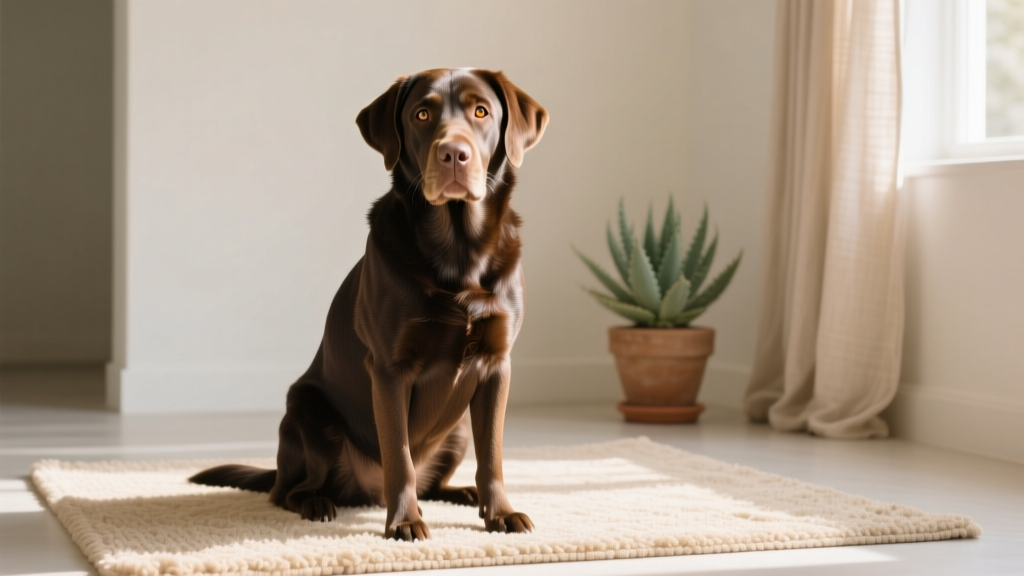
Diarrhea in dogs is one of the most common reasons owners reach for their phone at 2 a.m. wondering what can you give a dog for diarrhea without making things worse. Canine diarrhea is defined as the passage of unformed, loose, or watery stools three or more times within a 24-hour period. It is not a disease itself but a symptom of an underlying disruption somewhere along the gastrointestinal (GI) tract — from dietary indiscretion and stress to infections, parasites, inflammatory bowel disease, or even systemic illness.
According to the Merck Veterinary Manual, acute diarrhea accounts for a significant percentage of all canine veterinary visits each year, and the vast majority of cases are self-limiting — meaning they resolve within 24–72 hours with appropriate supportive care. However, a subset of cases signal serious conditions such as parvovirus, hemorrhagic gastroenteritis (HGE), intestinal obstruction, or toxic ingestion, all of which require immediate professional intervention.
This guide walks you through how to assess severity, what you can safely give at home, when to call the vet, and what to expect in terms of diagnosis, treatment, and cost.
Symptom Checklist: Is It Mild or an Emergency?
Before deciding what to give your dog, you need to triage the situation. Not all diarrhea is equal. Use the table below to classify what you are seeing.
| Severity | Signs to Watch For | Typical Duration | Action |
|---|---|---|---|
| Mild | 1–3 soft or loose stools; normal energy; eating and drinking normally; no blood or mucus | 12–48 hours | Monitor at home; bland diet; probiotics |
| Moderate | Frequent loose stools (4+ per day); mild lethargy; reduced appetite; small amounts of mucus; slight straining | 2–5 days | Call vet for advice; consider fecal test |
| Severe / Emergency | Watery or projectile diarrhea; visible blood (bright red or dark/tarry); vomiting; abdominal pain or bloating; fever (>103.5 °F / 39.7 °C); collapse or extreme weakness; refusal to drink for >12 hours | Onset within hours | Emergency vet visit immediately |
- Your dog is a puppy under 6 months (dehydration risk is extreme)
- You see dark, tarry stools (melena) indicating upper GI bleeding
- Diarrhea is accompanied by repeated vomiting
- Your dog is a senior (8+ years) or has pre-existing conditions (kidney disease, diabetes, Cushing's)
- Symptoms persist beyond 48 hours despite home care
- You suspect your dog ingested a toxin — call ASPCA Animal Poison Control: (888) 426-4435 (24/7, consultation fee applies)
What Causes Diarrhea in Dogs?
Understanding the root cause determines what you can safely give your dog. The most common triggers include:
- Dietary indiscretion: Eating garbage, table scraps, spoiled food, or sudden diet changes. This is the #1 cause of acute diarrhea in otherwise healthy adult dogs.
- Intestinal parasites: Giardia, coccidia, roundworms, hookworms, and whipworms. Particularly common in puppies, shelter dogs, and dogs who frequent dog parks or drink from standing water.
- Viral infections: Canine parvovirus (especially in unvaccinated puppies), canine coronavirus, and canine distemper.
- Bacterial overgrowth or infection: Salmonella, Campylobacter, Clostridium perfringens, and E. coli — often from contaminated food or water.
- Stress colitis: Boarding, travel, new pets, fireworks, or vet visits can trigger acute large-bowel inflammation.
- Food intolerance or allergy: Reactions to specific proteins (beef, chicken, dairy) or ingredients. Chronic, recurring diarrhea is the hallmark.
- Medications: NSAIDs (carprofen, meloxicam), antibiotics (especially amoxicillin-clavulanate), and some dewormers can disrupt the GI lining or microbiome.
- Systemic disease: Exocrine pancreatic insufficiency (EPI), Addison's disease, kidney failure, liver disease, and certain cancers (lymphoma, mast cell tumors) can all present with chronic diarrhea.
- Age: Puppies (<1 year) and seniors (>8 years) have less GI resilience and dehydrate faster.
- Breed predisposition: German Shepherds are prone to EPI and chronic enteropathies; Boxers to histiocytic ulcerative colitis; Yorkshire Terriers and Miniature Schnauzers to pancreatitis; Great Danes and deep-chested breeds to GDV-related GI signs.
- Environment: Dogs with access to compost, trash, standing water, or who attend daycare/dog parks face higher exposure to pathogens and parasites.
- Diet type: High-fat diets, raw diets without pathogen testing, and frequent treat/table scrap feeding increase risk.
- Recent antibiotic use: Disrupts normal gut flora, creating opportunity for Clostridium overgrowth.
- Weight: Overweight dogs have higher baseline inflammation and are more prone to pancreatitis-related diarrhea.
What Can You Safely Give a Dog for Diarrhea at Home?
For mild, uncomplicated cases in healthy adult dogs, the following options have the strongest evidence base and the widest margin of safety.
1. The Bland Diet Protocol (First-Line Home Care)
A bland diet gives the inflamed GI tract a rest while providing easily digestible nutrition. The classic formulation is:
- Boiled, skinless, boneless chicken breast (or lean ground turkey) — 1 part protein
- White rice (not brown — the extra fiber is counterproductive here) — 2 parts carbohydrate
- Cooked at a ratio of approximately 1/3 protein to 2/3 rice by volume
Feeding schedule for the bland diet:
| Dog Weight | Total Daily Amount | Meals Per Day | Per Meal |
|---|---|---|---|
| 5–15 lb (2–7 kg) | 1/2 to 1 cup | 4 | 2–4 tablespoons |
| 16–30 lb (7–14 kg) | 1 to 2 cups | 4 | 1/4 to 1/2 cup |
| 31–60 lb (14–27 kg) | 2 to 3.5 cups | 3–4 | 1/2 to 1 cup |
| 61–100 lb (28–45 kg) | 3.5 to 5 cups | 3–4 | 1 to 1.5 cups |
| 100+ lb (45+ kg) | 5 to 7 cups | 3 | 1.5 to 2.5 cups |
Feed small, frequent meals every 4–6 hours for 2–3 days, then gradually transition back to regular food over 3–5 days by mixing increasing proportions of the normal diet with decreasing bland diet. Do not feed the bland diet long-term — it is nutritionally incomplete (lacking calcium, taurine, essential fatty acids, and several vitamins).
2. Canned Plain Pumpkin (Not Pie Filling)
Plain canned pumpkin (100% Cucurbita pepo, no spices or sugar) is a soluble fiber source that absorbs excess water in the bowel and firms stools. The recommended dose is 1–4 tablespoons per meal depending on dog size (1 tbsp for dogs under 20 lb; 2 tbsp for 20–40 lb; 3–4 tbsp for dogs over 40 lb). It is safe, inexpensive, and available at any grocery store. Ensure the label reads "100% pumpkin" and does not contain xylitol, which is highly toxic to dogs.
3. Probiotics (Canine-Specific Formulations)
Probiotics help restore the balance of beneficial gut bacteria disrupted by diarrhea. Look for products specifically formulated for dogs with guaranteed CFU (colony-forming units) counts. The most evidence-supported strains for canine GI health include:
- Enterococcus faecium SF68 (found in Purina Pro Plan FortiFlora — approximately $30–$35 for a 30-pack)
- Bifidobacterium animalis AHC7 (found in Iams ProstoraSential)
- Multi-strain veterinary formulas like Vetoquinol Azodyl or Nutramax Proviable DC ($20–$40 per course)
Do not give human probiotics — the bacterial strains differ, and some human formulations contain xylitol or lactose that can worsen diarrhea.
4. Hydration Support
Diarrhea causes fluid and electrolyte loss. Ensure constant access to fresh water. For dogs reluctant to drink, offer:
- Low-sodium chicken broth (check labels — must contain no onion, no garlic, no xylitol)
- Ice cubes made from diluted, unseasoned bone broth
- Pedialyte (unflavored) at a dose of approximately 2–4 mL per pound of body weight every 4–6 hours — consult your vet before using, especially for dogs with kidney or heart disease
5. Over-the-Counter Medications (Use With Caution)
| Medication | Active Ingredient | Dosage (Dog) | Safety Notes |
|---|---|---|---|
| Loperamide (Imodium) | Loperamide HCl | 0.1 mg/kg every 8–12 hours (approx. one 2 mg tablet per 40–50 lb) | Do NOT use if bloody diarrhea, vomiting, or suspected toxin ingestion. Contraindicated in MDR1 gene mutation breeds (Collies, Australian Shepherds, Shelties). Max 2 days use. Consult vet first. |
| Bismuth subsalicylate (Pepto-Bismol) | Bismuth subsalicylate | 0.5–1 mL per pound every 8–12 hours (approx. 1 teaspoon per 10 lb) | Contains salicylate — avoid in dogs on NSAIDs or with aspirin sensitivity. Can turn stools black (mimics melena). Not for puppies. Max 2 days. |
| Kaolin-Pectin (Pro-Pectalin, Kaopectate original formula) | Kaolin + pectin | 1–2 mL per pound every 6–8 hours | Generally safe. Check label — some Kaopectate formulations now contain bismuth subsalicylate instead. Avoid if dehydration is present without fluid replacement. |
How Is the Underlying Cause of Diarrhea Diagnosed?
If home care does not resolve the issue within 48 hours, or if symptoms are severe, your veterinarian will begin a diagnostic workup. Here is what to expect:
- Physical Examination ($55–$95): Assessment of hydration status (skin tent test, gum moisture), abdominal palpation for pain/masses/foreign bodies, temperature check, and rectal exam. The vet will evaluate body condition score (BCS) and mucous membrane color.
- Fecal Analysis ($35–$85): A fresh stool sample is examined via fecal flotation (for parasite eggs), Giardia ELISA antigen test, fecal cytology (for bacteria, white blood cells, and abnormal cells), and sometimes a fecal PCR panel ($90–$160) that screens for Giardia, Cryptosporidium, Campylobacter, Salmonella, Clostridium perfringens enterotoxin, and C. difficile simultaneously.
- Complete Blood Count & Chemistry Panel ($120–$250): CBC checks for infection (elevated white cells), anemia (from blood loss), and dehydration (elevated PCV). Chemistry panel evaluates kidney function (BUN, creatinine), liver enzymes (ALT, ALP), pancreatic markers, electrolyte levels (sodium, potassium, chloride), and blood glucose.
- Canine Pancreatic Lipase (cPL) Test ($80–$130): A Spec cPL or SNAP cPL test specifically evaluates for pancreatitis, which commonly presents with diarrhea and vomiting.
- Abdominal Imaging ($200–$500 for X-rays; $350–$700 for ultrasound): Radiographs can reveal foreign bodies, intussusception, or gas patterns suggesting obstruction. Ultrasound provides detailed views of intestinal wall thickness, lymph nodes, and organ architecture — critical for identifying inflammatory bowel disease, lymphangiectasia, or neoplasia.
- Advanced Testing (if chronic or refractory): Endoscopy with biopsy ($1,200–$3,000), cobalamin/folate levels ($60–$100) to assess small intestinal bacterial overgrowth (SIBO), trypsin-like immunoreactivity (TLI) for EPI ($70–$120), or ACTH stimulation test for Addison's disease ($150–$250).
Treatment Options Compared
| Cause | Primary Treatment | Supportive Care | Typical Cost Range | Success Rate |
|---|---|---|---|---|
| Dietary indiscretion | Bland diet 2–3 days; fasting 12–24 hrs (adults only, never puppies) | Probiotics, hydration support | $0–$150 (home care to vet visit) | >95% resolve in 48–72 hrs |
| Intestinal parasites | Dewormer specific to parasite (fenbendazole for Giardia, pyrantel for roundworms/hookworms, ponazuril for coccidia) | Probiotics, environmental decontamination | $80–$250 (diagnosis + medication) | 90–98% with correct dewormer; reinfection common without hygiene |
| Bacterial overgrowth / infection | Targeted antibiotics (metronidazole 10–15 mg/kg BID x 7–14 days, tylosin 10–20 mg/kg BID) | Probiotics (given 2 hrs apart from antibiotic), bland diet | $150–$400 | 80–90% acute; chronic SIBO may require long-term management |
| Parvovirus | Intensive IV fluid therapy, antiemetics (maropitant/Cerenia), antibiotics for secondary sepsis, nutritional support | Hospitalization 3–7 days; isolation protocols | $1,500–$5,000+ (ICU-level care) | 68–92% survival with aggressive treatment; <10% without treatment |
| Hemorrhagic gastroenteritis (HGE/AHDS) | Aggressive IV fluids, antiemetics, gastroprotectants | Hospitalization 1–3 days; monitoring packed cell volume (PCV) | $800–$3,000 | >90% with prompt treatment; rapid deterioration without it |
| Food allergy / intolerance | Strict elimination diet trial (novel protein or hydrolyzed protein) for 8–12 weeks | No treats, flavored medications, or table food during trial | $80–$150/month for prescription diet | 70–80% respond to elimination diet if food allergy is the true cause |
| Inflammatory bowel disease (IBD) | Dietary management + immunosuppressants (prednisone, budesonide, chlorambucil for refractory cases) | Cobalamin supplementation, probiotics, low-residue diet | $200–$800/month ongoing; diagnostic workup $1,500–$4,000 | Variable — many dogs managed long-term; some achieve remission; refractory cases carry guarded prognosis |
| Exocrine pancreatic insufficiency (EPI) | Lifelong pancreatic enzyme replacement (e.g., Pancrezyme, Viokase-V) with every meal | Cobalamin injections, low-fat diet, possible antibiotic for SIBO | $50–$200/month for enzymes | Excellent with proper enzyme therapy — most dogs live normal lifespan |
Prognosis: What to Expect Based on Severity
The prognosis for canine diarrhea depends entirely on the underlying cause and how quickly treatment begins.
| Category | Typical Recovery Time | Prognosis | Life Expectancy Impact |
|---|---|---|---|
| Acute, self-limiting (dietary, mild stress) | 24–72 hours | Excellent | None — full recovery expected |
| Parasite-related | 1–3 weeks (including deworming course) | Excellent with treatment | None if treated promptly |
| Bacterial infection (non-systemic) | 1–2 weeks with antibiotics | Good to excellent | None |
| Parvovirus (treated) | 5–10 days hospitalized; 2–4 weeks full recovery | Good with aggressive treatment (68–92% survival) | Full lifespan if survived; no long-term GI damage typically |
| HGE/AHDS (treated promptly) | 2–5 days hospitalized; 1–2 weeks full recovery | Good with early intervention | Full lifespan; some dogs have recurrence risk |
| Chronic IBD / enteropathy | Ongoing management (months to lifelong) | Fair to good — depends on response to treatment | Often normal lifespan with good management; severe refractory cases may have shortened lifespan |
| GI lymphoma / neoplasia | Variable — depends on staging and treatment | Guarded to poor for high-grade; fair for low-grade (small cell) | Low-grade lymphoma: 1.5–3 years with chemotherapy; high-grade: 6–12 months |
Prevention Strategies
While not all diarrhea is preventable, the following practices significantly reduce frequency and severity:
- Maintain a consistent diet. Avoid sudden food changes. When transitioning, mix new and old food over 7–10 days (25% new on days 1–3, 50% on days 4–6, 75% on days 7–9, 100% new on day 10).
- Keep up with parasite prevention. Monthly heartworm preventives (many also cover intestinal parasites) and annual fecal exams are the standard of care per the AVMA parasite control guidelines. Dogs in high-exposure environments (dog parks, kennels, farms) may benefit from fecal testing every 6 months.
- Restrict scavenging. Use a "leave it" cue trained via positive reinforcement. On walks, use a basket muzzle if your dog is a compulsive scavenger. Secure trash cans with locking lids.
- Avoid high-fat treats and table scraps. Fatty foods (bacon grease, butter, fried foods) are common pancreatitis triggers that present as diarrhea and vomiting.
- Vaccinate on schedule. The DHPP core vaccine protects against parvovirus, one of the deadliest causes of acute hemorrhagic diarrhea in puppies. The AKC recommends the initial parvo series at 6–8, 10–12, and 14–16 weeks, with a booster at 1 year and then every 3 years.
- Manage stress proactively. For dogs prone to stress colitis (boarding, travel, thunderstorms), start probiotics 3–5 days before the anticipated stressor. Consider Adaptil pheromone collars or sprays for situational anxiety.
Cost of Diarrhea Treatment: What to Budget
Treatment costs vary dramatically based on severity and underlying cause. Here are realistic 2026 price ranges based on national averages:
| Scenario | Components | Estimated Cost |
|---|---|---|
| Mild — home care only | Bland diet ingredients, probiotics, pumpkin | $10–$40 |
| Mild — vet visit with fecal test | Exam + fecal flotation + Giardia test + probiotic prescription | $150–$350 |
| Moderate — full diagnostic workup | Exam + fecal panel + CBC/chemistry + cPL + medications | $400–$900 |
| Severe — emergency visit, outpatient | ER exam + bloodwork + imaging + fluids (subcutaneous) + injectable antiemetics | $600–$1,800 |
| Severe — hospitalization (parvo, HGE) | IV fluids, IV antibiotics, antiemetics, monitoring, 3–7 day stay | $1,500–$5,000+ |
| Chronic — IBD workup and management | Ultrasound + endoscopy/biopsy + prescription diet + immunosuppressants + cobalamin | $2,000–$5,000 initial; $200–$800/month ongoing |
Pet insurance can significantly offset these costs. Most comprehensive accident-and-illness policies (e.g., Trupanion, Healthy Paws, Nationwide) cover diagnostic workups and treatments for GI conditions, with monthly premiums ranging from $30–$80 depending on breed, age, and deductible. However, pre-existing conditions are universally excluded — so enrollment before symptoms develop is essential.
Frequently Asked Questions
Can I give my dog Pepto-Bismol for diarrhea?
Yes, but with important caveats. The dose is 0.5–1 mL per pound of body weight every 8–12 hours (roughly 1 teaspoon per 10 lb). However, Pepto-Bismol contains salicylate (related to aspirin), so it must never be given to dogs already on NSAIDs like carprofen or meloxicam, as the combination increases gastrointestinal bleeding risk. It can also turn stools black, making it impossible to distinguish from melena (digested blood). Limit use to 48 hours maximum and consult your vet first.
Should I fast my dog when they have diarrhea?
A 12–24 hour fast (with water available) can help rest the GI tract in healthy adult dogs. However, never fast puppies under 12 months, toy breeds under 10 lb, senior dogs, or dogs with diabetes — these groups are at high risk for hypoglycemia (dangerously low blood sugar). For these dogs, skip the fast and go directly to small, frequent bland diet meals.
How long is too long for a dog to have diarrhea?
For a healthy adult dog with mild symptoms, 48 hours of home care is a reasonable window. If diarrhea persists beyond 48 hours, worsens, or is accompanied by any red-flag symptoms (blood, vomiting, lethargy, refusal to drink), it is time to see the vet. For puppies, seniors, or immunocompromised dogs, the threshold drops to 12–24 hours.
Is scrambled egg good for a dog with diarrhea?
Plain scrambled egg (no butter, oil, salt, or cheese) is an acceptable bland-diet protein alternative for dogs who do not tolerate chicken. Eggs are highly digestible and provide quality protein. Serve 1 egg per 20 lb of body weight per meal, combined with white rice. However, eggs alone do not constitute a complete diet and should only be used short-term (2–3 days).
What breeds are most prone to chronic diarrhea?
German Shepherds have the highest breed predisposition to chronic GI conditions, including EPI, chronic enteropathies, and perianal fistulas. Boxers are uniquely susceptible to histiocytic ulcerative colitis (also called "Boxer colitis"), which typically presents between ages 1–4 and requires specific antibiotic therapy (enrofloxacin) based on culture results. Other predisposed breeds include Yorkshire Terriers, Miniature Schnauzers (pancreatitis), Shar-Peis (inflammatory bowel disease), and Soft-Coated Wheaten Terriers (protein-losing enteropathy).
Can diarrhea in dogs be a sign of cancer?
Yes. Chronic, persistent diarrhea that does not respond to dietary changes, deworming, or antibiotics warrants investigation for GI neoplasia — particularly in dogs over 7 years old. Intestinal lymphoma, mast cell tumors (which release histamine that stimulates acid secretion and GI motility), and adenocarcinomas can all present with chronic diarrhea, weight loss, and sometimes vomiting. Early diagnosis via ultrasound and biopsy significantly improves treatment options.
Disclaimer: This article is for informational purposes only and does not replace professional veterinary advice. Always consult your veterinarian before administering any medication to your dog, including over-the-counter products. If your dog is experiencing severe symptoms, contact your nearest emergency veterinary clinic immediately.
Marcus Aldridge
All our authors care for dogs every day — read more of their work on the authors page.


