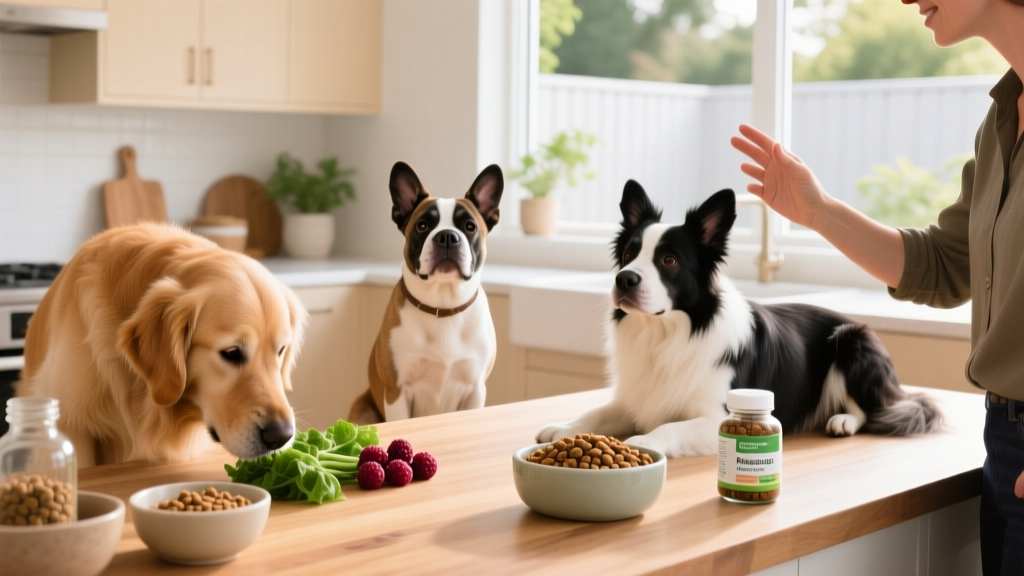
What to Feed a Dog With Diarrhea: Vet-Backed Diet & Recovery Guide
Learn what to feed a dog with diarrhea, including bland diet recipes, portion sizes by weight, vet-recommended recovery foods.

Understanding Canine Diarrhea: Definition, Causes, and How Common It Is
Canine diarrhea is the passage of loose, watery, or unformed stools more frequently than normal. It's not a disease itself but a clinical sign of gastrointestinal (GI) disturbance — one of the most common reasons dog owners visit veterinary clinics. According to the Merck Veterinary Manual, acute gastroenteritis and dietary indiscretion account for the majority of sudden-onset diarrhea cases in dogs.
Diarrhea occurs when the intestines fail to absorb water properly, when excess fluid is secreted into the gut, or when transit time through the digestive tract accelerates. Common triggers include dietary changes, food intolerances, stress, parasites (giardia, coccidia, roundworms), viral infections (parvovirus in puppies), bacterial overgrowth, toxin ingestion, and inflammatory bowel disease (IBD).
Roughly 30% of all canine veterinary visits involve GI complaints, with diarrhea being the most frequently reported symptom. While most acute cases resolve within 24–72 hours with supportive care, chronic or severe diarrhea can signal serious underlying conditions requiring immediate veterinary intervention.
Symptom Checklist: Recognizing Severity in Canine Diarrhea
Not all diarrhea carries the same urgency. Understanding the difference between mild GI upset and a potentially life-threatening condition helps you decide whether to monitor at home or rush to the emergency clinic.
| Severity Level | Symptoms | Action |
|---|---|---|
| Early / Mild | Soft or loose stool (1–2 episodes); normal appetite; alert behavior; no vomiting; mild gas | Monitor at home; begin bland diet; ensure hydration |
| Moderate | 3+ loose stools in 24 hours; reduced appetite; mild lethargy; occasional vomiting; mucus in stool | Call vet for phone triage; begin fasting protocol if adult dog; consider probiotics |
| Severe / Emergency | Blood in stool (fresh red or dark tarry); persistent vomiting; signs of dehydration (tacky gums, skin tenting); collapse or weakness; fever over 103.5°F (39.7°C); diarrhea lasting >48 hours | Seek immediate veterinary care |
Key dehydration check: Gently lift the skin between your dog's shoulder blades. In a hydrated dog, it snaps back immediately. If the skin remains tented for more than 1–2 seconds, your dog is significantly dehydrated and needs veterinary fluids.
Risk Factors: Which Dogs Are Most Vulnerable?
Breed Predisposition
- German Shepherds: Higher rates of exocrine pancreatic insufficiency (EPI) and IBD, both causing chronic diarrhea
- Boxers: Predisposed to histiocytic ulcerative colitis ("Boxer colitis"), typically presenting between ages 2–5
- Yorkshire Terriers & Toy Breeds: Higher risk of hemorrhagic gastroenteritis (HGE) due to small intestinal surface area
- Labrador Retrievers: Prone to dietary indiscretion due to food-seeking behavior; higher obesity rates compound GI stress
- Shar-Peis: Mucinosis-related GI inflammation increases chronic diarrhea risk
Age & Life Stage
- Puppies (under 6 months): Immature immune systems; parvovirus risk; rapid dehydration due to low body mass — any diarrhea in a puppy under 12 weeks warrants same-day vet evaluation
- Senior dogs (8+ years): Higher cancer risk (intestinal lymphoma, adenocarcinoma); reduced organ function affects recovery
Environmental & Lifestyle Factors
- Multi-dog households and kennel environments increase infectious disease transmission
- Dogs with access to garbage, compost, or standing water face higher toxin and parasite exposure
- Recent boarding, travel, or household changes trigger stress colitis
- Dogs on antibiotics are susceptible to antibiotic-associated diarrhea due to gut microbiome disruption
What to Feed a Dog With Diarrhea: The Bland Diet Protocol
The cornerstone of at-home diarrhea management is a temporary bland diet — easily digestible, low-fat food that gives the inflamed intestinal lining time to heal while maintaining caloric intake. This is the single most asked question by dog owners dealing with GI upset, and getting the specifics right matters.
The 12–24 Hour Fasting Window (Adult Dogs Only)
For healthy adult dogs, a brief fasting period of 12–24 hours allows the GI tract to rest. Provide fresh water at all times — never withhold water. Do NOT fast puppies under 12 months, toy breeds under 10 lb (4.5 kg), senior dogs, or any dog with diabetes or metabolic conditions — these dogs risk dangerous hypoglycemia without regular meals.
Recommended Bland Diet Components
| Protein Source | Carbohydrate Source | Ratio | Preparation |
|---|---|---|---|
| Boiled skinless chicken breast | White rice (not brown) | 1:2 (protein to carb) | Boil until internal temp reaches 165°F (74°C); shred finely; no salt, oil, garlic, or onion |
| Boiled lean ground turkey (93% lean or higher) | Plain boiled potato (peeled) | 1:2 | Brown turkey in water, drain all fat; mash potato without butter or milk |
| Low-fat cottage cheese | Plain white rice | 1:2 | Use 1% or 2% fat cottage cheese; warm to room temperature |
| Scrambled egg whites | Plain oatmeal (cooked in water) | 1:2 | Cook egg whites without oil or butter; oatmeal fully cooked, no sugar |
Portion Sizes by Dog Weight
Feed small, frequent meals — ideally 4–6 small portions per day rather than 2 large ones. This prevents overwhelming the recovering gut.
| Dog Weight | Total Daily Bland Diet | Per Meal (6 meals/day) |
|---|---|---|
| 5–10 lb (2.3–4.5 kg) | ¾ – 1 cup | 2 – 2.5 tablespoons |
| 10–25 lb (4.5–11.3 kg) | 1 – 2 cups | 3 – 5 tablespoons |
| 25–50 lb (11.3–22.7 kg) | 2 – 3.5 cups | ⅓ – ½ cup |
| 50–75 lb (22.7–34 kg) | 3.5 – 5 cups | ½ – ¾ cup |
| 75–100+ lb (34–45+ kg) | 5 – 7 cups | ¾ – 1 cup+ |
The Transition-Back Protocol (Days 4–7)
Once stools firm up (typically after 2–3 days on the bland diet), begin a gradual 4-day transition back to regular food:
- Day 1: 75% bland diet + 25% regular food
- Day 2: 50% bland diet + 50% regular food
- Day 3: 25% bland diet + 75% regular food
- Day 4: 100% regular food
If loose stools return at any stage, revert to the previous ratio for another 24 hours before attempting the next step.
Commercial Recovery Diet Alternatives
If cooking isn't feasible, several veterinary-formulated gastrointestinal diets are available (some require a vet prescription):
- Hill's Prescription Diet i/d — Highly digestible, clinically tested for GI upset; available in canned and dry; ~$35–$45 for a 12-pack of canned or $40–$55 for 27.5 lb dry bag
- Royal Canin Gastrointestinal Low Fat — Moderate calorie, low fat (8.5% as fed); suitable for dogs with fat-sensitive conditions like pancreatitis; ~$40–$50 for 22 lb bag
- Purina Pro Plan Veterinary Diets EN Gastroenteric — Highly digestible with prebiotic fiber; ~$38–$48 for 27.5 lb bag
- Royal Canin Gastrointestinal (standard) — Higher calorie version for dogs needing to maintain weight during recovery
How Veterinarians Diagnose the Cause of Diarrhea
When home care isn't sufficient, your veterinarian will systematically narrow down the cause. Here's what to expect during a diagnostic workup:
Typical Diagnostic Pathway
- Physical Examination ($50–$90): Abdominal palpation, temperature check, hydration assessment, mucous membrane color evaluation, lymph node palpation
- Fecal Analysis ($35–$80): Fecal flotation for parasite eggs, Giardia antigen ELISA test, fecal cytology for bacteria and inflammatory cells, fecal occult blood test
- Complete Blood Count & Chemistry Panel ($120–$250): Evaluates white blood cell patterns (infection vs. inflammation), organ function (liver, kidneys, pancreas), electrolyte levels, and protein loss
- Canine Pancreatic Lipase (Spec cPL) ($60–$120): Specific test for pancreatitis — a common hidden cause of diarrhea with vomiting
- Abdominal Imaging ($200–$500): Radiographs (X-rays) to rule out foreign bodies or masses; ultrasound for intestinal wall thickness, lymph node enlargement, and organ architecture
- Advanced Testing (if chronic or refractory):
- TLI (trypsin-like immunoreactivity) for EPI: $80–$150
- Cobalamin/folate levels for small intestinal bacterial overgrowth (SIBO): $60–$120
- Endoscopy with intestinal biopsy: $1,200–$2,500
- PCR fecal panel for infectious agents: $120–$200
For most acute, uncomplicated cases, the vet will perform steps 1–2 and begin symptomatic treatment without extensive testing. The full panel (steps 3–6) is typically reserved for cases lasting more than 3–5 days, recurring episodes, or dogs presenting with systemic illness signs.
Treatment Options: Medical, Supportive, and Surgical Interventions
| Treatment Type | Indications | Examples | Cost Range | Typical Outcome |
|---|---|---|---|---|
| Dietary Management | Acute, mild diarrhea; dietary indiscretion | Bland diet, GI-formulated commercial diet, novel protein diet for food allergy | $15–$80/week | Resolution in 2–5 days for acute cases |
| Probiotics | Antibiotic-associated diarrhea, stress colitis, general GI support | Purina FortiFlora (~$30/30 packets), Proviable-DC (~$25/30 capsules) | $20–$40/month | Stool improvement in 3–7 days; ongoing support for chronic cases |
| Antiparasitics | Confirmed parasite infection (roundworms, hookworms, giardia, coccidia) | Fenbendazole (Panacur), metronidazole, ponazuril | $15–$60/course | High cure rate (>90%) with proper dosing |
| Anti-emetics & GI Protectants | Concurrent vomiting, nausea, GI ulceration | Maropitant (Cerenia), ondansetron, sucralfate | $30–$80/course | Symptom relief within 1–2 hours |
| Antibiotics | Bacterial overgrowth, hemorrhagic gastroenteritis, sepsis risk | Metronidazole, tylosin, amoxicillin-clavulanate | $20–$60/course | Variable; note: routine antibiotics for uncomplicated diarrhea are now discouraged per AVMA antimicrobial stewardship guidelines |
| IV Fluid Therapy | Moderate to severe dehydration, electrolyte imbalance | Lactated Ringer's solution, IV electrolyte supplementation | $150–$400/day (hospitalization) | Critical for stabilization; recovery depends on underlying cause |
| Immunosuppressive Therapy | Confirmed IBD, immune-mediated enteropathy | Prednisone, budesonide, chlorambucil, cyclosporine | $30–$200/month (long-term) | 70–80% of IBD dogs achieve partial or full remission with appropriate therapy |
| Surgical Intervention | Intestinal obstruction, foreign body, intestinal tumors, intussusception | Enterotomy, intestinal resection and anastomosis | $2,000–$7,000+ | Foreign body removal: 90–95% survival; intestinal tumors: prognosis varies by type and stage |
Prognosis by Cause and Severity
| Underlying Cause | Typical Recovery Time | Prognosis |
|---|---|---|
| Dietary indiscretion (garbage gut) | 1–3 days | Excellent — full recovery expected |
| Stress colitis | 2–5 days | Excellent with trigger management |
| Parasitic infection (giardia, worms) | 5–14 days | Excellent with appropriate deworming; reinfection possible |
| Acute hemorrhagic diarrhea syndrome (AHDS/HGE) | 3–7 days with aggressive treatment | Good with prompt IV fluids; mortality <10% with treatment, significantly higher without |
| Parvovirus (unvaccinated puppies) | 5–10 days hospitalized | 68–92% survival with intensive treatment; <10% survival without treatment |
| IBD / Chronic enteropathy | Weeks to months for stabilization | Guarded to good — manageable long-term but rarely "cured"; requires dietary and/or medical management for life |
| Intestinal lymphoma | Variable | Small cell: median survival 18–30 months with chemotherapy; large cell: 6–12 months |
| Exocrine pancreatic insufficiency (EPI) | Lifelong enzyme replacement | Good with consistent pancreatic enzyme supplementation; normal life expectancy when managed |
Home Care, Hydration, and Monitoring Protocol
Beyond the bland diet, effective home management requires attention to hydration, monitoring, and gradual reintroduction of normal feeding.
Hydration Strategies
- Fresh water: Always available; change 2–3 times daily
- Bone broth (dog-safe): Simmer beef or chicken bones in water for 12–24 hours with no onion, garlic, or salt; strain completely; serve warm. Provides electrolytes and encourages fluid intake. Brands like The Honest Kitchen Bone Broth (~$8–$12 per carton) offer convenient options
- Ice chips: For dogs reluctant to drink, offer ice chips to lick — provides slow, steady hydration
- Unflavored Pedialyte: Can be offered at 1–2 mL per pound of body weight every 2–4 hours for mild dehydration. Consult your vet before using in puppies or dogs with kidney disease
Supplements That Support Recovery
- Canned plain pumpkin (not pie filling): 1–4 tablespoons per meal depending on dog size. Soluble fiber helps absorb excess water and adds bulk to stool. A 10 lb dog gets ~1 tablespoon; a 60 lb dog gets ~3–4 tablespoons
- Probiotics: Strains like Enterococcus faecium (found in FortiFlora) and Saccharomyces boulardii (a beneficial yeast) have clinical evidence supporting use in canine diarrhea. A 2019 study in the Journal of Veterinary Internal Medicine found that multi-strain probiotics reduced diarrhea duration by approximately 1–2 days compared to placebo
- Slippery elm bark: ¼ teaspoon per 10 lb body weight, mixed with food. Acts as a demulcent, coating and soothing inflamed intestinal lining. Discuss with your vet before using alongside medications, as it may slow drug absorption
Monitoring Checklist (Track Daily)
- Number of bowel movements and consistency (use a 1–7 fecal scoring system: 1 = hard pellets, 7 = watery with no solid matter; target is 2–3)
- Presence of blood, mucus, or unusual color
- Appetite level (percentage of offered food consumed)
- Water intake (is your dog drinking normally, excessively, or refusing?)
- Energy level and willingness to engage in normal activities
- Body weight (weigh every 2–3 days during recovery; sudden drops indicate fluid loss)
When to Call the Vet: Red Flags That Demand Immediate Attention
🚨 Seek Emergency Veterinary Care If You Observe:
- Bloody diarrhea — either bright red blood (hematochezia, indicating lower GI bleeding) or dark, tarry stool (melena, indicating upper GI bleeding). Both require urgent evaluation
- Concurrent vomiting that persists more than 2–3 times in 24 hours, especially if the dog cannot keep water down
- Signs of severe dehydration: sunken eyes, dry/tacky gums, skin that tents when pinched, weak pulse
- Lethargy or collapse — if your dog is unresponsive, unable to stand, or shows pale/white gums
- Fever above 103.5°F (39.7°C) or hypothermia below 99°F (37.2°C)
- Abdominal pain: hunched posture, whining when picked up, "prayer position" (front end down, rear end up)
- Known or suspected toxin ingestion — contact ASPCA Animal Poison Control at (888) 426-4435 (24/7, consultation fee applies) or Pet Poison Helpline at (855) 764-7661 immediately
- Puppies under 12 weeks with any diarrhea — they dehydrate dangerously fast and parvovirus is a real threat
- Diarrhea lasting more than 48 hours in an adult dog despite home management
- Weight loss exceeding 5% of body weight during the illness period
Prevention Strategies: Reducing Recurrence
While not all diarrhea is preventable, these evidence-based strategies significantly reduce frequency and severity of episodes:
Nutrition & Feeding
- Avoid sudden diet changes: Transition new foods over 7–10 days using the 25/50/75/100% protocol described above
- Choose AAFCO-certified diets: Look for the AAFCO statement of nutritional adequacy on the label, indicating the food meets minimum nutrient profiles
- Limit high-fat treats and table scraps: Fat content above 15% on a dry matter basis can trigger pancreatitis in susceptible dogs, causing severe diarrhea
- Identify and eliminate food allergens: Common triggers include beef, dairy, chicken, wheat, and soy. An 8–12 week elimination diet trial under veterinary guidance is the gold standard for diagnosing food allergies
Parasite Prevention
- Maintain year-round heartworm/intestinal parasite prevention (e.g., Heartgard Plus, Interceptor Plus, Sentinel)
- Annual fecal examinations (minimum twice yearly for puppies and dogs in high-exposure environments)
- Prevent access to standing water, other dogs' feces, and wild animal droppings
Vaccination
- Keep core vaccines current — particularly the DHPP combination (protecting against distemper, adenovirus, parainfluenza, and parvovirus)
- Puppies should receive their full parvovirus series (typically at 6, 8, 12, and 16 weeks) before exposure to public areas
Stress Management
- For dogs prone to stress colitis (boarding, travel, fireworks), begin probiotic supplementation 3–5 days before the anticipated stressor
- Consider pheromone-based calming aids (Adaptil collar or diffuser, ~$25–$50) for anxiety-related GI episodes
- Maintain consistent feeding schedules and environments
Cost Breakdown: What to Budget for Diarrhea Diagnosis and Treatment
| Scenario | Estimated Cost Range | What's Included |
|---|---|---|
| Mild, acute case (home management) | $0–$50 | Bland diet ingredients, over-the-counter probiotics, pumpkin |
| Single vet visit (uncomplicated) | $150–$350 | Exam fee, fecal test, anti-diarrheal or probiotic prescription |
| Full diagnostic workup | $400–$900 | Exam, blood work, fecal panel, imaging, Spec cPL |
| Hospitalization (1–3 days) | $800–$3,000 | IV fluids, injectable medications, monitoring, repeated lab work |
| Emergency/specialist care | $1,500–$5,000+ | After-hours ER fees, advanced imaging, surgery if needed, extended hospitalization |
| Chronic condition management (IBD, EPI) | $100–$300/month ongoing | Prescription diet, medications, periodic recheck exams and lab work |
Pet insurance consideration: Most comprehensive pet insurance policies (Trupanion, Healthy Paws, Nationwide) cover diarrhea diagnostics and treatment when not pre-existing. Average monthly premiums range from $30–$70 depending on breed, age, and coverage level. Given that a single emergency hospitalization can exceed $3,000, insurance can provide meaningful financial protection.
Frequently Asked Questions
Can I feed my dog scrambled eggs when they have diarrhea?
Yes, but use only egg whites cooked without oil or butter. Egg yolks are high in fat, which can worsen GI inflammation. Scrambled egg whites provide easily digestible protein and pair well with plain white rice. Serve at room temperature in small portions as part of the bland diet protocol outlined above.
Is rice or pumpkin better for a dog with diarrhea?
Both serve different roles. White rice provides easily digestible carbohydrates and binds stool. Plain canned pumpkin (1–4 tablespoons per meal) provides soluble fiber that absorbs excess water and adds bulk. Using both together is often more effective than either alone — rice as the carbohydrate base of the bland diet, with pumpkin as a supplemental fiber source.
How long should I keep my dog on a bland diet?
Typically 2–5 days, or until stools return to normal consistency for at least 24 hours. Then transition back to regular food over 4 days using the gradual reintroduction protocol. A bland diet is not nutritionally complete and should never be fed long-term without veterinary nutritionist guidance.
Should I give my dog Pepto-Bismol or Imodium?
Never administer human anti-diarrheal medications without explicit veterinary direction. Bismuth subsalicylate (Pepto-Bismol) contains salicylate, which can be toxic to dogs, especially those on NSAIDs or with aspirin sensitivity. Loperamide (Imodium) can be dangerous for herding breeds (Collies, Australian Shepherds) with the MDR1 gene mutation, which allows the drug to cross the blood-brain barrier and cause severe neurological toxicity. Your vet will prescribe dog-safe alternatives if anti-diarrheal medication is warranted.
My dog has diarrhea but seems fine otherwise — should I still be concerned?
A single episode of loose stool in an otherwise bright, eating, drinking adult dog is usually not an emergency. Monitor closely for 24 hours, offer a bland diet, and ensure hydration. However, if diarrhea persists beyond 48 hours, contains blood, or if any additional symptoms develop (vomiting, lethargy, loss of appetite), contact your veterinarian promptly. Chronic intermittent diarrhea, even when the dog "seems fine," can indicate underlying food allergies, IBD, or parasitic infection that warrants investigation.
What foods should I absolutely avoid during diarrhea recovery?
Avoid all high-fat foods (bacon, cheese, fatty cuts of meat), dairy products (lactose intolerance is common in adult dogs), spicy or seasoned human food, rawhide or hard chews that can irritate the gut, and any treats or foods your dog hasn't eaten before. Stick exclusively to the bland diet or prescribed GI diet until full recovery.
Can probiotics prevent diarrhea in dogs?
Evidence suggests probiotics can reduce the incidence and duration of stress-related and antibiotic-associated diarrhea. Daily supplementation with a veterinary-formulated probiotic containing Enterococcus faecium or Lactobacillus acidophilus may support gut microbiome stability. However, probiotics are not a substitute for proper diet, parasite prevention, or veterinary care when illness occurs.
Beth Carrasco
All our authors care for dogs every day — read more of their work on the authors page.