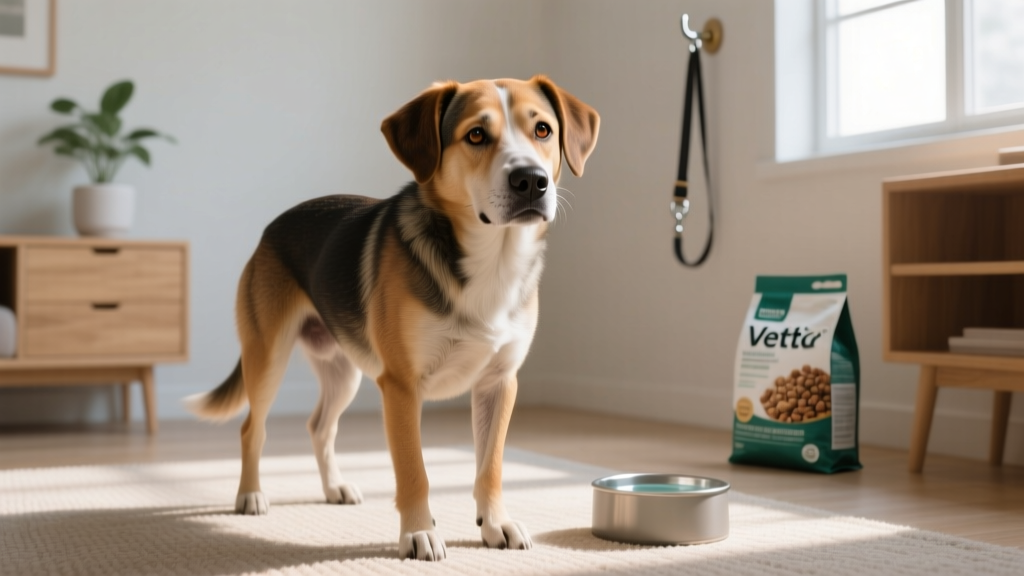
What Should Dogs Not Eat? The Complete Toxic & Safe Food Guide
Discover what should dogs not eat with this evidence-based guide covering toxic foods, safe human foods, serving sizes, and emergency steps for dog owners.

Every dog owner has faced the pleading eyes at the dinner table and wondered: can I share this with my dog? The answer depends entirely on what should dogs not eat versus what's safe in measured portions. This guide gives you clear, veterinary-backed answers so you can make confident decisions at every meal.
Many human foods are safe for dogs in specific portions — carrots, blueberries, plain cooked chicken, and pumpkin are excellent choices. However, several common foods are toxic and potentially fatal, including grapes, raisins, xylitol, chocolate, onions, garlic, macadamia nuts, and alcohol. Always verify a food's safety before offering it, and never feed seasoned, fried, or sugar-added preparations.
Why Knowing What Dogs Should Not Eat Matters
Dogs metabolize foods differently than humans. Their shorter digestive tracts, different liver enzyme pathways, and smaller body sizes mean substances harmless to us can cause kidney failure, hemolytic anemia, or fatal hypoglycemia in dogs. According to the ASPCA Animal Poison Control Center, food-related toxicity calls remain among the top reasons pet owners seek emergency help each year.
The risk isn't just about outright poisons. Even safe foods can cause pancreatitis, obesity, or gastrointestinal obstruction when fed incorrectly. Understanding both the toxic list and the safe-serving framework protects your dog from acute poisoning and chronic health problems alike.
The Definitive List: What Should Dogs Not Eat
The following foods carry documented toxicity risks for dogs. This is not exhaustive, but covers the most common household dangers identified by the Merck Veterinary Manual and veterinary toxicology databases.
| Toxic Food | Toxic Component | Clinical Signs | Onset Time | Severity |
|---|---|---|---|---|
| Grapes & Raisins | Tartaric acid (suspected) | Vomiting, lethargy, acute kidney failure | 6–24 hours | Life-threatening |
| Xylitol (sugar-free gum, peanut butter, baked goods) | Xylitol | Hypoglycemia, seizures, liver failure | 15–30 minutes | Life-threatening |
| Chocolate (dark & baking worst) | Theobromine & caffeine | Vomiting, tremors, arrhythmia, seizures | 1–4 hours | Dose-dependent; potentially fatal |
| Onions, Garlic, Chives, Leeks (Allium family) | N-propyl disulfide | Heinz body hemolytic anemia, weakness, pale gums | 1–5 days (cumulative) | Moderate to severe |
| Macadamia Nuts | Unknown toxin | Hind-limb weakness, vomiting, hyperthermia, tremors | 3–12 hours | Moderate (rarely fatal) |
| Alcohol (beer, wine, spirits, raw dough) | Ethanol | Depression, ataxia, respiratory depression, coma | 30–60 minutes | Life-threatening |
| Cooked Bones | Physical hazard (splintering) | GI perforation, obstruction, choking | Immediate to 48 hours | Surgical emergency |
| Avocado (leaves, bark, pit, skin) | Persin | Vomiting, diarrhea, myocardial damage (high doses) | 1–24 hours | Mild to moderate (flesh is low-risk) |
| Coffee & Tea (grounds, beans, liquid) | Caffeine (methylxanthines) | Restlessness, tachycardia, seizures | 1–2 hours | Dose-dependent; potentially fatal |
| Yeast Dough (unbaked) | Ethanol + gastric expansion | Bloating, GDV risk, ethanol toxicity | 30 minutes–2 hours | Life-threatening |
- Your dog ingested any amount of xylitol, grapes/raisins, or dark chocolate
- Vomiting persists beyond 2 episodes within an hour
- Seizures, collapse, or inability to stand
- Bloody stool or vomit
- Distended abdomen with unproductive retching (possible GDV/bloat)
- Difficulty breathing or blue-tinged gums
ASPCA Animal Poison Control: (888) 426-4435 — available 24/7 (consultation fee applies). Have your dog's weight, the product ingested, and approximate amount ready.
Safe Human Foods: What Dogs CAN Eat and How Much
Not everything on your plate is off-limits. Many whole foods offer genuine nutritional benefits when prepared correctly and portioned to your dog's size. Below is a practical serving guide based on veterinary nutrition guidelines.
Serving Sizes by Dog Weight
| Food | Small Dogs (under 20 lb / 9 kg) | Medium Dogs (20–50 lb / 9–23 kg) | Large Dogs (50+ lb / 23+ kg) | Preparation |
|---|---|---|---|---|
| Blueberries | 3–5 berries | 8–12 berries | 15–20 berries | Wash; serve raw or frozen |
| Carrots | 1–2 baby carrots or 2 Tbsp diced | 3–4 baby carrots or ¼ cup diced | 5–6 baby carrots or ½ cup diced | Raw (chopped small) or steamed; no seasoning |
| Plain Cooked Chicken (boneless, skinless) | 1–2 Tbsp shredded | ¼–⅓ cup shredded | ½–¾ cup shredded | Boiled or baked; no oil, salt, garlic, or onion |
| Plain Canned Pumpkin (not pie filling) | 1 tsp–1 Tbsp | 1–2 Tbsp | 2–4 Tbsp | 100% pure pumpkin; no added sugar or spices |
| Apple Slices | 2–3 thin slices | 4–6 thin slices | 8–10 thin slices | Remove core, seeds, and stem; serve raw |
| Green Beans (plain) | 1–2 Tbsp | ¼ cup | ½ cup | Steamed or canned low-sodium; no butter |
| Watermelon | 2–3 small cubes (½ inch) | 5–8 small cubes | 10–15 small cubes | Remove rind and all seeds; serve raw |
| Plain Greek Yogurt | 1 tsp | 1 Tbsp | 2–3 Tbsp | Unsweetened, unflavored; avoid if lactose intolerant |
| Cooked Sweet Potato | 1–2 Tbsp mashed | 2–4 Tbsp mashed | ¼–½ cup mashed | Baked or boiled; no skin, butter, or seasoning |
| Scrambled Eggs | ½ egg | 1 egg | 1–2 eggs | Cooked plain; no oil, salt, or cheese |
The 10% Rule: Treats and human food additions should never exceed 10% of your dog's total daily caloric intake. For a 30 lb (14 kg) dog eating roughly 700–900 calories per day, that means no more than 70–90 calories from non-kibble sources.
Nutritional Benefits of Safe Human Foods
When chosen wisely, human foods deliver nutrients that complement a balanced commercial diet. Here's what the safe options actually provide:
| Food | Key Nutrients | Benefit for Dogs |
|---|---|---|
| Blueberries | Vitamin C (14.4 mg/cup), Vitamin K (28.6 mcg/cup), manganese, anthocyanins | Antioxidant support; low glycemic index; cognitive health in aging dogs |
| Carrots | Beta-carotene (10,190 mcg/cup), Vitamin A, fiber (3.6 g/cup), potassium | Vision support; dental scraping (raw); low-calorie crunch |
| Pumpkin | Fiber (7 g/cup), Vitamin A (245% DV/cup), potassium, iron | Digestive regulation (both diarrhea and constipation); urinary health |
| Sweet Potato | Beta-carotene, Vitamin B6 (0.3 mg/cup), Vitamin C, manganese, fiber (6.6 g/cup) | Sustained energy; gut health; immune support |
| Sardines (canned in water) | Omega-3 EPA/DHA (1.5–2 g per 3.75 oz can), Vitamin B12, CoQ10, selenium | Coat and skin health; anti-inflammatory; joint support |
| Eggs | Complete protein (6 g/egg), biotin, riboflavin, selenium, choline | Muscle maintenance; coat quality; brain function |
These values are based on USDA FoodData Central entries. Nutrient density varies by preparation — cooking can reduce heat-sensitive vitamins like C, while making others like lycopene more bioavailable.
How to Introduce New Foods Safely
Even safe foods can trigger individual sensitivities. Follow this protocol every time you offer something new:
- Start with 25% of the recommended serving — if the guide says 8 blueberries for your medium dog, offer 2 on day one.
- Feed the new food alone — don't introduce multiple new items simultaneously. If a reaction occurs, you need to identify the culprit.
- Monitor for 24–48 hours — watch for vomiting, diarrhea, excessive gas, itching, ear redness, or behavioral changes.
- Increase to full serving only if no adverse reactions appear within the observation window.
- Log it — keep a simple food journal (a notes app works fine) recording the food, amount, date, and any reactions. This becomes invaluable if your dog develops food sensitivities later.
Preparation Rules That Apply to Every Food
- No seasoning: Salt, pepper, garlic powder, onion powder, and spice blends are all off-limits. Even "a pinch" of garlic powder adds up for a 15 lb dog.
- No added fats: Butter, oil, and bacon grease add unnecessary calories and increase pancreatitis risk, especially in predisposed breeds like Miniature Schnauzers.
- Remove all seeds, pits, cores, and stems from fruits — apple seeds contain amygdalin (cyanogenic glycoside), and peach/cherry pits pose obstruction risks.
- Cook proteins thoroughly — raw chicken and pork carry Salmonella and Trichinella risks. Cooked is safer for routine feeding.
- Serve at room temperature — extremely hot or cold foods can cause oral burns or gastric discomfort.
When NOT to Feed Human Foods
Even foods on the "safe" list aren't appropriate for every dog at every life stage. Here are the situations where you should stick exclusively to your veterinarian-recommended diet:
| Situation | Why to Avoid Human Food Additions | What to Do Instead |
|---|---|---|
| Puppies under 6 months | Developing digestive systems are more sensitive; calcium/phosphorus ratios are critical for bone growth | Use commercial puppy treats formulated for growth-stage nutrition |
| Dogs with pancreatitis (history or active) | Any fat content can trigger flare-ups; even "safe" foods like eggs or peanut butter carry risk | Prescription low-fat diet only; ask your vet about approved treats |
| Dogs with kidney disease (CKD stages 2–4) | Phosphorus and protein content in many human foods accelerates renal damage | Veterinary renal diet; specific low-phosphorus options only with vet approval |
| Dogs on elimination diets (food allergy trials) | Introducing novel proteins or carbohydrates invalidates the trial and resets the 8–12 week timeline | Zero deviations from the prescribed hydrolyzed or novel-protein diet |
| Diabetic dogs | Sugars and carbohydrates in fruits (even blueberries) affect blood glucose curves | Follow your veterinary nutritionist's specific treat allowances |
| Dogs with food allergies (confirmed) | Cross-reactivity is possible; chicken-allergic dogs may react to turkey or eggs | Only feed proteins and produce cleared during your allergy workup |
| Senior dogs with dental disease | Hard raw vegetables (carrots, apples) can fracture compromised teeth | Steam vegetables until soft; mash fruits; avoid hard treats entirely |
Related Foods and Cross-References
Understanding food families helps you anticipate risks. If one member of a food group is toxic, related items often carry similar dangers:
- Grapes → Raisins, currants, sultanas, and wine (all carry the same kidney failure risk; raisins are actually more concentrated and dangerous per gram)
- Onions → Garlic, shallots, leeks, chives, scallions (all Allium species; garlic is approximately 5× more potent than onion by weight)
- Chocolate → Cocoa powder, cacao nibs, coffee, tea, energy drinks, kola nuts (all contain methylxanthines; the darker and more concentrated, the higher the theobromine content)
- Xylitol → Also listed as "birch sugar" on labels since 2022 FDA labeling guidance; found in sugar-free gum, mints, some peanut butters (check every brand), protein bars, nasal sprays, and toothpaste
- Macadamia nuts → While other tree nuts (cashews, almonds) aren't toxic, they're high in fat and pose pancreatitis and obstruction risks; avoid all nuts as a general rule
- Avocado flesh → Guacamole (contains onion and garlic), avocado leaves/bark/peel (higher persin concentration)
What Happens If Your Dog Eats Too Much of a Safe Food
Even non-toxic foods cause problems when dogs overeat. Here's what to expect and how to respond:
Overeating fruit (blueberries, apples, watermelon): Expect loose stools or diarrhea within 4–12 hours due to excess fiber and fructose. Withhold food for 12 hours (water only), then reintroduce a bland diet of boiled chicken and white rice in small portions every 3–4 hours. If diarrhea persists beyond 24 hours or contains blood, consult your veterinarian.
Overeating fatty foods (peanut butter, cheese, fatty meats): This can trigger acute pancreatitis, especially in predisposed breeds. Signs include severe vomiting, a hunched "prayer" posture (front end down, rear up), abdominal pain, and lethargy. This is a veterinary emergency — pancreatitis can be fatal without treatment. Expect diagnostic costs of $300–$800 for bloodwork (cPL test), imaging, and initial IV fluid therapy, with hospitalization adding $1,000–$3,000+ for severe cases.
Overeating bones or hard chews: Watch for signs of GI obstruction — repeated vomiting (especially undigested food hours after eating), loss of appetite, straining to defecate, or producing only small amounts of liquid stool. Obstructions require surgical intervention costing $2,000–$6,000+. Never induce vomiting for bone ingestion without veterinary guidance, as sharp fragments can damage the esophagus on the way back up.
Frequently Asked Questions
Can dogs eat peanut butter?
Yes — but only if it contains zero xylitol (also labeled as birch sugar). Check the ingredient list every time, even for brands you've bought before, as formulations change. Choose unsalted, no-sugar-added varieties. Serving size: ½ teaspoon for small dogs, 1 teaspoon for medium dogs, 1 tablespoon for large dogs, no more than 2–3 times per week due to high fat content.
Is cheese safe for dogs?
In small amounts, yes — low-fat options like mozzarella or cottage cheese are best. However, approximately 10–15% of dogs have some degree of lactose intolerance. Start with a pea-sized amount and monitor for gas, bloating, or diarrhea over 24 hours. Avoid blue cheese and mold-ripened cheeses entirely, as they can contain roquefortine C, which causes vomiting and seizures.
Can dogs eat bread?
Plain, baked white or wheat bread in small pieces is non-toxic but nutritionally empty — it's essentially filler calories. Never feed raw yeast dough (expands in the stomach, produces ethanol). Avoid breads containing raisins, garlic, onion, or xylitol. A thumbnail-sized piece as an occasional treat won't cause harm, but it offers no nutritional benefit.
What should I do if my dog eats something toxic?
First, identify what was eaten, how much, and when. Call your veterinarian or the ASPCA Animal Poison Control at (888) 426-4435 immediately. Do not induce vomiting unless specifically instructed — hydrogen peroxide administration without professional guidance can cause severe esophageal damage or aspiration pneumonia. Bring the product packaging to your emergency visit if possible.
Are grain-free diets safer for dogs?
Not necessarily. The FDA has investigated a potential link between grain-free diets (particularly those high in legumes, peas, and lentils) and dilated cardiomyopathy (DCM) in dogs not typically predisposed to the condition. Unless your dog has a diagnosed grain allergy (which is rare — protein allergies are far more common), a grain-inclusive diet from a manufacturer meeting AAFCO nutritional adequacy standards is a sound choice. Always consult your veterinarian before switching diets.
How do I calculate the right treat portion for my dog?
Take your dog's daily caloric requirement and multiply by 0.10 (the 10% rule). A rough daily calorie estimate for adult dogs at ideal weight: Resting Energy Requirement (RER) = 70 × (body weight in kg)^0.75, then multiply by 1.2–1.4 for a typical neutered adult with moderate activity. For example, a 30 lb (13.6 kg) dog: RER = 70 × (13.6)^0.75 ≈ 495 calories, maintenance ≈ 594–693 calories/day, treat budget ≈ 59–69 calories/day. One medium carrot is about 25 calories; one tablespoon of peanut butter is about 95 calories.
This article provides educational guidance and does not replace professional veterinary advice. Always consult your veterinarian before making significant changes to your dog's diet, especially if your dog has existing health conditions or is on prescription nutrition.
Marcus Aldridge
All our authors care for dogs every day — read more of their work on the authors page.