What Is a Hot Spot on a Dog? Symptoms, Treatment & Prevention
Learn what a hot spot on a dog is, why it develops, how vets diagnose and treat it, and proven prevention strategies to keep your dog comfortable.
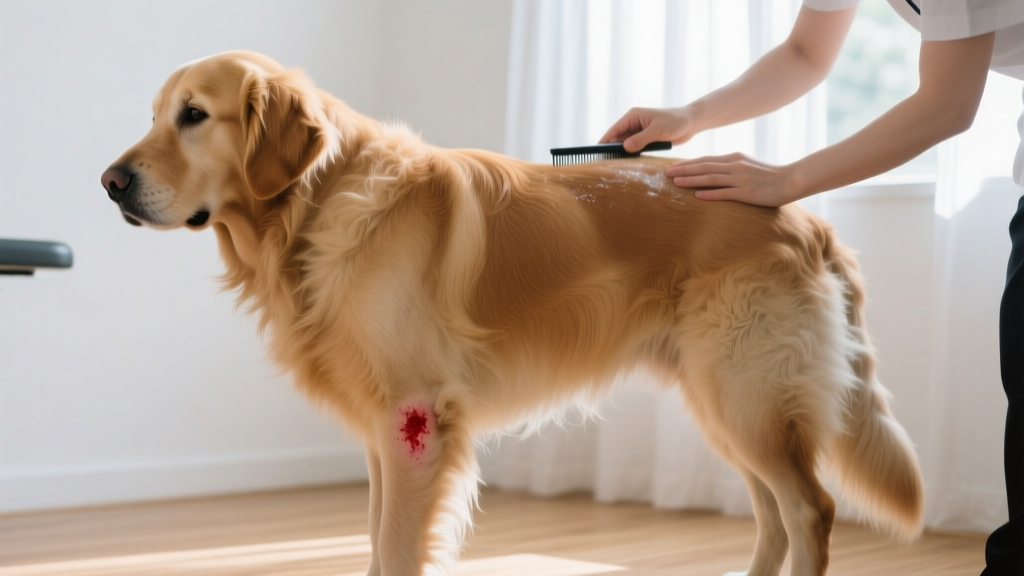
If you've ever noticed your dog frantically licking, chewing, or scratching at one specific area until the skin turns raw and angry-looking, you've likely encountered a hot spot. Medically known as acute moist dermatitis or pyotraumatic dermatitis, a hot spot is a localized skin infection that develops rapidly—sometimes within hours—when a dog's self-trauma breaks the skin barrier, allowing bacteria (usually Staphylococcus pseudintermedius) to proliferate in the warm, moist environment.
Hot spots are among the most common dermatological emergencies in veterinary practice. According to data from Merck Veterinary Manual, superficial pyoderma affects an estimated 10-15% of dogs presented to veterinary clinics annually, with hot spots representing a significant subset of those cases. They can occur in any breed but are disproportionately common in thick-coated, heavy-set breeds that retain moisture close to the skin.
This guide walks you through exactly what causes hot spots, how to recognize them early, what to expect at the vet, and how to prevent recurrence. As always, this information supplements—not replaces—professional veterinary care. If your dog is in discomfort, consult your veterinarian for a proper diagnosis and treatment plan.
What Is a Hot Spot on a Dog?
A hot spot is a well-demarcated area of inflamed, infected skin that appears suddenly and worsens quickly. The lesion typically starts as a small irritated patch—triggered by an itch, insect bite, or minor wound—that the dog then obsessively licks, chews, or scratches. This self-trauma creates a cycle: the broken skin becomes infected, the infection causes more itching, and the dog causes more damage.
The hallmark features of a hot spot include:
- Rapid onset: A hot spot can go from barely noticeable to a 2-3 inch (5-7.5 cm) oozing lesion in 12-24 hours
- Moist, matted fur: The surrounding hair becomes wet, sticky, and often falls out at the margins
- Sharp borders: Unlike generalized skin infections, hot spots have clearly defined edges separating affected from healthy skin
- Intense pruritus (itching): The dog will focus obsessively on the area, sometimes to the point of ignoring food or walks
Hot spots are most commonly found on the head (especially below the ears in floppy-eared breeds), the hips, and the limbs—areas a dog can easily reach with its mouth or hind legs. However, they can develop anywhere on the body where moisture and bacteria become trapped against the skin.
Symptoms Checklist: Early Warning Signs vs. Advanced Hot Spots
Recognizing a hot spot early can mean the difference between a simple at-home management approach and a full veterinary intervention. Use this checklist to assess severity:
| Severity Level | Symptoms | Typical Timeline |
|---|---|---|
| Early (Stage 1) | Focused licking or chewing at one spot; slightly red or irritated skin; small patch of damp or matted fur; mild odor from the area | 0-6 hours after onset |
| Moderate (Stage 2) | Visible raw or pink skin; hair loss in a defined circular or oval patch (1-3 inches / 2.5-7.5 cm); weeping or slight oozing of clear/yellowish fluid; dog becomes agitated when area is touched; warm to the touch | 6-24 hours |
| Advanced (Stage 3) | Lesion larger than 3 inches (7.5 cm); thick yellow or green pus discharge; strong foul odor; crusty or scabbed edges with active oozing center; surrounding tissue swollen; dog may be lethargic or have reduced appetite; possible fever (normal dog temp is 101-102.5°F / 38.3-39.2°C) | 24-72 hours without treatment |
| Severe/Complicated | Multiple hot spots appearing simultaneously; deep tissue involvement (cellulitis); spreading redness beyond the lesion; systemic signs such as fever above 103°F (39.4°C), vomiting, or extreme lethargy; lesion near eyes, genitals, or deep skin folds | 48+ hours untreated, or immunocompromised dogs |
What Causes Hot Spots? Risk Factors and Breed Predisposition
Hot spots are secondary lesions—they don't appear spontaneously. An underlying trigger initiates the itch-scratch cycle, and the self-trauma creates the infection. Understanding these triggers is essential for both treatment and prevention.
Common Hot Spot Triggers
- Flea allergy dermatitis (FAD): The #1 underlying cause—even a single flea bite can trigger a reaction in sensitized dogs
- Environmental allergies (atopic dermatitis): Pollen, mold, dust mites causing generalized itchiness
- Food allergies: Protein sensitivities (beef, chicken, dairy are most common allergens)
- Moisture retention: Swimming, bathing, or humid weather leaving coat damp against skin
- Insect bites or stings: Mosquitoes, ants, spiders causing localized reactions
- Minor wounds or abrasions: Scratches from brush, thorns, or rough play
- Ear infections (otitis externa): Hot spots frequently form below the ear flap in dogs with chronic ear disease
- Anal gland impaction: Hot spots on the hip/tail area often trace back to anal sac issues
- Matted or dirty coat: Tangled fur traps moisture and debris against the skin
- Behavioral causes: Anxiety-driven licking (acral lick dermatitis), boredom, or stress
Risk Factors
| Risk Factor | Details |
|---|---|
| Breed predisposition | Golden Retrievers, Labrador Retrievers, German Shepherds, Rottweilers, St. Bernards, and any thick double-coated breed are at significantly higher risk. Brachycephalic breeds (Bulldogs, Pugs) are prone to hot spots in facial folds. |
| Coat type | Dense, heavy, or long coats trap heat and moisture. Dogs with thick undercoats are especially vulnerable in warm, humid weather. |
| Season | Hot spots peak in summer and early fall when heat, humidity, and flea populations are highest. However, they can occur year-round, especially in dogs with allergies. |
| Age | Most common in dogs aged 1-7 years. Older dogs may develop hot spots secondary to arthritis pain (licking sore joints) or cognitive decline. |
| Swimming frequency | Dogs that swim regularly—especially in lakes or ponds—are at elevated risk if their coat isn't thoroughly dried afterward. |
| Underlying allergies | Dogs with diagnosed atopic dermatitis or food allergies have a recurrence rate estimated at 30-50% within a single season without proper management. |
| Immunosuppression | Dogs on long-term corticosteroids, those with Cushing's disease, or dogs with other immune-compromising conditions are more susceptible. |
How Vets Diagnose Hot Spots: Tests, Costs, and What to Expect
In most straightforward cases, a hot spot diagnosis is made through visual examination and history alone—your vet will look at the lesion, ask about onset and behavior, and check for underlying triggers. However, complicated or recurrent cases require deeper investigation.
Diagnostic Process Flowchart
- Visual examination & history — Vet assesses lesion appearance, location, and asks about recent activities (swimming, flea exposure, diet changes). Cost: Included in exam fee ($50-$85 typical office visit).
- Cytology (tape prep or impression smear) — A sample of cells and debris from the lesion is examined under a microscope to identify bacteria type (cocci vs. rods), yeast (Malassezia), and inflammatory cells. Cost: $30-$65.
- Flea comb and skin scrape — Rules out flea infestation, demodex mites, or sarcoptic mange as underlying triggers. Cost: $25-$50.
- Ear examination (otoscopy) — If the hot spot is on the head/neck, the vet will check for concurrent otitis. Cost: Included in exam or $20-$40 if ear cytology is added.
- Bacterial culture & sensitivity (C&S) — Ordered if the hot spot is recurrent, not responding to first-line antibiotics, or if cytology shows rod-shaped bacteria (suggesting resistant organisms like MRSP—methicillin-resistant Staphylococcus pseudintermedius). Cost: $80-$180, results in 3-5 days.
- Allergy testing — For dogs with recurrent hot spots, intradermal skin testing or serum IgE testing may be recommended to identify specific allergens for immunotherapy. Cost: $250-$600 for serum testing; $400-$800 for intradermal testing.
- Blood work (CBC, chemistry panel) — Recommended if systemic illness is suspected or if the dog is on long-term medications. Cost: $80-$200.
For a first-time, uncomplicated hot spot, expect total diagnostic costs of $80-$150 (exam + cytology). For recurrent or complicated cases requiring culture and allergy workup, diagnostic costs can reach $400-$1,000+.
Treatment Options: Medical, Topical, and Supportive Care
Hot spot treatment follows a multi-pronged approach: stop the self-trauma, treat the infection, manage the pain and inflammation, and address the underlying cause. Your veterinarian will tailor the plan to your dog's specific situation.
| Treatment Type | What It Involves | Typical Cost Range | Success Rate / Notes |
|---|---|---|---|
| Clipping & cleaning | Vet shaves the area around the lesion to expose it to air, then cleans with a chlorhexidine-based antiseptic solution (typically 2-4% chlorhexidine gluconate) | $20-$50 | Essential first step for all hot spots. Exposure to air accelerates drying and healing. Most hot spots show visible improvement within 24-48 hours after proper clipping. |
| Topical antimicrobials | Sprays, gels, or mousses containing chlorhexidine, silver sulfadiazine, or mupirocin applied 1-2 times daily | $15-$40 per product | Effective for mild to moderate hot spots. Products like Vetericyn Plus HydroGel or Douxo S3 Pyo are commonly recommended. Avoid products containing alcohol on open lesions. |
| Systemic antibiotics | Oral antibiotics such as cephalexin (22-30 mg/kg twice daily), amoxicillin-clavulanate (13.75 mg/kg twice daily), or cefpodoxime (5-10 mg/kg once daily) for 2-4 weeks | $20-$80 depending on drug and dog size | Reserved for moderate to severe cases or when cytology confirms significant bacterial overgrowth. Full course must be completed even if the hot spot appears healed. |
| Corticosteroids (short-term) | Oral prednisone (0.5-1 mg/kg, tapering dose over 5-10 days) or a single injection of dexamethasone to rapidly reduce inflammation and break the itch cycle | $10-$35 for oral; $25-$60 for injectable | Highly effective for stopping the itch-scratch cycle quickly. Not suitable for long-term use due to side effects (increased thirst, urination, appetite, immunosuppression). Your vet will determine appropriate dosing. |
| Topical steroid sprays | Hydrocortisone aceponate spray (Cortavance) or triamcinolone spray applied to the lesion to reduce local inflammation | $25-$55 | Good alternative to systemic steroids for mild cases. Lower risk of systemic side effects. Must prevent dog from licking the area after application. |
| Elizabethan collar (E-collar/cone) | Physical barrier to prevent the dog from reaching and re-traumatizing the lesion | $10-$30 for standard plastic cone; $20-$45 for inflatable or soft recovery collars | Critical component of treatment. Without preventing self-trauma, no topical or systemic treatment will succeed. Must be worn until the lesion is fully healed—typically 7-14 days. |
| Flea treatment | If FAD is the trigger, immediate application of a prescription flea preventive (e.g., Bravecto, NexGard, Simparica Trio, or Credelio) | $40-$65 per dose | Addressing flea allergy is mandatory if FAD is suspected. Over-the-counter flea products are often insufficient for allergic dogs. |
| Sedation | For dogs in extreme pain or those that won't allow clipping, mild sedation (dexmedetomidine or trazodone) may be used | $40-$100 | Not routinely needed but important for severe cases or highly anxious dogs. Allows thorough cleaning and assessment without causing additional stress. |
Can Hot Spots Be Cured?
Yes. A single hot spot, properly treated, typically resolves completely within 7-14 days. The prognosis for an isolated, uncomplicated hot spot is excellent—near 100% resolution with appropriate veterinary care and owner compliance (keeping the cone on, completing medications, preventing re-licking).
However, the underlying cause determines whether hot spots recur. If your dog's hot spot was triggered by a one-time event (an insect bite, a minor scrape, a single swim without proper drying), recurrence is unlikely once the trigger is removed. If the underlying cause is chronic allergies, recurrent ear infections, or hypothyroidism, hot spots will likely return unless the root condition is managed long-term.
Prognosis by Severity: What to Expect During Recovery
| Stage | Expected Healing Time | Outcome |
|---|---|---|
| Early (Stage 1) | 3-5 days with prompt treatment | Full resolution with clipping, cleaning, and topical treatment alone. Systemic antibiotics usually not needed. Hair regrowth begins within 1-2 weeks. |
| Moderate (Stage 2) | 7-14 days | Full resolution expected with clipping, topical antimicrobials, and possibly a short course of oral antibiotics or steroids. Complete hair regrowth in 3-6 weeks. Minor scarring is rare. |
| Advanced (Stage 3) | 2-4 weeks | Full resolution expected but requires systemic antibiotics, anti-inflammatories, and diligent wound care. Some post-inflammatory hyperpigmentation (darkened skin) may persist for weeks to months. Hair regrowth may be slower (6-12 weeks). |
| Severe/Complicated | 4-8 weeks or longer | Requires aggressive treatment including culture-guided antibiotics, possible surgical debridement if deep tissue is involved, and investigation of underlying immune or systemic disease. Prognosis depends on identifying and managing the root cause. Recurrence risk is high without comprehensive management. |
Home Care and Daily Management During Recovery
Once your vet has initiated treatment, your role at home is critical to preventing setbacks. Here's a practical daily care protocol:
Daily Wound Care Routine
- Gently clean the area 1-2 times daily using a vet-recommended antiseptic wipe or a dilute chlorhexidine solution (mix 1 part 4% chlorhexidine with 4 parts water). Pat—don't rub—the area with a clean gauze pad.
- Apply topical medication as prescribed. Allow it to absorb for 5-10 minutes before replacing the E-collar.
- Monitor for changes: Check that the lesion is drying out (less oozing each day), shrinking in size, and that no new hot spots are forming elsewhere.
- Keep the E-collar on at all times—yes, including overnight and when you're watching. Even 30 seconds of licking can undo days of healing.
- Keep the coat dry. Avoid bathing the dog until the hot spot is fully healed unless directed by your vet. If the dog goes outside in rain, pat the area dry immediately.
What NOT to Do
- Don't apply human antibiotic ointments (Neosporin, Bacitracin) without veterinary approval—dogs lick these off immediately, and some formulations contain ingredients that can cause GI upset or allergic reactions.
- Don't use hydrogen peroxide or rubbing alcohol on the hot spot. Both damage healing tissue and delay recovery. Veterinarians moved away from these decades ago.
- Don't cover or bandage the hot spot unless specifically instructed by your vet. Hot spots heal best when exposed to air. Occlusive bandages trap moisture and worsen the infection.
- Don't shave the area yourself with human clippers if the dog is in pain—you risk cutting the already-damaged skin. Let the vet handle clipping under proper conditions.
- Don't stop medications early just because the hot spot "looks better." Incomplete antibiotic courses contribute to bacterial resistance and relapse.
How Much Does Hot Spot Treatment Cost?
Treatment costs vary significantly based on severity, your geographic location, and whether the case is straightforward or requires extensive diagnostics. Here's a realistic breakdown based on 2025-2026 US veterinary pricing:
| Expense Category | Mild/Uncomplicated Case | Moderate Case | Severe/Recurrent Case |
|---|---|---|---|
| Veterinary exam fee | $50-$85 | $50-$85 | $50-$85 (initial) + $50-$85 (rechecks) |
| Cytology / diagnostics | $0-$30 (may be waived) | $30-$65 | $80-$250 (including C&S, blood work) |
| Clipping & cleaning | $20-$40 | $30-$50 | $40-$80 (may require sedation: +$40-$100) |
| Medications (topical + oral) | $15-$35 | $40-$80 | $60-$180 (culture-guided antibiotics cost more) |
| E-collar / recovery suit | $10-$25 | $15-$35 | $15-$50 |
| Allergy workup (if needed) | $0 | $0 | $250-$800 |
| Total estimated cost | $95-$215 | $165-$315 | $535-$1,445+ |
For dogs with chronic, recurrent hot spots driven by allergies, ongoing management costs include prescription flea preventives ($40-$65/month), allergy medications like Apoquel (oclacitinib, $50-$90/month) or Cytopoint injections ($65-$150 every 4-8 weeks), and periodic recheck visits. Annual management costs for a dog with chronic allergic dermatitis can range from $600-$2,500 depending on the treatment protocol.
Most standard pet insurance policies cover hot spot treatment under illness coverage, though deductibles and co-pays apply. If your dog has a history of skin issues, check whether hot spots are classified as a pre-existing condition under your policy.
Prevention Strategies: Stopping Hot Spots Before They Start
Prevention is far less expensive and stressful than treatment. A comprehensive prevention plan addresses the most common triggers:
Flea Control
Year-round flea prevention is the single most impactful step for hot spot prevention. Prescription oral preventives (Bravecto, NexGard, Simparica) provide consistent protection and are far more reliable than over-the-counter topical products. Even indoor dogs need flea prevention—fleas hitchhike inside on clothing and other pets.
Coat and Skin Management
- Regular grooming: Brush thick-coated breeds 2-3 times per week to prevent matting and distribute natural oils. For heavy-coated breeds, consider a professional deshedding treatment every 6-8 weeks during warm months.
- Thorough drying: After every swim or bath, dry your dog completely—use a high-velocity dog dryer (like the Metro Air Force Commander, $130-$180) for double-coated breeds. Pay special attention to ear flaps, armpits, groin, and skin folds.
- Summer clipping: For very thick-coated breeds, a professional summer clip (not shaved to the skin—leave at least 1 inch / 2.5 cm to protect from sunburn) can significantly reduce moisture retention.
- Regular bathing with medicated shampoo: For dogs with a history of hot spots, weekly bathing with a chlorhexidine-based shampoo (such as Douxo S3 Pyo or Malaseb) during peak season can reduce bacterial load on the skin.
Allergy Management
If your dog has diagnosed allergies, consistent management is essential. This may include:
- Prescription allergy medication (Apoquel, Cytopoint, or Atopica) as directed by your vet
- Allergen-specific immunotherapy (allergy shots or sublingual drops) based on testing results
- Dietary trials with a hydrolyzed protein or novel protein diet if food allergy is suspected (typically an 8-12 week strict trial)
- Environmental modifications: air purifiers, frequent washing of bedding in hypoallergenic detergent, wiping paws and coat after outdoor exposure
Behavioral Management
For dogs that lick due to anxiety or boredom, address the root behavioral cause:
- Increase physical exercise and mental enrichment (puzzle feeders, snuffle mats, training sessions)
- Consult a certified professional dog trainer (CPDT) or veterinary behaviorist for anxiety-driven compulsive licking
- Use positive reinforcement to redirect licking behavior—never punish the dog, as this increases anxiety and can worsen the behavior
When to See the Vet: Red Flag Symptoms
🚨 Call Your Vet Immediately If:
- The hot spot is near the eyes, mouth, or genitals—these sensitive areas require professional treatment to avoid complications
- Your dog has a fever above 103°F (39.4°C)—check with a rectal thermometer
- The lesion is rapidly expanding (visibly larger within hours)
- You see red streaks radiating from the lesion—this suggests lymphangitis (spreading infection through lymphatic vessels)
- Your dog is lethargic, refusing food, or vomiting—signs that the infection may be becoming systemic
- The hot spot smells severely foul beyond the typical "wet dog" odor of a mild lesion
- Multiple hot spots are appearing simultaneously across the body
- The hot spot hasn't improved after 48 hours of home care and veterinary treatment
- Your dog is immunocompromised (on chemotherapy, long-term steroids, or has Cushing's disease or diabetes)
- The hot spot appears to involve deep tissue—the area feels firm, swollen, or hot well beyond the visible lesion borders
After-hours emergency: If your regular vet is closed and your dog shows systemic signs (fever, lethargy, spreading infection), contact your nearest emergency veterinary clinic. For suspected toxic ingestion of any topical product your dog may have licked, call ASPCA Animal Poison Control at (888) 426-4435 (24/7, consultation fee applies).
Frequently Asked Questions
What is a hot spot on a dog, and is it contagious?
A hot spot (acute moist dermatitis) is a localized bacterial skin infection caused by a dog's self-trauma—licking, chewing, or scratching at an itchy area until the skin breaks and becomes infected. Hot spots are not contagious to other dogs or to humans. The bacteria involved (Staphylococcus pseudintermedius) is a normal resident of canine skin that only causes infection when the skin barrier is compromised. However, if the underlying trigger is fleas, those fleas can spread to other pets.
Can I treat a hot spot at home without going to the vet?
Very early, mild hot spots (small, just starting, minimal oozing) can sometimes be managed at home by clipping the hair around the area, gently cleaning with dilute chlorhexidine, applying a vet-recommended topical spray, and using an E-collar to prevent licking. However, if the hot spot is larger than a quarter (about 1 inch / 2.5 cm), is oozing pus, smells bad, or isn't improving within 24 hours of home care, a veterinary visit is necessary. Delaying professional treatment often results in a larger, more painful—and more expensive—problem.
Which dog breeds are most prone to hot spots?
According to the American Kennel Club, breeds most commonly affected include Golden Retrievers, Labrador Retrievers, German Shepherds, Rottweilers, St. Bernards, and other large, thick-coated breeds. Brachycephalic breeds like English Bulldogs and Pugs are prone to hot spots in facial folds and tail pockets. However, any dog—regardless of breed—can develop a hot spot if the conditions are right (moisture, heat, skin trauma, and bacterial presence).
How long does a hot spot take to heal?
With proper veterinary treatment, most mild to moderate hot spots heal within 7-14 days. You should see noticeable improvement (drying, reduced redness, decreased itching) within the first 48-72 hours. Severe or deep hot spots may take 3-4 weeks or longer. Complete hair regrowth typically takes 3-6 weeks after the skin has fully healed. If the hot spot is not improving after 3 days of treatment, contact your vet—the treatment plan may need adjustment or the diagnosis may need to be reconsidered.
What is the life expectancy of a dog that gets hot spots?
Hot spots themselves do not affect life expectancy. They are superficial skin infections that, while painful and uncomfortable, are not life-threatening when properly treated. Even severe hot spots rarely cause fatal complications in otherwise healthy dogs. The exception is if a deep infection progresses to sepsis (blood poisoning)—but this is extremely rare and almost always involves significant delays in seeking treatment or severe underlying immunosuppression. The real impact of recurrent hot spots is on quality of life, not lifespan.
Are hot spots the same as pyoderma?
Hot spots are a specific type of pyoderma (bacterial skin infection). Pyoderma is a broad category that includes superficial bacterial folliculitis, intertrigo (skin fold infections), and deep pyoderma. Hot spots fall under the classification of pyotraumatic dermatitis—a pyoderma caused by self-inflicted trauma. Your vet may use these terms interchangeably when discussing your dog's condition.
Can hot spots be caused by stress or anxiety?
Yes. Dogs that compulsively lick due to anxiety, boredom, or stress can develop hot spots as a secondary consequence. This is sometimes called acral lick dermatitis when it occurs on the paws or limbs. In these cases, treating the hot spot alone won't solve the problem—the behavioral trigger must be addressed through increased enrichment, behavior modification using positive reinforcement techniques, and potentially anti-anxiety medication prescribed by your veterinarian or a veterinary behaviorist.
This article is for informational purposes only and does not replace professional veterinary advice. Always consult your veterinarian for diagnosis and treatment of your dog's health conditions. Sources referenced include the Merck Veterinary Manual, the American Kennel Club, and the American Veterinary Medical Association.
Marcus Aldridge
All our authors care for dogs every day — read more of their work on the authors page.