A Tick Look Like on a Dog? Identification, Risks
Learn what a tick looks like on a dog at every life stage, how to safely remove it, and the best prevention products to protect your dog from tick-borne diseases.
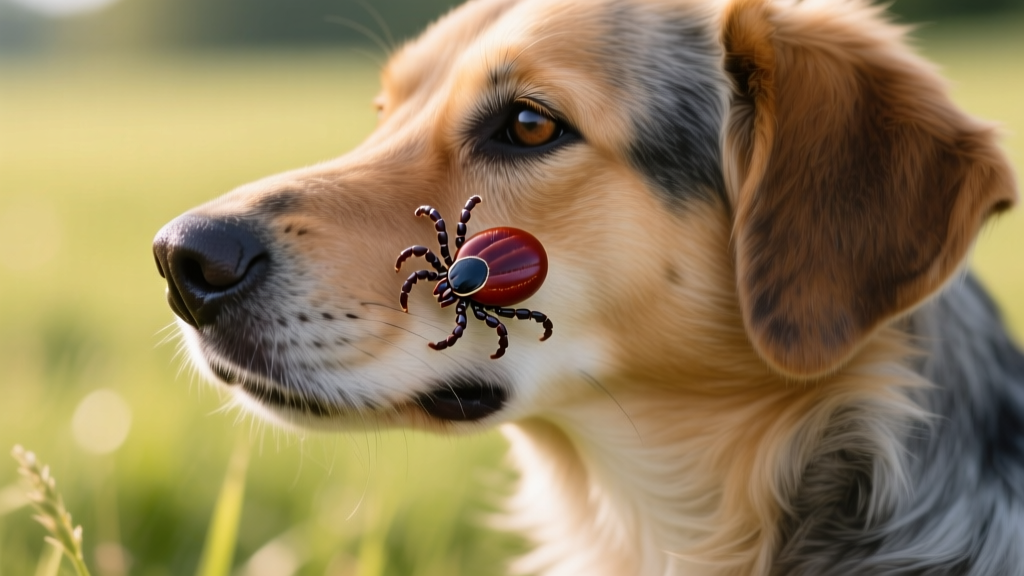
If you've ever spotted a small bump on your dog's skin during a post-walk check and felt that jolt of worry, you're not alone. Tick encounters are one of the most common parasite concerns dog owners bring to their veterinarians, and with tick-borne illnesses like Lyme disease on the rise across the United States, knowing exactly what you're looking at is critical.
This guide breaks down tick identification at every life stage, the diseases they carry, how to safely remove them, and which prevention products actually work — so you can stop guessing and start protecting.
What Does a Tick Look Like on a Dog? A Visual Identification Guide
Ticks change dramatically in appearance depending on their life stage, species, and whether they've been feeding. Here's what to look for when you're doing a thorough coat check.
Tick Identification by Life Stage
| Life Stage | Size | Color | Legs | Where Found on Dog |
|---|---|---|---|---|
| Larva (seed tick) | ~0.5 mm (pinhead) | Reddish-brown to tan | 6 legs | Lower legs, paws, between toes |
| Nymph | 1–2 mm (poppy seed) | Dark brown to black | 8 legs | Ears, neck, armpits, groin |
| Unfed Adult | 3–5 mm (sesame seed to small lentil) | Varies by species (see below) | 8 legs | Ears, eyelids, under collar, tail base, between toes |
| Engorged Adult | 10–15 mm (grape to small raisin) | Gray, bluish-gray, or silvery | 8 legs (often hidden) | Same areas, but more obvious due to swelling |
Common Tick Species You'll Encounter on Dogs
Not all ticks look alike. The species you're likely to encounter depends heavily on your region:
- Black-legged tick (Ixodes scapularis) — Also called the deer tick. Adults are reddish-brown with a dark shield (scutum) behind the head. Primary vector for Lyme disease in the Northeast and Upper Midwest. Nymphs are extremely small (poppy seed-sized) and easily missed.
- American dog tick (Dermacentor variabilis) — Larger than deer ticks, with whitish-gray markings on a dark brown body. Found east of the Rocky Mountains and in parts of the Pacific Coast. Carries Rocky Mountain spotted fever and tularemia.
- Brown dog tick (Rhipicephalus sanguineus) — Uniformly reddish-brown, elongated body shape. The only tick species that can complete its entire life cycle indoors, making it a year-round problem in kennels and homes. Found worldwide.
- Lone Star tick (Amblyomma americanum) — Females have a distinctive white dot (the "lone star") on their back. Aggressive biters found primarily in the Southeast and South-Central U.S. Carries ehrlichiosis and tularemia.
- Pacific coast tick (Dermacentor occidentalis) — Found along the West Coast. Similar appearance to the American dog tick but with more pronounced cream-colored markings.
Tick vs. Skin Tag vs. Nipple: How to Tell the Difference
Engorged ticks are frequently mistaken for skin tags, nipples, or small growths. Here's a quick decision framework:
- Look for legs. Part the fur and examine the base closely. Ticks have visible legs (8 in nymphs and adults) near the skin surface. Skin tags and nipples do not.
- Check for attachment. A tick's mouthparts are embedded in the skin. If you gently try to lift it and it's firmly anchored with a single point of attachment, it's likely a tick. Skin tags are soft, flexible, and can be moved.
- Note the color and shape. Engorged ticks are smooth, round to oval, and grayish. Skin tags tend to match surrounding skin color or are slightly darker and have an irregular shape.
- Count nipples. Dogs typically have 8–10 nipples arranged in two parallel rows along the belly. If you find a "bump" along this line and there's a matching one on the other side, it's probably a nipple.
The Tick Life Cycle: How These Parasites Spread and Reproduce
Understanding the tick life cycle explains why a single encounter can lead to a larger problem — and why prevention needs to be consistent.
Four-Stage Life Cycle (Typical Timeline: 2–3 Years)
- Egg — A single engorged female lays 1,500–5,000 eggs in leaf litter, tall grass, or sheltered outdoor areas. Eggs hatch in 2–4 weeks depending on temperature and humidity.
- Larva — Six-legged "seed ticks" climb low vegetation and wait for a passing host (mouse, bird, or dog). They feed for 3–5 days, then drop off to molt. Larvae can survive months without feeding.
- Nymph — Eight-legged nymphs are the most dangerous stage for disease transmission because their tiny size makes them nearly impossible to spot. They feed for 4–6 days before dropping to molt. Nymphs are most active in late spring and early summer.
- Adult — Adults climb higher vegetation (up to knee-height) and quest for larger hosts like dogs, deer, or humans. Females feed for 7–10 days, becoming massively engorged, then drop off to lay eggs and die. Males feed intermittently and may remain on the host for weeks.
A critical detail many owners miss: ticks do not jump or fall from trees. They use a behavior called "questing" — clinging to grass blades with their back legs and reaching out with their front legs to latch onto a passing animal. This is why dogs pick up ticks primarily on their lower legs, chest, and face after brushing through vegetation.
How Do Dogs Get Ticks? Transmission Routes Explained
Dogs encounter ticks through direct environmental contact. There is no dog-to-dog transmission of ticks themselves, but a dog carrying ticks into your home can lead to secondary infestations (especially with the brown dog tick).
High-Risk Environments
- Wooded areas and forest edges — especially where deer trails intersect with walking paths
- Tall grass, meadows, and overgrown fields
- Leaf litter and brush piles
- Stone walls and woodpile borders (rodent habitats attract ticks)
- Kennels and dog parks where brown dog ticks may have established indoor populations
Seasonal Risk Calendar by Region
| Region | Peak Tick Season | Year-Round Risk? | Dominant Species |
|---|---|---|---|
| Northeast (ME to VA) | April–October (nymphs peak May–July) | Yes — adult deer ticks active whenever temps exceed 37°F (3°C) | Black-legged tick |
| Upper Midwest (MN, WI, MI) | April–October | Moderate — milder winters extend activity | Black-legged tick, American dog tick |
| Southeast (NC to FL) | March–November | Yes — warm climate sustains year-round activity | Lone Star tick, American dog tick, brown dog tick |
| South-Central (TX, OK, AR) | March–November | Yes — especially brown dog tick indoors | Lone Star tick, brown dog tick |
| West Coast (CA, OR, WA) | April–September (varies by elevation) | Moderate — coastal areas have longer seasons | Pacific coast tick, western black-legged tick |
| Mountain West (CO, UT, MT) | May–September (elevation-dependent) | Low — cold winters suppress activity | Rocky Mountain wood tick |
According to the American Kennel Club, climate change is expanding tick habitats northward and to higher elevations, meaning areas that historically had short tick seasons are seeing longer periods of risk. The Companion Animal Parasite Council (CAPC) recommends year-round prevention for dogs in most of the continental United States.
Tick-Borne Diseases in Dogs: Health Risks You Need to Know
Ticks are more than a nuisance — they're efficient disease vectors. A single bite from an infected tick can transmit serious, sometimes life-threatening illnesses. Here are the major tick-borne diseases affecting dogs in the U.S.:
| Disease | Vector Tick | Transmission Time | Common Symptoms | Severity |
|---|---|---|---|---|
| Lyme Disease (Borrelia burgdorferi) | Black-legged tick | 36–48 hours of attachment | Lameness (shifting legs), fever, swollen joints, lethargy, kidney damage (Lyme nephritis) | Moderate to severe — kidney form can be fatal |
| Ehrlichiosis (Ehrlichia canis/E. ewingii) | Brown dog tick, Lone Star tick | 24–48 hours | Fever, lethargy, bruising/bleeding, weight loss, neurological signs | Severe — can cause bone marrow suppression |
| Anaplasmosis (Anaplasma phagocytophilum) | Black-legged tick | 24–48 hours | Fever, joint pain, lethargy, sometimes vomiting/diarrhea | Moderate — usually responds to doxycycline |
| Rocky Mountain Spotted Fever (Rickettsia rickettsii) | American dog tick, Rocky Mountain wood tick | 2–24 hours (rapid transmission) | Fever, facial/limb swelling, vasculitis, neurological signs | Severe — fatality rate up to 5–10% without treatment |
| Babesiosis (Babesia spp.) | Brown dog tick (also dog-to-dog via bite) | 48–72 hours | Anemia, dark urine, fever, weakness, jaundice | Severe — can cause life-threatening hemolytic anemia |
| Hepatozoonosis (Hepatozoon americanum) | Gulf Coast tick (dog ingests infected tick) | Upon ingestion | Muscle wasting, fever, severe pain, reluctance to move | Severe — often chronic, requires long-term treatment |
The transmission time column is critical: most tick-borne pathogens require the tick to be attached for 24–48 hours before transmission occurs. This is why prompt removal and consistent prevention are your best defenses. However, Rocky Mountain spotted fever is a notable exception, with transmission possible in as little as 2 hours.
Seek veterinary care if your dog develops any of these signs within 1–4 weeks after a known tick bite:
- Sudden lameness or shifting-leg limp
- Fever above 103°F (39.4°C)
- Unexplained bruising or bleeding (nosebleeds, blood in urine)
- Severe lethargy or refusal to eat for more than 24 hours
- Neurological signs (head tilt, seizures, stumbling)
- Dark or cola-colored urine
Early treatment with doxycycline (typically $20–$50 for a course) is highly effective for most tick-borne diseases, but delayed treatment can lead to chronic complications or organ failure.
How to Safely Remove a Tick From Your Dog
Proper removal technique matters. Crushing a tick's body or leaving mouthparts embedded can increase the risk of disease transmission or cause a local infection.
Step-by-Step Tick Removal
- Gather supplies: Fine-tipped tweezers (not regular slant-tip cosmetic tweezers), isopropyl alcohol, a small sealed container or ziplock bag, and disposable gloves.
- Restrain your dog gently: Have a second person hold and comfort your dog if possible. A treat or lick mat can help keep them still.
- Part the fur around the tick to get a clear view of the attachment point at skin level.
- Grasp the tick as close to the skin as possible using fine-tipped tweezers. You want to grab the tick's head/mouthparts, not its engorged body.
- Pull straight upward with steady, even pressure. Do NOT twist, jerk, or squeeze the tick's body — this can cause mouthparts to break off or force infected fluids into the bite wound.
- Clean the bite site with isopropyl alcohol or chlorhexidine solution. Wash your hands and the tweezers thoroughly.
- Preserve the tick in a sealed container with a damp cotton ball (for potential species identification or disease testing by your vet). Note the date of removal.
- Monitor the site for 7–10 days. A small red bump is normal. Expanding redness, swelling, or discharge warrants a vet visit.
Do NOT use these methods: Applying petroleum jelly, nail polish, a hot match, or essential oils to "suffocate" the tick. These folk remedies cause the tick to regurgitate gut contents into the bite wound, significantly increasing disease transmission risk. The CDC and veterinary dermatologists universally recommend mechanical removal with tweezers as the only safe method.
If you're unable to remove the complete tick or if a large area of skin is affected, your veterinarian can remove it during a standard office visit (typically $50–$85 exam fee, no anesthesia required for simple removal).
Tick Prevention Products: What Works, What Doesn't, and How to Choose
The tick prevention market is crowded, and not all products are created equal. Here's an evidence-based comparison of the major categories available in 2026.
Prevention Product Comparison
| Category | Examples | Active Ingredients | Duration | Efficacy vs. Ticks | Cost Range | Key Considerations |
|---|---|---|---|---|---|---|
| Oral chewables (isoxazolines) | Bravecto, NexGard, Simparica, Credelio | Fluralaner, afoxolaner, sarolaner, lotilaner | 30–90 days depending on product | High — kills ticks within 12–48 hours of bite; Bravecto covers 12 weeks | $20–$65 per dose | Requires prescription. Rare neurological side effects reported (seizures in predisposed dogs). FDA issued advisory in 2018; consult vet for dogs with seizure history. |
| Topical spot-on | K9 Advantix II, Frontline Plus, Vectra 3D | Imidacloprid/permethrin, fipronil/(S)-methoprene, dinotefuran/permethrin/pyriproxyfen | 30 days | Moderate to high — kills and repels; Vectra 3D has "hot feet" effect causing ticks to detach before biting | $15–$45 per dose | Available OTC and Rx. Must not bathe/swim 48 hours before or after application. Permethrin is HIGHLY TOXIC to cats — separate pets during drying. |
| Tick collars | Seresto, Preventic | Imidacloprid/flumethrin, amitraz | 7–8 months (Seresto) | High — Seresto provides sustained release; Preventic targets ticks specifically | $25–$65 per collar | Seresto available OTC. Ensure proper fit (2 fingers between collar and neck). Rare skin reactions reported. Counterfeit collars are a significant problem — buy from veterinarian or authorized retailer only. |
| Sprays/wipes | Frontline Spray, various natural sprays | Fipronil, essential oil blends | Hours to a few days | Low to moderate — useful as supplemental protection, not standalone | $10–$25 per bottle | Good for quick application before a hike. Essential oil-based products have limited proven efficacy and some oils (tea tree, citrus) are toxic to dogs. |
| Lyme vaccine | Nobivac Lyme, Vanguard Lyme | Borrelia burgdorferi bacterin or OSP-A subunit | Annual booster required | Targets Lyme only — does NOT protect against other tick-borne diseases | $25–$45 per dose | Recommended for dogs in high-risk Lyme areas. Requires initial 2-dose series (2–4 weeks apart), then annual boosters. Discuss with your vet based on your dog's exposure risk. |
Important safety note: The isoxazoline class (oral chewables) received an FDA advisory in 2018 regarding rare neurological adverse events including muscle tremors and seizures. While the overall incidence is very low, dogs with a history of seizures or neurological conditions should use these products only under direct veterinary guidance. Your veterinarian can help weigh the risk of tick-borne disease against the small risk of adverse drug reaction.
What about "natural" tick prevention? Products containing cedar oil, lemongrass, or geranium oil may offer mild repellent effects in laboratory settings, but field studies consistently show significantly lower efficacy compared to FDA-approved or EPA-registered products. Relying solely on natural repellents in a high-tick area leaves your dog vulnerable to serious disease.
Treating a Tick Infestation: OTC vs. Prescription Options
If your dog is carrying multiple ticks or you've found evidence of a brown dog tick infestation in your home, you need a multi-pronged treatment approach.
Immediate Treatment Protocol
- Remove all visible ticks using the tweezer method described above. Check every inch of your dog's body, including inside ears, between toes, under the tail, and under the collar.
- Apply a fast-acting acaricide. Your veterinarian can prescribe an oral isoxazoline (e.g., Bravecto or NexGard) that will kill any remaining attached ticks within 12–24 hours. This is the most effective single-step treatment.
- Bathe your dog with a tick-specific shampoo containing pyrethrins or permethrin (for dogs only — never use on cats). This provides immediate knockdown of any loose ticks in the coat. Cost: $8–$15 per bottle.
- Test for tick-borne diseases. A SNAP 4Dx Plus test (in-clinic blood test) screens for Lyme, ehrlichiosis, anaplasmosis, and heartworm simultaneously. Cost: $50–$85. Note that antibodies may not be detectable for 3–5 weeks post-exposure, so your vet may recommend retesting.
Environmental Control: Treating Your Home and Yard
Skipping environmental treatment is the number one reason tick problems recur, especially with brown dog ticks (the only species that reproduces indoors).
Yard treatment:
- Apply a permethrin-based yard spray (e.g., Sawyer Permethrin or Black Flag yard treatment) to the perimeter of your property, along fence lines, and in shaded areas where ticks quest. Cost: $15–$30 per treatment, effective for 3–4 weeks.
- Keep grass mowed short (under 3 inches). Remove leaf litter, clear brush, and create a 3-foot gravel or wood chip barrier between wooded areas and your lawn.
- Consider beneficial nematodes (Steinernema feltiae) as a biological control — these microscopic worms parasitize tick larvae in soil. Available at garden centers for $20–$35 per application covering ~2,000 sq ft.
- Discourage wildlife hosts (deer, rodents) by securing trash, removing bird feeders near dog areas, and installing deer fencing if feasible.
Indoor treatment (critical for brown dog tick):
- Wash all dog bedding in hot water (above 130°F / 54°C) and dry on high heat for at least 30 minutes.
- Vacuum thoroughly — carpets, baseboards, under furniture, and crate crevices. Dispose of the vacuum bag or empty the canister into an outdoor trash bin immediately.
- Apply an insect growth regulator (IGR) spray containing methoprene or pyriproxyfen to baseboards, cracks, and dog sleeping areas. These prevent tick eggs and larvae from developing. Cost: $15–$25 per can.
- For severe indoor infestations, professional pest control treatment costs $150–$350 and typically requires 2–3 visits spaced 2–3 weeks apart.
Can Ticks Spread to Humans or Other Pets? Zoonotic Risks
Yes — ticks are a significant zoonotic concern. While ticks themselves don't transfer directly from dog to human, a dog that carries ticks into your home creates shared exposure risk.
Direct Risks to Humans
- Ticks carried into the home on a dog's coat can detach and bite humans. The same species that bite dogs (deer ticks, American dog ticks, Lone Star ticks) also bite people.
- Humans are susceptible to Lyme disease, Rocky Mountain spotted fever, ehrlichiosis, anaplasmosis, and alpha-gal syndrome (a red meat allergy triggered by Lone Star tick bites).
- Children are at higher risk because they play at ground level where ticks quest.
Risks to Other Pets
- Cats can be bitten by the same tick species and contract cytauxzoonosis (often fatal), anaplasmosis, and Lyme disease (though cats appear more resistant to Lyme).
- Critical warning: Permethrin-based tick products designed for dogs are HIGHLY TOXIC to cats and can cause fatal seizures. If you use a permethrin topical on your dog, keep cats away until the application site is completely dry (usually 24–48 hours).
- Multi-pet households should treat all animals simultaneously to prevent ticks from simply switching hosts.
If a household member develops a bull's-eye rash (erythema migrans), fever, or flu-like symptoms after potential tick exposure, they should seek medical care promptly. The CDC recommends that early Lyme disease in humans is highly treatable with a 10–14 day course of doxycycline.
How Often Should You Treat Your Dog for Ticks?
The short answer: prevention should be continuous during tick season, and year-round in most of the U.S. Here's a practical schedule:
- Oral isoxazolines: Every 30 days (NexGard, Simparica, Credelio) or every 90 days (Bravecto). Set a phone reminder — missed doses leave gaps in protection.
- Topical products: Every 30 days, applied consistently. Water exposure degrades efficacy, so avoid swimming/bathing 48 hours before and after.
- Tick collars: Replace Seresto every 8 months; Preventic every 3 months. Mark replacement dates on your calendar.
- Post-hike checks: Perform a full-body tick check within 2 hours of returning from any wooded or grassy area. This is your second line of defense — no product is 100%.
- Annual tick-borne disease screening: Include a 4Dx test at your dog's annual wellness exam, even if they're on prevention. Breakthrough infections can occur.
Consult your veterinarian to choose the right product based on your dog's age, weight, breed, health status, and geographic risk factors. Puppies under 8 weeks of age have limited product options — your vet will advise on safe alternatives.
Frequently Asked Questions
How do I know if my dog has a tick?
Run your hands over your dog's entire body after outdoor activity, paying special attention to ears, under the collar, armpits, groin, and between toes. Unfed ticks feel like small, hard bumps. Engorged ticks are more visible — smooth, round, and grayish. Use a fine-toothed comb to help detect nymphs that your fingers might miss.
What should I do if the tick's head stays in my dog's skin?
Don't panic. Clean the area with chlorhexidine or isopropyl alcohol and apply a warm compress 2–3 times daily. The body will typically expel the remaining mouthparts within a few days, similar to a splinter. If the area becomes red, swollen, or oozes pus after 3–4 days, see your vet — a small abscess may need treatment. Do NOT dig at the site with tweezers or a needle, as this increases infection risk.
Can my dog get Lyme disease from a single tick bite?
Yes, if the tick is an infected black-legged tick and remains attached for 36–48 hours or more. However, not all deer ticks carry Lyme — infection rates vary from 10% to over 50% depending on region. The good news: prompt removal within 24 hours virtually eliminates transmission risk for Lyme. Your vet can run a quantitative C6 antibody test 4–6 weeks after a known bite to check for exposure.
Are there tick prevention options safe for puppies?
Yes, but options are limited. Frontline Spray (fipronil) can be used on puppies as young as 8 weeks. Some oral isoxazolines are approved for puppies 8 weeks and older at specific weight minimums. Never use adult-dose products on puppies without veterinary guidance. Until puppies are old enough for preventives, rely on thorough post-outing tick checks and environmental management.
I found a tick on my dog — should I save it?
Yes. Place it in a sealed bag or container with a slightly damp cotton ball. Note the date and location where your dog likely picked it up. Your veterinarian can identify the species and, if desired, submit it for tick-borne disease PCR testing (cost: $30–$75 through labs like UMass Amherst's Laboratory of Medical Zoology). A positive result in the tick doesn't guarantee your dog was infected, but it informs your monitoring plan.
Do tick prevention products protect against all parasites?
Most tick-specific products do not protect against fleas, heartworms, or intestinal parasites. However, many modern products are combination formulations — for example, Simparica Trio covers ticks, fleas, and heartworms, while NexGard Plus adds heartworm and intestinal parasite coverage. Ask your veterinarian about combination products to simplify your prevention routine and reduce the number of medications your dog receives.
Disclaimer: This article is for informational purposes only and does not replace professional veterinary advice. Always consult your veterinarian before starting, stopping, or changing any medication or prevention protocol for your dog. If you suspect your dog has been exposed to a toxic substance, contact the ASPCA Animal Poison Control Center at (888) 426-4435 (24/7, consultation fee applies).
Jonas Cole
All our authors care for dogs every day — read more of their work on the authors page.