What Does It Mean When Dogs Eat Grass? Safety, Causes & When to Worry
What does it mean when dogs eat grass? Learn the veterinary science behind grass-eating, when it's safe, nutritional implications, and red flags that warrant a vet visit.
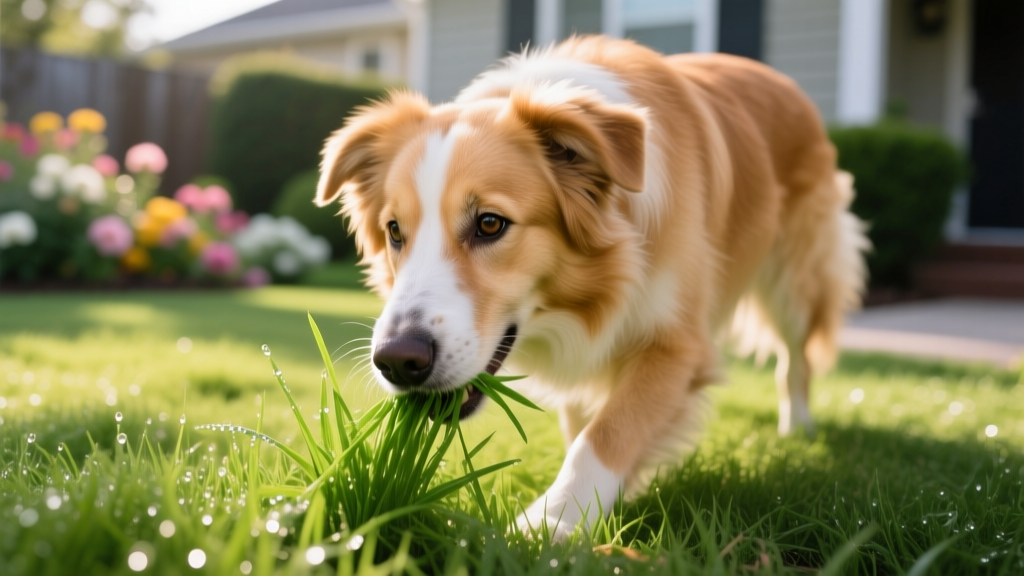
Most dogs can safely eat untreated lawn grass in small amounts. Grass itself is non-toxic and provides modest fiber. However, grass treated with pesticides, herbicides, or fertilizers poses real chemical risks, and compulsive grass-eating can signal underlying gastrointestinal distress, nutritional gaps, or anxiety. If your dog vomits after grazing, eats grass obsessively, or consumes chemically treated turf, consult your veterinarian.
If you've ever watched your dog happily munch on the lawn during a walk and wondered, "what does it mean when dogs eat grass?" — you're not alone. A 2008 study published in Applied Animal Behaviour Science found that 68% of dog owners reported their dogs eating grass regularly, making it one of the most common canine plant-ingestion behaviors. The good news: veterinary science has largely debunked the myth that dogs eat grass solely because they're sick.
Why Do Dogs Eat Grass? The Veterinary Science
Researchers have identified several evidence-backed reasons dogs graze on grass, and most are entirely benign:
- Inherited behavior: Wild canids (wolves, coyotes, foxes) regularly consume plant matter found in the stomachs of prey animals. Domestic dogs retain this omnivorous foraging instinct. A 2021 review in Merck Veterinary Manual notes that pica (eating non-food items) in dogs often reflects natural exploratory behavior rather than pathology.
- Dietary fiber supplementation: Dogs eating low-fiber commercial diets may instinctively seek roughage. Grass provides insoluble fiber that aids bowel motility.
- Enjoyment and texture: Many dogs simply like the taste and texture of fresh grass, particularly young spring shoots.
- Boredom or anxiety: Compulsive grass-eating in confined yards can signal under-stimulation or stress-related displacement behavior.
- Nausea relief (less common than believed): Only 22% of dogs show signs of illness before eating grass, and fewer than 9% vomit afterward, according to the UC Davis study. The "dogs eat grass to make themselves vomit" theory is largely unsupported.
Is Grass Nutritionally Beneficial for Dogs?
Grass isn't a nutritional powerhouse for dogs, but it does contribute modest amounts of specific nutrients:
| Nutrient | Approximate Amount (per 10g fresh grass) | Canine Relevance |
|---|---|---|
| Insoluble Fiber | 1.5–2.5g | Supports bowel regularity and stool bulk |
| Chlorophyll | 20–50mg | Mild anti-inflammatory properties; no established canine RDA |
| Vitamin K | 5–15mcg | Supports blood clotting; dogs synthesize most via gut bacteria |
| Vitamin A (as beta-carotene) | 10–30mcg | Antioxidant; dogs convert beta-carotene inefficiently |
| Folate (B9) | 2–5mcg | Cell division support; deficiency is rare in balanced diets |
| Iron | 0.1–0.3mg | Minimal contribution to daily requirement |
The fiber content is the most relevant benefit. Dogs consuming AAFCO-compliant diets already receive adequate vitamins and minerals, so grass-grazing shouldn't be viewed as a nutritional necessity — more as a behavioral supplement.
Safe Serving Sizes and Preparation Guidelines
Unlike human foods you portion out in tablespoons, grass consumption is largely self-regulated by dogs. However, if your dog is an enthusiastic grazer, here are practical limits to prevent digestive upset:
| Dog Weight Class | Weight Range | Max Safe Grazing Session | Frequency |
|---|---|---|---|
| Toy/Small | 5–20 lb (2–9 kg) | 5–10 blades or ~2g per session | 1–2 times daily |
| Medium | 20–50 lb (9–23 kg) | 15–25 blades or ~5g per session | 1–3 times daily |
| Large | 50–90 lb (23–41 kg) | 25–40 blades or ~8g per session | 1–3 times daily |
| Giant | 90+ lb (41+ kg) | 40–60 blades or ~12g per session | 1–3 times daily |
Preparation and Safety Steps
- Verify the grass is untreated: Confirm no pesticides, herbicides (especially glyphosate-based products like Roundup), or synthetic fertilizers have been applied within the past 14 days.
- Avoid high-traffic public areas: Park grass and roadside verges accumulate vehicle exhaust residue, parasite eggs (hookworm, roundworm), and unknown chemical treatments.
- Check for toxic plants: Lawns often contain foxtail grass (Hordeum murinum), which has barbed seed heads that can lodge in a dog's throat, ears, or nasal passages — a genuine veterinary emergency.
- Rinse paws and muzzle: After grazing, wipe your dog's face to remove pollen, pesticide drift, or parasite larvae.
- Offer indoor alternatives: Grow wheatgrass or oat grass in a shallow pot (available as "cat grass" kits for $5–$12 at pet stores). This gives your dog a guaranteed-safe grazing option year-round.
What Happens If My Dog Eats Too Much Grass?
Excessive grass consumption can cause several issues that range from mild inconvenience to genuine emergencies:
- Mild vomiting (most common): Long grass blades irritate the stomach lining, triggering a single episode of vomiting with visible grass. Usually self-resolving within 2–4 hours.
- Intestinal blockage: Large quantities of grass, especially long or tough varieties, can form a physical obstruction in the small intestine. Signs include repeated vomiting, abdominal pain, lethargy, and no bowel movements for 24+ hours. This requires emergency surgery costing $2,000–$7,000.
- Grass awn migration: Foxtail and similar grass seed heads can penetrate skin, migrate into body cavities, or lodge in the lungs. Symptoms include persistent sneezing, head shaking, pawing at ears, or painful swellings between toes. Surgical removal typically costs $500–$2,500.
- Chemical poisoning: Grass treated with organophosphate pesticides can cause drooling, tremors, seizures, and respiratory distress within 30 minutes to 2 hours of ingestion.
- Vomits repeatedly (3+ times) after eating grass
- Shows signs of abdominal pain (hunched posture, whining when belly is touched)
- Has not produced stool in 24+ hours after heavy grazing
- Is sneezing persistently or pawing at the face/ears after grass consumption
- Consumed grass from a recently treated lawn (bring the product label if possible)
- Shows neurological signs: tremors, disorientation, seizures
For suspected chemical ingestion, contact ASPCA Animal Poison Control: (888) 426-4435 (24/7, consultation fee applies).
Dogs Who Should NOT Eat Grass
While most healthy dogs can graze safely, certain populations face elevated risks:
- Puppies under 6 months: Immature immune systems and smaller body mass mean any chemical residue or parasite exposure carries proportionally greater risk. Puppies also lack the dental maturity to chew tough grass properly, increasing choking and blockage hazard.
- Dogs with inflammatory bowel disease (IBD): Insoluble fiber from grass can exacerbate inflamed intestinal linings and trigger flare-ups.
- Dogs with a history of intestinal blockage: Any foreign-body ingestion behavior should be discouraged in dogs with prior surgical obstruction.
- Brachycephalic breeds with BOAS: Bulldogs, Pugs, and similar breeds already have compromised airways. Long grass blades lodged in the throat can cause dangerous respiratory obstruction.
- Dogs on prescription gastrointestinal diets: If your vet has prescribed a specific therapeutic diet (e.g., Hill's i/d, Royal Canin Gastrointestinal), unsupervised grass-eating introduces uncontrolled fiber variables.
Similar Foods and Safe Alternatives
If you want to provide your dog with plant-based enrichment beyond lawn grazing, these veterinarian-approved alternatives offer similar fiber benefits with controlled safety:
| Alternative | Serving Size (Medium Dog) | Fiber Content | Safety Notes |
|---|---|---|---|
| Grown wheatgrass (indoor pot) | 5–10 blades daily | ~2g per 10g serving | Safest option; no chemical exposure risk |
| Steamed green beans (plain) | 1–2 tablespoons | 1.7g per 100g | Low calorie; avoid canned varieties with sodium |
| Raw carrot sticks | 1 baby carrot per 20 lb body weight | 2.8g per 100g | Choking risk for small dogs — grate or steam |
| Canned pumpkin (plain, not pie filling) | 1 tsp per 10 lb body weight | 7.1g per cup | Excellent for mild diarrhea; do not exceed dose |
| Steamed broccoli florets | 2–3 small florets | 2.6g per 100g | Contains isothiocyanates; limit to 10% of daily calories |
Foods to avoid that are commonly confused with safe greens: Onions and garlic (allium toxicity), grape vines and leaves (nephrotoxic), oleander and sago palm (found in landscaping — both are fatal if ingested). Always verify the botanical identity of any plant your dog accesses.
How to Introduce Grass or Grass Alternatives Safely
If you're intentionally offering grass or a grass alternative for the first time:
- Start with 2–3 blades of homegrown wheatgrass or ½ teaspoon of steamed green beans.
- Monitor for 24–48 hours watching for vomiting, diarrhea, lethargy, or loss of appetite.
- If no adverse reaction occurs, gradually increase to the weight-appropriate serving listed above.
- Limit total plant matter to no more than 10% of your dog's daily caloric intake to maintain nutritional balance from their primary AAFCO-complete diet.
- Use positive reinforcement to redirect compulsive grazers: reward your dog with a high-value treat (e.g., freeze-dried liver, ~$12–$18 per 3oz bag) when they choose not to eat grass on cue. Never punish grass-eating — this creates anxiety without addressing the underlying motivation.
Frequently Asked Questions
Can dogs eat grass from my backyard?
Yes, provided your lawn has not been treated with pesticides, herbicides, or synthetic fertilizers for at least 14 days. Organic lawns using compost-based care are generally safe. Avoid letting dogs graze near garden beds containing toxic plants like lilies, foxglove, or azaleas.
Does eating grass mean my dog has worms?
Not necessarily. While intestinal parasites can cause pica (eating non-food items), grass-eating alone is not a reliable indicator of parasitism. If your dog also shows weight loss, a pot-bellied appearance, visible worms in stool, or scooting, request a fecal flotation test from your vet ($35–$65 per sample).
Is it safe for dogs to eat grass that's been cut by a mower?
Freshly mowed grass clippings are actually riskier than standing grass. The short, chopped pieces are easily swallowed in large quantities without adequate chewing, increasing blockage risk. Clippings also ferment rapidly in heat, potentially causing bloat if consumed in volume. Rake and remove clippings before allowing your dog back onto a freshly mowed lawn.
Should I stop my dog from eating grass entirely?
For most healthy dogs eating untreated grass in moderate amounts, intervention isn't necessary. However, if the behavior is compulsive (your dog ignores food, walks, and play to graze obsessively), it may indicate anxiety or an unmet behavioral need. Consult a certified veterinary behaviorist or a fear-free certified trainer for a behavioral assessment.
Can grass cause diarrhea in dogs?
Yes. The insoluble fiber in grass accelerates intestinal transit, which can produce loose stools — especially in dogs not accustomed to high-fiber intake. A single episode of soft stool after grazing is typically harmless. Persistent diarrhea lasting more than 48 hours, or diarrhea containing blood or mucus, warrants a veterinary evaluation.
Understanding what it means when dogs eat grass comes down to observing context: a dog who casually nibbles a few blades during a walk is expressing normal omnivorous behavior, while a dog who frantically devours grass before vomiting repeatedly may need medical attention. When in doubt, consult your veterinarian — they can run a basic wellness panel ($80–$200) to rule out nutritional deficiencies or gastrointestinal conditions that might be driving the behavior.
Aaron Whyte
All our authors care for dogs every day — read more of their work on the authors page.


