What Causes Diarrhea in Dogs? A Complete Symptom & Treatment Guide
What causes dog diarrhea? Learn symptoms, treatment, and when to see a vet.
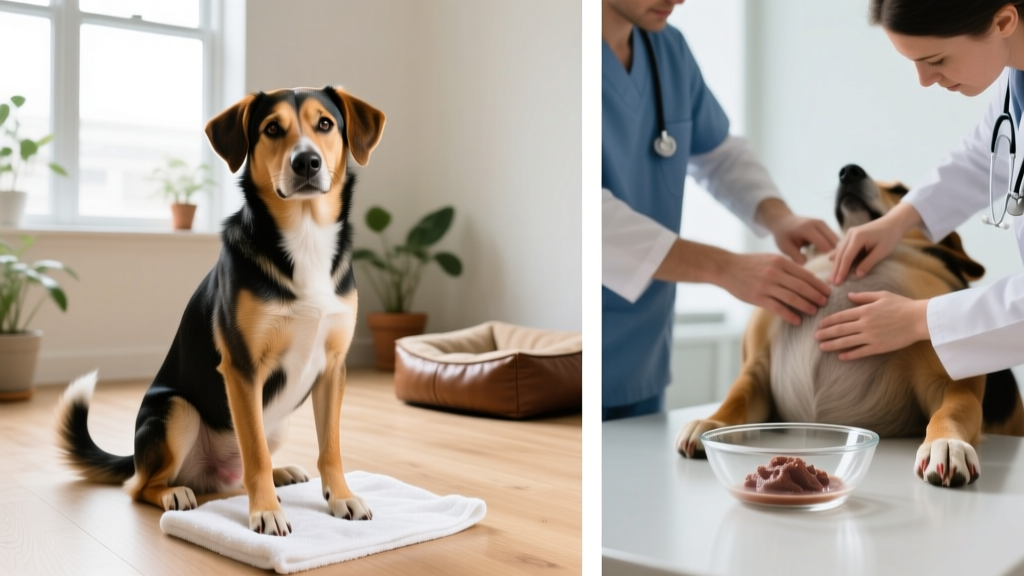
Understanding Diarrhea in Dogs: Definition, Causes, and Prevalence
Diarrhea in dogs is defined as the passage of loose, watery, or unformed stools occurring more frequently than normal. It isn't a disease itself — it's a clinical sign of an underlying issue ranging from mild dietary upset to life-threatening conditions like parvovirus or hemorrhagic gastroenteritis (HGE). According to the Merck Veterinary Manual, diarrhea is one of the most common reasons dog owners visit veterinary clinics, accounting for an estimated 20–30% of all general practice appointments.
The mechanism is straightforward: something disrupts the normal function of the gastrointestinal (GI) tract — whether that's inflammation, infection, toxin exposure, or motility dysfunction — and the intestines either fail to absorb water properly or actively secrete excess fluid into the stool. The result ranges from slightly soft stools to profuse, liquid diarrhea with blood or mucus.
Small bowel (small intestine) diarrhea typically produces large volumes of watery stool without straining, while large bowel (colon) diarrhea involves smaller amounts passed frequently, often with mucus, straining, and sometimes fresh blood. Identifying which type your dog has helps your veterinarian narrow down what causes diarrhea in dogs in your specific case.
What Causes Diarrhea in Dogs? The Full Spectrum
The causes of canine diarrhea fall into several broad categories. Understanding these helps you provide critical context when your vet asks, "What happened before the symptoms started?"
Dietary Causes
- Dietary indiscretion: Eating garbage, table scraps, spoiled food, or foreign objects — the single most common cause of acute diarrhea in dogs
- Sudden diet changes: Switching kibble brands or protein sources without a 7–10 day transition period
- Food intolerance or allergy: Reactions to specific proteins (beef, chicken, dairy are top offenders) causing chronic intermittent diarrhea
- Overfeeding: Excessive food volume overwhelms digestive capacity, especially in puppies
- Fatty food ingestion: Rich, high-fat meals can trigger pancreatitis, which presents with diarrhea and vomiting
Infectious Causes
- Viral: Parvovirus (especially dangerous in unvaccinated puppies), canine distemper, canine coronavirus, rotavirus
- Bacterial: Clostridium perfringens, Salmonella, Campylobacter, E. coli, C. difficile
- Parasitic: Giardia, coccidia, roundworms, hookworms, whipworms, Cryptosporidium
- Fungal: Histoplasmosis, pythiosis (rare but regionally significant in Gulf Coast states)
Medical & Systemic Causes
- Inflammatory bowel disease (IBD): Chronic immune-mediated inflammation of the GI tract
- Exocrine pancreatic insufficiency (EPI): Pancreas fails to produce digestive enzymes
- Liver or kidney disease: Toxin buildup or metabolic dysfunction affecting GI motility
- Hyperthyroidism (rare in dogs): Accelerated metabolism causing rapid transit
- Cancer: Intestinal lymphoma, adenocarcinoma, or mast cell tumors
- Hemorrhagic gastroenteritis (HGE): Acute, severe condition causing bloody diarrhea and rapid dehydration
Environmental & Stress-Related Causes
- Stress colitis: Boarding, travel, new pets, or household changes triggering acute large-bowel diarrhea
- Toxin ingestion: Plants, chemicals, human medications, xylitol — call ASPCA Animal Poison Control at (888) 426-4435 immediately if suspected
- Medication side effects: NSAIDs, antibiotics, and certain supplements can disrupt gut flora or irritate the GI lining
Symptoms of Diarrhea in Dogs: Early Warning Signs vs. Emergency Red Flags
Not all diarrhea is created equal. Use this severity-organized checklist to gauge whether your dog needs monitoring at home or immediate veterinary attention.
| Severity Level | Symptoms | Action |
|---|---|---|
| Mild (Monitor at Home) | 1–2 episodes of soft/loose stool; normal appetite; normal energy; no vomiting; no blood | Withhold food 12–24 hours (adults only); offer small amounts of water; reintroduce bland diet |
| Moderate (Call Vet Within 24 Hours) | 3+ episodes in 24 hours; mild lethargy; decreased appetite; mucus in stool; mild straining; soft stool persisting 48+ hours | Contact your vet for guidance; bring a fresh stool sample to the appointment |
| Severe (Emergency Vet Now) | Bloody diarrhea (red or black/tarry); vomiting combined with diarrhea; collapse or weakness; pale gums; signs of pain (whining, hunched posture); no water intake for 12+ hours; diarrhea in unvaccinated puppies | Go to emergency vet immediately — conditions like parvovirus and HGE can be fatal within 24–48 hours without treatment |
- Diarrhea lasting more than 48 hours in adult dogs, or more than 24 hours in puppies or senior dogs
- Blood in stool — either bright red (hematochezia) or dark/tarry (melena)
- Concurrent vomiting, especially if your dog cannot keep water down
- Signs of dehydration: tacky gums, sunken eyes, skin that doesn't snap back when pinched
- Fever above 103.5°F (39.7°C) or hypothermia below 99°F (37.2°C)
- Known or suspected ingestion of a toxic substance — call ASPCA Poison Control: (888) 426-4435
- Your dog is a puppy under 16 weeks, elderly, immunocompromised, or has pre-existing conditions
Risk Factors: Which Dogs Are Most Vulnerable?
While any dog can develop diarrhea, certain factors significantly increase susceptibility.
Risk Factor Breakdown
| Factor | Details |
|---|---|
| Age | Puppies under 6 months are at highest risk for infectious causes (parvovirus, parasites); seniors over 8 years are more prone to cancer-related and organ-disease-related diarrhea |
| Breed Predisposition | German Shepherds (EPI, IBD); Boxers (histiocytic ulcerative colitis); Yorkshire Terriers (protein-losing enteropathy); Soft-Coated Wheaten Terriers (PLE); Labrador Retrievers (food sensitivities); Great Danes (HGE susceptibility) |
| Vaccination Status | Unvaccinated or under-vaccinated dogs face dramatically higher risk of parvovirus and distemper — both of which cause severe, potentially fatal diarrhea |
| Environment | Dogs in shelters, boarding facilities, dog parks, or multi-dog households face higher exposure to infectious agents and parasites |
| Diet & Lifestyle | Free-roaming dogs (garbage access); dogs on raw diets (bacterial contamination risk); dogs with frequent diet changes |
| Medication Use | Recent antibiotic courses (gut flora disruption); NSAID use (GI ulceration); chemotherapy agents |
How Veterinarians Diagnose the Cause of Diarrhea
When you bring your dog in, the diagnostic process follows a logical progression from least to most invasive. Your vet will tailor the workup based on your dog's history, symptom severity, and response to initial treatment. Here's what to expect, including typical cost ranges (US averages, 2025–2026 pricing):
Diagnostic Process & Costs
- Physical Exam & History ($50–$90): Your vet assesses hydration status, abdominal pain, body temperature, gum color, and listens for abnormal gut sounds. They'll ask detailed questions about diet, recent changes, exposure risks, and stool characteristics (color, consistency, frequency, presence of blood or mucus).
- Fecal Floatation & Direct Smear ($35–$65): A stool sample is examined microscopically for parasite eggs, Giardia cysts, and abnormal bacteria. This is the first-line test for any diarrhea case and should be done even if your dog is on monthly preventives — no preventive covers all parasites.
- Parvovirus SNAP Test ($40–$75): A rapid in-clinic test for puppies or unvaccinated dogs presenting with acute bloody diarrhea and vomiting. Results in 10–15 minutes. False negatives can occur early in infection, so your vet may recommend retesting.
- Complete Blood Count & Chemistry Panel ($120–$250): Blood work reveals dehydration severity, infection markers (elevated white blood cells), organ function (liver, kidneys), protein levels, and pancreatic enzymes. Essential for moderate-to-severe cases.
- Canine Pancreatic Lipase (cPL) Test ($60–$120): Specific test for pancreatitis, a common and often overlooked cause of acute diarrhea with vomiting.
- Abdominal Imaging — X-rays ($200–$400) or Ultrasound ($300–$600): Recommended when foreign body ingestion, intussusception (telescoping intestine), tumors, or organ enlargement are suspected. Ultrasound provides superior detail of intestinal wall layers and lymph nodes.
- GI Panel / Cobalamin / Folate Testing ($150–$300): Specialized blood tests for chronic diarrhea cases to assess nutrient absorption and screen for IBD, EPI, or small intestinal bacterial overgrowth (SIBO).
- Endoscopy & Biopsy ($1,500–$3,500): For chronic, treatment-resistant diarrhea, your vet may refer to a specialist for endoscopic biopsy of the intestinal lining. This is the gold standard for diagnosing IBD vs. intestinal lymphoma.
Total diagnostic costs range from roughly $85–$155 for a mild case with exam and fecal test, to $500–$1,200+ for a comprehensive workup of chronic or severe diarrhea. Specialist referral with biopsy can push costs to $2,000–$4,000.
Treatment Options for Diarrhea in Dogs
Treatment depends entirely on the underlying cause. Your veterinarian will develop a plan that may combine medical therapy, dietary management, and supportive care.
| Treatment Category | Options | When Used | Typical Cost |
|---|---|---|---|
| Supportive Care | Fluid therapy (subcutaneous or IV), electrolyte correction, bland diet transition | All moderate-to-severe cases; essential for dehydration | $100–$500 (outpatient); $800–$2,500/day (hospitalization) |
| Antiparasitic | Fenbendazole (Panacur), metronidazole, pyrantel pamoate, ponazuril | Confirmed parasitic infection (Giardia, worms, coccidia) | $15–$60 per course |
| Antibiotics | Metronidazole, tylosin, amoxicillin-clavulanate | Bacterial overgrowth, hemorrhagic gastroenteritis, specific bacterial infections — not routinely needed for simple diarrhea | $20–$80 per course |
| Anti-nausea / GI Protectants | Maropitant (Cerenia), ondansetron, sucralfate, famotidine | Concurrent vomiting, suspected GI ulceration | $30–$120 |
| Probiotics | FortiFlora (Purina), Proviable (Nutramax), Visbiome Vet | Post-antibiotic flora restoration, stress colitis, general gut health support | $25–$45 per 30-day supply |
| Dietary Therapy | Prescription GI diets (Hill's i/d, Royal Canin GI, Purina EN), novel protein diets, hydrolyzed protein diets | Acute cases (short-term bland diet), food allergy/IBD (long-term prescription diet) | $50–$100 per month (prescription diet) |
| Immunosuppressive | Prednisone, budesonide, chlorambucil, cyclosporine | Confirmed IBD, immune-mediated enteropathy, intestinal lymphoma | $20–$200/month depending on drug |
| Surgical | Foreign body removal, tumor resection, intestinal biopsy | Obstruction, intussusception, discrete masses | $2,000–$7,000+ |
Can Diarrhea in Dogs Be Cured?
In most cases, yes. Acute diarrhea from dietary indiscretion, parasites, or stress typically resolves completely within 3–7 days with appropriate treatment. Bacterial and viral infections (except parvovirus in advanced stages) also carry excellent prognoses with timely veterinary care.
Chronic conditions like IBD, EPI, and food allergies are managed rather than cured — but with proper dietary and medical management, most dogs achieve long-term symptom control and live normal-quality lives. Intestinal lymphoma prognosis depends on grade: low-grade lymphoma treated with chlorambucil and prednisone shows response rates of 70–90% with median survival times of 2–3 years, according to AKC health resources and veterinary oncology literature.
Prognosis by Cause and Severity
| Underlying Cause | Typical Prognosis | Recovery Timeline | Survival Rate |
|---|---|---|---|
| Dietary indiscretion | Excellent | 1–3 days | ~100% with basic care |
| Parasitic infection | Excellent | 5–14 days post-treatment | ~99% with deworming |
| Stress colitis | Excellent | 2–5 days | ~100% |
| Bacterial gastroenteritis | Good to excellent | 5–10 days | 95%+ with treatment |
| Hemorrhagic gastroenteritis (HGE) | Good with prompt treatment; guarded if delayed | 2–5 days hospitalized | 90–95% with aggressive IV fluids; poor without treatment |
| Parvovirus | Guarded to fair | 5–10 days hospitalized | 68–92% with intensive treatment (per AVMA); near 0% untreated |
| IBD (chronic) | Fair to good with management | Ongoing; improvement in 2–8 weeks | Normal lifespan with controlled disease; variable if refractory |
| Intestinal lymphoma | Fair (low-grade); poor (high-grade) | Ongoing chemotherapy | Median survival 2–3 years (low-grade); 3–6 months (high-grade) |
Home Care & Management: What You Can Do
For mild, uncomplicated diarrhea in an otherwise healthy adult dog, the following home management protocol is appropriate for 24–48 hours before contacting your vet:
Step 1: Fasting (Adults Only)
Withhold food for 12–24 hours to allow the GI tract to rest. Never fast puppies under 6 months, toy breeds under 10 lb (4.5 kg), or diabetic dogs — these dogs risk dangerous hypoglycemia. Provide free access to fresh water or offer ice cubes to prevent dehydration.
Step 2: Bland Diet Reintroduction
After the fasting period, offer small, frequent meals of a bland diet:
- Classic recipe: Boiled, skinless, boneless chicken breast (or lean ground turkey) mixed with plain white rice in a 1:2 ratio (one part protein to two parts rice)
- Serving size: Feed approximately ⅓ to ½ cup per 10 lb (4.5 kg) of body weight per meal, divided into 4–6 small feedings daily
- Duration: Continue bland diet for 3–5 days, then gradually transition back to regular food over 5–7 days by mixing increasing proportions of normal food with the bland diet
Step 3: Probiotic Support
Add a veterinary-formulated probiotic such as Purina FortiFlora or Nutramax Proviable to meals. These contain specific strains (Enterococcus faecium SF68, Lactobacillus acidophilus) shown to support intestinal microflora recovery. Avoid human probiotics — they contain strains not optimized for the canine GI environment.
Step 4: Monitor and Document
Keep a log of stool frequency, consistency (use the Purina Fecal Scoring System as a reference — score 1 is hard pellets, score 7 is liquid), color, and any accompanying symptoms. Take photos of abnormal stools to show your vet. This documentation is invaluable for diagnosis if the diarrhea persists.
What NOT to Do
- Do NOT give your dog human anti-diarrheal medications like loperamide (Imodium) without explicit veterinary direction — it can be toxic to certain breeds, particularly Collies, Australian Shepherds, and other MDR1 gene mutation carriers
- Do NOT give Pepto-Bismol or Kaopectate — these contain salicylates (related to aspirin) and can cause toxicity
- Do NOT continue feeding your dog's regular diet if it's rich or high-fat during an acute episode
- Do NOT withhold water at any point — dehydration is the primary danger of diarrhea
Prevention Strategies: Reducing Diarrhea Risk
While you can't prevent every episode, these evidence-based strategies significantly reduce frequency and severity:
- Maintain consistent diet: When switching foods, transition over 7–10 days — mix 25% new food with 75% old food for days 1–3, then 50/50 for days 4–6, then 75% new for days 7–9, then fully switched by day 10
- Keep vaccinations current: The DHPP (distemper, hepatitis, parainfluenza, parvovirus) vaccine series is essential. Puppies need doses at 6–8, 10–12, and 14–16 weeks, with a booster at 1 year and then every 3 years per AVMA vaccination guidelines
- Monthly parasite prevention: Year-round heartworm/intestinal parasite preventives (Heartgard Plus, Interceptor Plus, Sentinel) reduce — but don't eliminate — parasite risk. Annual fecal testing is still recommended
- Supervise outdoor access: Prevent scavenging, garbage access, and drinking from stagnant water sources (a common Giardia exposure route)
- Manage stress: For dogs prone to stress colitis during boarding or travel, ask your vet about pre-event probiotic protocols or short-term anti-anxiety medication
- Avoid table scraps: High-fat human foods are a leading trigger for pancreatitis-related diarrhea, especially during holidays
- Wash food and water bowls daily: Biofilm buildup in bowls harbors bacteria that can contribute to chronic low-grade GI upset
The Real Cost of Treating Diarrhea in Dogs
Diarrhea treatment costs vary enormously depending on severity and underlying cause. Here's a realistic breakdown based on US veterinary pricing:
| Scenario | Estimated Total Cost | What's Included |
|---|---|---|
| Mild acute episode | $85–$250 | Exam, fecal test, probiotics or short medication course |
| Moderate case with blood work | $300–$700 | Exam, fecal, CBC/chemistry, medications, follow-up |
| HGE or severe acute case | $1,500–$4,000 | Emergency exam, blood work, IV fluids (1–3 days hospitalization), medications, monitoring |
| Parvovirus treatment | $2,000–$6,000+ | Isolation hospitalization (5–7 days), IV fluids, antibiotics, anti-nausea meds, plasma transfusion (if needed) |
| Chronic diarrhea workup | $800–$2,500 | Multiple visits, fecal panels, blood work, GI panel, imaging, diet trials |
| Specialist referral with biopsy | $2,500–$5,000+ | Specialist consultation, endoscopy, histopathology, ongoing immunosuppressive therapy |
| Surgical (foreign body/tumor) | $3,000–$8,000+ | Pre-surgical workup, anesthesia, surgery, hospitalization, post-op care, histopathology |
Pet insurance can significantly offset these costs. Most comprehensive policies cover diagnostic workups, hospitalization, and surgery for diarrhea — provided the underlying condition isn't pre-existing. Average monthly premiums for accident-and-illness plans range from $30–$70/month depending on breed, age, and deductible.
Frequently Asked Questions
What is the most common cause of diarrhea in dogs?
Dietary indiscretion — eating something they shouldn't — is the single most common cause of acute diarrhea in dogs. This includes garbage, table scraps, spoiled food, foreign objects, and sudden diet changes. In puppies, parasitic infections (particularly Giardia and roundworms) are equally common.
How long should I wait before taking my dog to the vet for diarrhea?
For a healthy adult dog with a single episode of mild diarrhea and no other symptoms, you can monitor at home for 24–48 hours. Go to the vet immediately if diarrhea is bloody, accompanied by vomiting, if your dog seems lethargic or in pain, or if your dog is a puppy under 16 weeks, elderly, or has pre-existing health conditions.
Can I give my dog rice for diarrhea?
Yes. Plain boiled white rice mixed with a lean protein source (boiled chicken breast or lean ground turkey) is the standard veterinary-recommended bland diet for dogs with mild diarrhea. Use a 2:1 ratio of rice to protein. Feed small, frequent meals for 3–5 days before gradually transitioning back to regular food. Note: white rice has a higher glycemic index than brown rice, but it's more easily digested during GI upset — which is why vets specifically recommend white rice in this context.
Why does my dog keep getting diarrhea even though they seem fine?
Recurrent diarrhea in an otherwise healthy-appearing dog often points to food intolerance or allergy, chronic low-grade parasitic infection (Giardia can be intermittent on fecal tests), stress-related colitis, or early-stage IBD. A thorough veterinary workup including a diet elimination trial (8–12 weeks on a novel or hydrolyzed protein diet) is typically needed to identify the cause. Keep a symptom diary noting diet, environment changes, and stool quality to help your vet identify patterns.
Is bloody diarrhea always an emergency?
Bloody diarrhea should always prompt a veterinary consultation, but the urgency depends on the type and context. Small streaks of bright red blood in an otherwise normal dog may indicate minor colonic irritation (colitis) and can sometimes be managed with a vet call. However, large amounts of blood, dark tarry stools (melena — indicating digested blood from the upper GI tract), or bloody diarrhea combined with vomiting, lethargy, or pale gums constitutes a genuine emergency requiring immediate veterinary care. When in doubt, go to the vet.
What is the life expectancy of a dog with chronic diarrhea?
Life expectancy depends entirely on the underlying cause. Dogs with managed food allergies or controlled IBD typically live normal lifespans. Dogs with EPI can live full lives with lifelong enzyme supplementation. Intestinal lymphoma prognosis varies: low-grade forms treated with chemotherapy have median survival of 2–3 years, while high-grade lymphoma carries a median survival of 3–6 months even with aggressive treatment. Early, accurate diagnosis is the single most important factor in long-term outcomes.
Which breeds are most prone to chronic diarrhea?
Breeds with known predispositions include: German Shepherds (exocrine pancreatic insufficiency, IBD, food sensitivities); Boxers (histiocytic ulcerative colitis, a breed-specific form of IBD); Soft-Coated Wheaten Terriers (protein-losing enteropathy); Yorkshire Terriers (protein-losing enteropathy and lymphangiectasia); Labrador Retrievers (food sensitivities); and brachycephalic breeds like Bulldogs and French Bulldogs (inflammatory bowel disease and food allergies). If you own one of these breeds, discuss proactive GI health monitoring with your veterinarian.
Robin Maitland
All our authors care for dogs every day — read more of their work on the authors page.


