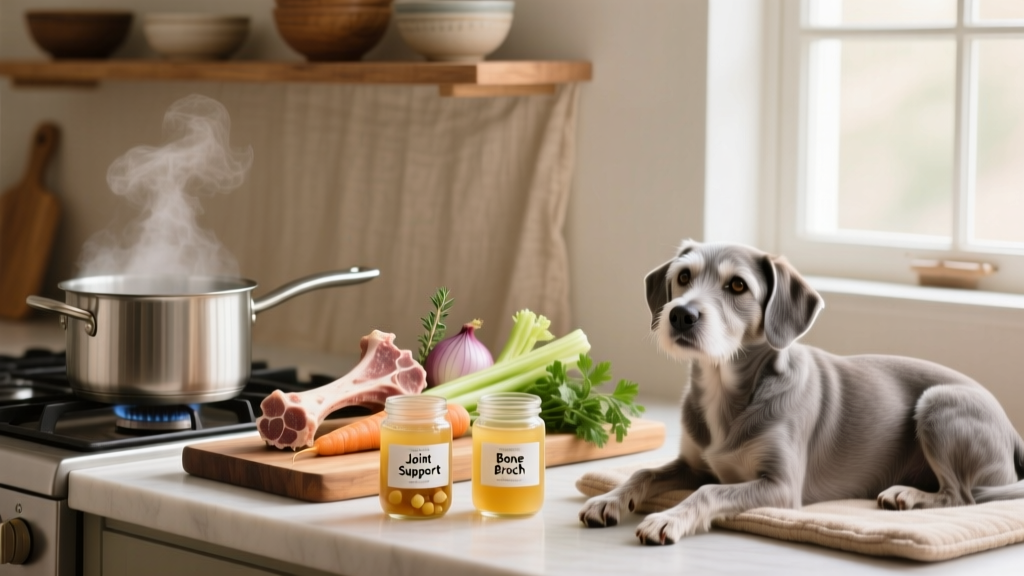
What Can Dogs Not Eat? The 2026 Guide to Toxic & Unsafe Human Foods
What can dogs not eat? A veterinary-backed guide to toxic, unsafe, and caution-required human foods with serving rules, symptoms, and emergency steps.

If you've ever stood in the kitchen wondering what can dogs not eat while your dog stares up with those hopeful eyes, you're not alone. This question drives thousands of veterinary calls every year, and the answer is more nuanced than a simple list. Some human foods are outright lethal to dogs, others cause illness only at certain doses, and a surprising number are perfectly safe when prepared correctly.
This guide breaks down the most common dangerous foods, gives you exact toxic dose thresholds where available, and provides a practical decision framework you can print and stick on your fridge. We'll also cover the caution-required foods that aren't toxic but can still cause serious problems if fed incorrectly.
- ABSOLUTELY NO (Toxic): Xylitol, chocolate (dark/baking), grapes/raisins, onions/garlic/chives, macadamia nuts, alcohol, caffeine, cooked bones
- CAUTION (Safe in strict portions only): Cheese, peanut butter (xylitol-free), cooked eggs, plain yogurt, apples (no seeds), carrots, blueberries
- YES (Generally safe): Plain cooked chicken, pumpkin (pure, not pie filling), green beans, sweet potato (cooked, plain), seedless watermelon
Always consult your veterinarian before introducing new foods, especially if your dog has existing health conditions.
The Most Dangerous Foods Dogs Cannot Eat
These foods have well-documented toxic effects on dogs. Even small amounts can trigger emergency veterinary visits. Understanding the mechanism behind each toxicity helps you recognize why dose matters — and why some items are far more dangerous than others.
| Food | Toxic Component | Toxic Dose | Primary Symptoms | Onset Time |
|---|---|---|---|---|
| Xylitol (sugar-free gum, peanut butter, baked goods) | Xylitol | 0.05 g/lb (0.1 g/kg) body weight | Hypoglycemia, seizures, liver failure | 15-30 minutes |
| Dark chocolate / baking chocolate | Theobromine & caffeine | 1 oz milk chocolate/lb; 0.1 oz baking chocolate/lb | Vomiting, diarrhea, tremors, arrhythmia | 6-12 hours |
| Grapes & raisins | Tartaric acid (identified 2021, per Merck Veterinary Manual) | Any amount — idiosyncratic, no safe threshold established | Vomiting, lethargy, acute kidney failure | 6-24 hours |
| Onions, garlic, chives, leeks (Allium species) | N-propyl disulfide | 0.5% of body weight (onion); garlic ~5x more potent | Heinz body anemia, weakness, pale gums | 1-5 days (delayed) |
| Macadamia nuts | Unknown toxin | 2.4 g/kg body weight | Hindlimb weakness, vomiting, hyperthermia | 3-12 hours |
| Cooked bones (poultry, pork, rib bones) | Splintering / mechanical obstruction | Any amount | Choking, GI perforation, constipation | Immediate to 72 hours |
| Alcohol (beer, wine, liquor, raw dough) | Ethanol | 0.59 mL/kg of 100% ethanol (lethal) | CNS depression, vomiting, respiratory failure | 30-60 minutes |
Key insight many owners miss: Garlic is approximately five times more toxic than onion by weight. A single clove of garlic can affect a 20 lb (9 kg) dog. Garlic powder and dehydrated garlic in processed foods are even more concentrated — always check ingredient labels on human snacks before sharing.
Caution Foods: Safe in Strict Portions, Risky Otherwise
These foods aren't inherently toxic, but they carry risks that require careful portion control and preparation. This is where the phrase "in moderation" actually needs numbers behind it.
Peanut Butter
Plain, xylitol-free peanut butter is safe and makes an excellent training treat. However, some brands still use xylitol (also listed as "birch sugar") as a sweetener. Always read the label — the only ingredients should be peanuts and possibly salt.
- Small dogs (under 20 lb / 9 kg): ½ teaspoon per day maximum
- Medium dogs (20-50 lb / 9-23 kg): 1 teaspoon per day
- Large dogs (over 50 lb / 23 kg): 1 tablespoon per day
Peanut butter is calorie-dense (approximately 94 calories per tablespoon). Overfeeding contributes to obesity and pancreatitis, particularly in predisposed breeds like Miniature Schnauzers and Cocker Spaniels.
Cheese
Most dogs tolerate small amounts of low-fat cheese (mozzarella, cottage cheese). Avoid blue cheese — the fungus Roquefortine C can cause vomiting, seizures, and fever. Dogs with lactose intolerance (estimated 10-15% of the canine population) will develop diarrhea within 12 hours.
Apples
The flesh is safe and provides vitamin C and fiber. Apple seeds contain amygdalin, which releases cyanide when crushed. A dog would need to chew and swallow a large number of seeds for toxicity, but it's easier to simply core and slice the apple before serving.
Serving Sizes for Common Safe Human Foods
When introducing any new food, follow the 10% rule: treats and human foods should never exceed 10% of your dog's daily caloric intake. For a 30 lb (14 kg) dog eating approximately 700 calories per day, that's 70 calories from non-kibble sources.
| Food | Small Dogs (<20 lb / 9 kg) | Medium Dogs (20-50 lb / 9-23 kg) | Large Dogs (>50 lb / 23 kg) | Preparation |
|---|---|---|---|---|
| Blueberries | 2-3 berries | 5-8 berries | 10-15 berries | Wash, serve raw or frozen |
| Carrots | 1-2 baby carrots | 1 medium carrot, chopped | 1-2 medium carrots, chopped | Raw (chopped) or steamed, no seasoning |
| Cooked chicken (boneless, skinless) | 1 tablespoon, shredded | 2-3 tablespoons | ¼ cup | Boiled or baked, no salt/onion/garlic |
| Plain pumpkin puree | 1 teaspoon | 1-2 tablespoons | 2-4 tablespoons | 100% pure pumpkin (NOT pie filling), canned or cooked |
| Green beans | 1-2 beans, chopped | 3-5 beans | 8-10 beans | Steamed or raw, no salt or butter |
| Seedless watermelon | 1-2 small cubes (½ inch) | 3-4 cubes | ½ cup cubes | Remove all seeds and rind |
| Cooked sweet potato | 1 teaspoon, mashed | 1-2 tablespoons | 2-3 tablespoons | Baked or boiled, no skin, no seasoning |
| Plain cooked egg | ½ egg | 1 egg | 1-2 eggs | Scrambled or hard-boiled, no oil/butter/salt |
How to Introduce New Foods Safely
Even safe foods can cause digestive upset if introduced too quickly. Follow this protocol when offering any new human food for the first time:
- Start with 25% of the recommended serving size. If the guide says 5 blueberries for your medium dog, offer 1-2 the first time.
- Wait 24-48 hours before offering more. Monitor for vomiting, diarrhea, excessive gas, itching, or behavioral changes like lethargy.
- Introduce only ONE new food at a time. If you give your dog blueberries and carrots on the same day and they develop diarrhea, you won't know which caused it.
- Gradually increase to full serving size over 3-4 feedings across a week if no adverse reactions occur.
- Record the food, amount, and your dog's response in a simple notebook or phone note — this becomes invaluable for identifying sensitivities later.
Breed-specific note: German Shepherds, Labrador Retrievers, and Chinese Shar-Peis have higher rates of food sensitivities and allergies. Owners of these breeds should be especially methodical with introductions and consider consulting a veterinary nutritionist before making human foods a regular part of their dog's diet.
What Happens If Your Dog Eats a Toxic Food?
Speed matters enormously. The prognosis (expected outcome) for most toxic ingestions improves dramatically when treatment begins within 2 hours. Here's what to do — and what not to do.
- Ingested ANY amount of xylitol, grapes, raisins, or dark/baking chocolate
- Ate a quantity of onion, garlic, or macadamia nuts exceeding the toxic dose for their weight
- Is vomiting repeatedly, has bloody stool, or shows signs of abdominal pain (hunched posture, whining when touched)
- Displays neurological symptoms: tremors, seizures, disorientation, inability to stand
- Has pale or blue-tinged gums
- Consumed alcohol or raw yeast dough
ASPCA Animal Poison Control: (888) 426-4435 (24/7, consultation fee applies)
Pet Poison Helpline: (855) 764-7661 (24/7, fee applies)
Have ready: your dog's weight, the food ingested, approximate amount, and time of ingestion.
Do NOT induce vomiting at home unless explicitly instructed by your veterinarian. Hydrogen peroxide, a commonly recommended home emetic, can cause severe gastritis, aspiration pneumonia, and even fatal embolism if dosed incorrectly. Your vet will calculate the correct dose (typically 1-2 mL/kg of 3% hydrogen peroxide) and determine whether vomiting is appropriate — for corrosive substances or sharp objects like cooked bones, vomiting can cause more damage on the way back up.
What to Expect at the Emergency Vet
According to ASPCA Animal Poison Control, a typical toxic ingestion visit involves:
- Induced emesis (if appropriate): $50-$100
- Activated charcoal administration: $30-$75
- Bloodwork panel (CBC, chemistry, electrolytes): $150-$300
- IV fluids (for kidney protection, especially with grape/raisin toxicity): $200-$500 for 24-hour hospitalization
- Extended hospitalization (2-3 days for severe cases): $1,000-$3,000+
Prevention is dramatically cheaper than treatment. A $5 bag of dog-safe treats eliminates the risk entirely.
Dogs Who Should Avoid Most Human Foods
Even foods on the "safe" list may not be appropriate for every dog. Certain conditions and life stages require stricter dietary control:
- Puppies under 6 months: Their digestive systems are still developing, and their caloric needs are precisely calibrated for growth. Stick to AAFCO-approved puppy food. Treats should be training-specific and nutritionally appropriate.
- Dogs with pancreatitis: Any high-fat food (cheese, peanut butter, fatty meats, butter) can trigger a flare. Pancreatitis is extremely painful and potentially fatal — breeds at higher risk include Miniature Schnauzers, Yorkshire Terriers, and Cocker Spaniels.
- Dogs with kidney disease: High-protein and high-phosphorus foods (meat, cheese, eggs) must be strictly limited. Your vet will prescribe a renal diet with specific nutrient targets.
- Dogs with diabetes: High-sugar fruits (watermelon, bananas, mangoes) can destabilize blood glucose. Stick to low-glycemic options like green beans or carrots.
- Dogs with food allergies or inflammatory bowel disease (IBD): Novel proteins and new food introductions should be managed by a veterinary nutritionist. What's "safe" for most dogs may trigger a flare in a dog with IBD.
- Senior dogs with dental disease: Hard foods like raw carrots and apples can fracture compromised teeth. Steam or puree these foods instead.
Frequently Asked Questions
Can dogs eat bread?
Plain white or wheat bread in small amounts is generally safe but offers no nutritional benefit. Avoid bread dough — raw yeast dough continues to rise in the stomach, causing bloat (gastric dilatation) and producing ethanol as a byproduct, which leads to alcohol poisoning. Garlic bread, raisin bread, and bread containing xylitol are all unsafe.
Is it safe for dogs to drink milk?
Most adult dogs are lactose intolerant to some degree. While a small amount of milk (1-2 tablespoons for a large dog) won't cause serious harm, it frequently leads to gas, bloating, and diarrhea within 12 hours. Puppies should never receive cow's milk — it lacks the correct fat-to-protein ratio and can cause nutritional deficiencies. If you want to offer a milk-like treat, goat's milk or lactose-free dog milk products are better alternatives.
Can dogs eat raw meat from the grocery store?
This is a debated topic. The AVMA discourages feeding raw meat due to risks of Salmonella, E. coli, and Listeria contamination — risks that affect both the dog and the humans in the household. If you choose to feed raw, source meat specifically intended for raw feeding (high-pressure processed to reduce pathogens) and follow strict hygiene protocols. Never feed raw pork or raw salmon/trout, which can carry parasites causing trichinosis and salmon poisoning disease, respectively.
My dog ate a single grape — should I panic?
While a single grape is unlikely to cause kidney failure in a large dog, there is no established safe dose for grapes or raisins. The toxic response is idiosyncratic — meaning it varies unpredictably between individual dogs. Some dogs eat a handful with no effect; others develop acute renal failure from just a few grapes. The safest course is to call your vet or the ASPCA Poison Control hotline immediately and follow their guidance based on your dog's specific weight and health history.
Are avocados toxic to dogs?
Avocado contains persin, a fungicidal toxin. Dogs are relatively resistant to persin compared to birds and livestock, but the pit poses a serious choking and intestinal obstruction risk. The high fat content can also trigger pancreatitis. Small amounts of the flesh are unlikely to cause serious harm, but the risk-to-benefit ratio makes it a food best avoided entirely.
What about bones — can dogs eat any bones safely?
Raw, meaty bones from large animals (beef marrow bones, knuckle bones) are less likely to splinter than cooked bones and are sometimes used in raw feeding protocols. However, they carry risks of tooth fractures (especially in aggressive chewers), GI obstruction, and bacterial contamination. Never feed cooked bones of any kind — cooking makes all bones brittle and prone to splintering into sharp shards that can perforate the esophagus, stomach, or intestines. If you want a bone-like chewing experience, veterinary-approved nylon or rubber chew toys are far safer alternatives.
Building a Safe Treat Strategy
The simplest way to avoid accidental toxic exposure is to establish a household rule: dogs only eat foods that have been deliberately chosen and portioned for them. Keep toxic foods stored out of reach — this means securing trash cans with lids, keeping purses and backpacks (which often contain sugar-free gum or snacks) off the floor, and educating houseguests and children about what dogs cannot eat.
For a printable quick-reference list of toxic foods, the American Kennel Club's toxic foods guide is an excellent resource to keep on your refrigerator. When in doubt about any food, the 30-second call to your vet's office or the ASPCA Poison Control hotline can prevent a $2,000 emergency visit and, more importantly, keep your dog safe.
Marcus Aldridge
All our authors care for dogs every day — read more of their work on the authors page.