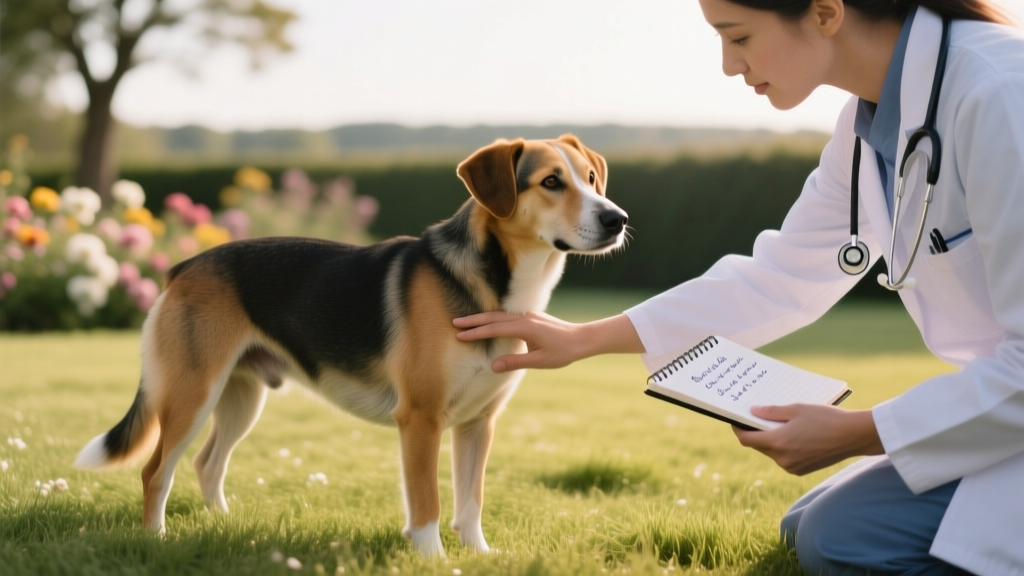
Vestibular Disease in Dogs: Symptoms, Diagnosis & Treatment Guide
Complete guide to vestibular disease in dogs: symptoms, causes, diagnosis costs, treatment options, recovery timeline, and when to see the vet.

If your dog suddenly starts tilting their head, stumbling like they're drunk, or their eyes begin darting side to side, it's terrifying to watch. But before you panic, know this: vestibular disease in dogs is one of the most common neurological conditions seen in veterinary practice, and the most frequent form — idiopathic vestibular disease — often resolves on its own within days to weeks.
Vestibular disease affects the vestibular system, which controls a dog's balance, spatial orientation, and coordinated movement. This system includes structures in the inner ear (peripheral vestibular system) and the brainstem and cerebellum (central vestibular system). When something disrupts these pathways, dogs lose their ability to maintain balance and coordinate movement. According to the Merck Veterinary Manual, peripheral vestibular disease is significantly more common than central forms, and idiopathic (cause unknown) vestibular disease is the most frequently diagnosed type in older dogs.
Canine vestibular disease is estimated to account for a significant proportion of neurological presentations in general veterinary practice. It most commonly affects dogs over 8 years of age, though it can occur at any age depending on the underlying cause.
What Is Vestibular Disease in Dogs?
The vestibular system is your dog's internal gyroscope. It tells their brain where their head is in space, which way is up, and how to coordinate eye movement with head position. When this system malfunctions, the result is a cluster of neurological symptoms that can look alarmingly like a stroke.
There are two main categories of vestibular disease:
- Peripheral vestibular disease: Originates in the inner ear structures (the vestibulocochlear nerve and associated receptors). This is the more common and generally less dangerous form. Causes include middle or inner ear infections, idiopathic (unknown cause) onset, certain medications (ototoxic drugs), hypothyroidism, and nasopharyngeal polyps.
- Central vestibular disease: Originates in the brainstem or cerebellum. This form is less common but more serious, often caused by tumors, inflammatory diseases (such as granulomatous meningoencephalomyelitis or GME), infectious diseases (distemper, fungal infections), trauma, or vascular events (infarcts).
A third recognized form is congenital vestibular disease, which is present from birth or early puppyhood and is linked to genetic defects in inner ear development. Certain breeds carry known genetic predispositions to this form.
The term "old dog vestibular syndrome" (also called idiopathic vestibular disease or geriatric vestibular disease) specifically refers to the sudden-onset peripheral form that strikes older dogs with no identifiable underlying cause. Despite its dramatic presentation, this form carries the best prognosis.
Symptoms of Vestibular Disease: What to Watch For
Vestibular disease symptoms typically appear suddenly — often overnight or within hours. The severity ranges from mild head tilt to complete inability to stand. Here's how to recognize the progression:
| Severity Level | Symptoms | Notes |
|---|---|---|
| Early / Mild | Head tilt (5–15 degrees), occasional stumbling, slight loss of appetite | Head tilt is usually toward the affected side. Dogs may appear mildly disoriented but can still walk. |
| Moderate | Pronounced head tilt (15–45 degrees), nystagmus (involuntary eye darting), ataxia (uncoordinated gait), leaning or falling to one side, nausea/vomiting | Nystagmus is a hallmark sign — the fast phase typically beats away from the affected side in peripheral disease. Dogs may refuse to eat or drink due to motion sickness. |
| Severe / Advanced | Inability to stand, rolling or circling, severe vomiting/dehydration, complete loss of balance, strabismus (abnormal eye position at rest) | Severe cases require immediate veterinary attention for supportive care. Dogs in this state are at risk of aspiration pneumonia and dehydration. |
Key distinguishing signs between peripheral and central vestibular disease: Central vestibular disease may also present with altered mental status (lethargy, stupor), vertical nystagmus (eyes darting up and down), weakness or paralysis in limbs beyond the balance issues, and cranial nerve deficits beyond the vestibulocochlear nerve. If your dog shows these additional signs, it raises the urgency level significantly.
Risk Factors: Which Dogs Are Most Susceptible?
- Age: Idiopathic vestibular disease most commonly affects dogs over 8 years old. The median age of onset for geriatric vestibular syndrome is approximately 12.5 years.
- Breed predisposition: German Shepherds, Doberman Pinschers, and Cocker Spaniels show higher rates of peripheral vestibular disease. Congenital forms are seen in Doberman Pinschers, German Shepherds, English Cocker Spaniels, Smooth Fox Terriers, Tibetan Terriers, and Akitas.
- Ear infection history: Dogs with chronic or recurrent otitis externa or media are at elevated risk for peripheral vestibular disease due to infection spreading to the inner ear.
- Hypothyroidism: Dogs with untreated or poorly managed hypothyroidism have a documented association with vestibular neuropathy.
- Ototoxic medication exposure: Certain antibiotics (aminoglycosides like gentamicin, neomycin), loop diuretics, and some chemotherapy agents can damage vestibular structures.
- Head trauma: Any significant head injury can disrupt vestibular pathways.
Understanding your dog's risk profile helps you and your veterinarian narrow down likely causes more quickly during the diagnostic process.
How Veterinarians Diagnose Vestibular Disease
Diagnosing vestibular disease in dogs involves distinguishing between peripheral and central causes — this distinction drives the entire treatment plan. Here's what to expect during your veterinary visit:
- Neurological examination ($80–$150): Your vet will assess cranial nerve function, proprioception (awareness of limb position), gait analysis, and nystagmus characteristics. The pattern of nystagmus (horizontal vs. vertical, direction of fast phase) and the presence or absence of other neurological deficits help localize the lesion to peripheral or central structures.
- Otoscopic examination ($50–$100): Direct visualization of the ear canal and tympanic membrane (eardrum) to check for infection, polyps, masses, or tympanic membrane rupture. Sedation is often required for a thorough exam.
- Blood work and urinalysis ($150–$350): Complete blood count (CBC), chemistry panel, and thyroid function tests (total T4, free T4, TSH) to rule out metabolic causes, infection, and hypothyroidism.
- Advanced imaging — CT or MRI ($800–$2,500): If central vestibular disease is suspected, or if peripheral disease doesn't improve within the expected timeframe, your vet will recommend a CT scan or MRI of the head. MRI provides superior soft tissue detail for brainstem and cerebellar evaluation. CT is faster, requires shorter anesthesia, and is better for evaluating bony structures of the middle ear (tympanic bulla).
- Cerebrospinal fluid (CSF) analysis ($300–$600): If inflammatory or infectious central nervous system disease is suspected, a CSF tap (cerebellomedullary cistern puncture) may be performed under general anesthesia, usually in conjunction with MRI.
Total diagnostic cost range: For a straightforward peripheral case diagnosed on exam and blood work alone, expect $300–$600. For cases requiring advanced imaging and CSF analysis, total diagnostic costs can reach $1,500–$3,500 before treatment begins.
Your veterinarian will also ask detailed questions about your dog's history: recent ear infections, medications, trauma, onset speed, and whether symptoms are worsening or stabilizing. According to the American Kennel Club, providing a video of your dog's symptoms at home can be extremely helpful, since some signs may temporarily improve in the clinic environment due to adrenaline.
Treatment Options for Vestibular Disease in Dogs
Can vestibular disease in dogs be cured? The answer depends entirely on the underlying cause. Here's a breakdown of treatment approaches:
| Cause | Treatment Approach | Typical Cost Range | Expected Outcome |
|---|---|---|---|
| Idiopathic (geriatric) vestibular disease | Supportive care: anti-nausea medication (maropitant/Cerenia or meclizine), IV fluids if dehydrated, assisted feeding, nursing care. No specific cure needed — the condition is self-limiting. | $200–$800 (outpatient to short hospitalization) | Excellent. Most dogs show improvement within 72 hours and significant recovery within 1–2 weeks. A residual head tilt may persist permanently in some dogs. |
| Otitis media/interna (ear infection) | Systemic antibiotics (based on culture/sensitivity), anti-inflammatory medications, ear flushing under anesthesia, potentially myringotomy (eardrum incision) for drainage. Treatment duration: 4–8 weeks. | $400–$2,000 (including imaging and culture) | Good to excellent with appropriate treatment. Some dogs retain a mild residual head tilt. |
| Hypothyroidism-associated | Thyroid hormone supplementation (levothyroxine/Soloxine). Dosage adjusted based on follow-up thyroid panels every 4–8 weeks initially. | $150–$400/year ongoing | Good. Vestibular signs often improve within 1–3 months of achieving euthyroid status. |
| Central tumor (meningioma, choroid plexus tumor, etc.) | Surgical resection where feasible, radiation therapy, chemotherapy, or palliative corticosteroid therapy. Treatment depends on tumor type, location, and staging. | $3,000–$12,000+ (surgery, radiation, or combined) | Variable. Meningiomas in dogs have median survival times of 6–12 months with surgery alone, up to 24–30 months with surgery plus radiation (per veterinary oncology literature). |
| Inflammatory CNS disease (GME, MUO) | Immunosuppressive therapy: corticosteroids (prednisone) often combined with cytosine arabinoside (cytarabine) or other immunomodulatory drugs. Treatment is typically long-term. | $500–$3,000+ (initial and ongoing) | Guarded to fair. Some dogs achieve long-term remission; others relapse despite treatment. |
| Congenital vestibular disease | No specific treatment. Supportive management and environmental adaptation. Some puppies partially compensate over time as other sensory systems adapt. | $100–$500 (diagnosis and periodic monitoring) | Non-progressive but permanent. Affected dogs can have good quality of life with environmental accommodations. |
Supportive care is critical regardless of cause. During the acute phase (first 3–7 days), your dog may need:
- Anti-emetic medication to control vomiting and motion sickness
- Subcutaneous or IV fluids to prevent dehydration
- Hand-feeding or assisted feeding with palatable, easy-to-swallow food
- Padded bedding to prevent pressure sores if the dog cannot stand
- Assisted repositioning every 4–6 hours for recumbent dogs
- Harness support for walking and elimination breaks
Always consult your veterinarian before administering any medication. Over-the-counter motion sickness medications like meclizine (Bonine, Dramamine Less Drowsy) are sometimes recommended by veterinarians, but dosing must be determined by your vet based on your dog's weight and health status.
Prognosis and Recovery Timeline
What is the life expectancy of a dog with vestibular disease? For the most common form — idiopathic vestibular disease — life expectancy is generally unaffected. These dogs recover and live out their normal lifespan. Prognosis varies dramatically based on the underlying cause:
| Form / Cause | Recovery Timeline | Long-Term Prognosis |
|---|---|---|
| Idiopathic (geriatric) vestibular disease | Noticeable improvement within 72 hours. Substantial recovery in 7–14 days. Full resolution in 2–4 weeks. | Excellent. Recurrence is uncommon but possible (estimated 10–15% recurrence rate). A mild residual head tilt may be permanent. |
| Ear infection (otitis media/interna) | Improvement within 1–2 weeks of starting appropriate antibiotics. Full course of treatment: 4–8 weeks. | Good with complete treatment. Chronic or recurrent ear infections increase risk of reoccurrence. |
| Central tumor | Depends on treatment. Palliative corticosteroids may provide temporary improvement within days. | Guarded to poor without treatment. With surgery and/or radiation, median survival ranges from 6–30 months depending on tumor type. |
| Inflammatory CNS disease | Initial response to immunosuppressive therapy often seen within 1–2 weeks. | Fair to guarded. Long-term immunosuppression required. Relapse rate is significant. |
| Congenital | Non-progressive. Some compensation over first months of life. | Stable. Affected dogs are not in pain and can have normal lifespans. |
The most important prognostic indicator is whether the disease is peripheral or central. Peripheral vestibular disease, regardless of cause, generally carries a better prognosis than central disease. Your veterinarian's neurological exam is the first step in making this distinction.
Home Care and Daily Management
Whether your dog is recovering from idiopathic vestibular disease or managing a chronic condition, home care makes a significant difference in their comfort and recovery speed. Here's a practical framework:
During the Acute Phase (First 3–7 Days)
- Create a safe, confined space: Use a small room or large pen with padded walls or furniture bumpers. Remove sharp corners, stairs, and slippery floors. A carpeted area or non-slip rugs are essential.
- Elevate food and water: Raise bowls to chest height so your dog doesn't need to lower their head, which worsens vertigo. If they can't eat from a bowl, try hand-feeding soft food or meatball-sized portions.
- Assist with mobility: Use a sling or towel under the belly to help them stand and walk to elimination areas. A rear-lift harness (such as the Help 'Em Up Harness) provides secure support.
- Manage nausea: Administer prescribed anti-emetics on schedule. Keep the environment quiet and minimize visual stimulation — dim lights and avoid rapid movements around them.
- Monitor hydration: Check gum moisture (should be slick, not tacky) and skin tenting. Offer ice cubes or broth if they won't drink from a bowl.
During Recovery (Weeks 2–4)
- Gradual activity increase: Short, supervised leash walks on flat, non-slip surfaces. Avoid stairs, jumping, and rough play until your vet clears them.
- Continue medications as prescribed: Even if symptoms resolve, complete the full course of any antibiotics or anti-inflammatory medications.
- Watch for recurrence: Note any return of head tilt, nystagmus, or balance issues. Record the date, duration, and severity to report to your vet.
- Physical therapy: Some veterinary rehabilitation therapists offer balance and proprioception exercises (wobble boards, textured surfaces, targeted exercises) that can accelerate compensation in dogs with residual deficits.
Long-Term Adaptations
For dogs with permanent residual head tilt or chronic vestibular issues:
- Keep furniture arrangement consistent — dogs with vestibular deficits rely heavily on spatial memory
- Use non-slip mats on all hard flooring
- Block access to stairs with baby gates
- Supervise outdoor time; use a harness rather than a collar for leash walking
- Raised food and water stations permanently
Cost of Treating Vestibular Disease in Dogs
Budgeting for vestibular disease treatment depends heavily on the underlying cause and whether advanced diagnostics are needed. Here's a realistic cost breakdown for 2026:
| Cost Category | Low Estimate | High Estimate | Notes |
|---|---|---|---|
| Initial exam and neurological assessment | $80 | $200 | Higher at emergency/specialty clinics |
| Blood work, urinalysis, thyroid panel | $150 | $400 | Full thyroid panel adds $80–$150 |
| Otoscopic exam (sedated) | $75 | $200 | May require general anesthesia for thorough eval |
| CT scan of head | $800 | $1,500 | Includes anesthesia |
| MRI of brain | $1,500 | $2,500 | Usually at referral/specialty center |
| CSF analysis | $300 | $600 | Performed under anesthesia, usually with MRI |
| Hospitalization (per day) | $300 | $800 | For IV fluids, injectable medications, nursing care |
| Medications (anti-emetics, antibiotics) | $30 | $200 | Varies by drug and treatment duration |
| Surgery (tumor resection, bulla osteotomy) | $2,000 | $6,000 | Specialist surgery at referral center |
| Radiation therapy | $3,000 | $7,000 | Fractionated protocols, 10–20 sessions |
Typical total costs by scenario:
- Best case (idiopathic, outpatient): $300–$800 total — exam, basic blood work, anti-nausea medication, follow-up visit
- Moderate case (ear infection requiring imaging): $1,200–$3,000 — includes CT scan, culture, extended antibiotics
- Complex case (central disease, tumor, or inflammatory): $3,500–$15,000+ — includes MRI, CSF analysis, surgery or long-term immunosuppressive therapy
Pet insurance can significantly offset these costs if enrolled before symptom onset. Most comprehensive plans (such as those from Trupanion, Healthy Paws, or Nationwide) cover diagnostic imaging, hospitalization, and medications, typically reimbursing 70–90% after deductible. Pre-existing conditions are excluded by all major insurers.
When to See the Vet: Red Flags for Vestibular Disease
- Sudden inability to stand or walk
- Repeated vomiting (more than 3 episodes in 12 hours) or complete refusal of water for 24 hours
- Seizures or loss of consciousness
- Vertical nystagmus (eyes darting up and down) — this suggests central nervous system involvement
- Altered mental status: extreme lethargy, unresponsiveness, or stupor
- Weakness or paralysis in limbs (beyond balance-related stumbling)
- Signs of severe pain: vocalizing, trembling, or guarding the head/neck
- Known head trauma preceding symptoms
- Known exposure to ototoxic medications or toxins
If symptoms appear outside of regular clinic hours, contact your nearest emergency veterinary hospital. For suspected toxin exposure, call ASPCA Animal Poison Control at (888) 426-4435 (24/7, consultation fee applies).
Even if your dog's symptoms seem mild, a veterinary examination is warranted within 24–48 hours of onset. Early diagnosis allows your vet to rule out serious causes and begin appropriate treatment or supportive care before dehydration and secondary complications develop.
Prevention Strategies
Not all forms of vestibular disease are preventable — idiopathic vestibular disease, by definition, has no known cause and therefore no targeted prevention. However, you can reduce risk for the preventable forms:
- Ear infection management: Clean your dog's ears regularly with a veterinarian-recommended ear cleaner (such as Epi-Otic Advanced or TrizUltra). Treat otitis externa promptly before it progresses to otitis media/interna. Dogs with floppy ears, allergies, or a history of ear infections need more frequent monitoring.
- Thyroid screening: Include thyroid function testing in your dog's annual wellness blood work starting at age 7. Early detection and treatment of hypothyroidism may reduce the risk of associated vestibular neuropathy.
- Medication awareness: If your dog requires aminoglycoside antibiotics, loop diuretics, or chemotherapy agents, discuss vestibular toxicity risks with your veterinarian and ask about monitoring protocols.
- Head trauma prevention: Use seat belts or crash-tested harnesses in vehicles. Avoid situations where your dog could fall from heights or be struck by objects.
- Tick prevention: In areas where tick-borne diseases are endemic, maintain year-round tick prevention. Some tick-borne illnesses can cause neurological signs including vestibular symptoms.
Frequently Asked Questions About Vestibular Disease in Dogs
Is vestibular disease in dogs painful?
Vestibular disease itself is not typically painful, but it is deeply disorienting and nauseating for your dog — similar to severe motion sickness or vertigo in humans. The discomfort comes from dizziness, inability to balance, and associated nausea. Dogs with ear infections causing peripheral vestibular disease may experience ear pain, and dogs with central tumors may have headache-like discomfort. Your vet can address both nausea and any associated pain with appropriate medications.
Can vestibular disease in dogs be mistaken for a stroke?
Yes, and this is a common source of confusion. The symptoms of idiopathic vestibular disease — sudden head tilt, nystagmus, ataxia, falling — closely resemble what people think of as a stroke. True cerebrovascular accidents (strokes) do occur in dogs but are relatively uncommon compared to vestibular disease. Your veterinarian can distinguish between the two through neurological examination and, if needed, advanced imaging. The good news is that idiopathic vestibular disease, despite looking like a stroke, generally has a much better prognosis than a true stroke.
Which breeds are most prone to vestibular disease?
Idiopathic vestibular disease doesn't show a strong breed predilection — it can affect any older dog. However, certain breeds have higher rates of specific forms: Doberman Pinschers and German Shepherds are overrepresented in congenital vestibular disease. Cocker Spaniels, due to their ear conformation and predisposition to chronic ear infections, have higher rates of peripheral vestibular disease secondary to otitis. The AVMA recommends that owners of predisposed breeds be particularly vigilant about ear health monitoring.
Will my dog fully recover from vestibular disease?
For idiopathic (geriatric) vestibular disease, the answer is usually yes — most dogs make a substantial or complete recovery within 2–4 weeks. Some dogs retain a mild permanent head tilt, but this is cosmetic and doesn't affect their quality of life. Recovery from other forms depends on the underlying cause and how quickly treatment begins. Dogs with ear infections typically recover well with appropriate antibiotics. Central causes carry a more variable prognosis.
Can vestibular disease recur?
Idiopathic vestibular disease has an estimated recurrence rate of 10–15%. When it does recur, episodes may affect the same side or the opposite side. Recurrent episodes warrant more thorough diagnostic investigation to rule out underlying causes that were missed initially, such as an indolent ear infection, hypothyroidism, or a slowly progressive central lesion. If your dog has a second episode, request a referral to a veterinary neurologist for advanced evaluation.
How can I tell if my dog's vestibular disease is getting better?
Improvement typically follows this pattern: nystagmus (eye darting) usually diminishes first, within 48–72 hours. Then vomiting/nausea subsides and appetite returns. Balance and gait improve gradually over the following 1–2 weeks. The head tilt is often the last symptom to resolve and may persist at a reduced angle permanently. Track these changes daily — noting specific improvements helps your veterinarian assess whether the recovery trajectory is on track.
This article is for informational purposes and does not replace professional veterinary care. If your dog is showing signs of vestibular disease, consult your veterinarian promptly for an accurate diagnosis and individualized treatment plan.
Aaron Whyte
All our authors care for dogs every day — read more of their work on the authors page.