Vaccination for Parvovirus in Dogs: Complete Schedule,...
Everything about vaccination for parvovirus in dogs: puppy schedules, DHPP boosters, costs, side effects, titer testing, and preventive care by life stage.
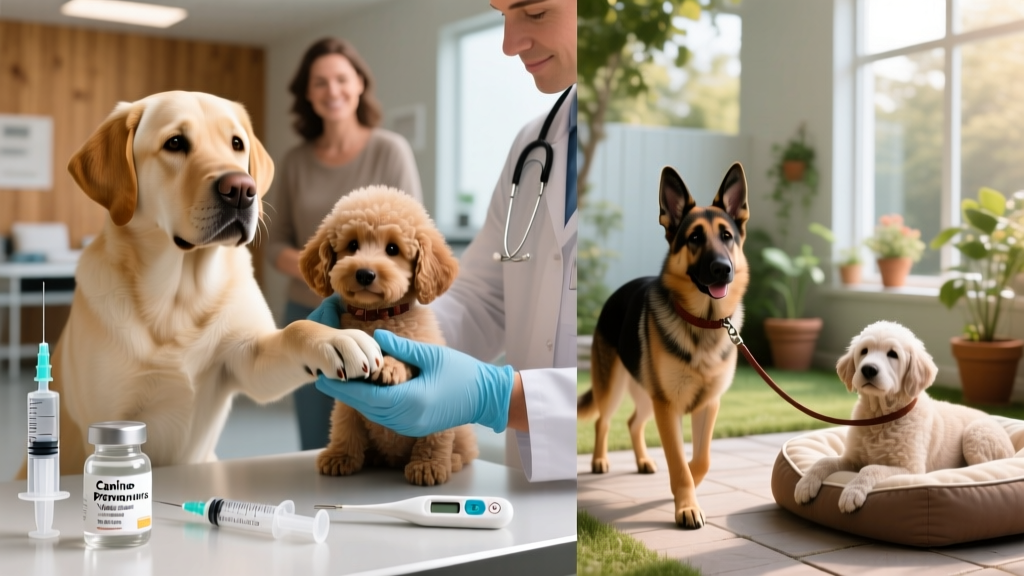
Canine parvovirus (CPV-2) kills roughly 1 in 10 infected adult dogs and up to 91% of untreated puppies, according to the Merck Veterinary Manual. The good news? A properly timed series of DHPP vaccinations reduces that risk to near zero. If you're searching for reliable information on vaccination for parvovirus in dogs, this guide walks you through the exact schedule veterinarians follow, what each shot costs, how to monitor your dog afterward, and when titer testing can replace boosters.
What Vaccines Does My Puppy or Dog Need?
Vaccines are split into two categories by the American Veterinary Medical Association (AVMA): core (recommended for every dog regardless of lifestyle) and non-core (based on exposure risk).
| Category | Vaccine | What It Prevents | Regional Notes |
|---|---|---|---|
| Core | Canine Parvovirus (part of DHPP) | Severe gastroenteritis, hemorrhagic diarrhea, death in puppies | Endemic worldwide; highest risk in shelters, dog parks, urban areas |
| Canine Distemper (part of DHPP) | Respiratory, GI, and neurological disease; often fatal | Outbreaks still occur in wildlife-dense regions (raccoons, foxes) | |
| Canine Adenovirus-2 (part of DHPP) | Infectious hepatitis and respiratory disease | Cross-protects against Adenovirus-1 (hepatitis) | |
| Rabies | Fatal viral encephalitis; zoonotic (transmissible to humans) | Legally required in all 50 US states; interval varies by jurisdiction | |
| Non-Core | Bordetella (kennel cough) | Upper respiratory infection in group settings | Required by most boarding/daycare facilities |
| Leptospirosis | Kidney and liver failure; zoonotic | Higher risk in warm, humid climates (SE US, Pacific NW, Hawaii) | |
| Lyme disease | Joint inflammation, kidney disease | Endemic in NE US, Upper Midwest, Northern CA; low risk in arid SW | |
| Canine Influenza (H3N2/H3N8) | Respiratory illness, secondary pneumonia | Recommended in areas with documented outbreaks or show/travel dogs |
The DHPP combination vaccine is the cornerstone of parvovirus prevention. Each letter stands for one component: Distemper, Hepatitis (Adenovirus-2), Parvovirus, and Parainfluenza. Your dog receives all four protections in a single injection.
When Should My Dog Get Vaccinated? The Puppy-to-Adult Schedule
Maternal antibodies from the dam's colostrum protect puppies for the first few weeks but also interfere with vaccine response. That's why veterinarians administer DHPP in a series every 2–4 weeks until maternal antibodies wane — typically by 16 weeks of age. The World Small Animal Veterinary Association (WSAVA) recommends the final puppy DHPP dose at 14–16 weeks minimum.
| Age / Stage | Vaccines Given | Notes |
|---|---|---|
| 6–8 weeks | DHPP #1 | First dose; maternal antibodies may partially neutralize. Deworming (pyrantel pamoate) typically done at this visit. |
| 10–12 weeks | DHPP #2; Bordetella (optional); Leptospirosis #1 (if indicated) | Puppy can begin controlled socialization in low-risk environments. Avoid dog parks until series complete. |
| 14–16 weeks | DHPP #3; Rabies (first dose); Leptospirosis #2 (if indicated); Lyme #1 (if indicated) | Rabies timing governed by state law — many states allow at 12 weeks. Lyme #2 given 2–4 weeks after #1. |
| 12-month booster | DHPP booster; Rabies booster (1-year or 3-year, per local law) | This first adult booster "locks in" long-term immunity. After this, DHPP interval extends to every 3 years per WSAVA guidelines. |
| Adult (every 3 years) | DHPP booster; Rabies (1- or 3-year depending on vaccine and law) | Non-core vaccines (Bordetella, Lepto, Lyme, CIV) are boosted annually if risk persists. |
| Senior (7+ years) | Same as adult; titer testing may replace DHPP boosters | Rabies vaccination remains legally required regardless of age; discuss exemptions with your vet if the dog has a serious health condition. |
Pre-Vaccination Requirements: What Happens Before the Shot
Vaccines stimulate the immune system, and that system needs to be in good working order. Before any vaccine appointment, your veterinarian will perform the following:
- Physical examination: Temperature check (normal: 101.0–102.5 °F / 38.3–39.2 °C), heart and lung auscultation, mucous membrane color, lymph node palpation. A fever above 103 °F (39.4 °C) typically postpones vaccination.
- Deworming status: Intestinal parasites (roundworms, hookworms) compromise immune response. Puppies should receive pyrantel pamoate at 2, 4, 6, and 8 weeks, followed by a fecal flotation test. Many vets deworm at the first DHPP visit if records are unknown.
- Illness screening: Active infections, recent surgery, or immunosuppressive therapy are reasons to delay. A mildly runny nose in an otherwise bright, eating puppy may not delay — but your vet makes that call.
- Weight check: Vaccine dosing is not weight-dependent for dogs (unlike some medications), but body condition score (BCS) helps the vet assess overall health.
How Much Do Dog Vaccinations Cost?
Vaccine pricing varies by clinic type (private practice vs. low-cost clinic vs. shelter event), geographic region, and whether you bundle services. Below are typical US ranges as of 2025–2026:
| Vaccine / Service | Private Clinic | Low-Cost Clinic | Booster Frequency |
|---|---|---|---|
| DHPP (each dose) | $25–$45 | $15–$25 | Puppy series (×3), then every 3 years |
| Rabies | $20–$40 | $10–$20 | 1-year or 3-year (depends on product and law) |
| Bordetella (intranasal or injectable) | $25–$40 | $15–$25 | Every 6–12 months if risk continues |
| Leptospirosis | $30–$50 | $20–$30 | Annually in endemic areas |
| Lyme disease | $30–$45 | $20–$30 | Annually in endemic areas |
| Canine Influenza (H3N2) | $35–$55 | $25–$35 | Annually; 2-dose initial series |
| Office exam fee (per visit) | $50–$90 | $0–$25 | Per visit |
| Full puppy package (3 visits, DHPP series + rabies + exam fees) | $200–$400 | $80–$150 | First year total |
| Adult annual wellness (DHPP + rabies booster + exam, every 3rd year) | $90–$170 | $40–$70 | Every 3 years for core; annual for non-core |
Budget tip: Many private clinics offer puppy wellness packages that bundle 3–4 visits, deworming, fecal tests, and the full DHPP series for $250–$350 — saving $50–$100 over à la carte pricing. Ask about package pricing when scheduling your puppy's first visit.
Side Effects of Vaccines: Normal Reactions vs. Emergency Symptoms
Most dogs handle vaccines without incident. A study published in JAVMA found adverse reaction rates of approximately 38 per 10,000 dogs vaccinated (0.38%). Here's how to distinguish routine post-vaccine responses from situations requiring immediate veterinary attention.
✅ Normal Reactions (Monitor at Home)
- Mild lethargy for 12–24 hours
- Slight decrease in appetite for one meal
- Small, firm bump at injection site (resolves in 1–2 weeks)
- Mild sneezing after intranasal Bordetella (1–3 days)
- Low-grade fever (up to 103 °F / 39.4 °C) for 24 hours
- Soreness or limp favoring injected leg (24–48 hours)
🚨 Emergency Symptoms (Call Vet Now)
- Facial swelling, hives, or puffy eyes (within minutes to hours)
- Vomiting or diarrhea within 1–2 hours of vaccination
- Difficulty breathing, wheezing, or collapse
- Seizure activity
- Injection site swelling that grows larger or persists beyond 3 weeks
- Severe lethargy lasting more than 48 hours
Are Vaccines Required by Law? Rabies and Legal Obligations
Rabies is the only vaccine with legal mandates in the United States, and the specifics vary by jurisdiction:
- All 50 US states require rabies vaccination for dogs, but the first-dose age ranges from 12 weeks to 6 months.
- Booster intervals depend on both the vaccine product label and state law. Some states accept 3-year rabies vaccines; others mandate annual revaccination regardless of the product used.
- Documentation: A licensed veterinarian must administer the rabies vaccine for it to be legally recognized. Self-administered or feed-store vaccines do not satisfy legal requirements. You'll receive a rabies certificate and tag — keep these for licensing, boarding, and travel.
- Medical exemptions: A growing number of states (including California, Colorado, and Virginia) allow veterinarians to issue rabies vaccine exemptions for dogs with documented medical contraindications, but this is not universal. Check your state's current regulations.
- International travel: The EU Pet Travel Scheme, UK PETS, and Hawaii/Japan import protocols require specific rabies titer testing (FAVN test) at approved laboratories — plan 4–6 months ahead.
No other vaccine carries a legal mandate, but boarding facilities, doggy daycares, and grooming salons routinely require proof of DHPP and Bordetella as a condition of entry.
Preventive Medication Calendar: Heartworm, Flea/Tick, and Deworming
Vaccination is one pillar of preventive care. Parasite control is the other. Here's how the two work together across the calendar year:
| Preventive | Frequency | Regional/Seasonal Guidance | Typical Cost (Monthly) |
|---|---|---|---|
| Heartworm (ivermectin, milbemycin, moxidectin, or selamectin) | Monthly (oral/topical) or every 6–12 months (injectable ProHeart) | Year-round in all 50 states per the American Heartworm Society. Mosquitoes can emerge during winter warm spells. Annual antigen test recommended. | $8–$18/month (oral); $120–$200 per injectable dose |
| Flea & tick (isoxazoline class: afoxolaner, fluralaner, sarolaner, lotilaner) | Monthly (oral/topical) or every 3 months (Bravecto) | Year-round in SE US, Gulf Coast, and Southern CA. Seasonal (Apr–Nov) acceptable in northern states with hard freezes. Note: isoxazolines carry an FDA warning for dogs with seizure history. | $15–$25/month |
| Intestinal deworming | Puppies: every 2 weeks until 12 weeks, then monthly until 6 months. Adults: 1–4×/year based on fecal tests. | Fecal flotation recommended 1–2×/year for adults. Heartworm preventives containing milbemycin or moxidectin also control roundworms and hookworms. | $10–$20 per dose (pyrantel/praziquantel); fecal test $30–$55 |
Wellness Exam Frequency by Life Stage
Vaccinations happen during wellness exams, but the exam itself is equally important. Here's how often your dog should see the vet, independent of vaccine timing:
- Puppies (0–6 months): Every 3–4 weeks until the vaccine series is complete (typically 3–4 visits). Each visit includes weight tracking, developmental assessment, and parasite screening.
- Junior/Adult dogs (1–6 years): Annual wellness exam. Includes dental evaluation, body condition scoring, heart and lung auscultation, and vaccine/titer updates as needed.
- Senior dogs (7+ years): Twice-yearly exams recommended. Senior bloodwork panel (CBC, chemistry, thyroid) annually to catch early kidney disease, hypothyroidism, or diabetes. Vaccine decisions shift toward titer testing to minimize immune burden.
- Geriatric dogs (10+ years): Every 4–6 months. Focus shifts to quality of life, pain management (arthritis, dental disease), and cognitive health. Rabies vaccination remains legally required but discuss exemption options if the dog has significant comorbidities.
Vaccine Alternatives: Titer Testing Explained
A titers test (also called a vaccine antibody titer or serology test) measures the level of circulating antibodies in your dog's blood for specific diseases — most commonly parvovirus, distemper, and adenovirus. If antibody levels are above a protective threshold, your dog is considered immune and may not need a DHPP booster.
How it works: Your vet draws a small blood sample and sends it to a laboratory (e.g., Kansas State University's diagnostic lab or Biogal's in-clinic VacciCheck kit). Results typically return in 5–10 business days for send-out labs or within 20 minutes for in-clinic kits.
Cost: In-clinic titer tests (VacciCheck) run $50–$80 for the DHPP panel. Send-out quantitative titers to a university lab cost $80–$200 depending on the number of diseases tested.
When titers make sense:
- Adult dogs with unknown or incomplete vaccination histories (rescues, shelter dogs)
- Senior dogs or dogs with immune-mediated disease where additional vaccination may pose risk
- Dogs who have had prior adverse vaccine reactions
- Owners seeking to minimize lifetime vaccine exposure while maintaining immunity
Important limitations: Titers are not legally accepted as a substitute for rabies vaccination in most US jurisdictions. Even if your dog's rabies titer is high, the law still requires revaccination on schedule. Additionally, titers for Bordetella and Leptospirosis are not standardized and are not recommended as a substitute for revaccination.
Frequently Asked Questions
Can my puppy get parvovirus even after the first DHPP shot?
Yes. A single DHPP dose at 6–8 weeks provides incomplete protection because maternal antibodies may neutralize the vaccine virus. Puppies are not considered fully protected until approximately 1–2 weeks after their final puppy dose at 14–16 weeks. During the series, limit exposure to high-risk environments (dog parks, pet store floors, unknown dogs).
How often does my dog need DHPP boosters after the puppy series?
After the 12-month adult booster, WSAVA guidelines recommend DHPP revaccination every 3 years. Duration of immunity studies show that modified-live parvovirus and distemper vaccines provide protective immunity for a minimum of 5–7 years, and likely much longer, but the 3-year interval balances evidence with practical monitoring.
What if I miss a booster — does my dog need to restart the whole series?
For core DHPP vaccines, no. If your adult dog is overdue by a few months or even a year, a single booster dose is sufficient to restore immunity — you do not need to repeat the full puppy series. However, for Leptospirosis and Lyme (killed or subunit vaccines), a lapse beyond the recommended annual interval may require restarting the 2-dose initial series.
Is it safe to give multiple vaccines at the same visit?
Research published in JAVMA found that administering multiple vaccines simultaneously slightly increases the risk of adverse reactions compared to single-vaccine visits, particularly in small-breed dogs under 22 lb (10 kg). If your toy-breed puppy is due for DHPP, rabies, and Leptospirosis on the same day, ask your vet about spacing them 2 weeks apart to reduce reaction risk.
My dog had a reaction to a vaccine — should I stop vaccinating?
Not necessarily. For mild reactions (hives, facial swelling), your vet can pre-treat with an antihistamine (diphenhydramine at 1–2 mg/lb) and/or a corticosteroid before the next vaccination. For severe anaphylactic reactions, your vet may recommend titer testing in lieu of DHPP boosters and file a medical exemption for rabies if your state allows it. Always report adverse reactions to the vaccine manufacturer and the USDA's Center for Veterinary Biologics.
Do indoor-only dogs still need parvovirus vaccination?
Yes. Parvovirus is extraordinarily hardy — it survives on shoes, clothing, and surfaces for months and resists most household disinfectants (only diluted bleach at 1:30 or accelerated hydrogen peroxide reliably kills it). An indoor dog that steps outside to relieve itself, visits the vet, or encounters a contaminated surface is at risk. Core vaccination is recommended regardless of lifestyle.
Marcus Aldridge
All our authors care for dogs every day — read more of their work on the authors page.


