Benefits, Top Picks & Feeding Guide for Every Life Stage
Complete guide to turkey dog food: nutritional benefits, top commercial picks with pricing, feeding amounts by weight, homemade diet safety, and transition tips.

Why Turkey Dog Food Deserves a Spot in Your Dog's Bowl
Turkey has become one of the most sought-after protein sources in commercial and homemade dog diets — and for good reason. As a lean, highly digestible animal protein, turkey delivers essential amino acids without the higher fat loads associated with beef or lamb. For dogs with sensitivities to more common proteins like chicken or beef, turkey often serves as an effective novel protein that can reduce allergic reactions and gastrointestinal upset.
But not all turkey dog foods are created equal. Some formulas load up on fillers, others skimp on the actual turkey content, and a few miss critical nutritional benchmarks entirely. This guide breaks down exactly what to look for, how much to feed, which brands deliver real value, and when a homemade turkey diet might (or might not) make sense for your dog.
Veterinary Disclaimer: This article provides general nutritional guidance. Always consult your veterinarian or a board-certified veterinary nutritionist (DACVN) before making significant diet changes, especially for dogs with medical conditions like kidney disease, pancreatitis, or food allergies.
Turkey's Nutritional Profile: What Makes It Work for Dogs
Turkey meat — particularly white meat — offers a protein-to-fat ratio that aligns well with canine nutritional needs. Here's what a 3-ounce (85g) serving of cooked, skinless turkey breast provides:
- Protein: ~25g (highly bioavailable, complete amino acid profile)
- Fat: ~1g (white meat) to ~8g (dark meat with skin)
- Calories: ~125 kcal (white meat)
- Key micronutrients: Selenium, phosphorus, vitamin B6, niacin (B3), riboflavin (B2), zinc
- Tryptophan: Present in moderate amounts — supports serotonin production
Dark meat turkey contains more iron and zinc than white meat, making it valuable for active dogs with higher mineral demands. However, the added fat means portion control matters more, especially for dogs prone to pancreatitis or obesity.
Turkey vs. Chicken: A Quick Protein Comparison
| Nutrient (per 100g cooked) | Turkey Breast | Chicken Breast | Beef (lean) |
|---|---|---|---|
| Protein | 29g | 31g | 26g |
| Fat | 1.5g | 3.6g | 10g |
| Calories | 135 kcal | 165 kcal | 217 kcal |
| Iron | 1.4mg | 1.0mg | 2.6mg |
| Zinc | 2.0mg | 1.0mg | 4.8mg |
Turkey's lower calorie density makes it particularly useful for weight management diets, while still delivering robust protein content for muscle maintenance.
Nutritional Requirements by Life Stage and Condition
Your dog's protein, fat, and calorie needs shift dramatically depending on age, activity level, and health status. Here's how turkey-based diets should be calibrated:
| Life Stage / Condition | Protein (min %) | Fat (min %) | Calories/Day (50 lb / 23 kg dog) | Turkey Diet Notes |
|---|---|---|---|---|
| Adult (maintenance) | 22% | 8% | 1,100–1,400 kcal | Turkey as primary or secondary protein; balanced with grains or vegetables |
| Puppy (growth) | 28% | 17% | 1,800–2,200 kcal | Higher protein critical for development; turkey must be paired with calcium/phosphorus supplements in homemade diets |
| Senior (7+ years) | 25–28% | 8–12% | 900–1,200 kcal | Turkey's leanness supports joint-friendly weight control; added omega-3s recommended |
| Active/Working | 28–32% | 18–25% | 1,600–2,200 kcal | Dark meat turkey preferred for higher fat/calorie density |
| Weight Loss | 25–30% | 5–8% | 800–1,000 kcal | Turkey breast is ideal — high protein, low fat; increase fiber with pumpkin or green beans |
| Food Allergies/Sensitivities | 22–28% | 8–15% | Varies by weight | Turkey as novel protein in limited-ingredient diet; avoid common allergens (corn, wheat, soy, chicken) |
| Kidney Disease (CKD) | 14–18% (restricted) | 8–15% | Varies | Turkey can work in prescription renal diets with phosphorus restriction; vet supervision required |
The percentages above reflect dry matter basis (DMB) for commercial foods. According to AAFCO nutrient profiles, adult maintenance requires a minimum of 18% protein and 5.5% fat on an as-fed basis, while growth/reproduction demands 22.5% protein and 8.5% fat. These are minimums — most quality turkey dog foods exceed them substantially.
How to Read a Turkey Dog Food Label Like a Pro
The ingredient list and guaranteed analysis on a bag of dog food can feel like a puzzle. Here's your decoding framework:
The AAFCO Statement: Your First Checkpoint
Look for a statement that reads: "[Product Name] is formulated to meet the nutritional levels established by the AAFCO Dog Food Nutrient Profiles for [life stage]." This confirms the food has been formulated (or feeding-tested) to be complete and balanced. If you don't see this statement, put the bag back — it's not a complete diet.
Ingredient Order Matters
- First ingredient should be a named animal protein: "Turkey," "deboned turkey," or "turkey meal" — not "poultry" or "meat" (these are vague and may include multiple species).
- "Turkey" vs. "Turkey meal": Fresh turkey contains ~70% water. Turkey meal is rendered and concentrated, providing roughly 300% more protein by weight. A food listing "turkey meal" as the first ingredient may actually contain more turkey protein than one listing "turkey."
- Watch for protein splitting: If "peas," "pea protein," and "lentils" all appear in the top 10 ingredients, the combined plant protein may rival or exceed the turkey content — even though turkey is listed first.
- Fat source should be named: "Chicken fat" or "turkey fat" is acceptable (fat is species-specific and generally safe even for dogs with protein allergies to that species). Avoid generic "animal fat."
Red Flags to Avoid
- Unnamed meat by-products ("meat by-products" vs. "turkey by-products")
- Artificial preservatives: BHA, BHT, ethoxyquin
- Artificial colors: Red 40, Yellow 5, Yellow 6
- Added sweeteners: corn syrup, sucrose
- Excessive legume content in grain-free formulas (linked to FDA-investigated DCM cases)
Top Turkey Dog Food Picks for 2026
These recommendations are based on ingredient quality, AAFCO compliance, brand reputation, recall history, and nutritional adequacy across life stages. Prices reflect 2026 retail averages and will vary by retailer and region.
1. Blue Buffalo Life Protection Formula Turkey & Brown Rice (Adult)
- First 5 ingredients: Deboned turkey, turkey meal, brown rice, barley, oatmeal
- Guaranteed Analysis: 24% protein, 14% fat, 4% fiber
- Calories: 380 kcal/cup
- Price range: $45–$55 per 30 lb bag
- Best for: Adult dogs with no grain sensitivities; everyday maintenance diet
- Why it works: Named turkey protein in the first two slots, whole grains for sustained energy, no corn/wheat/soy. Includes Blue's LifeSource Bits (antioxidant blend).
2. Natural Balance L.I.D. Limited Ingredient Diets Turkey & Potato Formula
- First 5 ingredients: Turkey, turkey meal, potatoes, sweet potatoes, potato protein
- Guaranteed Analysis: 23% protein, 11% fat, 4.5% fiber
- Calories: 355 kcal/cup
- Price range: $55–$68 per 26 lb bag
- Best for: Dogs with food sensitivities; elimination diet trials
- Why it works: Single animal protein source (turkey), limited ingredient list reduces allergen exposure. Grain-free but includes potatoes for carbohydrate balance. Natural Balance has a strong safety testing program (each batch tested before release).
3. Open Farm Wild-Caught Salmon & Turkey Recipe (Grain-Free)
- First 5 ingredients: Turkey, turkey meal, salmon meal, whole peas, red lentils
- Guaranteed Analysis: 30% protein, 14% fat, 4% fiber
- Calories: 420 kcal/cup
- Price range: $70–$85 per 22 lb bag
- Best for: Active adult dogs; owners prioritizing ingredient transparency
- Why it works: Open Farm publishes full ingredient sourcing information and third-party test results. Higher protein supports active lifestyles. Note: dual protein (salmon + turkey) means it's not suitable for single-protein elimination diets.
4. Purina Pro Plan Savor Adult Turkey & Rice Formula
- First 5 ingredients: Turkey, brewer's rice, poultry by-product meal, whole grain wheat, soybean meal
- Guaranteed Analysis: 26% protein, 16% fat, 3% fiber
- Calories: 396 kcal/cup
- Price range: $38–$48 per 35 lb bag
- Best for: Budget-conscious owners who want a widely available, feeding-trial-tested food
- Why it works: Purina conducts actual AAFCO feeding trials (not just formulation). Backed by extensive research from Purina's veterinary nutrition team. Contains live probiotics for digestive support. Trade-off: includes wheat and soy, which may not suit dogs with grain allergies.
5. Nom Nom Turkey Recipe (Fresh, Human-Grade)
- First 5 ingredients: Turkey, russet potatoes, turkey hearts, carrots, turkey livers
- Guaranteed Analysis: 8% protein (as-fed), 4% fat, 2% fiber (translates to ~36% protein, 18% fat on DMB)
- Calories: ~310 kcal per 10oz tray
- Price range: $4–$7 per day (varies by dog size; subscription-based)
- Best for: Picky eaters, dogs transitioning to fresh food, owners wanting human-grade ingredients
- Why it works: Gently cooked, human-grade ingredients. Formulated by a veterinary nutritionist. Pre-portioned for your dog's specific caloric needs based on a detailed intake questionnaire. Trade-off: significantly more expensive than kibble; requires refrigeration.
6. JustFoodForDogs Turkey & Whole Wheat Macaroni (Fresh-Frozen)
- First 5 ingredients: Turkey breast, ground turkey, whole wheat macaroni, zucchini, spinach
- Guaranteed Analysis: 9% protein (as-fed), 3.5% fat, 1.5% fiber
- Calories: ~270 kcal per 8oz serving
- Price range: $5–$9 per day (subscription); $12–$16 per 18oz box (retail)
- Best for: Dogs needing whole-food diets with veterinary nutritionist oversight
- Why it works: Each recipe developed with DACVN-certified nutritionists. Transparent ingredient sourcing. Available at Petco locations nationwide. Gentle cooking preserves nutrients without raw diet risks.
7. Wellness Simple Limited Ingredient Diet Turkey & Potato (Wet)
- First 5 ingredients: Turkey, turkey broth, potatoes, ground flaxseed, potato protein
- Guaranteed Analysis: 9% protein (as-fed), 5% fat, 1.5% fiber
- Calories: 361 kcal per 12.5 oz can
- Price range: $2.80–$3.50 per 12.5 oz can
- Best for: Senior dogs, dogs with dental issues, or as a kibble topper for palatability
- Why it works: Limited ingredient format with single animal protein. High moisture content supports hydration, particularly valuable for senior dogs or those prone to urinary issues.
Feeding Amounts: How Much Turkey Dog Food to Feed
Every dog's caloric needs are unique, but the following table provides a solid starting point based on weight and activity level. Adjust based on your dog's body condition score (BCS) over 2–4 weeks.
| Dog Weight | Sedentary/Indoor (kcal/day) | Moderately Active (kcal/day) | Highly Active/Working (kcal/day) | Approx. Cups/Day (at ~380 kcal/cup) |
|---|---|---|---|---|
| 10 lb / 4.5 kg | 340 | 425 | 510 | 0.9 – 1.3 cups |
| 25 lb / 11 kg | 630 | 785 | 945 | 1.7 – 2.5 cups |
| 50 lb / 23 kg | 1,050 | 1,315 | 1,575 | 2.8 – 4.1 cups |
| 75 lb / 34 kg | 1,420 | 1,775 | 2,130 | 3.7 – 5.6 cups |
| 100 lb / 45 kg | 1,760 | 2,200 | 2,640 | 4.6 – 6.9 cups |
Adjustment factors to consider:
- Intact vs. spayed/neutered: Altered dogs typically need 10–20% fewer calories due to metabolic changes post-surgery.
- Age: Senior dogs (7+ years) often need 10–15% fewer calories unless they remain highly active.
- Body Condition Score: If your dog's BCS is 7–9/9 (overweight to obese), reduce portions by 10–15% and reassess in 2 weeks. Target BCS is 4–5/9.
- Treats: Treats should not exceed 10% of total daily caloric intake. Factor them in.
Transition Protocol: Switching to Turkey Dog Food Safely
Sudden diet changes frequently cause diarrhea, vomiting, or gas. A gradual 7–10 day transition gives your dog's gut microbiome time to adapt to new protein sources and fiber profiles.
| Days | Old Food | New Turkey Food | What to Watch For |
|---|---|---|---|
| Days 1–2 | 75% | 25% | Normal stool, appetite stable |
| Days 3–4 | 50% | 50% | Softer stool is common; firming should occur within 24–48 hours |
| Days 5–6 | 25% | 75% | Energy levels, coat appearance, stool consistency |
| Days 7–10 | 0% | 100% | Full adjustment; monitor for 2–3 more days before considering the transition complete |
If your dog develops persistent diarrhea (more than 48 hours), vomiting, or refuses to eat during the transition: Slow the transition timeline (extend each phase by 2–3 days) or add a bland binder like plain canned pumpkin (1–2 tablespoons per meal for a 50 lb dog). If symptoms persist beyond 72 hours, contact your veterinarian.
Homemade Turkey Dog Diets: What You Must Know Before Cooking
Preparing your dog's food at home can feel rewarding, but the margin for nutritional error is slim. A 2013 study published in the Journal of the American Veterinary Medical Association found that 95% of homemade dog food recipes analyzed were nutritionally deficient in at least one essential nutrient, and 83.5% had multiple deficiencies.
Sample Turkey Recipe Framework (Requires Nutritionist Approval)
This framework shows what a balanced homemade turkey meal structure looks like — but the exact ratios, supplements, and portions must be customized by a professional:
- Protein (40–50%): Cooked ground turkey or turkey breast (no seasoning, no onions, no garlic)
- Carbohydrate (30–40%): Cooked brown rice, sweet potato, or oatmeal
- Vegetables (10–15%): Steamed carrots, green beans, or zucchini
- Fat source (5%): Fish oil or flaxseed oil (added after cooking)
- Supplement blend (mandatory): Calcium (bone meal or calcium carbonate), vitamin E, zinc, copper, iodine, taurine — specific dosing determined by nutritionist based on recipe analysis
Resources for balanced recipes:
- Balance IT — Offers a free recipe builder tool developed by veterinary nutritionists, plus custom recipe formulation services.
- Find a DACVN: Search the American College of Veterinary Nutrition directory for a board-certified nutritionist in your area.
Raw Turkey Diets: Safety Considerations
Some owners feed raw turkey (ground, necks, wings) as part of a BARF (Biologically Appropriate Raw Food) or prey-model diet. The AVMA discourages raw feeding due to documented risks:
- Pathogen contamination: Raw turkey carries Salmonella, Campylobacter, and Listeria risks — for both your dog and your household (zoonotic transmission).
- Nutritional imbalance: Raw diets without precise supplementation commonly lack calcium, vitamin D, vitamin E, and trace minerals.
- Bone hazards: Cooked turkey bones splinter and can cause esophageal tears, intestinal perforation, or obstruction. Raw bones carry lower but non-zero fracture risk.
If you choose to feed raw despite these risks, work with a veterinary nutritionist to formulate a balanced recipe, handle raw meat with strict hygiene protocols, and have your dog's bloodwork monitored every 6 months.
Foods and Ingredients to Avoid in Turkey Dog Food
Not everything that comes alongside turkey in recipes is safe for dogs. Avoid these ingredients entirely:
| Ingredient | Risk Level | Why It's Dangerous |
|---|---|---|
| Onions / Garlic (powder or fresh) | 🔴 Toxic | Destroy red blood cells → hemolytic anemia. Toxicity threshold: ~5g/kg for onions, ~1g/kg for garlic. |
| Grapes / Raisins | 🔴 Toxic | Acute kidney failure even in small amounts. No safe dose established. |
| Cooked turkey bones | 🔴 Dangerous | Splinter into sharp shards → GI perforation, obstruction, choking. |
| Macadamia nuts | 🟠 Moderate | Cause weakness, tremors, hyperthermia. Toxicity at ~2.4g/kg. |
| Xylitol (artificial sweetener) | 🔴 Toxic | Rapid insulin release → hypoglycemia, liver failure. Toxic at ~0.1g/kg. |
| Excessive salt / sodium | 🟠 Moderate | Sodium ion poisoning in large amounts; dangerous for dogs with heart or kidney disease. |
| Nutmeg | 🟠 Moderate | Contains myristicin — causes hallucinations, increased heart rate, seizures in large doses. |
| Turkey skin (fried/buttered) | 🟡 Caution | Extremely high fat → pancreatitis risk. Plain roasted skin in tiny amounts is not toxic but not recommended. |
If your dog ingests a known toxic substance, call the ASPCA Animal Poison Control Center at (888) 426-4435 (24/7, consultation fee applies) or the Pet Poison Helpline at (855) 764-7661 immediately.
Supplements for Turkey-Based Diets: What to Add and When
Commercial turkey dog foods that carry the AAFCO statement are already nutritionally complete — most dogs don't need additional supplements. However, certain conditions or homemade diets may warrant targeted supplementation:
| Supplement | When to Add | Typical Dosage (50 lb / 23 kg dog) | Notes |
|---|---|---|---|
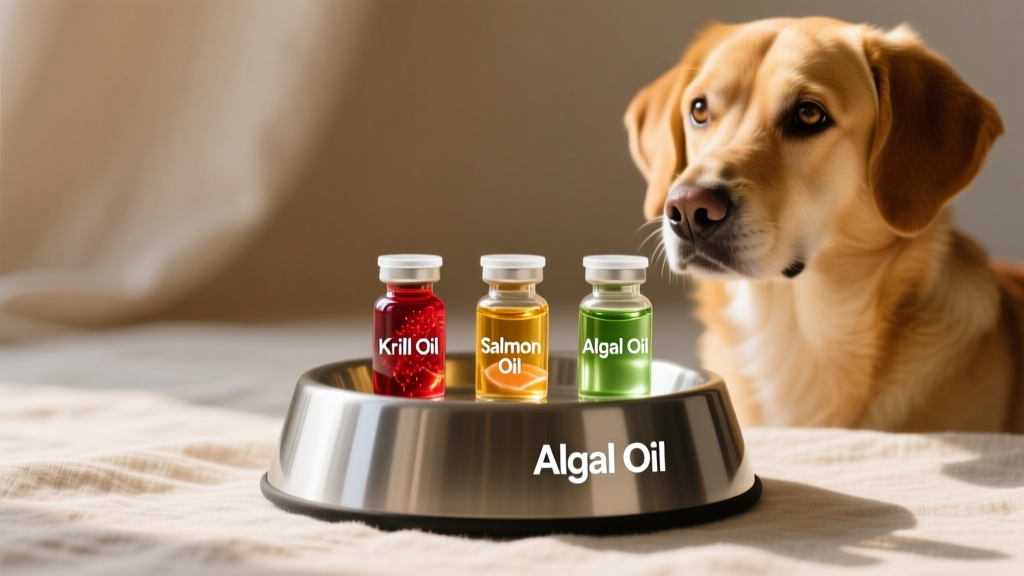
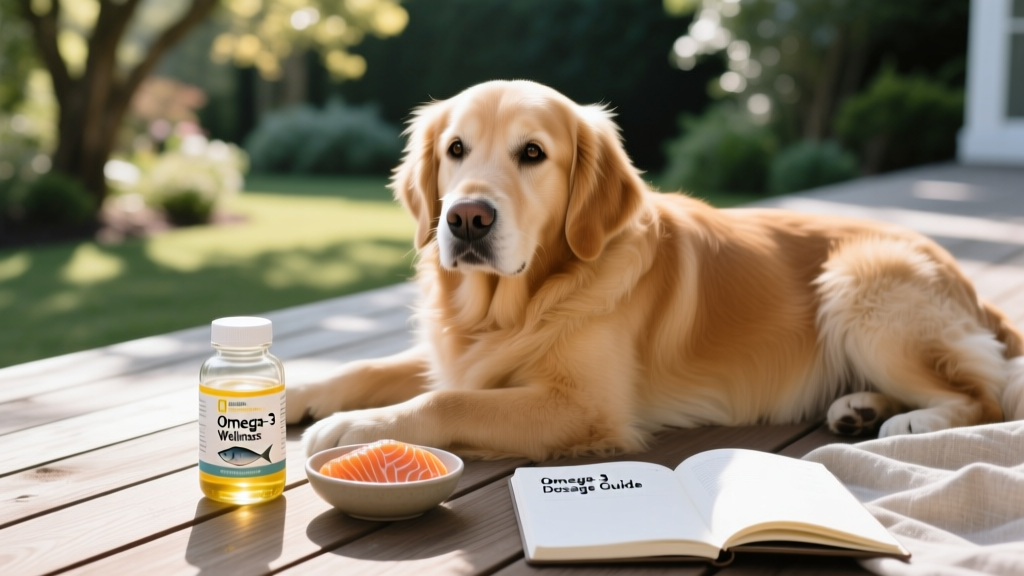
| Fish oil (EPA/DHA) | Coat quality, joint support, senior dogs | 500–1,000 mg combined EPA/DHA daily | Add to food after serving; refrigerate after opening |
| Probiotics | During food transitions, after antibiotics, digestive sensitivity | 1–5 billion CFU daily | Look for multi-strain products with Lactobacillus and Bifidobacterium species |
| Glucosamine + Chondroitin | Senior dogs, large breeds, dogs with hip/elbow dysplasia | 500–1,000 mg glucosamine daily | May take 4–6 weeks to see improvement |
| Calcium (bone meal or CaCO₃) | Homemade diets ONLY — not needed with commercial complete foods | Per nutritionist calculation (typically 50mg/kg body weight) | Calcium:phosphorus ratio must be 1.2:1 to 1.4:1 — never supplement blindly |
| Vitamin E | Homemade diets, dogs on high-fat diets | 2–5 IU/kg body weight daily | Fat-soluble; excess can interfere with vitamin K absorption |
Always consult your veterinarian before starting any supplement. Over-supplementation can be as harmful as deficiency — fat-soluble vitamins (A, D, E, K) accumulate in the body and can reach toxic levels.
Monitoring Your Dog's Response: The Body Condition Score System
After switching to a turkey dog food, you should see measurable results within 4–8 weeks. Use this checklist to evaluate whether the diet is working:
Body Condition Score (BCS) — 9-Point Scale
The BCS is a hands-on assessment tool used by veterinarians. Here's how to check at home:
- Ribs: You should feel ribs easily with light pressure (like running your fingers over the back of your hand) but not see them prominently.
- Waist: Viewed from above, your dog should have a visible waist behind the ribs — an hourglass shape.
- Abdominal tuck: Viewed from the side, the abdomen should tuck up behind the rib cage, not sag.
- Ideal BCS: 4–5 out of 9. If your dog is 6+, reduce food by 10%. If 3 or below, increase food by 10% and consult your vet to rule out underlying conditions.
Additional Health Markers
- Coat quality: Shiny, soft, minimal excessive shedding. Dull, flaky, or brittle coat may indicate fatty acid deficiency.
- Energy level: Consistent energy throughout the day (breed-appropriate). Lethargy may signal insufficient calories or nutrient deficiency.
- Stool quality: Firm, formed, easy to pick up. Consistent soft stool, excessive gas, or frequent bowel movements may indicate the formula isn't agreeing with your dog's digestive system.
- Weight stability: Weigh your dog monthly during the first 3 months on a new diet. Use a bathroom scale (hold your dog, then subtract your weight) or visit your vet's office.
Frequently Asked Questions About Turkey Dog Food
Is turkey dog food good for dogs with allergies?
Turkey is considered a novel protein for most dogs, meaning they haven't been widely exposed to it (unlike chicken or beef). This makes it a strong candidate for elimination diet trials to identify food allergies. However, some dogs can be allergic to turkey itself — especially if they've been eating turkey-based foods long-term. A proper food trial requires 8–12 weeks on a single-protein, limited-ingredient turkey diet with no other protein sources, treats, or flavored medications.
Can puppies eat turkey dog food?
Yes, but the food must be specifically formulated for growth or "all life stages" and carry the appropriate AAFCO statement. Puppies need higher protein (minimum 28% DMB), higher fat (minimum 17% DMB), and precise calcium-to-phosphorus ratios for proper skeletal development. Never feed an adult maintenance formula to a growing puppy — the nutritional gaps can cause developmental orthopedic diseases.
Can I feed my dog leftover Thanksgiving turkey?
Plain, cooked, unseasoned turkey breast in small amounts is safe as an occasional treat. However, most holiday turkey is seasoned with onion, garlic, butter, and salt — all of which are problematic for dogs. Turkey skin is very high in fat and can trigger pancreatitis. Turkey gravy often contains onion and excessive sodium. Keep portions small: no more than 10% of daily caloric intake from treats, including turkey scraps.
Is turkey dog food better than chicken dog food?
Neither protein is universally "better" — the right choice depends on your individual dog. Turkey is generally leaner and may be preferable for weight management or dogs with chicken sensitivities. Chicken has slightly higher protein content per serving. If your dog tolerates chicken well and maintains a healthy weight on a chicken-based diet, there's no compelling reason to switch. If your dog has unexplained itching, ear infections, or GI upset on chicken, a turkey-based diet is a reasonable alternative to trial.
Does my dog need supplements on a commercial turkey dog food?
If the food carries an AAFCO complete-and-balanced statement for your dog's life stage, additional supplements are generally unnecessary and potentially counterproductive. Exceptions include targeted supplementation for specific conditions (e.g., fish oil for joint support in senior dogs, probiotics during transitions). Always discuss supplements with your veterinarian before adding them.
How long does it take to see results after switching to turkey dog food?
Stool quality changes appear within 1–2 weeks. Coat improvement takes 4–8 weeks as the new fatty acid profile works through the hair growth cycle. Allergy symptom improvement (if turkey is replacing an allergenic protein) typically requires 8–12 weeks for skin and ear inflammation to fully resolve. Weight changes should be noticeable within 3–4 weeks if caloric intake has been adjusted appropriately.
Aaron Whyte
All our authors care for dogs every day — read more of their work on the authors page.