Signs, Timelines & What to Expect
Learn dog cancer stages, early signs, treatment, prognosis, and when to see a vet.
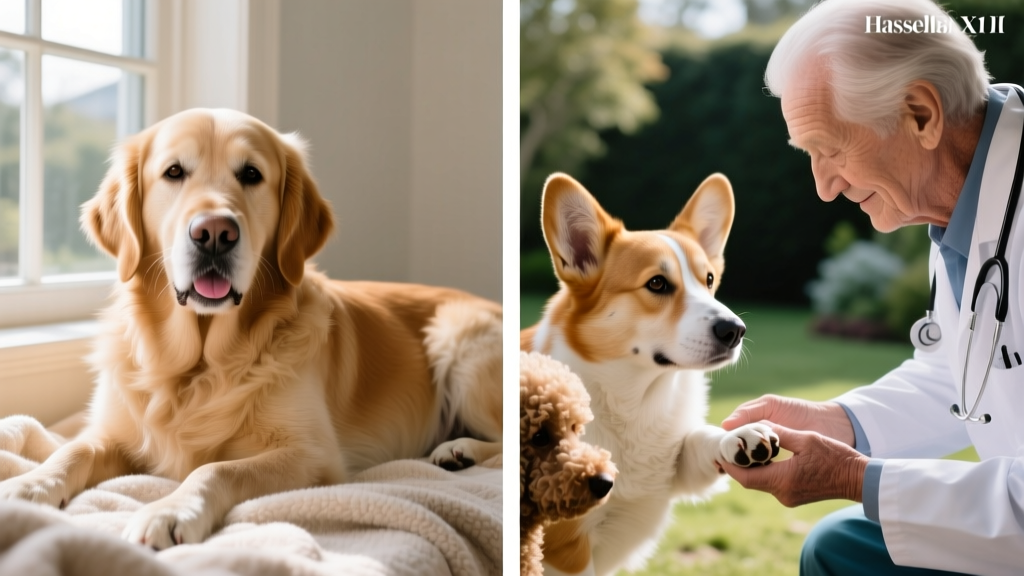
Watching a beloved dog decline from cancer is one of the hardest experiences any pet owner faces. If you've found yourself searching for the stages of dog cancer leading to death, you're likely looking for clarity during an overwhelming time. This guide breaks down how canine cancer progresses, what symptoms appear at each stage, what your veterinarian can do, and how to keep your dog as comfortable as possible throughout the journey.
Cancer is the leading cause of death in dogs over 10 years old, accounting for roughly 50% of deaths in senior dogs, according to the American Veterinary Medical Association (AVMA). Approximately 1 in 3 dogs will develop some form of cancer during their lifetime — a rate strikingly similar to humans. Not all cancers are terminal, and many are treatable when caught early. But understanding how cancer progresses through its stages helps you make informed decisions about treatment, quality of life, and end-of-life care.
What Is Cancer in Dogs and How Does It Progress?
Cancer in dogs occurs when abnormal cells grow uncontrollably, forming tumors (masses) or circulating through the blood and lymphatic system. These malignant cells invade healthy tissue, disrupt organ function, and can metastasize — spread to distant parts of the body. The progression typically follows a pattern: localized growth, regional invasion, distant metastasis, and ultimately systemic organ failure.
Canine cancers vary enormously in aggressiveness. A low-grade mast cell tumor may grow slowly for months and be cured with surgical removal, while osteosarcoma (bone cancer) can metastasize to the lungs within weeks of diagnosis. The staging system veterinarians use helps predict how far the disease has spread and guides treatment decisions.
The Four Stages of Canine Cancer
Most solid tumors in dogs are staged using the TNM system (Tumor, Node, Metastasis), adapted by the World Health Organization for veterinary oncology:
| Stage | What It Means | Typical Characteristics |
|---|---|---|
| Stage I | Localized, small tumor | Single small tumor, no lymph node involvement, no metastasis. Often curable with surgery. |
| Stage II | Larger or locally invasive tumor | Tumor is larger or growing into nearby tissue. Regional lymph nodes may be affected. Still potentially treatable. |
| Stage III | Extensive local disease or lymph node spread | Large tumor with significant lymph node involvement or multiple regional tumors. Treatment becomes more complex. |
| Stage IV | Distant metastasis | Cancer has spread to distant organs (lungs, liver, bone, brain). Generally considered terminal, with treatment focused on comfort. |
The timeline from Stage I to Stage IV varies dramatically by cancer type. Lymphoma can progress from early to late stage in 2–4 weeks without treatment. Mammary carcinoma may take 6–12 months to advance through stages. Hemangiosarcoma often isn't detected until Stage III or IV because it grows internally with few early symptoms.
Symptoms Checklist: Early Warning Signs vs. Advanced Stages
Cancer symptoms in dogs are notoriously easy to miss in early stages. Dogs are evolutionarily wired to hide weakness, so they often show no outward signs until disease is well-established. Here's what to watch for, organized by progression:
| Severity Level | Symptoms | What It May Indicate |
|---|---|---|
| Early Warning (Stage I–II) | Small lump or bump under the skin that persists more than 2 weeks | Possible mast cell tumor, lipoma (benign), or soft tissue sarcoma |
| Early Warning | Mild, persistent lameness (especially in large breeds) | Possible osteosarcoma |
| Early Warning | Unexplained weight loss of 5–10% body weight | Metabolic disruption from early tumor growth |
| Early Warning | Decreased appetite lasting more than 3 days | Oral tumors, GI tract involvement, or systemic illness |
| Early Warning | Swollen lymph nodes (under jaw, behind knees, in front of shoulders) | Possible lymphoma or metastatic spread |
| Mid-Stage (Stage II–III) | Visible tumor growth, ulceration, or bleeding from a mass | Tumor outgrowing its blood supply or invading skin |
| Mid-Stage | Chronic vomiting or diarrhea unresponsive to standard treatment | GI tract tumors (leiomyosarcoma, lymphoma) |
| Mid-Stage | Difficulty breathing, persistent cough | Lung metastasis or primary lung tumor |
| Mid-Stage | Lethargy, reluctance to exercise or play | Systemic illness, anemia, or pain |
| Mid-Stage | Abdominal swelling or distension | Internal tumors (splenic hemangiosarcoma, liver tumors) |
| Advanced (Stage III–IV) | Severe, uncontrolled pain — whimpering, restlessness, inability to get comfortable | Bone involvement, organ compression, or nerve invasion |
| Advanced | Complete refusal to eat or drink for 48+ hours | End-stage metabolic failure |
| Advanced | Difficulty standing, collapse, or inability to walk | Spinal metastasis, severe weakness, or pathologic fracture |
| Advanced | Labored breathing, pale or blue-tinged gums | Pulmonary metastasis, internal bleeding, or heart involvement |
| Advanced | Seizures, disorientation, or sudden blindness | Brain metastasis or paraneoplastic syndrome |
| End-of-Life | Unresponsiveness, incontinence, loss of recognition of family members | Multi-organ failure, terminal decline |
Risk Factors: Which Dogs Are Most Vulnerable?
Cancer Risk Factor Profile
Age: Risk increases significantly after age 7. Dogs over 10 have the highest incidence. However, some cancers (lymphoma, osteosarcoma) can strike dogs as young as 1–2 years old.
Breed Predisposition: Certain breeds carry dramatically elevated cancer risk (see breed table below). Mixed-breed dogs generally have lower overall risk due to genetic diversity, though they are not immune.
Weight/Size: Large and giant breeds (over 50 lb / 23 kg) have higher rates of osteosarcoma and bone cancers. Overweight dogs of any size face increased risk for mammary tumors and transitional cell carcinoma.
Reproductive Status: Intact females have 7x higher risk of mammary tumors compared to females spayed before their first heat cycle, per the American Kennel Club (AKC).
Environmental Factors: Prolonged exposure to secondhand smoke, pesticides, herbicides, and certain industrial chemicals has been linked to increased cancer risk in dogs. Brachycephalic breeds in polluted urban environments show higher nasal carcinoma rates.
Genetics: Specific gene mutations (p53 tumor suppressor gene mutations) are heritable in some breeds, particularly Bernese Mountain Dogs and Flat-Coated Retrievers.
Breeds With the Highest Cancer Rates
| Breed | Cancer Mortality Rate | Most Common Cancers |
|---|---|---|
| Golden Retriever | ~60% die from cancer | Lymphoma, hemangiosarcoma, mast cell tumors, osteosarcoma |
| Bernese Mountain Dog | ~55% die from cancer | Histiocytic sarcoma, lymphoma, mast cell tumors |
| Boxer | ~50% develop cancer | Mast cell tumors, brain tumors, lymphoma |
| Flat-Coated Retriever | ~53% die from cancer | Histiocytic sarcoma, lymphoma |
| Rottweiler | ~40–50% develop cancer | Osteosarcoma, lymphoma |
| Scottish Terrier | Elevated risk | Transitional cell carcinoma (bladder), lymphoma |
| Irish Wolfhound | ~40% die from cancer | Osteosarcoma, lymphoma |
How Is Dog Cancer Diagnosed? The Veterinary Workup
Getting an accurate cancer diagnosis typically involves a multi-step process. Your veterinarian will start with a physical exam and progressively narrow down the type, location, and stage of the disease. Here's what to expect:
Step 1: Initial Examination & Fine Needle Aspirate (FNA)
During a physical exam, your vet will palpate lymph nodes, feel for abdominal masses, and examine any visible lumps. If a mass is found, the first diagnostic step is usually a fine needle aspirate — a thin needle extracts cells from the mass for microscopic evaluation. This can often be done during the initial visit without sedation.
Cost: $50–$150 for exam + FNA, with cytology results in 1–3 days if sent to a veterinary pathologist.
Step 2: Blood Work & Urinalysis
A complete blood count (CBC), serum chemistry panel, and urinalysis help assess organ function, detect anemia or elevated calcium (common with lymphoma), and evaluate whether the dog is healthy enough for treatment. Some cancers produce identifiable markers — for example, elevated BUN and creatinine may indicate kidney involvement.
Cost: $150–$300 for a full panel.
Step 3: Imaging (X-rays, Ultrasound, CT/MRI)
Chest X-rays (three views) are standard for checking lung metastasis in any cancer patient. Abdominal ultrasound evaluates internal organs and lymph nodes. For brain tumors, bone cancers, or complex cases, CT or MRI scans provide detailed 3D imaging.
Cost: Chest X-rays: $150–$350. Abdominal ultrasound: $300–$600. CT scan: $1,500–$3,000. MRI: $2,000–$4,500.
Step 4: Biopsy & Histopathology
When FNA results are inconclusive or surgical planning requires more detail, a tissue biopsy is taken — either as a punch biopsy (small sample under local anesthesia) or an incisional/excisional biopsy (larger sample or full removal under general anesthesia). The tissue is sent to a veterinary pathologist who determines the exact tumor type and grade (how aggressive the cells appear).
Cost: $200–$500 for biopsy + histopathology. Surgical biopsy under anesthesia: $500–$1,500 depending on location.
Step 5: Staging
Once the tumor type is confirmed, staging determines how far the cancer has spread. This typically combines all the above tests. The result is a stage assignment (I–IV) that directly informs prognosis and treatment options.
Treatment Options by Stage: Medical, Surgical & Supportive Care
Treatment decisions depend on cancer type, stage, your dog's overall health, and your family's goals and budget. Here's a comparison of the main approaches:
| Treatment | Best For | Typical Cost Range | Success Rate / Median Survival |
|---|---|---|---|
| Surgical Removal | Stage I–II solid tumors (mast cell, soft tissue sarcoma, mammary) | $1,500–$5,000 | Curative if margins are clean. 80–95% 1-year survival for completely excised low-grade tumors. |
| Chemotherapy | Lymphoma, systemic cancers, post-surgery for high-grade tumors | $3,000–$8,000+ per protocol | Lymphoma: 80–90% remission rate with CHOP protocol. Median survival 12–14 months. |
| Radiation Therapy | Incompletely excised tumors, nasal tumors, brain tumors, oral melanoma | $5,000–$10,000 (full course) | Varies widely. Nasal tumors: median survival 12–18 months. Mast cell: 70–80% local control at 1 year. |
| Immunotherapy | Oral melanoma (Oncept vaccine), some lymphomas | $1,500–$4,000 | Oral melanoma: extends survival to 12–15 months (vs. 5–6 months without). |
| Targeted Therapy (Palladia) | Mast cell tumors, some soft tissue sarcomas | $300–$800/month | Mast cell tumors: ~60% response rate. Median survival varies by grade. |
| Palliative / Hospice Care | Stage IV, terminal cancer, or when treatment is declined | $100–$500/month | Focus on quality of life, not survival extension. Pain management, appetite support. |
Supportive and Palliative Measures
Regardless of treatment path, supportive care improves quality of life. This includes:
- Pain management: NSAIDs (carprofen, meloxicam), gabapentin, tramadol, or amantadine for chronic cancer pain. Your veterinarian will determine appropriate medications and dosages.
- Anti-nausea medication: Cerenia (maropitant) or ondansetron for dogs experiencing chemotherapy side effects or tumor-related nausea.
- Appetite stimulants: Mirtazapine or capromorelin (Entyce) when cancer suppresses appetite.
- Nutritional support: High-calorie, highly digestible diets. Some veterinary oncologists recommend diets with elevated fat and protein, reduced simple carbohydrates, based on the premise that cancer cells metabolize glucose preferentially.
- Subcutaneous fluids: For dogs with dehydration due to kidney involvement or reduced water intake.
Prognosis by Stage: Realistic Survival Timelines
Every dog and every cancer is different, but understanding general prognosis by stage helps set expectations and guide decision-making. These timelines represent medians — some dogs live significantly longer, others shorter.
| Stage | General Prognosis | Median Survival (Untreated) | Median Survival (With Treatment) |
|---|---|---|---|
| Stage I | Often curable with surgery alone | Varies by type: 6–24 months | Many cured. 1–5+ years with complete excision. |
| Stage II | Treatable; surgery + adjuvant therapy may be needed | 3–12 months | 6–18 months with multimodal treatment. |
| Stage III | Guarded; aggressive treatment may extend life but rarely curative | 1–6 months | 3–12 months depending on cancer type and response. |
| Stage IV | Generally terminal; focus shifts to comfort and quality of life | 2–8 weeks | 2–6 months with palliative care; rare exceptions. |
Certain cancers have notably different trajectories. Lymphoma, even at Stage III, often responds dramatically to chemotherapy — dogs can look and feel normal during treatment. Osteosarcoma, by contrast, frequently has micrometastasis at the time of diagnosis even when chest X-rays appear clear, leading to a median survival of 4–6 months with amputation alone, extending to 10–12 months with amputation plus chemotherapy, according to data summarized in the Merck Veterinary Manual.
Home Care & Daily Management for Dogs With Cancer
Whether your dog is undergoing active treatment or receiving palliative care, daily management at home profoundly affects their comfort and your ability to monitor changes.
Pain Assessment at Home
Dogs rarely vocalize pain until it's severe. Watch for these subtle indicators:
- Panting at rest when it's not hot
- Reluctance to lie down or difficulty settling
- "Prayer position" (front end down, rear end up) — may indicate abdominal pain
- Tucked tail, flattened ears, whale eye (showing whites of eyes)
- Withdrawal from family, hiding under furniture
- Trembling or shaking unrelated to temperature
- Excessive licking or chewing at one body area
Keep a daily pain journal using a simple 1–5 scale (1 = comfortable and acting normally, 5 = unable to get comfortable, vocalizing, not eating). Share this with your vet at each visit.
Nutrition During Cancer Treatment
Maintaining body condition is critical. Cancer cachexia (muscle wasting and weight loss) is a common cause of decline. Strategies include:
- Feed multiple small meals: 3–4 meals per day rather than 1–2 large ones.
- Warm food slightly: Warming canned food to body temperature (~101°F / 38.3°C) enhances aroma and stimulates appetite.
- Add palatability enhancers: Low-sodium chicken broth, plain yogurt, or a spoonful of canned pumpkin (not pie filling).
- Consider prescription diets: Hill's Prescription Diet n/d or Royal Canin Recovery are formulated for canine cancer patients. Discuss with your veterinarian.
- Monitor body condition score (BCS): Weigh your dog weekly. Report any loss exceeding 2% per week to your vet.
Mobility and Comfort Adjustments
- Provide orthopedic bedding (memory foam, at least 3 inches thick for large breeds).
- Use non-slip rugs or yoga mats on hard floors to prevent falls.
- Install ramps for couch/bed access and car loading.
- Keep food, water, and potty areas easily accessible — minimize stair use.
- Consider a support sling (such as the Help 'Em Up Harness) for dogs with hind-end weakness.
Quality of Life Assessment
Many veterinary oncologists and hospice practitioners use the HHHHHMM scale to assess quality of life objectively:
- Hurt — Is pain managed adequately?
- Hunger — Is the dog eating enough?
- Hydration — Is the dog drinking and staying hydrated?
- Hygiene — Can the dog stay clean? Are they soiling themselves?
- Happiness — Does the dog show interest in family, toys, activities?
- Mobility — Can the dog move around without help?
- More good days than bad — Are good days outnumbering bad ones?
When most categories score poorly for several consecutive days, it may be time to discuss humane euthanasia with your veterinarian.
The Cost of Canine Cancer Treatment: What to Budget
Cancer treatment is one of the most expensive veterinary scenarios dog owners face. Understanding costs upfront helps you plan realistically and avoid crisis decisions.
| Expense Category | Low Estimate | Typical Range | High / Worst-Case |
|---|---|---|---|
| Initial diagnostic workup (exam, FNA, bloodwork, X-rays) | $350 | $500–$1,000 | $1,500+ |
| Advanced imaging (ultrasound, CT, MRI) | $300 | $800–$2,500 | $4,500+ |
| Biopsy + histopathology | $200 | $400–$800 | $1,500 (surgical) |
| Surgery (tumor removal) | $1,500 | $2,500–$5,000 | $8,000+ (complex) |
| Chemotherapy (full protocol, 4–6 months) | $3,000 | $4,000–$7,000 | $10,000+ |
| Radiation therapy (full course, 15–20 treatments) | $5,000 | $6,000–$8,000 | $10,000+ |
| Ongoing medications (monthly) | $50 | $150–$400 | $800+ |
| Palliative/hospice care (monthly) | $100 | $200–$500 | $800+ |
| Euthanasia + aftercare (cremation) | $150 | $250–$500 | $700+ (private cremation) |
Total first-year costs for a dog diagnosed with cancer and treated aggressively typically range from $8,000 to $20,000+. For dogs receiving palliative care only, costs are lower — usually $2,000–$6,000 over the remaining lifespan.
Financial Assistance and Planning
- Pet insurance: If enrolled before diagnosis, many plans cover 70–90% of cancer treatment after deductible. Unfortunately, pre-existing conditions are excluded.
- CareCredit / Scratchpay: Veterinary financing options offering 0% interest promotional periods.
- Veterinary school oncology programs: Teaching hospitals at universities (e.g., Colorado State, UC Davis, University of Pennsylvania) sometimes offer reduced-cost treatment or clinical trial enrollment.
- Charitable organizations: The AVMA lists several foundations that provide cancer treatment grants for qualifying families.
Prevention Strategies: Reducing Cancer Risk
Not all cancers are preventable, but evidence-based strategies can reduce risk:
- Spay/neuter timing: Spaying females before their first heat cycle reduces mammary tumor risk by approximately 99%. However, recent research suggests that early spay/neuter in large breeds may increase risk for certain cancers (osteosarcoma, hemangiosarcoma). Discuss optimal timing with your veterinarian based on breed and size.
- Maintain healthy weight: Obesity promotes chronic inflammation linked to cancer development. Keep your dog at an ideal body condition score of 4–5/9.
- Limit carcinogen exposure: Avoid walking dogs on freshly treated lawns (herbicides/pesticides). Don't smoke around pets. Use pet-safe household cleaners.
- Sun protection: Light-colored and thinly coated dogs (white Boxers, Dalmatians) are prone to squamous cell carcinoma. Apply pet-safe sunscreen (zinc oxide-free) to noses, ear tips, and belly, and limit midday sun exposure.
- Regular wellness exams: Twice-yearly veterinary checkups for dogs over 7 can catch tumors early. Request baseline bloodwork annually for senior dogs.
- Genetic testing: For high-risk breeds, tests like Embark or Wisdom Panel can identify cancer-associated genetic markers. While not predictive on their own, results can inform screening schedules.
When to See the Vet: Red Flags That Require Immediate Attention
🚨 Emergency Red Flags — Go to a Vet or Emergency Clinic Now
- Sudden collapse or inability to stand
- Labored, rapid, or open-mouth breathing
- Pale, white, or blue-tinged gums (indicates internal bleeding or shock)
- Seizures or sudden disorientation
- Uncontrolled bleeding from any site
- Sudden, severe abdominal distension (possible tumor rupture with internal hemorrhage)
- Acute onset of severe pain — vocalizing, trembling, unable to settle
- Known cancer patient stops eating and drinking for 48+ hours
These symptoms can indicate life-threatening cancer complications including hemangiosarcoma rupture, hypercalcemic crisis, pathologic fracture, or acute organ failure. Delaying care in these situations can be fatal within hours.
Schedule a Vet Visit Within 1–3 Days If:
- You find a new lump or bump, or an existing lump has grown, changed color, or started bleeding
- Unexplained weight loss exceeding 5% of body weight
- Persistent appetite decrease lasting more than 3 days
- Swollen lymph nodes (feel like firm grapes under the jaw, behind the knees, or at the shoulder)
- Chronic cough or change in bark lasting more than 2 weeks
- Lameness that doesn't improve after 5–7 days of rest
- Any new, persistent symptom in a dog over 7 years old
Frequently Asked Questions
How quickly does cancer progress in dogs?
Progression speed depends entirely on the cancer type and grade. High-grade lymphoma can advance from barely detectable to life-threatening in 2–4 weeks. Low-grade mast cell tumors may grow slowly over 6–12 months. Hemangiosarcoma of the spleen often remains clinically silent until the tumor ruptures, causing sudden collapse. Osteosarcoma typically causes progressive lameness over 2–6 weeks before diagnosis. Always err on the side of early veterinary evaluation.
Can dog cancer be cured?
Yes — some canine cancers are curable, particularly when caught at Stage I. Completely excised low-grade mast cell tumors, some soft tissue sarcomas, testicular tumors, and early-stage mammary tumors often have cure rates above 80%. Lymphoma is generally not considered curable but is highly treatable, with most dogs achieving remission. Stage IV metastatic cancers are rarely curable, and treatment focuses on extending quality time.
What are the final stages of cancer in dogs before death?
In the final days to weeks, dogs typically show a combination of: complete loss of appetite, profound lethargy, difficulty breathing, inability to stand or walk, incontinence, and withdrawal from interaction. Pain may increase despite medication. Some dogs develop paraneoplastic syndromes — abnormal blood clotting, dangerous calcium levels, or organ failure driven by tumor-secreted substances. Your veterinarian can guide you through recognizing when suffering outweighs quality of life.
How long can a dog live with Stage 4 cancer?
Stage IV cancer survival varies by type but is generally measured in weeks to a few months. Without treatment, most dogs with Stage IV disease survive 2–8 weeks. With aggressive palliative care (pain management, appetite support, fluids), some dogs live 2–6 months. Rare exceptions exist — dogs with certain lymphomas that have metastasized but still respond to rescue chemotherapy protocols may survive 6–12 months. Your veterinarian can provide a more specific estimate based on your dog's individual diagnosis.
Is it worth treating cancer in an older dog?
Age alone is not a contraindication for cancer treatment. A healthy 12-year-old dog with a single, surgically accessible tumor may benefit enormously from treatment. The decision depends more on overall health status (organ function, heart health, comorbidities), cancer type and stage, and your dog's current quality of life. Many veterinary oncologists treat dogs well into their teens. The goal is always quality of life, not just quantity.
How much does a canine cancer diagnosis cost?
A complete diagnostic workup — including exam, FNA, bloodwork, chest X-rays, and ultrasound — typically costs $800–$2,500. Adding advanced imaging (CT or MRI) and surgical biopsy can bring the total to $3,000–$6,000 before any treatment begins. Pet insurance, if in place before diagnosis, can significantly offset these costs.
Which breeds get cancer the most?
Golden Retrievers, Bernese Mountain Dogs, Boxers, Flat-Coated Retrievers, and Rottweilers have the highest documented cancer mortality rates among purebred dogs. Among these, Golden Retrievers have been studied most extensively — the Golden Retriever Lifetime Study, run by the Morris Animal Foundation, tracks cancer incidence in over 3,000 Goldens to identify genetic and environmental risk factors.
Should I get a second opinion for my dog's cancer diagnosis?
Seeking a second opinion from a board-certified veterinary oncologist (DACVIM-Oncology) is always reasonable and never offensive to your primary veterinarian. Veterinary oncologists have access to clinical trials, newer therapies, and specialized expertise that general practitioners may not. You can find a veterinary oncologist through the American College of Veterinary Internal Medicine (ACVIM) specialist directory.
Robin Maitland
All our authors care for dogs every day — read more of their work on the authors page.


