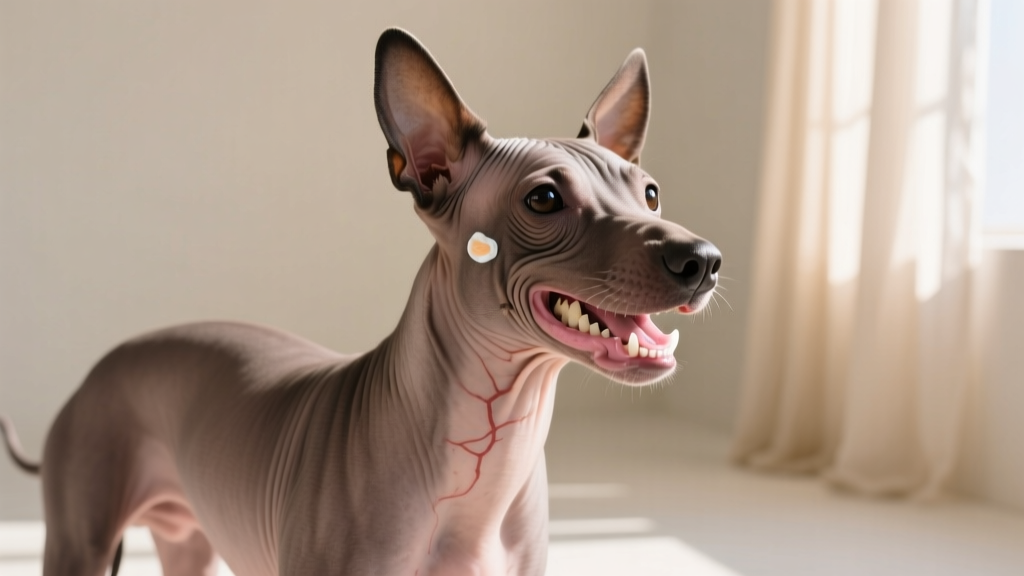
Small Non Shedding Dogs: Essential Skin & Coat Care Guide
Complete skin and coat care guide for small non shedding dogs. Learn exam techniques, common problems, grooming routines, and when to see the vet.

Understanding Your Small Non Shedding Dog's Skin and Coat
Small non shedding dogs like Poodles, Bichon Frises, Maltese, and Yorkshire Terriers have unique skin and coat characteristics that require specialized care. Unlike their shedding counterparts, these breeds have hair that grows continuously rather than following a seasonal shedding cycle, making proper skin health maintenance absolutely critical.
Canine Skin Anatomy: How It Differs From Human Skin
Your dog's skin is remarkably different from yours in several key ways:
- Thickness: Dog skin is only 3-5 cell layers thick compared to 10-15 layers in humans, making it more vulnerable to damage and irritation
- pH Level: Canine skin has a pH of 6.2-7.4 (more neutral) while human skin is more acidic at 5.5, which is why human shampoos can disrupt your dog's skin barrier
- Hair Growth Cycle: Non-shedding breeds have an extended anagen (growth) phase that can last months to years, versus weeks in shedding breeds
- Sebaceous Glands: Dogs have more oil-producing glands per square inch than humans, but in non-shedding breeds, these oils can build up without regular shedding to distribute them
Common Skin and Coat Problems in Small Non Shedding Dogs
| Condition | Symptoms | Prevalence |
|---|---|---|
| Matting and Tangles | Tight clumps of fur close to skin, redness underneath, discomfort when touched | Very common without daily brushing |
| Seborrhea | Greasy or flaky skin, musty odor, yellowish-brown scales | Affects 10-15% of small breeds |
| Hot Spots (Acute Moist Dermatitis) | Sudden red, moist, painful lesions; rapid spreading; intense itching | More common in humid climates |
| Allergic Dermatitis | Chronic itching, paw licking, ear infections, hair thinning | Up to 30% of small breeds affected |
| Folliculitis | Small red bumps, pustules, hair loss in patches | Often secondary to other conditions |
| Sebaceous Cysts | Firm, round lumps under skin; may rupture with cheesy discharge | Common in middle-aged to senior dogs |
How to Check Your Dog's Skin: Home Examination Technique
Step-by-Step Skin and Coat Assessment
- Start with clean, dry coat: Wait at least 48 hours after bathing for accurate assessment
- Part the hair systematically: Begin at the head, working down the neck, back, sides, and belly. Use your fingers to create a clear part line down to the skin
- Check skin color and texture: Healthy skin should be pink to light brown (depending on breed pigmentation), smooth, and free of crusts or scales
- Feel for abnormalities: Run your hands over the entire body, noting any lumps, bumps, scabs, or areas of heat
- Examine high-risk areas: Pay special attention to skin folds (face, armpits, groin), between toes, and around ears
- Assess coat quality: Hair should be shiny, soft, and free of excessive oiliness or dryness
- Check for parasites: Look for flea dirt (black specks that turn red when wet), ticks, or signs of mites (excessive dander)
Normal vs Abnormal: What Healthy Looks Like
| Feature | Normal/Healthy | Abnormal/Concern |
|---|---|---|
| Skin Color | Pink, light brown, or breed-appropriate pigmentation; uniform in each area | Bright red, purple, black discoloration, or patchy changes |
| Skin Texture | Smooth, supple, slightly moist | Rough, crusty, scaly, excessively dry or greasy |
| Odor | Mild, clean scent or no noticeable odor | Musty, yeasty, rancid, or foul smell |
| Coat Shine | Glossy, reflective surface | Dull, brittle, or broken hair shafts |
| Hair Density | Full coverage with even distribution | Thinning patches, bald spots, or broken hair |
| Lumps/Bumps | Smooth, uniform skin surface | Any new growths, raised areas, or irregularities |
| Itching/Scratching | Occasional scratching (1-2 times per hour) | Frequent scratching, biting, or licking (more than 5 times per hour) |
Essential Skin and Coat Care Routine
Daily Maintenance (5-10 minutes)
- Brush entire coat using a slicker brush followed by a metal comb to catch tangles
- Check face and eye area; wipe with damp cloth if tear staining present
- Inspect paws and between toes for debris or redness
Weekly Deep Care (20-30 minutes)
- Thorough line-brushing: part hair in 1-inch sections and brush from skin outward
- Clean ears with veterinary ear cleaner (never use cotton swabs in ear canal)
- Trim hair around eyes, paw pads, and sanitary areas as needed
- Check and clean skin folds with unscented baby wipes or veterinary wipes
Bathing Schedule (Every 3-4 weeks)
- Use only dog-specific, pH-balanced shampoo (6.5-7.0 pH range)
- Double rinse: shampoo, rinse completely, condition if needed, rinse again
- Blow-dry on cool setting or towel-dry thoroughly; never leave coat damp
- Apply leave-in conditioner or detangling spray for long-coated breeds
Professional Grooming (Every 6-8 weeks)
- Full haircut or breed-specific trim
- Nail trim and filing
- Anal gland expression if needed
- Deep conditioning treatment for coat health
Recommended Products for Small Non Shedding Dogs
Based on veterinary dermatologist recommendations and extensive testing with small breed owners, here are specific product recommendations:
Brushing Tools
- Chris Christensen Baby G Brush ($45-55): Ideal for fine coats like Maltese and Yorkshire Terriers; gentle on delicate skin
- Artero slicker brush, medium ($35-45): Perfect for Poodle and Bichon coats; removes tangles without breaking hair
- Greyhound comb ($15-20): Essential for checking brush work and removing small knots
Shampoos and Conditioners
- Earthbath Oatmeal & Aloe Shampoo ($18-22 for 16oz): Soothes sensitive skin, pH 6.5-7.0
- Chris Christensen Spectrum 10 Hydrating Shampoo ($32-38): Professional-grade for show coats, maintains moisture balance
- Hydra Pearls Leave-in Conditioner ($28-35): Prevents matting, adds shine without weighing hair down
Skin Care Products
- Douxo S3 SEB Shampoo ($25-30): Veterinary-recommended for seborrhea and oily skin conditions
- MalAcetic wipes ($15-20 for 50 count): Antimicrobial wipes for skin folds and hot spot prevention
- Epi-Otis Advanced Ear Cleanser ($18-22): Non-irritating ear cleaner for routine maintenance
Supplements
- Nordic Naturals Omega-3 Pet ($25-30): Fish oil supplement, 1 pump per 20 lbs body weight daily
- VetriScience Omega 3-6-9 ($20-25): Comprehensive fatty acid blend for skin barrier support
When to See the Veterinarian: Red Flag Symptoms
Seek Immediate Veterinary Care If You Notice:
- Open wounds, bleeding, or raw skin areas larger than 1 inch
- Rapid spreading of redness or lesions (doubling in size within 24 hours)
- Foul odor accompanied by discharge (yellow, green, or bloody)
- Severe itching causing self-trauma (dog cannot stop scratching/biting)
- Lumps that grow quickly, change color, or ulcerate
- Sudden hair loss in circular patches (possible ringworm or mites)
- Skin that feels hot to the touch with swelling
- Signs of pain when touched (yelping, pulling away, aggression)
For chronic issues like recurring hot spots, persistent dandruff, or seasonal allergies, schedule a non-emergency appointment. Your veterinarian may recommend skin cytology, fungal cultures, allergy testing, or skin biopsies to identify underlying causes.
Breed-Specific Skin Predispositions
| Breed | Common Skin Issues | Special Considerations |
|---|---|---|
| Poodle (Toy/Miniature) | Sebaceous adenitis, allergies, ear infections | Requires regular ear hair plucking; prone to sebaceous cysts |
| Bichon Frise | Allergic dermatitis, hot spots, tear staining | Dense undercoat mats easily; needs daily brushing |
| Maltese | Tear staining, skin fold dermatitis, sunburn | White coat shows skin issues readily; minimal pigment protection |
| Yorkshire Terrier | Allergies, follicular dysplasia, port wine stains | Fine hair breaks easily; avoid tight rubber bands in topknots |
| Shih Tzu | Facial fold infections, allergies, dry eye | Deep facial wrinkles require daily cleaning to prevent pyoderma |
| Havanese | Allergies, sebaceous adenitis, hot spots | Double coat needs line-brushing; prone to matting at skin level |
Prevention Strategies for Long-Term Skin Health
Preventing skin problems in small non shedding dogs requires a multi-faceted approach:
Nutrition and Supplements
Feed a high-quality diet with adequate omega-3 and omega-6 fatty acids. Look for foods with fish oil or flaxseed in the ingredient list. For dogs with chronic skin issues, veterinary prescription diets like Hill's Prescription Diet Derm Defense or Royal Canin Skin Support may be necessary.
Environmental Management
- Maintain indoor humidity between 40-50% to prevent dry skin
- Use air purifiers to reduce airborne allergens
- Wash bedding weekly in hot water (140°F/60°C) to kill dust mites
- Avoid harsh household cleaners; use pet-safe products
Parasite Prevention
Year-round flea and tick prevention is essential, even for indoor dogs. Products like NexGard, Bravecto, or Revolution Plus provide broad-spectrum protection. Consult your veterinarian for the best option based on your dog's weight and health status.
Stress Reduction
Stress can trigger or worsen skin conditions. Provide mental stimulation through puzzle toys, regular exercise appropriate for your breed, and maintain consistent routines. For anxiety-related licking or scratching, consider calming supplements like Zylkene or Adaptil pheromone diffusers.
Frequently Asked Questions
How often should I bathe my small non shedding dog?
Most small non shedding breeds benefit from bathing every 3-4 weeks. However, dogs with skin conditions may need medicated baths 1-2 times per week initially, then tapering to maintenance frequency. Over-bathing can strip natural oils and cause dry, itchy skin.
My dog's skin looks normal but they scratch constantly. What could be wrong?
Invisible itching can indicate environmental allergies, food allergies, or early-stage skin disease. Common allergens include pollen, dust mites, and certain proteins (chicken, beef, dairy). Your veterinarian can perform allergy testing and recommend appropriate treatment, which may include Apoquel, Cytopoint injections, or hypoallergenic diet trials.
Are human moisturizers safe for my dog's dry skin?
No. Human moisturizers often contain ingredients toxic to dogs if licked, including xylitol, essential oils, and certain preservatives. Use only veterinary-approved moisturizers or coconut oil (applied sparingly and supervised to prevent ingestion). For severe dryness, consult your veterinarian about prescription topical treatments.
How do I prevent matting in my dog's coat?
Daily brushing is non-negotiable for non-shedding breeds. Use a slicker brush followed by a metal comb, working in small sections from skin outward. Pay special attention to friction areas (behind ears, armpits, groin). If mats form, never cut them out with scissors—risk of cutting skin is too high. Instead, use a dematting tool or seek professional groomer assistance.
What's the difference between hair and fur, and why does it matter for skin care?
Non-shedding breeds have hair rather than fur. Hair has a longer growth cycle (anagen phase lasting months to years versus weeks for fur) and grows continuously. This means hair can mat more easily, trap debris against the skin, and requires more frequent maintenance. The extended growth phase also means skin issues can develop gradually without the natural "reset" that shedding provides.
Remember: this guide provides educational information to help you monitor your dog's skin health at home. Always consult your veterinarian for diagnosis and treatment of skin conditions. Early intervention prevents minor issues from becoming serious health problems.
Aaron Whyte
All our authors care for dogs every day — read more of their work on the authors page.