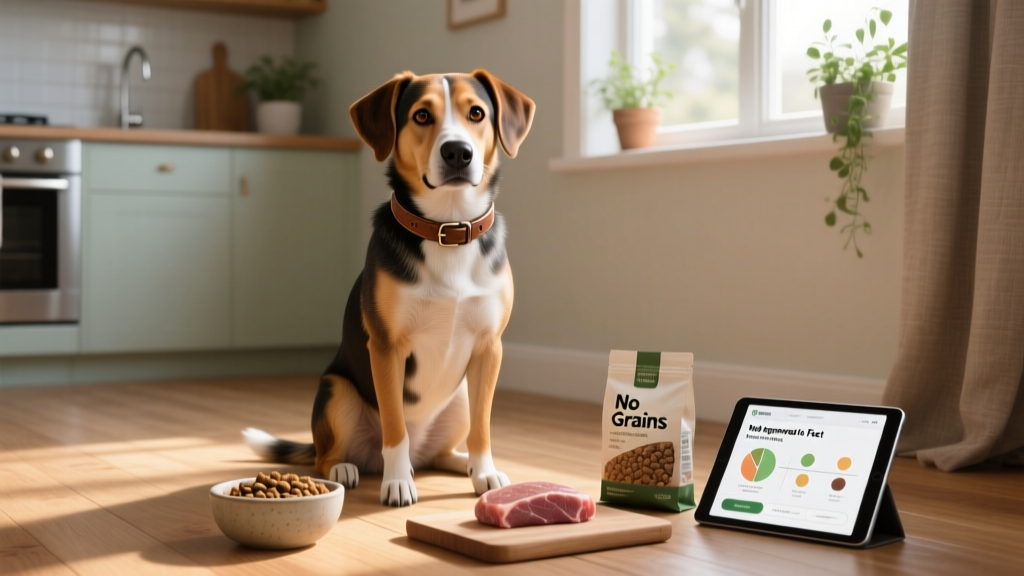
Best Small Dog Food
Complete small dog food guide covering nutritional requirements, top brands, feeding amounts by weight, life stage needs, and transition protocols for breeds under 20 lb.

Why Small Dogs Need Specialized Nutrition
Small dogs — typically defined as breeds weighing under 20 lb (9 kg) — aren't just scaled-down versions of larger dogs. Their fast metabolisms, tiny jaws, and longer lifespans create a unique set of nutritional demands that generic adult dog formulas often fail to meet. A Chihuahua burns calories at nearly twice the rate per pound of body weight compared to a Great Dane, meaning kibble designed for all life stages may leave your small dog undernourished or overfed depending on how you portion it.
Small breeds like Yorkshire Terriers, Pomeranians, Shih Tzus, Toy Poodles, and Dachshunds also face breed-specific health risks — hypoglycemia in puppies, luxating patellas, dental disease, and tracheal collapse — that proper nutrition can help manage or prevent. According to the Merck Veterinary Manual, small-breed dogs require more calorie-dense food with smaller kibble sizes to accommodate their reduced jaw mechanics and higher metabolic rates.
This guide breaks down exactly what to look for in small dog food, how much to feed, which brands deliver on their promises, and how to safely transition your dog to a better diet.
Nutritional Requirements for Small Breeds: The Numbers
Small dogs need higher protein and fat concentrations per calorie than large breeds, but their total daily calorie intake is much lower. Here's what the AAFCO nutrient profiles and veterinary nutrition research recommend:
| Nutrient | Adult Maintenance (1–7 yrs) | Puppy (Under 12 mo) | Senior (8+ yrs) |
|---|---|---|---|
| Crude Protein (min) | 25–30% | 28–32% | 24–28% |
| Crude Fat (min) | 15–20% | 17–22% | 12–16% |
| Calcium (dry matter) | 0.5–1.8% | 1.0–1.8% | 0.5–1.5% |
| Phosphorus (dry matter) | 0.4–1.6% | 0.8–1.6% | 0.4–1.2% |
| Calories/day (10 lb dog) | 300–400 kcal | 400–550 kcal | 250–350 kcal |
| Calories/day (15 lb dog) | 400–525 kcal | 525–700 kcal | 350–450 kcal |
| Fiber (max) | 4–5% | 3–4% | 4–7% |
| Omega-3 Fatty Acids | Beneficial | Essential for brain dev. | Critical for joints |
Key insight: Small-breed puppies are at high risk for hypoglycemia (dangerously low blood sugar) because they have minimal fat reserves and high metabolic rates. Feed puppies under 6 months at least 3–4 meals per day, and choose a food specifically formulated for small-breed puppies — not a generic puppy formula, which may have kibble too large for them to chew effectively.
How Much Should You Feed a Small Dog?
Feeding guidelines on kibble bags are starting points, not prescriptions. Your dog's actual needs depend on body condition, activity level, metabolism, age, and whether they're spayed/neutered (altered dogs typically need 10–20% fewer calories).
| Dog Weight | Low Activity / Senior | Moderate Activity | High Activity / Intact |
|---|---|---|---|
| 5 lb (2.3 kg) | ⅓ – ½ cup | ½ – ⅔ cup | ⅔ – ¾ cup |
| 10 lb (4.5 kg) | ½ – ⅔ cup | ⅔ – ¾ cup | ¾ – 1 cup |
| 15 lb (6.8 kg) | ⅔ – ¾ cup | ¾ – 1 cup | 1 – 1¼ cups |
| 20 lb (9 kg) | ¾ – 1 cup | 1 – 1¼ cups | 1¼ – 1½ cups |
Adjustment factors to consider:
- Spayed/neutered: Reduce by 10–20% from moderate activity column
- Overweight dogs (BCS 7–9): Feed for target weight, not current weight, and reduce by 15–25%
- Winter vs. summer: Dogs in cold climates may need 10–15% more calories in winter if they spend time outdoors
- Treats count: Treats should never exceed 10% of daily caloric intake — for a 10 lb dog, that's roughly 30–40 kcal from treats
What to Look for on Small Dog Food Labels
Reading a pet food label is a skill every small dog owner needs. Here's a systematic approach:
The AAFCO Statement — Non-Negotiable
Every food you consider must carry an AAFCO (Association of American Feed Control Officials) nutritional adequacy statement. Look for language like: "[Product Name] is formulated to meet the nutritional levels established by the AAFCO Dog Food Nutrient Profiles for [life stage]." If a food lacks this statement, it has not been verified as nutritionally complete. Period.
Ingredient Order Analysis
- First ingredient: Should be a named animal protein (chicken, lamb, salmon) — not "meat meal" or "animal by-products" without a species specified
- First 5 ingredients: Should contain at least 2 named protein sources; avoid formulas where grains or starches dominate the top 5
- Named fat sources: Look for "chicken fat" or "salmon oil" — avoid generic "animal fat"
- Kibble size: Small-breed formulas should list kibble diameter or explicitly state "small breed" — pieces should be under 10mm for toy breeds
Red Flags to Avoid
- Artificial preservatives: BHA, BHT, ethoxyquin
- Artificial colors: Red 40, Yellow 5, Yellow 6, Blue 2
- Propylene glycol (moisture retention agent linked to health concerns)
- Generic "meat" or "poultry" without species identification
- Excessive legume content (peas, lentils, chickpeas) in the first 5 ingredients — the FDA has flagged a potential link between high-legume diets and dilated cardiomyopathy (DCM)
Top Recommended Small Dog Foods for 2026
These selections are based on AAFCO compliance, ingredient quality, veterinary recommendations, and suitability for the specific nutritional needs of small breeds. Prices reflect typical retail ranges as of early 2026.
1. Royal Canin Small Adult
Best for: Picky eaters and dental-prone breeds
- Protein: 25% | Fat: 18% | Calories: 351 kcal/cup
- Kibble: Specifically shaped for small jaws; promotes chewing
- Price: $22–$28 for 5 lb bag
- AAFCO: Adult maintenance
Why it works: Royal Canin formulates kibble shape and texture based on jaw biomechanics research. The Small Adult line targets dogs 22 lb and under with highly digestible proteins (L.I.P. — Low Indigestible Protein) that reduce stool volume — important for apartment-dwelling small dogs.
2. Hill's Science Diet Small Paws Adult
Best for: Sensitive stomachs and weight management
- Protein: 22.5% | Fat: 15.3% | Calories: 327 kcal/cup
- Kibble: Extra-small pieces under 8mm
- Price: $20–$26 for 4.5 lb bag
- AAFCO: Adult maintenance
Why it works: Hill's employs over 220 veterinarians and nutritionists. The Small Paws formula includes prebiotic fiber for digestive health and vitamin E + omega-6 for skin/coat. Clinically tested antioxidant blend.
3. Purina Pro Plan Small Breed Formula (Chicken & Rice)
Best for: Active small dogs needing high protein
- Protein: 29% | Fat: 18% | Calories: 409 kcal/cup
- Kibble: Small pieces with live probiotics
- Price: $18–$24 for 6 lb bag
- AAFCO: Adult maintenance
Why it works: Higher protein content supports lean muscle in active small breeds. Includes guaranteed live probiotics (Bacillus coagulans) for digestive support. Strong value per pound among premium brands.
4. Orijen Small Breed (Fresh & Raw)
Best for: Owners wanting high-protein, whole-food ingredients
- Protein: 38% | Fat: 18% | Calories: 414 kcal/cup
- Kibble: Small, flat discs
- Price: $32–$40 for 4 lb bag
- AAFCO: All life stages (including small-breed puppy growth)
Why it works: 85% quality animal ingredients including free-run chicken, turkey, wild-caught fish, and cage-free eggs. First 5 ingredients are all animal proteins. Excellent for dogs needing higher protein, but the calorie density means careful portioning is essential to prevent obesity.
5. Wellness CORE Small Breed Mini's
Best for: Grain-free preference with high protein
- Protein: 36% | Fat: 17% | Calories: 418 kcal/cup
- Kibble: Mini-sized bites
- Price: $24–$30 for 4 lb bag
- AAFCO: Adult maintenance
Why it works: Deboned turkey as the first ingredient with no grain fillers. Includes glucosamine and chondroitin for joint support — important for breeds prone to luxating patellas like Chihuahuas and Pomeranians.
6. Blue Buffalo Life Protection Small Breed Adult
Best for: Budget-conscious owners wanting natural ingredients
- Protein: 26% | Fat: 15% | Calories: 370 kcal/cup
- Kibble: Small bites with "LifeSource Bits" (antioxidant blend)
- Price: $16–$22 for 5 lb bag
- AAFCO: Adult maintenance
Why it works: Deboned chicken first ingredient, no poultry by-product meals, no corn/wheat/soy. The LifeSource Bits are cold-formed to preserve nutrient potency. Solid mid-range option with good availability.
7. Nutro Ultra Small Breed Adult (Chicken, Lamb & Salmon)
Best for: Multi-protein diets for allergy rotation
- Protein: 27% | Fat: 16% | Calories: 362 kcal/cup
- Kibble: Small triangular pieces
- Price: $22–$28 for 4 lb bag
- AAFCO: Adult maintenance
Why it works: Three protein sources provide amino acid diversity. Non-GMO ingredients with no artificial colors, flavors, or preservatives. Good option if you practice protein rotation to manage food sensitivities.
Small Dog Foods and Ingredients to Avoid
Not all commercial dog foods are created equal, and some ingredients are particularly problematic for small breeds:
| Ingredient | Why It's Problematic | Where It Hides |
|---|---|---|
| Corn gluten meal | Low-quality protein filler; common allergen in small breeds | Often listed as 3rd–5th ingredient in budget brands |
| BHA / BHT / Ethoxyquin | Synthetic preservatives with carcinogenic concerns in animal studies | Preservative sprays on kibble; check ingredient list end |
| Large kibble (12mm+) | Choking hazard; small breeds may gulp without chewing | Generic "all breed" adult formulas |
| Excessive calcium (>2% DM) | Can cause skeletal abnormalities in growing small-breed puppies | Large-breed puppy formulas mistakenly fed to small breeds |
| Xylitol (birch sugar) | Extremely toxic to dogs; causes hypoglycemia and liver failure | Sugar-free peanut butter, some baked treats, human foods |
| Grapes / Raisins | Causes acute kidney failure in dogs; toxic dose unknown | Trail mix, baked goods, some homemade treat recipes |
| Onion / Garlic powder | Destroys red blood cells causing hemolytic anemia | Table scraps, some commercial broths, baby food |
⚠️ Toxic Ingestion Emergency? If your small dog has ingested xylitol, grapes, raisins, onions, chocolate, or any unknown substance, call ASPCA Animal Poison Control: (888) 426-4435 (24/7, consultation fee applies) or Pet Poison Helpline: (855) 764-7661 immediately. Small dogs reach toxic thresholds at much lower doses than large breeds.
Homemade and Raw Diets for Small Dogs: What You Need to Know
Many small dog owners are drawn to homemade or raw diets, and there are legitimate benefits — but the risks are significant and often underestimated.
Raw Diet Safety Warnings
The AVMA discourages feeding raw animal-source protein to pets due to documented risks of pathogenic contamination including Salmonella, Listeria, and E. coli. Small dogs have smaller immune reserves, making them more vulnerable to foodborne illness. Additionally, raw diets are frequently nutritionally imbalanced — a 2013 study published in the Journal of the American Veterinary Medical Association found that 95% of homemade raw diets were deficient in at least one essential nutrient.
If You Choose Homemade: Non-Negotiable Steps
- Consult a board-certified veterinary nutritionist (DACVN or equivalent) before starting. They will formulate a recipe specific to your dog's weight, age, and health status.
- Use a recipe from a credentialed source such as Balance IT (developed by veterinary nutritionists at UC Davis) or recipes published in peer-reviewed journals.
- Include a complete supplement blend — homemade diets almost always require calcium, vitamin D, vitamin E, zinc, copper, and omega-3 supplementation to meet AAFCO minimums.
- Batch-cook and freeze portions in daily servings to ensure consistent nutrition and reduce waste.
- Re-evaluate every 6 months with bloodwork to catch any emerging deficiencies early.
Sample Homemade Meal Framework (Requires Vet Nutritionist Approval)
This framework is for illustration only — do not use without veterinary nutritionist formulation for your specific dog:
- 40% lean cooked protein (chicken breast, turkey, lean beef, or fish — weighed after cooking)
- 30% cooked carbohydrate (white rice, sweet potato, or quinoa)
- 20% cooked vegetables (green beans, carrots, zucchini — avoid onions, garlic, grapes)
- 5% healthy fat source (fish oil or flaxseed oil, added after cooking)
- 5% veterinary-formulated supplement blend (calcium carbonate, multivitamin-mineral premix)
How to Transition Your Small Dog to a New Food
Small dogs have sensitive digestive systems, and abrupt food changes commonly cause vomiting, diarrhea, or food refusal. A gradual 7–10 day transition protocol protects their gut health.
| Days | Old Food | New Food | Notes |
|---|---|---|---|
| Days 1–2 | 75% | 25% | Monitor stool consistency; if soft, hold at this ratio an extra day |
| Days 3–4 | 50% | 50% | Watch for food refusal; small dogs may be picky during transition |
| Days 5–6 | 25% | 75% | Energy levels and appetite should remain stable |
| Days 7–10 | 0% | 100% | Full transition complete; monitor for 2 more weeks |
Special considerations for small dogs during transition:
- Hypoglycemia risk: Never skip meals during transition. If your dog refuses the mix, temporarily increase the old food ratio and slow the transition.
- Probiotic support: Adding a canine probiotic (like Purina FortiFlora or Proviable) during the transition can reduce digestive upset.
- Wet food mixing: If transitioning between dry and wet food, adjust calorie counts — wet food is roughly 75% water and has fewer calories per cup than kibble.
Supplements for Small Dogs: What, When, and How Much
Most dogs on a complete, AAFCO-approved commercial diet don't need supplements. However, small breeds have specific vulnerabilities that targeted supplementation can address:
| Supplement | Indication | Typical Dosage | When to Add |
|---|---|---|---|
| Omega-3 Fish Oil (EPA/DHA) | Joint health, coat quality, anti-inflammatory | 20–55 mg EPA+DHA per kg body weight daily | Senior dogs, dogs with arthritis, skin allergies |
| Glucosamine + Chondroitin | Luxating patella, joint degeneration | 250–500 mg glucosamine daily for dogs under 20 lb | Breeds prone to patellar issues (Chihuahuas, Pomeranians, Yorkies) |
| Probiotics | Digestive health, immune support | 1–5 billion CFU daily | During food transitions, after antibiotics, chronic soft stool |
| Vitamin E | Antioxidant support, skin health | 2–5 IU per lb body weight daily | Only if bloodwork shows deficiency; excess can be harmful |
| Calcium | Homemade diet balancing | 50 mg per kg body weight daily (only for homemade diets) | Required for homemade diets; NOT needed for commercial complete foods |
Important: Never supplement calcium on top of a complete commercial diet — excess calcium causes skeletal problems. Always consult your veterinarian before starting any supplement, as interactions with medications are possible.
Monitoring Your Small Dog's Nutritional Success
How do you know if your dog's diet is working? Use these four indicators:
1. Body Condition Score (BCS)
Use the 9-point BCS scale (Purina/WSAVA standard). A healthy small dog should score 4–5 out of 9:
- Ribs: Easily felt with light pressure but not visible through the coat
- Waist: Visible tuck when viewed from above and from the side
- Abdomen: Slight tuck, not hanging or severely tucked
- Under 4: Underweight — increase calories by 10–15%
- Over 6: Overweight — decrease calories by 15–25% and increase exercise
2. Coat and Skin Quality
A well-nourished small dog should have a shiny, soft coat with minimal flaking or excessive shedding. Dull, brittle, or greasy coats often signal omega fatty acid deficiency or food allergy. Skin should be pink or pigmented (breed-dependent) without redness, hot spots, or recurrent ear infections.
3. Energy and Behavior
Your dog should have consistent energy throughout the day — playful, alert, and responsive. Lethargy, excessive sleeping, or hyperactivity followed by crashes can indicate caloric imbalance or blood sugar instability.
4. Stool Quality
Ideal stool is firm, well-formed, dark brown, and easy to pick up. Score it on a 1–7 scale where 1 is watery diarrhea and 7 is very hard/dry. A score of 2–3 (formed but slightly moist) is optimal. Frequent loose stools suggest the food isn't being well-digested — consider a limited-ingredient formula or novel protein source.
Small Dog Food FAQ
What is the best dog food for a small-breed puppy?
Small-breed puppies need food specifically formulated for their rapid growth and high metabolic rate. Look for AAFCO statements covering "growth" or "all life stages" with small-breed-specific kibble. Royal Canin Small Puppy, Hill's Science Diet Small Paws Puppy, and Purina Pro Plan Small Breed Puppy are all strong choices. Feed 3–4 meals daily until 6 months of age, then transition to 2 meals daily. Never feed a large-breed puppy formula to a small-breed puppy — the calcium-to-phosphorus ratios are inappropriate and can cause growth abnormalities.
How much should I feed my 10-pound dog?
A 10 lb (4.5 kg) adult dog with moderate activity needs approximately 300–400 kcal per day, which translates to roughly ⅔ to ¾ cup of a typical small-breed kibble (350–400 kcal/cup). Spayed/neutered dogs may need closer to 250–350 kcal. Always adjust based on body condition score rather than following bag recommendations blindly — individual metabolism varies by up to 30% between dogs of the same weight.
Can I feed my small dog a homemade or raw diet?
You can, but only with professional guidance. Homemade diets must be formulated by a board-certified veterinary nutritionist to ensure completeness. Raw diets carry documented risks of bacterial contamination (Salmonella, Listeria) and nutritional imbalances. The AVMA advises against raw feeding. If you choose homemade, use a vet nutritionist-approved recipe, include a complete supplement blend, and recheck bloodwork every 6 months. Never improvise a homemade diet from internet recipes without professional oversight.
What ingredients should I avoid in small dog food?
Avoid artificial preservatives (BHA, BHT, ethoxyquin), artificial colors (Red 40, Yellow 5/6), generic "meat" or "animal fat" without species identification, corn gluten meal as a primary protein, and propylene glycol. Also avoid foods with kibble pieces larger than 10mm for toy breeds. Be alert to toxic human foods that may appear in treats or table scraps: xylitol, grapes/raisins, onions/garlic, chocolate, and macadamia nuts.
How do I switch my small dog to a new food safely?
Follow a 7–10 day gradual transition: mix 25% new food with 75% old food for days 1–2, then 50/50 for days 3–4, then 75% new for days 5–6, and fully switch by day 7–10. Add a canine probiotic during transition to support gut health. If your dog develops diarrhea or refuses to eat, slow the transition and hold at the current ratio for an additional day or two. Never skip meals — small dogs are prone to hypoglycemia.
Does my small dog need supplements?
Most dogs on a complete commercial diet do not need supplements. However, senior small dogs often benefit from omega-3 fish oil (20–55 mg EPA+DHA per kg daily) for joint and cognitive support, and breeds prone to luxating patellas (Chihuahuas, Pomeranians, Yorkies) may benefit from glucosamine/chondroitin (250–500 mg daily). Never add calcium to a complete commercial diet. Always consult your veterinarian before starting supplements, especially if your dog takes medications.
My small dog is a picky eater — what can I do?
First, rule out dental disease (common in small breeds) with a veterinary exam. If teeth are healthy, try: warming wet food to body temperature (enhances aroma), adding a tablespoon of warm low-sodium chicken broth to kibble, using food toppers like freeze-dried raw bits, or switching to a wet/semi-moist formula. Avoid feeding from the table or offering excessive alternatives — this reinforces picky behavior. Establish a 15–20 minute meal window; remove uneaten food and offer again at the next scheduled meal.
This article is for informational purposes only. Always consult your veterinarian before making significant changes to your dog's diet, especially if your dog has pre-existing health conditions, is on medication, or is a growing puppy. Your veterinarian can perform bloodwork and body condition assessments to determine the optimal nutritional plan for your individual dog.
Robin Maitland
All our authors care for dogs every day — read more of their work on the authors page.