Signs of Dementia in Dogs: Early Symptoms, Diagnosis & Care Guide
Recognize the signs of dementia in dogs early. Learn symptoms by stage, diagnosis process, treatment costs, and how to manage canine cognitive dysfunction at home.
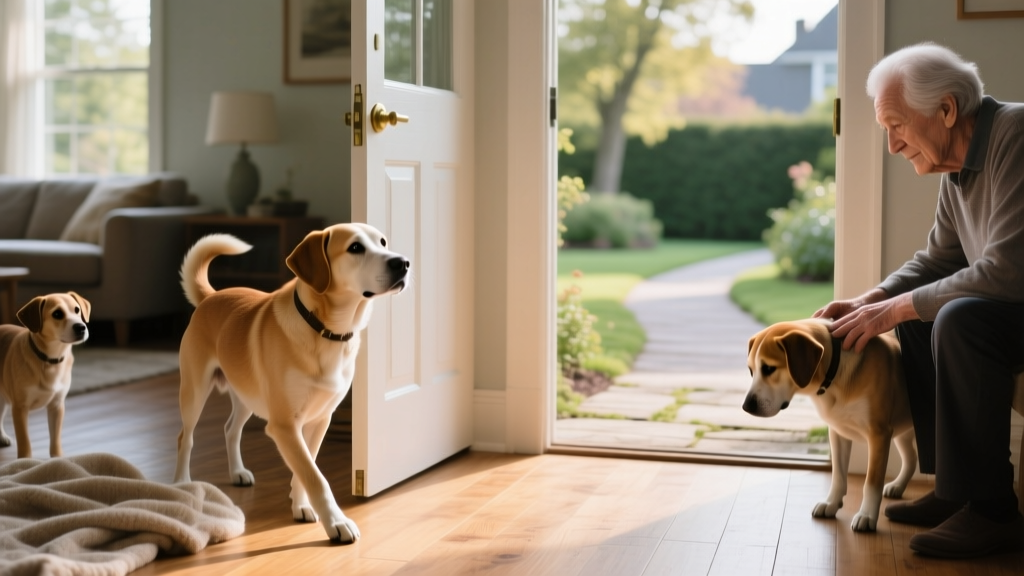
If your senior dog seems confused, stares at walls, or no longer recognizes familiar people, you may be witnessing the signs of dementia in dogs — clinically known as Canine Cognitive Dysfunction (CCD). This progressive neurological disorder affects an estimated 14% to 35% of dogs over age 8, with prevalence climbing sharply as dogs age past 11. CCD shares striking similarities with Alzheimer's disease in humans, involving the accumulation of beta-amyloid plaques in the brain, neuronal loss, and decreased neurotransmitter function. While there is no cure, early identification and intervention can meaningfully slow progression and preserve your dog's quality of life for months or even years.
What Is Canine Cognitive Dysfunction?
Canine Cognitive Dysfunction is a degenerative brain disease that impairs memory, learning, perception, and awareness in aging dogs. The condition results from physical changes in the brain — including oxidative damage, reduced blood flow, and the buildup of toxic protein deposits — that progressively erode cognitive function. According to the Merck Veterinary Manual, CCD is not a normal part of aging but a distinct pathological process that warrants veterinary attention.
Unlike momentary senior-dog confusion (which can stem from vision loss, hearing decline, or arthritis pain), true CCD involves measurable, worsening deficits across multiple cognitive domains. Research published in veterinary neurology journals suggests that by age 11, roughly 28% of dogs show at least one clinical sign, and by age 15, that figure exceeds 68%.
Recognizing the Signs of Dementia in Dogs by Stage
Veterinary behaviorists commonly organize CCD symptoms using the DISH-AA framework — Disorientation, Interaction changes, Sleep-wake cycle disruption, House-soiling, Activity changes, and Anxiety. Symptoms worsen progressively, and early signs are easy to dismiss as normal aging.
| Category | Early Warning Signs (Mild CCD) | Advanced Symptoms (Moderate to Severe) |
|---|---|---|
| Disorientation | Occasionally walks into furniture; brief hesitation at doorways | Gets stuck behind furniture; stares blankly at walls for minutes; cannot find food bowl; fails to recognize familiar rooms |
| Interaction Changes | Slightly less enthusiastic greeting; reduced eye contact | No longer responds to name or commands; does not recognize family members; withdraws from all social contact or becomes clingy |
| Sleep-Wake Disruption | Restlessness at night 1-2 times per week; naps slightly more during the day | Paces, vocalizes, or wanders all night; sleeps deeply all day; complete reversal of day-night cycle |
| House-Soiling | Occasional indoor accident despite prior house training | Frequent urination/defecation indoors with no apparent awareness; signals to go outside stop entirely |
| Activity Changes | Less interest in walks or play; mild decrease in exploration | Repetitive behaviors (licking, circling, head-bobbing); aimless wandering; inability to settle; or total apathy |
| Anxiety | Increased vocalization when left alone; slight clinginess | Trembling, panting, or destructive behavior; new-onset separation anxiety; fear of previously comfortable environments |
Risk Factors: Which Dogs Are Most Vulnerable?
Not every senior dog develops CCD, and understanding the risk profile helps owners stay vigilant during the critical window.
Key Risk Factors for Canine Cognitive Dysfunction
- Age: The single greatest risk factor. Risk rises sharply after age 8-10. Dogs over 13 are at highest risk.
- Breed & Size: Small and toy breeds (Chihuahuas, Pomeranians, Dachshunds) live longer and therefore face higher lifetime CCD risk. However, large breeds with shorter lifespans can develop CCD as early as age 7-8. Some studies suggest Cocker Spaniels, Boxers, and Cavalier King Charles Spaniels may have breed-level predispositions.
- Chronic Anxiety or Stress: Dogs with lifelong anxiety disorders may experience accelerated cognitive decline due to prolonged cortisol exposure.
- Lack of Mental Stimulation: Dogs with limited environmental enrichment, training, and novel experiences throughout life show earlier cognitive decline.
- Cardiovascular Health: Heart disease, hypertension, and poor cerebral blood flow accelerate brain aging.
- Chronic Inflammation: Dental disease, untreated allergies, and obesity contribute to systemic inflammation that affects brain health.
- Head Trauma History: Prior concussions or traumatic brain injury may increase susceptibility.
How Veterinarians Diagnose Dog Dementia
There is no single definitive test for CCD. Diagnosis is a process of elimination — your vet must rule out other conditions that mimic dementia symptoms before confirming cognitive dysfunction. This is critical because many treatable conditions (hypothyroidism, urinary tract infections, brain tumors, liver disease, vision/hearing loss) can produce identical signs.
Typical CCD Diagnostic Workflow
- Behavioral History & DISH-AA Assessment: Your vet will ask detailed questions about symptom onset, frequency, and progression. Bring a written log of specific incidents with dates and times. (Cost: included in exam fee, $65-$120)
- Full Physical & Neurological Exam: Checking reflexes, cranial nerve function, vision, hearing, pain response, and gait. (Cost: included in exam or $50-$80 additional)
- Complete Blood Panel & Urinalysis: CBC, chemistry panel, thyroid panel (T4, free T4, TSH), and urinalysis to rule out metabolic disease, infections, and endocrine disorders. (Cost: $200-$400)
- Blood Pressure Measurement: Hypertension can cause cognitive symptoms and is easily treatable. (Cost: $40-$75)
- Advanced Imaging (if indicated): MRI or CT scan of the brain to rule out tumors, strokes, or hydrocephalus. Typically recommended if symptoms are sudden, asymmetric, or rapidly worsening. (Cost: $1,200-$3,500 for MRI; $800-$1,800 for CT)
- CCD-Specific Questionnaire Scoring: Validated tools like the canine cognitive dysfunction rating scale (CCDR) help quantify severity and establish a baseline for monitoring. (Cost: included in behavioral consultation, $150-$300 if with a veterinary behaviorist)
According to the American Kennel Club, the total cost of a standard CCD diagnostic workup (without MRI) typically ranges from $350 to $700. If advanced imaging is required, expect $1,500 to $3,500 additional.
Treatment Options: Medical, Nutritional & Supportive Care
CCD cannot be cured, but a multi-modal approach can slow progression and improve daily function. The most effective management plans combine pharmaceutical intervention, dietary modification, environmental enrichment, and behavioral therapy.
| Treatment | Type | How It Works | Evidence Strength | Monthly Cost |
|---|---|---|---|---|
| Selegiline (Anipryl®) | Prescription drug (FDA-approved) | MAO-B inhibitor; increases dopamine levels in the brain | Strong — gold standard; 75% of dogs show improvement within 2-3 months | $40-$90 |
| S-Adenosylmethionine (SAMe / Novifit®) | Supplement (prescription-grade) | Supports neurotransmitter synthesis and liver detoxification; antioxidant | Moderate — multiple studies show improved alertness and awareness | $30-$65 |
| Prescription Brain-Support Diets (Hill's b/d, Purina NeuroCare) | Therapeutic diet | Medium-chain triglycerides, antioxidants, omega-3s support brain energy metabolism | Strong — clinical trials show measurable cognitive improvement in 8-12 weeks | $70-$130 |
| Phosphatidylserine (Senilife®) | Supplement | Supports cell membrane integrity in neurons | Moderate — improvement noted in attention and learning tasks | $25-$50 |
| Melatonin | OTC supplement | Regulates sleep-wake cycle; mild anxiolytic | Moderate — effective for sleep disruption specifically | $5-$15 |
| Trazodone or Gabapentin | Prescription drug (off-label) | Manages anxiety, nighttime restlessness, and agitation | Supportive — used for symptom management, not disease modification | $15-$45 |
| Environmental Enrichment Protocol | Behavioral management | Novel experiences, scent work, puzzle feeders, short training sessions stimulate neuroplasticity | Strong — studies show enriched dogs decline significantly slower | $0-$30 (toys, puzzles) |
Important: Always consult your veterinarian before starting any medication or supplement. Selegiline, for example, cannot be combined with certain other drugs (SSRIs, tricyclic antidepressants, some flea preventives containing amitraz) due to risk of serotonin syndrome. Your vet will determine appropriate dosing based on your dog's weight, comorbidities, and concurrent medications.
Home Care & Daily Management Strategies
Beyond medical treatment, the daily environment you create has an outsized impact on your dog's comfort and cognitive trajectory. Here are specific, actionable strategies organized by challenge area:
Maintaining Orientation & Reducing Anxiety
- Keep furniture in fixed positions. Rearranging your home forces a cognitively impaired dog to relearn their spatial map, increasing stress.
- Use scent markers. Place a drop of dog-safe essential oil (lavender on a cotton ball near their bed) to help them navigate by smell as vision fades.
- Install nightlights or low-wattage LED path lights in hallways and near the door to reduce nighttime disorientation. Cost: $15-$30 for a set of motion-sensor lights.
- Maintain a rigid daily routine — same feeding times, same walk route, same bedtime. Predictability reduces cognitive load.
Managing Sleep Disruption
- Increase daytime activity with 2-3 short walks (10-15 minutes each) and 5-minute training sessions using familiar cues. Mental fatigue promotes deeper sleep.
- Administer melatonin 30-60 minutes before bedtime at a dose of 3 mg for dogs under 25 lb (11 kg) or 5 mg for dogs over 25 lb, per veterinary guidance.
- Provide a heated orthopedic bed ($60-$150) — warmth and joint support reduce pain-related nighttime restlessness.
Preventing House-Soiling Accidents
- Increase potty break frequency to every 3-4 hours during the day. Take your dog out immediately after waking, eating, and napping.
- Use washable pee pads or indoor grass patches ($20-$45) near their sleeping area for overnight access.
- Never punish accidents. CCD-related soiling is involuntary. Punishment increases anxiety and accelerates cognitive decline. Use positive reinforcement — reward successful outdoor elimination with calm praise and a small treat.
Cognitive Enrichment Activities
- Scent-based games: Hide treats under cups or in snuffle mats. Start easy (visible treats) and gradually increase difficulty.
- Short training refreshers: Practice known cues (sit, touch, look) for 3-5 minutes, twice daily. Use high-value treats (freeze-dried liver, small cheese pieces).
- Novel experiences: Walk a different route weekly. Let them explore new safe environments. Novelty stimulates brain-derived neurotrophic factor (BDNF), which supports neuron survival.
- Food puzzle toys: Kong Classic ($12-$18), Outward Hound Nina Ottosson puzzles ($15-$30), or DIY options (treats inside a rolled towel).
Prognosis and Life Expectancy with Canine Dementia
CCD is progressive, but the rate of decline varies significantly between individual dogs. Early diagnosis and consistent multi-modal management can extend the period of good quality life substantially.
| Stage | Typical Presentation | Expected Progression Timeline | Quality of Life Outlook |
|---|---|---|---|
| Mild (Early) | 1-2 DISH-AA categories affected; subtle changes owners often attribute to "slowing down" | May remain stable for 1-2 years with intervention; without treatment, progression to moderate stage in 6-12 months | Generally good — dog retains most function and enjoyment of daily life |
| Moderate | 3-4 categories affected; obvious behavioral changes impacting household routine | Typically 6-18 months before advancing to severe stage with treatment; faster without | Fair — requires significant management but many dogs still experience pleasure and connection |
| Severe | All 6 categories affected; dog may appear lost in own home, unable to eat independently, or unresponsive to family | End-stage usually reached within 6-12 months of severe onset | Declining — quality of life assessment tools (HHHHHMM scale) become essential for humane decision-making |
Research from veterinary neurology centers indicates that dogs diagnosed at the mild stage and treated with a combination of selegiline, therapeutic diet, and enrichment can maintain functional quality of life for 2-3 years or more. Dogs diagnosed at the moderate stage with treatment typically have 1-2 years of manageable quality of life. Without any intervention, the disease typically progresses from mild to severe within 12-24 months.
Your veterinarian can help you use the HHHHHMM Quality of Life Scale (Hurt, Hunger, Hydration, Hygiene, Happiness, Mobility, More good days than bad) to objectively assess when the balance has shifted and humane euthanasia may be the kindest option. This is a deeply personal decision, and there is no single "right" time — only the time that is right for your dog.
Prevention Strategies: Protecting Your Dog's Brain Health
While genetics and age cannot be changed, research suggests several modifiable factors that may delay CCD onset or reduce severity:
- Lifelong mental stimulation: Dogs that engage in regular training, agility, nosework, or puzzle-solving throughout their lives build cognitive reserve — the brain's ability to compensate for damage. Start enrichment early and never stop.
- Regular aerobic exercise: 30-60 minutes of daily activity (adjusted for breed and age) maintains cardiovascular health and cerebral blood flow. Even senior dogs benefit from two 15-minute walks daily.
- Antioxidant-rich diet: Foods containing vitamins E and C, selenium, flavonoids, and omega-3 fatty acids (particularly DHA) combat oxidative brain damage. Consider transitioning to a senior-formulated diet with AAFCO complete-and-balanced certification by age 7.
- Dental disease prevention: Chronic periodontal disease is linked to systemic inflammation and increased CCD risk. Daily tooth brushing and professional cleanings every 1-2 years reduce this burden.
- Manage chronic conditions aggressively: Hypothyroidism, Cushing's disease, diabetes, and hypertension all accelerate brain aging. Consistent veterinary monitoring and medication adherence protect cognitive health.
- Supplement early: Starting SAMe, omega-3 fish oil (1,000-2,000 mg EPA+DHA daily for a 50 lb / 23 kg dog), or a senior brain-support supplement at age 8-9 — before symptoms appear — may delay onset. Discuss timing with your vet.
Cost Breakdown: Budgeting for CCD Diagnosis and Ongoing Care
Managing canine dementia is a long-term commitment. Here is a realistic cost projection based on 2026 veterinary pricing:
| Expense Category | One-Time Costs | Monthly Ongoing | Annual Estimate |
|---|---|---|---|
| Initial diagnostic workup (exam, bloodwork, urinalysis) | $350-$700 | — | — |
| Advanced imaging (MRI/CT, if needed) | $1,200-$3,500 | — | — |
| Selegiline (Anipryl®) | — | $40-$90 | $480-$1,080 |
| SAMe / Phosphatidylserine supplements | — | $30-$65 | $360-$780 |
| Prescription therapeutic diet | — | $70-$130 | $840-$1,560 |
| Enrichment supplies (puzzles, snuffle mats, nightlights) | $50-$100 | $5-$15 | $60-$180 |
| Orthopedic/heated bed | $60-$150 | — | — |
| Follow-up vet visits (every 3-6 months) | — | — | $200-$500 |
| Total Year One | $2,350-$7,100 (depending on imaging needs) | ||
| Annual Ongoing (Years 2+) | $1,940-$4,100 | ||
Pet insurance can offset some costs if CCD symptoms appear after your policy's waiting period, but most insurers classify cognitive dysfunction as a chronic condition with annual payout caps. Review your policy's fine print for neurological coverage limits.
Frequently Asked Questions
What are the first signs of dementia in dogs?
The earliest signs are often subtle and easily overlooked: slightly increased nighttime restlessness, occasional disorientation in familiar spaces, mild decrease in greeting behavior, or a single house-soiling accident in an otherwise reliably trained dog. These changes typically appear in dogs aged 8-11 and are frequently dismissed as normal aging. If you notice two or more changes persisting for more than two weeks, schedule a veterinary evaluation.
Can dementia in dogs be reversed or cured?
No. CCD is a progressive neurodegenerative disease with no known cure. However, pharmaceutical treatments like selegiline, combined with therapeutic diets and cognitive enrichment, can slow progression significantly. Many dogs maintain good quality of life for 1-3 years after diagnosis with consistent management.
How do I know if it's dementia or just normal aging?
Normal aging may include slower movement, mild hearing or vision loss, and slightly reduced stamina — but it does not include disorientation, failure to recognize family members, getting stuck in corners, or complete sleep-wake cycle reversal. Any behavioral change that represents a clear departure from your dog's established personality warrants a veterinary workup to differentiate CCD from treatable conditions.
Which breeds are most prone to canine cognitive dysfunction?
Any breed can develop CCD, but longer-lived small breeds (Chihuahuas, Toy Poodles, Dachshunds, Yorkshire Terriers) face higher lifetime risk simply because they reach advanced ages where prevalence is highest. Some studies suggest Boxers, Cocker Spaniels, and Cavalier King Charles Spaniels may have breed-specific predispositions. Large and giant breeds can develop CCD earlier (age 7-9) due to faster overall aging.
What is the life expectancy of a dog diagnosed with dementia?
Life expectancy depends on age at diagnosis, stage at detection, and overall health. Dogs diagnosed at the mild stage with treatment often live 2-3+ additional years with good quality of life. Dogs diagnosed at the severe stage typically have 6-12 months. CCD itself is not directly fatal — most dogs are eventually humanely euthanized when quality of life declines to an unacceptable level, often due to comorbidities (arthritis, organ failure) compounding cognitive decline.
Are there any natural supplements that help with dog dementia?
Several supplements have research support: SAMe (S-adenosylmethionine) at 10-20 mg/kg daily, phosphatidylserine, omega-3 fatty acids (specifically DHA at 50-100 mg/kg daily), and medium-chain triglyceride oil. Melatonin (3-5 mg at bedtime) helps specifically with sleep disruption. Always discuss supplements with your veterinarian to ensure proper dosing and avoid interactions with other medications.
Should I change my dog's diet if they have dementia?
Yes. Prescription brain-support diets like Hill's Prescription Diet b/d or Purina Pro Plan NeuroCare are formulated with specific nutrient profiles (antioxidants, MCTs, omega-3s) shown in clinical trials to improve cognitive function scores. Transition gradually over 7-10 days. These diets require a veterinary prescription and typically cost $70-$130 per month depending on your dog's size.
Recognizing the signs of dementia in dogs early gives you the best opportunity to intervene, slow progression, and preserve the bond you share with your aging companion. If any of the symptoms described here resonate with what you're observing, the next step is a thorough veterinary evaluation — not a wait-and-see approach. Early action makes a measurable difference.
Robin Maitland
All our authors care for dogs every day — read more of their work on the authors page.


