Separation Anxiety vs. Boredom in Dogs: How to Tell the Difference & What to Do
Learn how to tell if your dog has separation anxiety or is simply bored. Discover symptoms, causes, proven strategies, and when to see a vet.
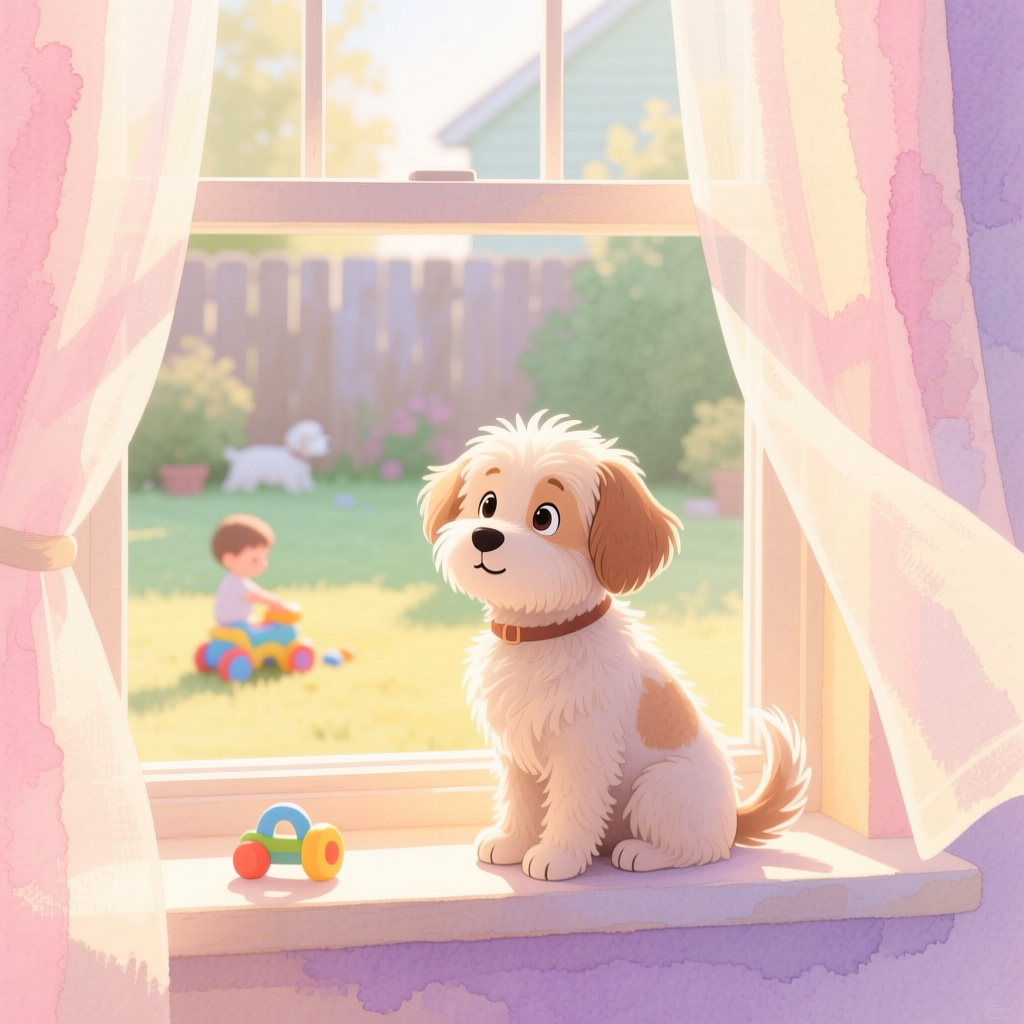
Every dog owner has experienced the sinking feeling of coming home to a destroyed couch, scratched-up door frames, or a chorus of neighbor complaints about nonstop barking. The immediate reaction is often guilt or frustration—but before you can solve the problem, you need to understand it. Is your dog genuinely distressed by your absence, or are they simply under-stimulated and looking for entertainment?
The distinction between separation anxiety and boredom in dogs is more than academic. These two conditions look remarkably similar on the surface—destructive behavior, vocalization, restlessness—yet they stem from entirely different emotional states and require fundamentally different treatment approaches. Misdiagnosing the issue can lead to months of ineffective training, a deteriorating bond with your pet, and potentially worsening behavioral problems.
This comprehensive guide from Paws & Tales will help you decode your dog's behavior, understand the root causes, and implement targeted strategies that actually work. Whether you are dealing with a velcro dog who panics when you leave the room or an energetic pup who turns your house into a demolition zone out of sheer restlessness, you will find actionable solutions below.
Disclaimer: This article is provided for informational purposes only and does not constitute veterinary advice. Always consult a qualified veterinarian or certified animal behaviorist for diagnosis and treatment of your dog's specific condition.
Understanding the Difference: Separation Anxiety vs. Boredom in Dogs
At their core, separation anxiety and boredom arise from two very different emotional experiences. Separation anxiety is a panic-based disorder in which a dog experiences intense fear and distress when separated from their primary attachment figure or figures. It is comparable to a human panic attack—your dog is not choosing to misbehave; they are in a state of genuine psychological crisis.
Boredom, on the other hand, is a state of under-stimulation. A bored dog has excess energy and insufficient outlets for it. They are not distressed by your absence per se; they simply lack appropriate activities to fill their time. Think of it as the canine equivalent of a restless teenager with nothing to do on a Saturday afternoon.
The reason this distinction matters so much is that the treatment pathways diverge significantly. A bored dog needs more exercise, enrichment, and mental stimulation. A dog with separation anxiety needs desensitization training, emotional regulation support, and potentially medication. Applying boredom solutions to an anxious dog will not resolve their panic, and applying anxiety protocols to a bored dog may leave their core need—stimulation—unmet.
Some dogs, of course, can experience both simultaneously, which is why careful observation and, when necessary, professional assessment are so important. In the sections that follow, we will break down the specific signs, causes, and strategies for each condition so you can develop a tailored plan for your dog.
Recognizing the Symptoms: How to Tell If Your Dog Is Anxious or Bored
While there is overlap between the behaviors associated with separation anxiety and boredom, the patterns, timing, and intensity of these behaviors often reveal which condition is at play. Here is a detailed breakdown to help you observe your dog more effectively.
Signs of Separation Anxiety
Separation anxiety behaviors tend to be intense, focused on exit points, and closely tied to your departure routine. Common symptoms include:
- Destructive behavior targeted at doors, windows, and gates: An anxious dog tries to escape to find you. They will scratch, chew, and claw at the barriers between them and the outside world, often injuring their paws or teeth in the process.
- Excessive vocalization immediately after departure: Neighbors may report that your dog howls, barks, or whines incessantly, often starting within minutes of your leaving and continuing for extended periods.
- Inappropriate elimination: A house-trained dog who urinates or defecates only when left alone is displaying a classic anxiety response. This is not a training failure—it is a physiological stress response.
- Pacing and restlessness: Footage from pet cameras often reveals anxious dogs pacing in repetitive patterns, unable to settle down.
- Drooling, panting, and trembling: These physiological signs of stress may be evident in the moments leading up to your departure or visible on camera after you leave.
- Shadowing behavior: Dogs with separation anxiety often follow their owners from room to room when they are home, unable to tolerate even brief separations within the house.
- Over-the-top greeting behavior: While all dogs are happy to see their owners, a dog with separation anxiety may greet you with an intensity that borders on frantic—leaping, crying, and clinging for an extended period.
- Refusal to eat when alone: A dog who eagerly eats when you are present but ignores food left out during your absence is showing that their anxiety overrides basic drives like hunger.
Signs of Boredom
Boredom-related behaviors tend to be more exploratory, varied, and opportunistic. They are not driven by panic but by a search for stimulation:
- Indiscriminate destruction: A bored dog may chew on shoes, remotes, couch cushions, or anything else they find interesting. The destruction is not focused on exit points—it is scattered and opportunistic.
- Digging, especially in yards or potted plants: Digging is a self-rewarding activity for many dogs and a common boredom outlet.
- Barking at passing stimuli: A bored dog may bark at squirrels, delivery people, or other dogs outside—not out of panic, but because it is the most exciting thing happening in their environment.
- Raiding trash cans and counters: Food-seeking behavior when left alone often indicates a dog looking for entertainment rather than experiencing distress.
- Hyperactivity when you return: Rather than frantic clinging, a bored dog may greet you with bursts of energy, as if they are saying, "Finally, something to do!"
- Settling down eventually: Pet camera footage often shows bored dogs being destructive for a period and then settling down for a nap. Anxious dogs, by contrast, tend to remain agitated for the entire duration of your absence.
- Willingness to eat treats and food puzzles when alone: If your dog happily engages with a food-stuffed toy when you leave, they are likely bored rather than anxious.
The Pet Camera Test
One of the most effective tools for distinguishing between anxiety and boredom is a pet camera. Setting up a camera to record your dog during your absence can provide invaluable insight. Pay attention to:
- Timing of behavior onset: Anxious dogs typically begin showing distress behaviors within minutes of your departure. Bored dogs may take longer to start causing trouble.
- Duration of behavior: Anxious dogs tend to remain distressed for the entire time you are gone. Bored dogs typically alternate between destructive activity and rest.
- Response to treats and toys: An anxious dog will ignore even high-value treats. A bored dog will engage with enrichment items, at least for a while.
- Body language: Look for tucked tails, flattened ears, whale eye, and tense posture (signs of anxiety) versus loose, playful body language (signs of boredom-driven mischief).
Root Causes: Why Dogs Develop Separation Anxiety or Boredom
Understanding what drives these conditions can help you address them at their source rather than simply managing the symptoms.
Causes of Separation Anxiety
Separation anxiety can develop for a variety of reasons, and often multiple factors contribute:
- Early life experiences: Dogs who were surrendered to shelters, rehomed multiple times, or separated from their littermates too early may develop insecure attachments that manifest as separation anxiety.
- Traumatic events during alone time: A frightening experience—such as a thunderstorm, break-in, or loud construction—while the dog was alone can create a lasting negative association with solitude.
- Genetic predisposition: Some breeds and individual dogs are simply more prone to anxiety. Breeds known for strong owner bonds—such as German Shepherds, Labrador Retrievers, Border Collies, and Toy breeds—may be at higher risk.
- Sudden routine changes: A dog accustomed to constant companionship during a period of working from home may develop anxiety when the owner returns to an office schedule.
- Aging and cognitive decline: Senior dogs may develop separation anxiety as their cognitive function declines and they become more dependent on their owners for reassurance.
- Underlying medical conditions: Pain, hormonal imbalances, and neurological issues can exacerbate or trigger anxiety. A thorough veterinary exam is always recommended when behavioral changes appear suddenly.
Causes of Boredom
Boredom is typically more straightforward in its origins but no less impactful on your dog's wellbeing:
- Insufficient physical exercise: Dogs, especially working and sporting breeds, need substantial daily exercise. A 20-minute walk is rarely enough for a high-energy dog.
- Lack of mental stimulation: Dogs are intelligent animals who need cognitive challenges. Without puzzle toys, training sessions, or novel experiences, they will create their own entertainment—often destructively.
- Prolonged isolation without enrichment: Leaving a dog alone for eight or more hours with nothing to do is a recipe for boredom-driven behavior problems.
- Breed-drive mismatch: Working breeds with strong drives to herd, retrieve, hunt, or guard need outlets for these instincts. Without appropriate channels, these drives manifest as unwanted behaviors.
- Inconsistent routine: Dogs thrive on predictable routines. Irregular feeding, walking, and play schedules can leave dogs in a state of restless uncertainty.
Proven Strategies for Managing Separation Anxiety
Treating separation anxiety is a gradual process that requires patience, consistency, and often professional guidance. The following strategies have strong evidence bases and are widely recommended by certified animal behaviorists.
Systematic Desensitization to Departures
The cornerstone of separation anxiety treatment is gradually teaching your dog that being alone is safe and temporary. This process involves:
- Identifying pre-departure triggers: Most anxious dogs begin showing stress when they observe cues that you are about to leave—putting on shoes, picking up keys, grabbing a bag. Start by performing these actions without actually leaving, repeatedly, until your dog no longer reacts.
- Practicing micro-departures: Step outside the door for one second, then return. Gradually increase the duration—five seconds, ten seconds, thirty seconds, one minute—always returning before your dog shows distress.
- Building duration slowly: Over weeks and months, extend your absences. The key is to never push past your dog's threshold. If they become distressed at five minutes, return to practicing at three minutes and build more gradually.
- Varying your departure routine: Leave through different doors, at different times, and for different durations to prevent your dog from predicting and anticipating your absences.
Counter-Conditioning
Pair your departure with something your dog loves. Provide a special treat—such as a frozen food-stuffed toy or a long-lasting chew—that they receive only when you leave. Over time, your departure becomes a predictor of something positive rather than something terrifying. Note that this technique is most effective for mild anxiety; severely anxious dogs will not eat and may need more intensive intervention first.
Creating a Safe Space
Designate a comfortable area where your dog feels secure. This might be a crate (if your dog is crate-trained and comfortable), a specific room, or a gated area. Include familiar items that smell like you—an unwashed t-shirt, a favorite blanket—and ensure the space is associated with positive experiences, never punishment. For more tips on creating calming environments, explore our dog health and wellbeing resources.
Calming Aids and Supplements
Several products can support your dog's anxiety management plan:
- Adaptil (dog-appeasing pheromone): Available as diffusers, sprays, and collars, Adaptil mimics the calming pheromones produced by nursing mother dogs.
- Calming supplements: Products containing L-theanine, L-tryptophan, chamomile, or valerian root may help reduce mild anxiety.
- Compression garments: Thundershirts and similar products apply gentle, constant pressure that some dogs find soothing.
- White noise and calming music: Leaving on a white noise machine or specially designed calming music can mask outside sounds that trigger anxiety and create a more soothing environment.
Medication and Professional Support
For moderate to severe separation anxiety, medication prescribed by a veterinarian may be necessary. Common options include selective serotonin reuptake inhibitors (SSRIs) such as fluoxetine, or tricyclic antidepressants such as clomipramine. These medications do not sedate your dog—they help normalize brain chemistry so that behavioral training can be more effective. A veterinary behaviorist can develop a comprehensive treatment plan that combines medication with behavioral modification.
Effective Strategies for Combating Dog Boredom
If your assessment suggests that boredom is the primary driver of your dog's unwanted behaviors, the solution lies in enriching their environment and meeting their physical and mental needs more fully.
Increasing Physical Exercise
Most dogs need significantly more exercise than they receive. As a general guideline:
- Small and toy breeds: 30 to 60 minutes of daily activity
- Medium breeds: 60 to 90 minutes of daily activity
- Large and working breeds: 90 to 120+ minutes of daily activity
Exercise should include a mix of leash walks, off-leash play (in safe areas), fetch, swimming, or running alongside a bicycle. Varying the type and route of exercise keeps it mentally engaging as well. Check out our wellbeing guides for more breed-specific exercise recommendations.
Mental Enrichment and Puzzle Toys
Mental stimulation can be just as tiring as physical exercise for dogs. Incorporate these enrichment strategies:
- Food puzzle toys: Kong toys, snuffle mats, treat-dispensing balls, and lick mats turn mealtime into a brain game.
- Scent work: Hide treats around the house or yard and encourage your dog to find them. This taps into their powerful sense of smell and provides deep satisfaction.
- Training sessions: Short, positive training sessions throughout the day teach new skills and tire your dog mentally. Even five to ten minutes of focused training can make a significant difference.
- Novel experiences: New walking routes, visits to dog-friendly locations, and exposure to new sights and smells keep your dog's brain engaged.
- Rotate toys: Rather than leaving all toys out at once, rotate them every few days to maintain novelty and interest.
Social Enrichment
Dogs are social animals, and isolation is inherently boring for most of them. Consider:
- Doggy daycare: A day or two of supervised group play can provide enormous physical and social stimulation.
- Dog walkers: A midday walk breaks up long periods of solitude and provides a change of scenery.
- Playdates: Arrange regular play sessions with compatible dog friends.
- Pet sitters or neighbors: Even a brief drop-in visit during a long absence can break up the monotony for your dog.
Environmental Modifications
Make your dog's alone-time environment more engaging:
- Window access: A window perch or bird feeder outside a window provides visual stimulation (though for some reactive dogs, this can increase barking—know your dog).
- Background audio: Leaving on a television program featuring nature or animals, or playing calming music, can provide passive stimulation.
- Safe chew items: Long-lasting chews such as bully sticks, yak cheese chews, or antlers give dogs a constructive activity to occupy their time.
- Frozen enrichment: Freeze broth, peanut butter, or yogurt in ice cube trays or Kong toys for a long-lasting, cooling treat.
Prevention: Building a Resilient, Content Dog
Whether your concern is anxiety or boredom, prevention is always preferable to treatment. These proactive strategies can help you raise a dog who is comfortable alone and well-fulfilled in their daily life.
Start Alone-Time Training Early
If you have a new puppy or recently adopted dog, begin practicing short absences from day one. Even if you are home all day, create opportunities for your dog to spend time in a separate room or crate with a treat. Gradually build up the duration. This teaches your dog from the beginning that alone time is normal, safe, and temporary.
Establish a Consistent Routine
Dogs thrive on predictability. Feed, walk, train, and play at roughly the same times each day. A predictable routine reduces anxiety because your dog learns what to expect and when. It also helps prevent boredom by ensuring that stimulation is distributed throughout the day rather than concentrated in one burst.
Avoid Making Departures and Arrivals Emotional
Keep your comings and goings low-key. Do not engage in prolonged, emotional goodbyes or exuberant greetings. A calm departure signals to your dog that leaving is no big deal, and a calm arrival reinforces that your return is a normal, expected event rather than a dramatic reunion.
Build Independence
Encourage your dog to be comfortable on their own even when you are home. Practice having them rest on their bed or in another room while you go about your activities. Reward calm, independent behavior with occasional treats or quiet praise. Dogs who are comfortable being alone in the house are generally better equipped to handle longer absences.
Regular Veterinary Checkups
Many behavioral issues have underlying medical components. Regular wellness exams help catch problems early—pain, thyroid dysfunction, cognitive decline, and other conditions can all manifest as behavioral changes. Keeping your dog physically healthy is foundational to their emotional wellbeing.
When to See a Vet or Veterinary Behaviorist
While many cases of boredom and mild separation anxiety can be managed with the strategies outlined above, some situations require professional intervention. Contact your veterinarian or a certified veterinary behaviorist if you observe any of the following:
- Self-injury: If your dog is breaking teeth, damaging paw pads, or otherwise hurting themselves in an attempt to escape, this is an emergency that requires immediate professional help.
- Failure to improve: If you have been consistently implementing behavioral strategies for several weeks with no improvement, professional guidance can help you refine your approach or identify underlying issues.
- Sudden behavioral changes: A dog who suddenly develops anxiety or destructive behavior after previously being fine alone may have an underlying medical condition that needs to be ruled out.
- Aggression: If your dog shows aggression related to departures—such as growling or biting when you try to leave or when you confine them—professional help is essential for safety.
- Severe physiological symptoms: Excessive drooling, vomiting, diarrhea, or self-mutilation during absences indicates a level of distress that typically requires medication alongside behavioral modification.
- Impact on your household: If your dog's behavior is causing significant stress for you, your family, or your neighbors (such as noise complaints that could lead to housing issues), do not wait to seek help. Early intervention leads to better outcomes.
Your veterinarian can perform a thorough medical exam to rule out physical causes of behavioral changes and, if appropriate, prescribe anti-anxiety medication or refer you to a veterinary behaviorist. There is no shame in seeking professional help—these experts have dedicated their careers to improving the lives of dogs and their families, and early intervention consistently leads to better outcomes.
Frequently Asked Questions
Can a dog have both separation anxiety and boredom at the same time?
Yes, absolutely. Many dogs experience a combination of both conditions. For example, a dog may have mild separation anxiety that makes them uncomfortable when alone, and the lack of enrichment in their environment compounds the problem by giving them no constructive way to cope. In these cases, a comprehensive treatment plan that addresses both the emotional component (through desensitization and possibly medication) and the stimulation deficit (through enrichment and exercise) will be most effective. Working with a certified behaviorist can help you untangle which behaviors stem from which root cause.
Will getting another dog help with separation anxiety or boredom?
This is one of the most common questions dog owners ask, and the answer is nuanced. For boredom, a compatible second dog can provide companionship and play that significantly reduces under-stimulation. However, for separation anxiety, a second dog rarely resolves the issue because the anxiety is typically tied to the absence of a specific person, not simply to being alone. In some cases, a second dog can actually worsen the situation by creating competition, increasing household stress, or resulting in two dogs with behavioral problems instead of one. If you are considering adding a second dog, consult with a behaviorist first to assess whether it is likely to help your specific situation.
How long does it take to treat separation anxiety in dogs?
Treatment timelines vary widely depending on the severity of the anxiety, the consistency of the training protocol, and the individual dog. Mild cases may show significant improvement within four to eight weeks of consistent desensitization work. Moderate to severe cases often require three to six months or longer, particularly when medication is part of the treatment plan. It is important to understand that separation anxiety treatment is not a quick fix—it is a gradual process of rebuilding your dog's emotional resilience. Setting realistic expectations and celebrating small victories along the way will help you stay committed to the process.
Is crate training helpful or harmful for dogs with separation anxiety?
The answer depends entirely on the individual dog. Some dogs find crates comforting and secure—a den-like space where they feel safe. For these dogs, a crate can be a valuable tool in managing separation anxiety. However, many dogs with separation anxiety also have confinement anxiety, meaning they panic when physically restricted. For these dogs, crating can intensify their distress and lead to self-injury as they attempt to escape. If your dog shows signs of panic in a crate—excessive panting, drooling, frantic scratching, or attempts to bend the bars—do not force crate confinement. Instead, use a puppy-proofed room or gated area that gives them more space. Always introduce a crate gradually and positively, and never use it as punishment.
Are there specific breeds that are more prone to separation anxiety?
While any dog of any breed or mix can develop separation anxiety, certain breeds are statistically more prone due to their temperament and breeding history. Breeds that form exceptionally strong bonds with their owners—such as German Shepherds, Australian Shepherds, Border Collies, Labrador Retrievers, Vizslas, Cavalier King Charles Spaniels, Bichon Frises, and Toy Poodles—tend to appear more frequently in separation anxiety cases. However, breed alone is never deterministic. Individual temperament, early life experiences, training history, and current environment all play significant roles. If you own a breed known for strong owner attachment, being proactive about alone-time training and enrichment from the beginning can significantly reduce the risk of separation anxiety developing.
Understanding whether your dog is struggling with separation anxiety or boredom is the critical first step toward helping them. By carefully observing their behavior, addressing the root causes, and implementing targeted strategies, you can transform your dog's experience of being alone from one of distress or frustration into one of calm contentment. Remember that progress takes time, consistency, and compassion—both for your dog and for yourself. For more expert guidance on caring for your canine companion, explore the full library of dog care articles at Paws & Tales.
Aaron Whyte
All our authors care for dogs every day — read more of their work on the authors page.