Senior Dog Health Problems: Symptoms, Causes & What to
Learn the most common senior dog health problems and their symptoms. Discover when to see a vet and how to keep your aging dog healthy and comfortable.
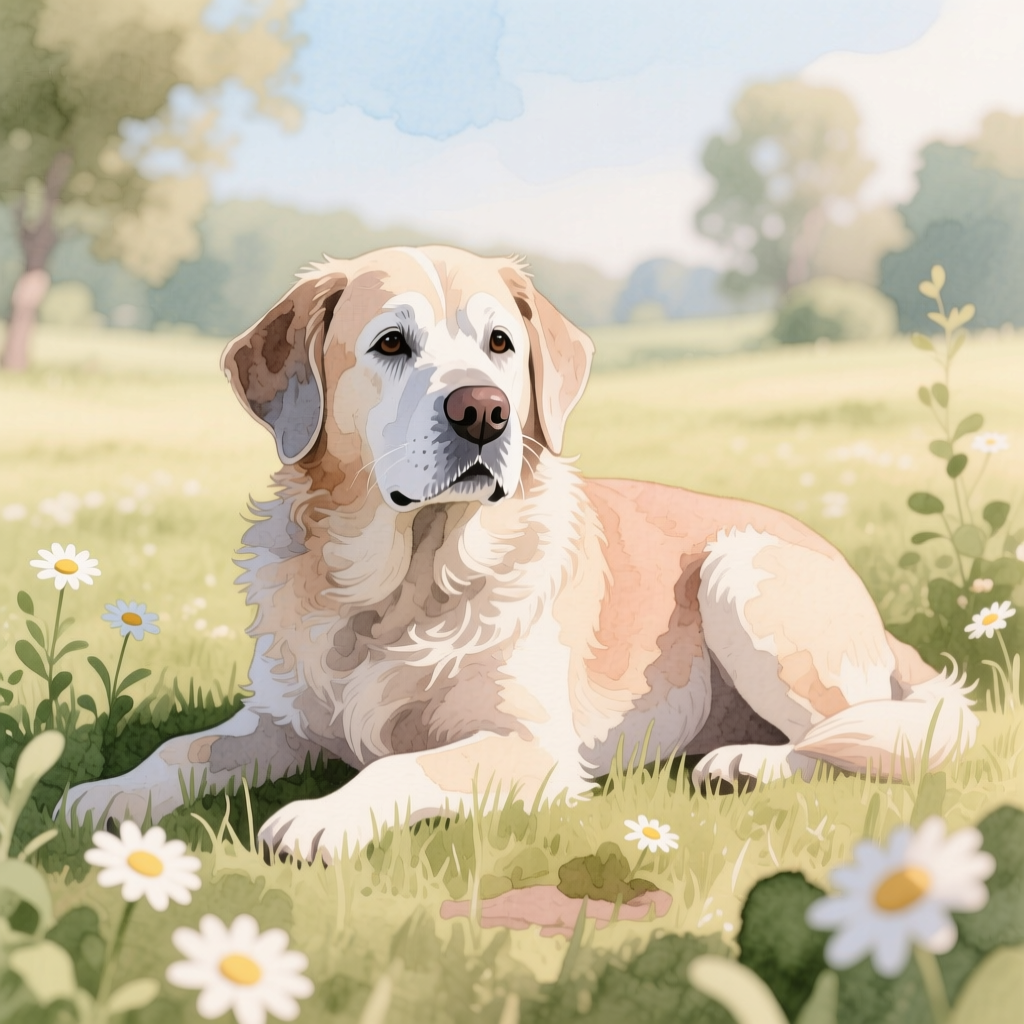
Senior Dog Health Problems: Symptoms, Causes & What to Watch For
Watching your beloved dog grow older is both a privilege and a responsibility. As the years pass, your once-boundless companion may start to slow down, sleep a little longer, and show subtle changes in behavior or physical ability. While aging is a natural part of life, many senior dog health problems can be managed — or even prevented — when you know what signs to look for.
Most dogs are considered seniors between the ages of seven and ten, depending on their breed and size. Larger breeds tend to age faster than smaller ones, but every dog is unique. Understanding the common health issues that affect aging dogs empowers you to provide the best possible care during their golden years.
In this comprehensive guide, we will explore the most prevalent senior dog health problems, the symptoms that signal trouble, potential causes, treatment options, and preventive strategies. Whether your dog has just entered their senior years or you are preparing for what lies ahead, this article will help you become a more informed and proactive pet parent.
Disclaimer: This article is intended for informational purposes only and does not constitute veterinary advice. Always consult your veterinarian for diagnosis and treatment of any health concerns affecting your dog.
Common Senior Dog Health Problems & Their Symptoms
Aging affects every system in your dog's body. Some changes are gradual and expected, while others may indicate underlying disease. Below are the most common health problems seen in senior dogs, along with the symptoms that should prompt closer attention.
Arthritis & Joint Degeneration
Osteoarthritis is one of the most prevalent conditions in aging dogs. The cartilage that cushions joints gradually wears down, leading to pain, stiffness, and reduced mobility. You may notice your dog hesitating before jumping onto the couch, limping after exercise, or struggling to climb stairs. Some dogs become reluctant to go on walks or may lag behind during outings they once loved.
Other signs include visible swelling around joints, licking or chewing at specific areas, and a general decrease in activity level. In advanced cases, muscle atrophy may develop around affected joints because the dog avoids using them.
Dental Disease
Periodontal disease is extraordinarily common in senior dogs. Years of plaque and tartar buildup can lead to gum inflammation, tooth loss, and even systemic infections that affect the heart, kidneys, and liver. Symptoms include bad breath, red or bleeding gums, difficulty eating, drooling, and pawing at the mouth. You might also notice your dog dropping food while eating or favoring one side of their mouth.
Kidney Disease
Chronic kidney disease (CKD) is a serious concern for older dogs. The kidneys gradually lose their ability to filter waste from the blood, leading to a toxic buildup. Early symptoms are often subtle and include increased thirst, more frequent urination, weight loss, decreased appetite, and occasional vomiting. As the disease progresses, you may notice lethargy, bad breath with a chemical odor, mouth ulcers, and a generally unkempt coat.
Heart Disease
Senior dogs are at higher risk for several forms of heart disease, including degenerative mitral valve disease and dilated cardiomyopathy. Symptoms can include a persistent cough (especially at night or after exercise), rapid or labored breathing, fainting spells, weakness, a swollen abdomen due to fluid accumulation, and reduced stamina. If your dog tires easily on walks or seems to breathe heavily while resting, these could be warning signs.
Cognitive Dysfunction Syndrome (Canine Dementia)
Just as humans can develop dementia, dogs can experience cognitive decline as they age. Canine Cognitive Dysfunction Syndrome (CDS) affects awareness, learning, memory, and responsiveness. Symptoms include disorientation (getting stuck in corners or staring at walls), changes in sleep-wake cycles (pacing at night, sleeping excessively during the day), decreased interaction with family members, house soiling in previously trained dogs, and apparent confusion or anxiety.
Vision & Hearing Loss
Sensory decline is common in older dogs. Cataracts, nuclear sclerosis (a bluish haze in the lens), glaucoma, and retinal degeneration can all impair vision. You may notice your dog bumping into furniture, hesitating in dim light, or having difficulty locating toys. Hearing loss often develops gradually — your dog may stop responding to commands, fail to greet you at the door, or startle easily when touched.
Cancer
The risk of cancer increases significantly with age. Common types in senior dogs include lymphoma, mast cell tumors, osteosarcoma, and mammary gland tumors. Warning signs vary widely depending on the type and location but can include unexplained lumps or bumps, non-healing wounds, sudden weight loss, loss of appetite, difficulty breathing, lameness, and abnormal discharge from any body opening. Early detection is critical, so regular veterinary check-ups are essential.
Diabetes
Diabetes mellitus occurs when the pancreas fails to produce enough insulin or the body becomes resistant to it. Senior dogs with diabetes often exhibit excessive thirst, frequent urination, increased hunger coupled with weight loss, and cloudy eyes due to cataract formation. If left untreated, diabetes can lead to life-threatening complications such as ketoacidosis.
Liver Disease
The liver performs hundreds of vital functions, and its decline can manifest in many ways. Symptoms of liver disease in senior dogs include jaundice (yellowing of the gums, eyes, or skin), vomiting, diarrhea, loss of appetite, increased thirst, a distended abdomen, and behavioral changes. Liver disease can be caused by infections, toxins, medications, or age-related degeneration.
Understanding the Causes Behind Age-Related Health Decline
While some senior dog health problems are simply a consequence of the natural aging process, many factors contribute to how quickly and severely these conditions develop.
Genetics & Breed Predisposition
Certain breeds are genetically predisposed to specific health issues. For example, large breeds like German Shepherds and Labrador Retrievers are more prone to hip dysplasia and arthritis, while Cavalier King Charles Spaniels have a high incidence of mitral valve disease. Understanding your dog's breed-specific risks allows you to monitor for early signs and take preventive action.
Lifestyle & Environmental Factors
A dog's lifestyle throughout their life significantly impacts their health in senior years. Dogs that have been overweight for much of their lives place extra stress on their joints, heart, and organs. Lack of exercise contributes to muscle loss and obesity, while poor nutrition can accelerate degenerative processes. Environmental exposures — such as secondhand smoke, pesticides, or household chemicals — may also increase cancer risk over time.
Chronic Inflammation & Immune System Decline
As dogs age, their immune systems become less efficient at fighting infections and repairing cellular damage. Chronic low-grade inflammation, sometimes called "inflammaging," contributes to the development of many age-related diseases, including arthritis, heart disease, cancer, and cognitive decline. This systemic inflammation can be exacerbated by poor diet, obesity, dental disease, and chronic stress.
Wear & Tear on Organs
Every organ in your dog's body has a finite capacity for repair and regeneration. Over years of continuous function, the kidneys, liver, heart, and other organs accumulate microscopic damage that gradually impairs their performance. This cumulative wear and tear is a fundamental driver of many senior dog health problems.
Treatment Options for Common Senior Dog Health Issues
The good news is that veterinary medicine has advanced tremendously, and many senior dog health problems can be effectively managed with the right treatment plan. Here is an overview of common approaches.
Pain Management & Joint Support
For arthritis and joint degeneration, veterinarians often recommend a multi-modal approach. This may include non-steroidal anti-inflammatory drugs (NSAIDs) specifically formulated for dogs, joint supplements containing glucosamine, chondroitin, and omega-3 fatty acids, and physical therapy or hydrotherapy. Some clinics offer alternative therapies such as acupuncture, laser therapy, and platelet-rich plasma (PRP) injections. Maintaining a healthy weight is one of the most effective ways to reduce joint stress.
Dental Care
Professional dental cleanings under anesthesia remain the gold standard for treating periodontal disease. Your veterinarian may extract damaged or infected teeth and prescribe antibiotics if necessary. At home, regular tooth brushing with dog-safe toothpaste, dental chews, and water additives can help slow the progression of dental disease between professional cleanings.
Medication & Dietary Management
Chronic conditions like kidney disease, heart disease, diabetes, and liver disease often require long-term medication and specialized diets. Prescription renal diets can help reduce the workload on failing kidneys, while cardiac medications can improve heart function and quality of life. Diabetic dogs typically require insulin injections and a carefully managed feeding schedule. Your veterinarian will tailor the treatment plan to your dog's specific needs and monitor their progress with regular bloodwork.
Cognitive Support
For dogs showing signs of cognitive dysfunction, several strategies can help. Prescription medications such as selegiline may slow cognitive decline. Diets rich in antioxidants, medium-chain triglycerides, and omega-3 fatty acids have shown promise in supporting brain health. Environmental enrichment — including puzzle toys, gentle training sessions, new walking routes, and consistent social interaction — can stimulate your dog's mind and slow mental deterioration.
Surgical Interventions
In some cases, surgery may be the best option. Tumor removal, cataract surgery, and corrective procedures for certain orthopedic conditions can dramatically improve a senior dog's quality of life. Your veterinarian will carefully weigh the benefits against the risks of anesthesia in an older patient and discuss all options with you.
Prevention Strategies to Keep Your Senior Dog Healthy
While you cannot stop the aging process, you can take meaningful steps to delay the onset of health problems and ensure your senior dog enjoys the best possible quality of life.
Regular Veterinary Check-Ups
Senior dogs should visit the veterinarian at least twice a year for comprehensive wellness exams. These visits typically include a thorough physical examination, bloodwork (complete blood count and chemistry panel), urinalysis, and sometimes imaging such as X-rays or ultrasound. Early detection of problems like kidney disease, diabetes, or cancer can make a dramatic difference in outcomes. Ask your vet about senior-specific screening panels that go beyond routine bloodwork.
Weight Management
Keeping your senior dog at a healthy weight is one of the most impactful things you can do for their overall health. Excess weight exacerbates arthritis, strains the heart, increases diabetes risk, and can accelerate organ decline. Work with your veterinarian to determine the ideal weight for your dog and adjust their diet and exercise routine accordingly. Senior dog formulas often have adjusted calorie levels and enhanced nutrient profiles to support aging bodies.
Appropriate Exercise
Exercise remains important for senior dogs, but the type and intensity should be adapted to their abilities. Shorter, more frequent walks on soft surfaces are easier on aging joints. Swimming is an excellent low-impact activity that builds muscle without stressing joints. Mental exercise — such as scent work, gentle training, and interactive toys — is equally important for cognitive health. If your dog has mobility issues, consider ramps, stairs, or non-slip mats to help them navigate your home safely.
Nutrition & Supplements
A high-quality diet formulated for senior dogs provides the right balance of nutrients to support aging systems. Look for foods with easily digestible proteins, controlled phosphorus levels (important for kidney health), added antioxidants, and omega-3 fatty acids. Supplements such as fish oil, probiotics, glucosamine, and CBD oil (under veterinary guidance) may offer additional benefits. Always discuss any supplements with your veterinarian before adding them to your dog's regimen.
Home Environment Modifications
Making your home more senior-dog-friendly can prevent injuries and improve comfort. Provide orthopedic beds with supportive foam to ease joint pressure. Use rugs or non-slip mats on slippery floors to prevent falls. Raise food and water bowls to a comfortable height so your dog does not have to strain their neck. Keep your home at a comfortable temperature, as senior dogs are more sensitive to heat and cold. Ensure easy access to your yard or a designated potty area, especially for dogs with urinary urgency.
Dental Hygiene
Continue brushing your dog's teeth regularly and schedule professional cleanings as recommended by your veterinarian. Good dental health is not just about fresh breath — it directly impacts your dog's heart, kidneys, and overall systemic health. If your dog resists brushing, explore alternatives like dental wipes, enzymatic chews, or water additives.
When to See a Veterinarian: Red Flags You Should Never Ignore
While some changes in your senior dog are normal parts of aging, certain symptoms demand immediate veterinary attention. Do not wait to see if these issues resolve on their own — early intervention can be life-saving.
- Sudden or severe lethargy: If your dog is unusually weak, unresponsive, or unable to stand, seek emergency care immediately.
- Difficulty breathing: Labored, rapid, or shallow breathing, persistent coughing, or blue-tinged gums are critical signs that require urgent evaluation.
- Unexplained vomiting or diarrhea: Occasional digestive upset can happen, but persistent vomiting, bloody diarrhea, or signs of dehydration warrant prompt veterinary attention.
- Sudden collapse or seizures: Any episode of collapse, fainting, or seizure activity should be treated as an emergency.
- Inability to urinate: Straining without producing urine can indicate a life-threatening urinary blockage.
- Rapid, unexplained weight loss: Losing a significant amount of weight over a short period is a red flag for cancer, diabetes, kidney disease, or other serious conditions.
- New lumps or masses: Any new growth should be evaluated by your veterinarian, especially if it is growing rapidly, feels firm, or is attached to underlying tissue.
- Changes in behavior or mentation: Sudden confusion, aggression, disorientation, or dramatic personality changes could indicate cognitive dysfunction, a brain tumor, or metabolic disease.
- Signs of severe pain: Whining, trembling, guarding a body part, or refusing to move may indicate significant pain that needs to be addressed.
- Loss of appetite for more than 24 hours: A senior dog that refuses food for a full day or more should be examined, especially if accompanied by other symptoms.
Trust your instincts. If something feels wrong, it is always better to err on the side of caution and consult your veterinarian. Many conditions are far more treatable when caught early, and your vet can help distinguish between normal aging and signs of disease.
For more tips on keeping your aging companion comfortable, explore our health and wellbeing resources for dog owners. You can also learn about general dog care guides available on Paws & Tales to support your dog at every life stage.
Frequently Asked Questions About Senior Dog Health
At what age is a dog considered a senior?
The age at which a dog is considered senior depends largely on their size and breed. Small breeds (under 20 pounds) typically enter their senior years around age ten to twelve. Medium breeds (20 to 50 pounds) are generally considered seniors at around eight to ten years. Large breeds (50 to 90 pounds) may be seniors as early as seven to eight years, and giant breeds (over 90 pounds) can show signs of aging by five to six years. Your veterinarian can help you determine where your dog falls on the aging spectrum based on their individual health profile.
How often should I take my senior dog to the vet?
Most veterinarians recommend that senior dogs have wellness exams at least every six months. Because dogs age much faster than humans, a six-month interval is roughly equivalent to a human visiting the doctor every three to four years. These semi-annual visits allow your vet to establish baseline health data, detect changes early, and adjust treatment plans as needed. If your dog has a chronic condition such as diabetes, kidney disease, or heart disease, more frequent visits may be necessary to monitor their status and medication dosages.
Is it normal for my senior dog to sleep all day?
It is true that senior dogs tend to sleep more than younger dogs. Aging bodies need more rest, and decreased energy levels are a natural part of getting older. However, excessive sleeping — particularly if it represents a sudden change — can also be a symptom of underlying health issues such as hypothyroidism, heart disease, depression, or chronic pain. If your dog is sleeping significantly more than usual, seems difficult to rouse, or has lost interest in activities they once enjoyed, schedule a veterinary check-up to rule out medical causes.
What are the best supplements for senior dogs?
Several supplements have shown benefits for aging dogs, though you should always consult your veterinarian before starting any new supplement regimen. Glucosamine and chondroitin support joint health and may reduce arthritis pain. Omega-3 fatty acids (from fish oil) have anti-inflammatory properties that benefit joints, skin, heart, and brain health. Probiotics support digestive and immune function. Antioxidant supplements containing vitamins C and E, as well as coenzyme Q10, may help combat cellular aging. Medium-chain triglyceride (MCT) oil has shown promise in supporting cognitive function in dogs with dementia. Your vet can recommend specific products and dosages based on your dog's individual needs.
How can I tell if my senior dog is in pain?
Dogs are masters at hiding pain, an instinct inherited from their wild ancestors who could not afford to show weakness. However, there are subtle signs that your senior dog may be suffering. Watch for changes in behavior such as increased irritability, reluctance to be touched in certain areas, decreased activity, restlessness, panting when not hot, trembling, or hiding. Physical signs include limping, stiffness (especially after resting), difficulty getting up or lying down, excessive licking of a particular area, changes in posture, and a hunched back. Changes in eating habits, facial expression (a tense or "worried" look), and vocalization (whining, groaning) can also indicate discomfort. If you suspect your dog is in pain, do not give them human medications, as many are toxic to dogs. Instead, consult your veterinarian for safe and effective pain management options.
Should I change my senior dog's diet?
Transitioning to a senior-specific diet can be beneficial for many aging dogs. Senior dog foods are typically formulated with fewer calories (to accommodate decreased activity levels), higher-quality and more easily digestible proteins, enhanced levels of antioxidants, and added joint-supporting nutrients like glucosamine. However, not all senior dogs need the same dietary changes. A dog with kidney disease may need a low-phosphorus diet, while a dog with cancer may benefit from a high-fat, low-carbohydrate approach. The best diet for your senior dog depends on their specific health conditions, weight, and activity level. Work with your veterinarian or a veterinary nutritionist to develop a feeding plan tailored to your dog's needs.
Giving Your Senior Dog the Best Quality of Life
Caring for a senior dog requires patience, observation, and a willingness to adapt. By staying informed about common health problems and their symptoms, you position yourself as your dog's best advocate. Regular veterinary visits, a balanced diet, appropriate exercise, and a comfortable home environment form the foundation of excellent senior dog care.
Remember that every dog ages differently. What matters most is that you pay attention to the individual changes in your own dog and respond with compassion and proactive care. The bond you have built over years of companionship is repaid in the comfort and dignity you provide during their twilight years.
If you found this guide helpful, browse more articles on Paws & Tales for expert advice on dog health, training, nutrition, and everything else you need to give your furry friend the best life possible. Your senior dog has given you years of unconditional love — with the right knowledge and care, you can ensure their final chapters are filled with comfort, joy, and warmth.
Robin Maitland
All our authors care for dogs every day — read more of their work on the authors page.