Senior Dog Health Checklist: Keeping Your Aging Pup Healthy
Discover the essential senior dog health checklist covering symptoms, prevention, nutrition, and when to see the vet. Keep your aging companion thriving.
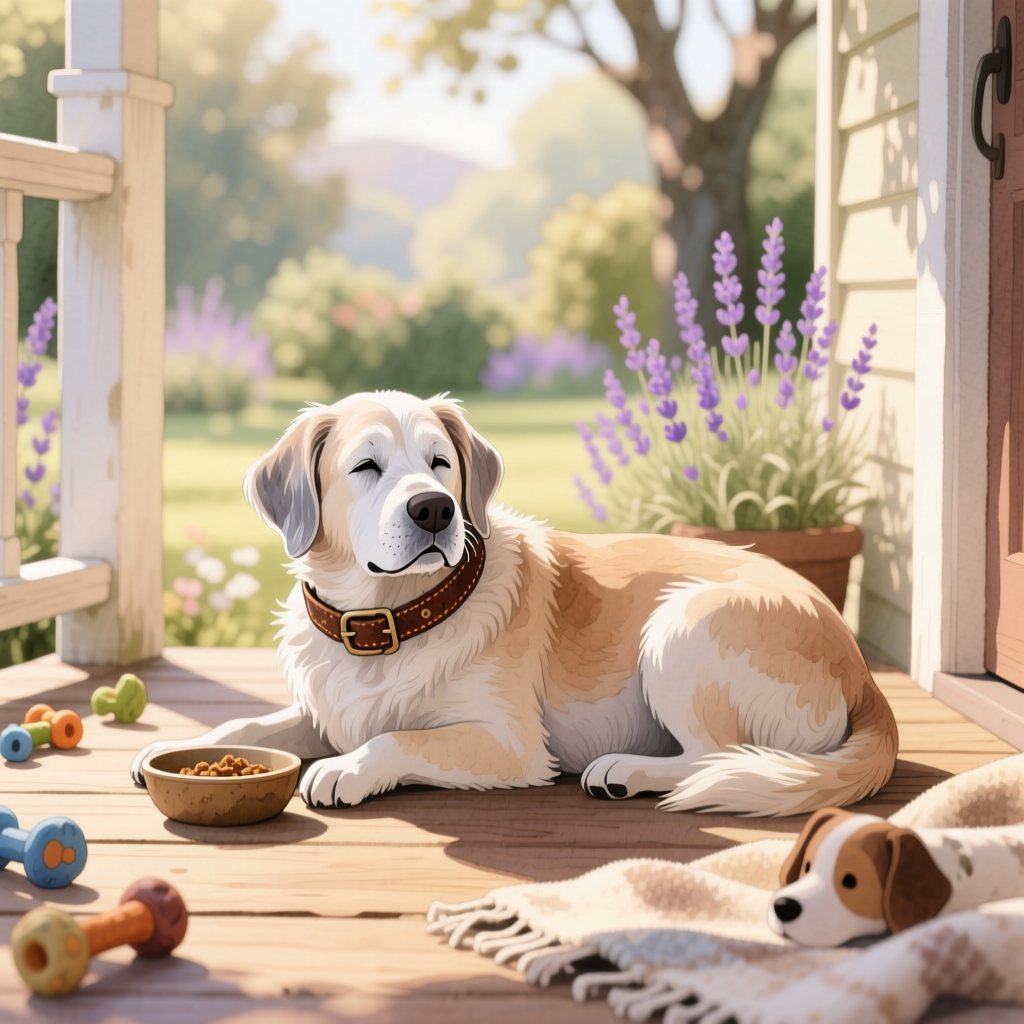
Watching your beloved dog grow older is both a privilege and a responsibility. As the years pass, your once-boundless companion may start to slow down, develop new quirks, and require a different level of care. Most dogs are considered seniors between the ages of seven and ten, though larger breeds tend to age faster than smaller ones. Understanding what changes are normal & what signs warrant concern is one of the most important things you can do for your aging furry friend.
This comprehensive senior dog health checklist is designed to help you monitor your dog's wellbeing, recognize early warning signs of common age-related conditions, and take proactive steps to ensure their golden years are comfortable & joyful. From mobility issues to cognitive changes, we'll cover everything you need to know to support your senior pup.
Disclaimer: This article is intended for informational purposes only & does not constitute veterinary advice. Always consult with a qualified veterinarian regarding your dog's health, diagnosis, or treatment plans.
Understanding the Aging Process in Dogs
Aging is a natural process that affects every system in your dog's body. While we often think of senior dogs in terms of gray muzzles & slower walks, the changes happening internally are far more significant. Cellular regeneration slows down, organ function gradually declines, & the immune system becomes less efficient at fighting off disease. Understanding these underlying changes helps you appreciate why a proactive health checklist is so critical.
Physical Changes to Expect
As dogs age, you'll notice a variety of physical transformations. Their coat may become duller or develop gray hairs, particularly around the face & paws. Skin loses elasticity, making it drier & more prone to irritation. Muscle mass decreases, especially along the spine & hindquarters, while body fat may increase. Their senses of hearing & vision gradually diminish, and you might notice your dog becoming startled more easily or bumping into furniture in dim lighting.
Teeth & gums also undergo significant changes. Dental disease is extraordinarily common in senior dogs, with many developing tartar buildup, gum recession, or even tooth loss. This isn't just a cosmetic concern — poor dental health can lead to systemic infections that affect the heart, kidneys, & liver. Regular dental assessments are one of the most overlooked aspects of senior dog care.
Behavioral & Cognitive Shifts
Senior dogs often experience changes in behavior that can be subtle at first. You might notice your dog sleeping more during the day, becoming less interested in play, or showing confusion in familiar environments. Some senior dogs develop what veterinarians call Canine Cognitive Dysfunction (CCD), a condition similar to dementia in humans. Signs include pacing at night, staring at walls, forgetting trained commands, or becoming disoriented in the house.
Personality changes can also occur. A previously social dog may become withdrawn or irritable, especially if they're experiencing chronic pain. Conversely, some dogs become more clingy & anxious as their senses decline & the world feels less predictable. These behavioral shifts are worth noting & discussing with your veterinarian, as they can indicate underlying medical conditions that are treatable.
Essential Health Screenings & Preventive Care
Prevention is always more effective — and less expensive — than treatment. A structured approach to preventive care can catch problems early when they're most manageable. Here's a detailed checklist of the screenings & care routines every senior dog needs.
Biannual Veterinary Examinations
While younger dogs typically need annual checkups, senior dogs benefit greatly from visiting the veterinarian every six months. A lot can change in half a year for an aging dog, & more frequent visits allow your vet to establish baselines & detect trends before they become emergencies. During these visits, your veterinarian will perform a thorough physical examination, checking everything from lymph nodes to joint flexibility.
Ask your vet about a comprehensive senior blood panel at least once a year. This typically includes a complete blood count (CBC), chemistry panel, thyroid screening, & urinalysis. These tests provide a window into your dog's internal health, revealing early signs of kidney disease, liver dysfunction, diabetes, thyroid disorders, & other conditions that are far more manageable when caught early.
Dental Health Assessments
Dental disease affects an estimated eighty percent of dogs over the age of three, & the problem only intensifies with age. Schedule professional dental cleanings as recommended by your veterinarian, & maintain a home dental care routine in between. This might include daily brushing with dog-specific toothpaste, dental chews approved by the Veterinary Oral Health Council, or water additives designed to reduce plaque.
Watch for signs of dental problems such as bad breath, drooling, reluctance to eat hard food, pawing at the mouth, or bleeding gums. If your dog suddenly starts dropping food or chewing on only one side of their mouth, a dental issue is likely the culprit. Untreated dental disease causes chronic pain & can lead to serious systemic infections.
Vaccinations & Parasite Prevention
Senior dogs still need protection from infectious diseases & parasites, but their vaccination schedule may need adjustment based on their health status & lifestyle. Work with your veterinarian to develop an appropriate protocol. Some vets recommend titer testing to measure existing immunity before administering booster vaccines, reducing unnecessary stress on an aging immune system.
Parasite prevention remains essential throughout your dog's life. Fleas, ticks, heartworms, & intestinal parasites can be particularly dangerous for senior dogs whose immune systems are already compromised. Maintain year-round preventive treatments & have regular fecal examinations performed to catch any parasitic infections early.
Weight Management & Body Condition Monitoring
Obesity is one of the most significant — and most preventable — health risks for senior dogs. Excess weight puts additional strain on aging joints, exacerbates heart & respiratory conditions, & increases the risk of diabetes. Conversely, unexplained weight loss can signal serious underlying conditions such as cancer, kidney disease, or gastrointestinal disorders.
Learn to assess your dog's body condition score regularly. You should be able to feel their ribs without pressing hard, & they should have a visible waist when viewed from above. Weigh your dog monthly at home or during vet visits, & keep a log so you can spot trends. Any significant change in weight — gain or loss — warrants a conversation with your vet. For more insights on maintaining your dog's ideal weight, check out our health & wellbeing resources for additional guidance.
Common Senior Dog Health Conditions: Symptoms, Causes & Treatment
Several health conditions are disproportionately common in senior dogs. Knowing the symptoms & understanding the available treatment options empowers you to advocate effectively for your dog's health.
Arthritis & Joint Disease
Osteoarthritis is perhaps the most prevalent condition affecting senior dogs. Studies suggest that over eighty percent of dogs over the age of eight show radiographic signs of arthritis, though many mask their pain remarkably well. The condition occurs when the cartilage cushioning the joints deteriorates, leading to inflammation, pain, & reduced mobility.
Symptoms: Reluctance to climb stairs or jump, stiffness after resting, limping, decreased activity, irritability when touched in certain areas, licking or chewing at joints, & difficulty rising from a lying position.
Treatment: Management typically involves a multi-modal approach including non-steroidal anti-inflammatory drugs (NSAIDs), joint supplements containing glucosamine & chondroitin, omega-3 fatty acids, weight management, physical therapy, & environmental modifications like ramps & orthopedic beds. Newer therapies such as stem cell treatment, platelet-rich plasma injections, & acupuncture are also showing promising results.
Prevention: Maintaining a healthy weight throughout life, providing appropriate exercise, & starting joint supplements early can help delay the onset or slow the progression of arthritis. Avoid high-impact activities on hard surfaces, especially for large breeds predisposed to joint issues.
Kidney Disease
Chronic kidney disease (CKD) is one of the leading causes of death in senior dogs. The kidneys gradually lose their ability to filter waste products from the blood, leading to a toxic buildup that affects every system in the body. Unfortunately, significant kidney damage often occurs before symptoms become apparent, which is why regular bloodwork is so important.
Symptoms: Increased thirst & urination, decreased appetite, weight loss, vomiting, bad breath with a chemical odor, lethargy, mouth ulcers, & a generally unkempt appearance.
Treatment: While CKD cannot be cured, it can be managed effectively. Treatment includes prescription renal diets low in phosphorus & protein, fluid therapy (subcutaneous fluids administered at home), phosphate binders, medications to control nausea & blood pressure, & supplements to support remaining kidney function.
Prevention: Ensure constant access to fresh water, feed a high-quality diet appropriate for your dog's life stage, avoid exposure to toxins like grapes, raisins, antifreeze, & certain medications, & maintain regular veterinary screenings.
Heart Disease
Heart disease affects roughly one in four senior dogs, with small breeds being particularly prone to mitral valve disease & large breeds more susceptible to dilated cardiomyopathy. As the heart's ability to pump blood efficiently declines, fluid can accumulate in the lungs or abdomen, & organs receive inadequate oxygen.
Symptoms: Coughing (especially at night or after exercise), difficulty breathing, reduced stamina, fainting episodes, a distended abdomen, restlessness, & loss of appetite.
Treatment: Depending on the type & stage of heart disease, treatment may include diuretics to reduce fluid buildup, ACE inhibitors, pimobendan to improve heart contractility, dietary sodium restriction, & controlled exercise. Regular cardiac monitoring with echocardiograms helps track disease progression & adjust treatment.
Prevention: Maintaining a healthy weight, providing regular moderate exercise, ensuring good dental hygiene (bacteria from dental disease can affect heart valves), & feeding a nutritionally balanced diet all support cardiovascular health.
Cancer
Cancer is unfortunately common in older dogs, with roughly half of all dogs over the age of ten developing some form of the disease. Types range from relatively benign skin tumors to aggressive internal cancers such as lymphoma, hemangiosarcoma, & osteosarcoma.
Symptoms: Unusual lumps or bumps that grow or change, non-healing wounds, unexplained weight loss, difficulty eating or swallowing, persistent lameness, breathing difficulties, changes in bathroom habits, & unexplained bleeding.
Treatment: Options depend on the type & stage of cancer & may include surgery, chemotherapy, radiation therapy, immunotherapy, or palliative care. Many cancers, when caught early, can be successfully treated or managed to provide a good quality of life for months or even years.
Prevention: While not all cancers are preventable, spaying or neutering reduces the risk of certain reproductive cancers, minimizing sun exposure protects light-colored dogs from skin cancer, & avoiding known carcinogens helps reduce overall risk. Regular full-body examinations at home help you detect new lumps early.
Nutrition, Exercise & Lifestyle Adjustments for Senior Dogs
The way you feed, exercise, & accommodate your senior dog can profoundly impact their quality of life. As their bodies change, so should their daily routines & environment.
Senior Dog Nutrition
Nutritional needs shift significantly as dogs age. Senior dogs generally require fewer calories due to decreased activity levels, but they need high-quality, easily digestible protein to maintain muscle mass. Look for senior-specific formulas that include joint-supporting ingredients like glucosamine, antioxidants to support cognitive function, & omega-3 fatty acids for skin, coat, & anti-inflammatory benefits.
Some senior dogs benefit from smaller, more frequent meals rather than one or two large portions. This approach is gentler on the digestive system & can help maintain steady energy levels throughout the day. If your dog has specific health conditions such as kidney disease or diabetes, your veterinarian may recommend a prescription diet tailored to their needs. Always transition to new foods gradually over seven to ten days to avoid gastrointestinal upset.
Hydration becomes increasingly important for senior dogs, especially those with kidney issues. Consider adding water to their food, offering bone broth as a treat, or using a pet water fountain to encourage drinking. For more tips on keeping your dog nourished, explore our complete pet care guides available on Paws & Tales.
Appropriate Exercise Routines
Exercise remains vital for senior dogs, but the type & intensity should be adjusted to match their capabilities. Short, frequent walks are generally better than long, strenuous outings. Low-impact activities like swimming or gentle hiking on soft trails are excellent options that keep muscles engaged without placing excessive stress on joints.
Pay attention to your dog's signals during exercise. If they start lagging behind, panting excessively, or lying down during walks, it's time to rest. Weather extremes affect senior dogs more severely, so avoid exercising during the hottest parts of the day & be mindful of cold temperatures that can stiffen arthritic joints. Mental stimulation is equally important — puzzle toys, gentle training sessions, & scent games keep your dog's mind sharp even when their body can't handle vigorous physical activity.
Home Environment Modifications
Simple changes to your home can dramatically improve your senior dog's comfort & safety. Place non-slip rugs or mats on slippery floors to prevent falls. Provide orthopedic beds with supportive foam in multiple locations around the house so your dog always has a comfortable place to rest. Ramps or pet stairs help dogs access furniture, vehicles, & elevated sleeping areas without the strain of jumping.
Raise food & water bowls to a comfortable height so your dog doesn't need to bend down, which can be painful for those with neck or back issues. Keep your dog's essentials — bed, water, toys, & potty area — easily accessible on one floor to minimize stair climbing. Night lights can help dogs with diminishing vision navigate safely after dark, & baby gates can prevent access to potentially dangerous areas like steep staircases.
When to See a Vet: Red Flags You Should Never Ignore
While many age-related changes are gradual & expected, certain symptoms require prompt veterinary attention. Knowing when to seek help can make the difference between a minor issue & a life-threatening emergency.
Seek immediate veterinary care if your senior dog exhibits any of the following:
- Sudden collapse, inability to stand, or severe weakness
- Difficulty breathing, persistent coughing, or blue-tinged gums
- Seizures or episodes of disorientation lasting more than a few minutes
- Repeated vomiting or diarrhea, especially with blood
- Straining to urinate or inability to urinate
- Sudden blindness or obvious eye pain
- Unexplained bleeding from any body opening
- A hard, distended abdomen
- Refusal to eat or drink for more than twenty-four hours
- Signs of severe pain such as constant whining, trembling, or aggression when touched
Schedule a prompt appointment (within a few days) for:
- Gradual but noticeable weight loss or gain
- Increased thirst & urination
- New lumps, bumps, or changes in existing growths
- Persistent bad breath or changes in eating habits
- Changes in sleep patterns or nighttime restlessness
- Increased anxiety, confusion, or behavioral changes
- Limping or stiffness that doesn't resolve within a day or two
- Changes in stool consistency or frequency
Trust your instincts. You know your dog better than anyone, & if something feels wrong, it probably deserves professional evaluation. Many serious conditions in senior dogs are far more treatable when addressed early, so erring on the side of caution is always the right choice. You can find more guidance on recognizing health concerns in our health & wellbeing section.
Frequently Asked Questions About Senior Dog Health
At what age is a dog considered a senior?
The age at which a dog is considered senior varies significantly by breed size. Giant breeds like Great Danes & Saint Bernards may be seniors by five or six years old, while large breeds such as Labrador Retrievers typically enter their senior years around seven or eight. Medium-sized dogs generally become seniors around eight to ten, & small breeds like Chihuahuas & Toy Poodles may not be considered senior until ten or eleven. Your veterinarian can help determine where your individual dog falls on the aging spectrum based on their breed, health history, & overall condition.
How often should I take my senior dog to the vet?
Most veterinarians recommend that senior dogs have a comprehensive examination at least twice a year, compared to annual visits for younger adult dogs. This increased frequency is important because dogs age much faster than humans, & significant health changes can occur in just a few months. Each visit should include a thorough physical examination, & annual visits should incorporate comprehensive bloodwork, urinalysis, & any breed-specific screenings your vet recommends. If your dog has an existing chronic condition, more frequent monitoring may be necessary to adjust medications & assess disease progression.
Should I change my senior dog's diet?
Yes, most senior dogs benefit from a diet formulated specifically for their changing nutritional needs. Senior dog foods typically contain fewer calories to match decreased activity levels, higher-quality protein to maintain muscle mass, added joint supplements, increased fiber for digestive health, & enhanced antioxidant profiles. However, the ideal diet depends on your dog's specific health conditions. A dog with kidney disease needs very different nutrition than one with cancer or diabetes. Always consult your veterinarian before making significant dietary changes, & transition to new foods gradually to prevent digestive upset. If your dog has been on a prescription diet, never switch without veterinary guidance.
How can I tell if my senior dog is in pain?
Dogs are remarkably stoic animals & often hide pain until it becomes severe, which makes recognizing subtle signs critically important. Common indicators of pain in senior dogs include reluctance to move, climb stairs, or jump; changes in posture such as a hunched back; excessive panting when at rest; decreased appetite; licking or chewing at specific body areas; restlessness or inability to get comfortable; vocalizing when touched or picked up; increased irritability or withdrawal from family interaction; & changes in facial expression such as a tense jaw or glazed eyes. If you suspect your dog is in pain, don't wait — schedule a veterinary examination. Chronic pain significantly diminishes quality of life, & there are many safe & effective pain management options available.
What supplements are beneficial for senior dogs?
Several supplements have shown benefits for aging dogs, though it's essential to discuss any additions with your veterinarian first to avoid interactions with existing medications. Commonly recommended supplements include glucosamine & chondroitin for joint health, omega-3 fatty acids (fish oil) for anti-inflammatory benefits & coat health, probiotics for digestive support, antioxidants like vitamin E & C for cognitive function, & medium-chain triglycerides (MCT oil) which may support brain health in dogs showing signs of cognitive decline. Some vets also recommend SAMe for liver support or melatonin for dogs with sleep disturbances. Quality matters enormously with supplements — choose products from reputable manufacturers that undergo third-party testing, & always follow dosing guidelines based on your dog's weight.
Giving Your Senior Dog the Best Quality of Life
Caring for a senior dog requires patience, attentiveness, & a willingness to adapt. The bond you've built over years of companionship makes this extra effort not just worthwhile but deeply rewarding. By following this health checklist, staying vigilant about changes in behavior or physical condition, maintaining regular veterinary care, & making thoughtful adjustments to your dog's diet, exercise, & environment, you can help ensure that your loyal companion enjoys their golden years with comfort & dignity.
Remember that every dog ages differently, & what works for one senior pup may not be ideal for another. Your veterinarian is your most valuable partner in navigating this journey. Keep open lines of communication, ask questions whenever something concerns you, & don't hesitate to seek second opinions when facing difficult health decisions.
The time you have with your senior dog is precious. By being proactive about their health & wellbeing, you're giving them the greatest gift possible — a comfortable, happy, & loved life right to the very end. For more articles on caring for your canine companion at every stage of life, visit Paws & Tales & explore our full library of pet health & wellbeing resources.
Tom Renshaw
All our authors care for dogs every day — read more of their work on the authors page.


