Royal Canin Gastrointestinal Low Fat Dry Dog Food:...
Royal Canin Gastrointestinal Low Fat dry dog food: nutrition breakdown, feeding amounts, transition protocol, alternatives, and vet-recommended tips.
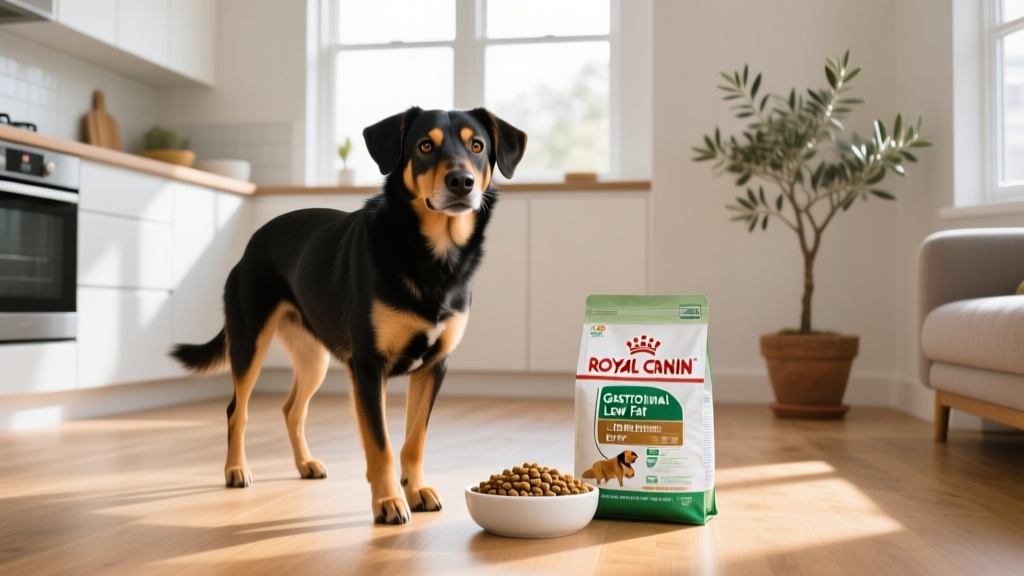
Why Royal Canin Gastrointestinal Low Fat Dry Dog Food Exists
Dogs with pancreatitis, hyperlipidemia, inflammatory bowel disease (IBD), or fat malabsorption disorders need a diet that delivers complete nutrition while keeping fat intake strictly controlled. Inflammatory bowel disease and chronic pancreatitis are among the most common reasons veterinarians prescribe therapeutic diets, and Royal Canin's Gastrointestinal Low Fat formula has been a staple in veterinary clinics for over a decade.
This food is classified as a veterinary therapeutic diet, meaning it is formulated to manage specific medical conditions and should be used under veterinary supervision. Unlike over-the-counter "weight management" or "sensitive stomach" kibbles, this formula is designed with precise macronutrient targets to reduce pancreatic workload and support intestinal healing.
Nutritional Profile: What's Actually in the Bag
Understanding the guaranteed analysis helps you see why this diet works for fat-sensitive dogs. Here is the typical nutritional breakdown for Royal Canin Gastrointestinal Low Fat dry formula (as-fed basis):
| Nutrient | Guaranteed Analysis | Caloric Contribution |
|---|---|---|
| Crude Protein (min) | 18.0% | ~27% of metabolizable energy |
| Crude Fat (min) | 7.0% | ~18% of metabolizable energy |
| Crude Fat (max) | 9.0% | — |
| Crude Fiber (max) | 2.5% | — |
| Moisture (max) | 10.5% | — |
| Caloric Density | 3,384 kcal/kg | ~311 kcal/cup |
Key takeaway: The fat content maxes out at 9% on an as-fed basis, which translates to roughly 10% on a dry matter basis. For context, most standard adult maintenance diets contain 15–20% fat. This reduction is clinically significant for dogs whose pancreas cannot process normal fat loads.
Primary Ingredient List (2026 formulation)
Brewers rice, chicken by-product meal, wheat gluten, corn gluten meal, chicken fat, natural flavors, dried beet pulp, vegetable oil, sodium silico aluminate, monocalcium phosphate, potassium chloride, calcium carbonate, salt, choline chloride, taurine, L-lysine, marigold extract (source of lutein), vitamins, and minerals. The formula includes a proprietary blend of prebiotic fibers (fructooligosaccharides and beet pulp) to support gut microbiome balance.
AAFCO Statement
This diet carries an AAFCO nutritional adequacy statement for adult dog maintenance. It is not formulated for growth (puppies), gestation, or lactation. If your dog is under 12 months or pregnant, your veterinarian will need to recommend a different therapeutic option.
Conditions This Diet Targets
Royal Canin Gastrointestinal Low Fat is not a general-purpose "healthy" food. It is indicated for specific veterinary diagnoses:
- Chronic pancreatitis: The pancreas becomes inflamed and cannot efficiently produce lipase (the fat-digesting enzyme). Reducing dietary fat decreases pancreatic stimulation and pain episodes.
- Hyperlipidemia (primary or secondary): Elevated blood triglycerides, common in Miniature Schnauzers, can trigger pancreatitis if fat intake isn't controlled.
- Inflammatory bowel disease (IBD): Fat malabsorption worsens diarrhea; lower-fat diets reduce steatorrhea (fatty stools).
- Lymphangiectasia: A condition where intestinal lymph vessels dilate and leak, impairing fat absorption. Ultra-low-fat diets are the cornerstone of management.
- Exocrine pancreatic insufficiency (EPI): While EPI dogs often need enzyme supplementation alongside their diet, lower fat reduces undigested fat in the colon.
- Post-surgical GI recovery: After intestinal surgery, a low-fat, highly digestible diet reduces stress on the healing gut.
How Much to Feed: Weight-Based Calculator
Feeding amounts vary based on your dog's ideal body weight, current body condition score (BCS), activity level, and whether weight gain or maintenance is the goal. The following table uses Royal Canin's published feeding guidelines as a baseline, with adjustment factors:
| Ideal Body Weight | Cups/Day (Maintenance) | Calories/Day | Adjustment: Sedentary/Senior | Adjustment: Active/Working |
|---|---|---|---|---|
| 11 lb / 5 kg | 1 cup | 311 kcal | −15% (0.85 cup) | +20% (1.2 cups) |
| 22 lb / 10 kg | 1 ¾ cups | 544 kcal | −15% (1.5 cups) | +20% (2.1 cups) |
| 33 lb / 15 kg | 2 ⅜ cups | 734 kcal | −15% (2 cups) | +20% (2.8 cups) |
| 44 lb / 20 kg | 2 ¾ cups | 855 kcal | −15% (2.3 cups) | +20% (3.3 cups) |
| 66 lb / 30 kg | 3 ⅝ cups | 1,128 kcal | −15% (3.1 cups) | +20% (4.4 cups) |
| 88 lb / 40 kg | 4 ⅜ cups | 1,365 kcal | −15% (3.7 cups) | +20% (5.2 cups) |
How to adjust: Start with the maintenance amount for your dog's ideal weight (not current weight if overweight). Monitor body condition score every 2 weeks. If your dog is losing weight unintentionally, increase by 10%. If BCS rises above 5/9, decrease by 10%. Dogs recovering from acute pancreatitis may need smaller, more frequent meals (3–4 per day) rather than two larger ones.
Transition Protocol: Switching to or From This Diet
Dogs with GI conditions are especially sensitive to abrupt diet changes. A rapid switch can trigger the very symptoms you're trying to manage. Follow this 10-day protocol:
| Day Range | Old Food | New Food (RC GI Low Fat) | Notes |
|---|---|---|---|
| Days 1–2 | 75% | 25% | Watch for appetite changes |
| Days 3–4 | 50% | 50% | Monitor stool consistency |
| Days 5–6 | 25% | 75% | Note energy and vomiting |
| Days 7–8 | 10% | 90% | Reduce if stool softens |
| Days 9–10 | 0% | 100% | Full transition complete |
Important for GI-compromised dogs: If your dog has active pancreatitis or IBD flare-ups, extend each phase to 3 days instead of 2, making the full transition 15 days. Some veterinarians recommend adding a probiotic (such as Enterococcus faecium-based products like Purina FortiFlora) during the transition to stabilize gut flora. Always ask your vet before adding supplements.
Top Alternatives and Comparable Therapeutic Diets
Royal Canin isn't the only option. Depending on your dog's diagnosis, palatability preferences, and your budget, these veterinary therapeutic diets serve similar clinical purposes. All prices reflect typical 2026 retail ranges for standard bag sizes (8–12 lb) from authorized veterinary pharmacies and online retailers.
1. Hill's Prescription Diet i/d Low Fat
Fat content: 8.5% as-fed (dry) | Caloric density: 3,260 kcal/kg | Price range: $42–$55 for 8.5 lb bag
When to choose: Comparable fat reduction with a different protein source profile. Some dogs that refuse Royal Canin will eat Hill's i/d Low Fat. Contains Hill's ActivBiome+ ingredient technology for gut microbiome support. AAFCO-approved for adult maintenance.
2. Purina Pro Plan Veterinary Diets EN Gastroenteric Low Fat
Fat content: 8.0% as-fed (dry) | Caloric density: 3,518 kcal/kg | Price range: $38–$50 for 8 lb bag
When to choose: Slightly lower fat than Royal Canin. Higher caloric density means you feed less volume, which can help dogs with poor appetite. MCT (medium-chain triglyceride) oil is included as an alternative fat source that doesn't require pancreatic lipase for digestion.
3. Royal Canin Gastrointestinal Low Fat (Wet/Canned)
Fat content: 2.0% as-fed (canned) | Caloric density: 810 kcal/kg | Price range: $3.50–$4.50 per 13.5 oz can
When to choose: Higher moisture content aids hydration in dogs with vomiting/diarrhea. Useful for mixing with dry kibble to improve palatability. The as-fed fat percentage looks lower but is ~9% on a dry matter basis—comparable to the dry version.
4. JustFoodForDogs Pantry Fresh (Veterinary Formulated Low Fat)
Fat content: ~6% as-fed | Caloric density: Varies by recipe | Price range: $65–$90 for a 7-day supply (20 lb dog)
When to choose: Fresh-cooked option for dogs that refuse kibble entirely. Formulated by veterinary nutritionists. Requires subscription and may not be appropriate for all GI conditions—confirm with your vet. Significantly more expensive than therapeutic kibble.
5. Blue Buffalo Natural Veterinary Diet GI Gastrointestinal Support
Fat content: 9.0% as-fed (dry) | Caloric density: 3,525 kcal/kg | Price range: $45–$58 for 7 lb bag
When to choose: Comparable formulation to Royal Canin at a similar price point. Some dogs prefer the flavor profile. Note: this is NOT the low-fat version—ensure you're selecting the correct product if your vet specifically recommended low fat.
6. Home-Cooked Veterinary-Formulated Diet (Custom)
Fat content: Variable (recipe-dependent) | Price range: $3–$8/day for a 30 lb dog
When to choose: Only when prescribed by a board-certified veterinary nutritionist (DACVN). Requires precise formulation to meet AAFCO nutrient profiles. See the homemade diet section below for critical safety information.
What to Look for on Any Low-Fat Dog Food Label
Whether you're evaluating Royal Canin or considering an alternative, these label elements are non-negotiable for a GI therapeutic diet:
Must-Have Label Criteria
- AAFCO Statement of Nutritional Adequacy: Must state the food is "complete and balanced" for the appropriate life stage. "For intermittent or supplemental feeding only" is insufficient for long-term management.
- Fat content clearly stated: Look for crude fat max of 9% or less on an as-fed basis for dry food. Convert to dry matter basis (divide by [100 − moisture%] × 100) for accurate comparison.
- Highly digestible carbohydrate sources: Brewers rice, white rice, and oat groats are easily digested. Avoid diets where the primary carb source is corn or wheat if your dog has known grain sensitivities (though true grain allergies are rare—less than 1% of dogs).
- Moderate, high-quality protein: 18–22% as-fed for dry food. Protein should be from named animal sources (chicken, turkey) or well-characterized meals (chicken by-product meal).
- Prebiotic fiber blend: Beet pulp, FOS (fructooligosaccharides), or MOS (mannanoligosaccharides) support gut barrier function.
- No high-fat additives: Avoid foods listing "animal fat" generically, added bacon grease, or more than one concentrated fat source in the top 10 ingredients.
Ingredients to Avoid in GI-Sensitive Dogs
- High-fat treats and table scraps: Even a single tablespoon of peanut butter (~8g fat) can trigger a pancreatitis flare in a 20 lb dog.
- Rawhide and high-fat chews: Pig ears, bully sticks, and smoked bones can contain 30–50% fat.
- Artificial preservatives (BHA, BHT, ethoxyquin): While not directly related to fat content, these may irritate inflamed GI tracts. Look for mixed tocopherols (vitamin E) as the preservative.
- Excessive fiber (crude fiber >5%): Too much fiber speeds intestinal transit and worsens nutrient absorption in compromised guts.
Homemade Diet Considerations: Proceed With Extreme Caution
Some owners ask whether they can cook a low-fat diet at home instead of using a commercial therapeutic formula. The short answer: only under direct supervision of a board-certified veterinary nutritionist (DACVN).
Why Homemade Low-Fat Diets Are Risky
A 2023 study published in the Journal of Veterinary Internal Medicine found that 95% of homemade dog diets evaluated were deficient in at least one essential nutrient. When fat is restricted, the risk of fat-soluble vitamin (A, D, E, K) deficiencies increases dramatically because these vitamins require dietary fat for absorption.
A typical veterinary nutritionist-formulated low-fat recipe for a 30 lb dog might include:
- 4 oz cooked skinless chicken breast (protein source)
- 1 ½ cups cooked white rice (carbohydrate)
- ¼ cup cooked sweet potato (fiber, potassium)
- 1 tsp safflower oil (essential fatty acids — yes, some fat is necessary)
- Balanced calcium/phosphorus supplement (e.g., Balance IT Canine, dosed per formulation)
- Vitamin E supplement (25 IU/day)
- Fish oil (EPA/DHA for anti-inflammatory support — dosed at 20–55 mg/kg combined EPA+DHA)
Supplement Guidance: What to Add (and What to Skip)
Therapeutic diets are formulated to be complete, but certain supplements may provide additional benefit for GI-compromised dogs. Always clear any supplement with your veterinarian before adding it.
| Supplement | Typical Dosage | Purpose | When to Add |
|---|---|---|---|
| Omega-3 Fish Oil (EPA/DHA) | 20–55 mg/kg combined EPA+DHA daily | Anti-inflammatory, supports gut mucosal healing | IBD, chronic pancreatitis |
| Probiotics (E. faecium or L. acidophilus) | 1–10 billion CFU daily | Gut microbiome stabilization | During diet transitions, antibiotic courses, active diarrhea |
| Vitamin B12 (cobalamin) | 250–1500 µg subcutaneous injection weekly (vet-administered) | Corrects deficiency from ileal malabsorption | IBD with documented low serum cobalamin |
| Digestive enzymes (pancreatic) | Per product label with each meal | Replaces deficient enzymes | EPI only — not indicated for pancreatitis |
| Slippery elm bark | ¼ tsp per 10 lb body weight, mixed with food | Demulcent — soothes inflamed GI lining | Mild gastritis; limited evidence base |
Supplements to skip: Avoid adding coconut oil, MCT oil, or any fat-based supplement without veterinary approval. Even "healthy fats" can overwhelm a compromised pancreas. Glucosamine/chondroitin supplements are generally safe but irrelevant to GI management unless your dog has concurrent joint disease.
Monitoring Your Dog's Response
After transitioning to Royal Canin Gastrointestinal Low Fat (or any therapeutic diet), track these parameters to determine whether the diet is working:
Stool Quality (Daily)
Use a 1–7 fecal scoring system:
- 1 (hard pellets): Too dry — increase water intake or add canned version
- 2–3 (formed, firm): Ideal target
- 4 (soft, formed): Acceptable during transition
- 5–6 (loose, unformed): Diet may not be working — contact vet
- 7 (watery): Emergency — may indicate pancreatitis flare or dietary intolerance
Body Condition Score (Biweekly)
Assess using the WSAVA 9-point BCS scale:
- 4–5/9: Ideal — ribs palpable without excess fat cover, visible waist
- Below 4: Underweight — increase portions by 10–15%
- Above 5: Overweight — decrease portions by 10% (but ensure minimum caloric needs are met)
Energy and Appetite (Daily)
- Appetite should be steady or improving within 1 week
- Energy levels typically improve as GI discomfort resolves (2–4 weeks)
- Vomiting should decrease within 3–5 days for pancreatitis
- Report persistent lethargy or appetite loss beyond 72 hours
Coat and Skin Quality (Monthly)
- Low-fat diets can cause dry coat initially
- Adding approved omega-3 supplement usually resolves this within 4–6 weeks
- Excessive shedding or flaking beyond 8 weeks warrants re-evaluation
- Coat should feel smooth, not brittle
Cost and Purchasing Guide
Royal Canin Gastrointestinal Low Fat dry food is available through veterinary clinics and authorized online pharmacies (Chewy, Petco Vet Diet, 1-800-PetMeds). Pricing as of 2026:
| Bag Size | Price Range | Cost Per Day (30 lb dog) | Estimated Duration (30 lb dog) |
|---|---|---|---|
| 5.5 lb bag | $28–$35 | $2.50–$3.20 | ~10–11 days |
| 11 lb bag | $48–$60 | $2.20–$2.75 | ~21–22 days |
| 22 lb bag | $85–$105 | $1.95–$2.40 | ~43–44 days |
Annual cost estimate: For a 30 lb dog fed exclusively on this diet, expect to spend $715–$985 per year. This is significantly more than standard maintenance diets ($250–$450/year) but comparable to other veterinary therapeutic diets.
Purchasing tip: Online pharmacies require a valid veterinary prescription on file. Chewy and 1-800-PetMeds will contact your vet directly to verify. Some pet insurance plans with wellness add-ons (e.g., Trupanion, ASPCA Pet Health Insurance) may partially cover prescription diets if prescribed for a covered condition — check your policy.
Frequently Asked Questions
What is the best dog food for chronic pancreatitis?
The three most commonly recommended therapeutic diets for chronic pancreatitis are Royal Canin Gastrointestinal Low Fat, Hill's Prescription Diet i/d Low Fat, and Purina Pro Plan Veterinary Diets EN Gastroenteric Low Fat. The "best" option depends on your dog's palatability preference, specific fat tolerance, and your veterinarian's assessment. All three maintain fat below 10% on a dry matter basis and carry AAFCO adult maintenance statements.
How much should I feed my dog on Royal Canin GI Low Fat?
Use the weight-based feeding table above as a starting point. A 30 lb dog typically needs approximately 3 ⅝ cups per day (about 1,128 kcal). Adjust by ±15–20% based on body condition score, activity level, and whether your dog needs to gain, maintain, or lose weight. Always measure with a standard 8 oz measuring cup, not by eye estimate.
Can I feed my dog a homemade or raw diet instead?
A raw diet is strongly discouraged for dogs with GI disease. Raw diets carry documented risks of Salmonella, Listeria, and nutritional imbalance — risks that are amplified in dogs with already-compromised digestive systems. A cooked homemade diet is possible but must be formulated by a board-certified veterinary nutritionist to ensure it meets all essential nutrient requirements at the restricted fat level your dog needs.
What ingredients should I avoid giving my dog on this diet?
Avoid all high-fat treats (peanut butter, cheese, bacon, pig ears, bully sticks), table scraps with added oils or butter, and any food containing xylitol (toxic to dogs — if ingestion occurs, contact ASPCA Animal Poison Control at (888) 426-4435, 24/7, consultation fee applies). Also avoid rawhide chews, which are difficult to digest and can cause obstruction in dogs with GI motility issues.
How do I switch my dog to Royal Canin GI Low Fat from their current food?
Follow a gradual 10-day transition: 75/25 old-to-new for days 1–2, 50/50 for days 3–4, 25/75 for days 5–6, 10/90 for days 7–8, and 100% new food by days 9–10. Extend each phase by one day if your dog has active GI symptoms. Mix thoroughly to prevent selective eating.
Does my dog need supplements while eating this food?
Royal Canin GI Low Fat is nutritionally complete, so base supplements are not required. However, omega-3 fatty acids (fish oil at 20–55 mg/kg EPA+DHA daily) are frequently recommended by veterinarians to reduce GI inflammation. Probiotics may help during transitions. Never add fat-based supplements (coconut oil, MCT oil) without veterinary approval. If your dog has documented vitamin B12 deficiency from IBD, your vet may prescribe cobalamin injections.
Can puppies eat Royal Canin Gastrointestinal Low Fat?
No. This diet carries an AAFCO statement for adult maintenance only and does not meet the higher protein, fat, calcium, and caloric requirements for growth. Puppies with pancreatitis or GI disease require a different therapeutic formulation — your veterinarian will recommend an appropriate option, which may involve a carefully balanced veterinary nutritionist-designed recipe.
How long will my dog need to stay on this diet?
This depends entirely on the underlying condition. Dogs with a single episode of acute pancreatitis may transition back to a regular diet after 2–3 months if bloodwork normalizes. Dogs with chronic pancreatitis, lymphangiectasia, or severe IBD may need lifelong low-fat feeding. Never discontinue a therapeutic diet without your veterinarian's guidance — relapse rates for pancreatitis are high when diet restrictions are lifted prematurely.
Priya Sutaria
All our authors care for dogs every day — read more of their work on the authors page.


