Symptoms, Treatment & Recovery Guide
Complete guide to respiratory tract infection in dogs: symptoms by severity, diagnosis costs, treatment options, prognosis, and when to see the vet.
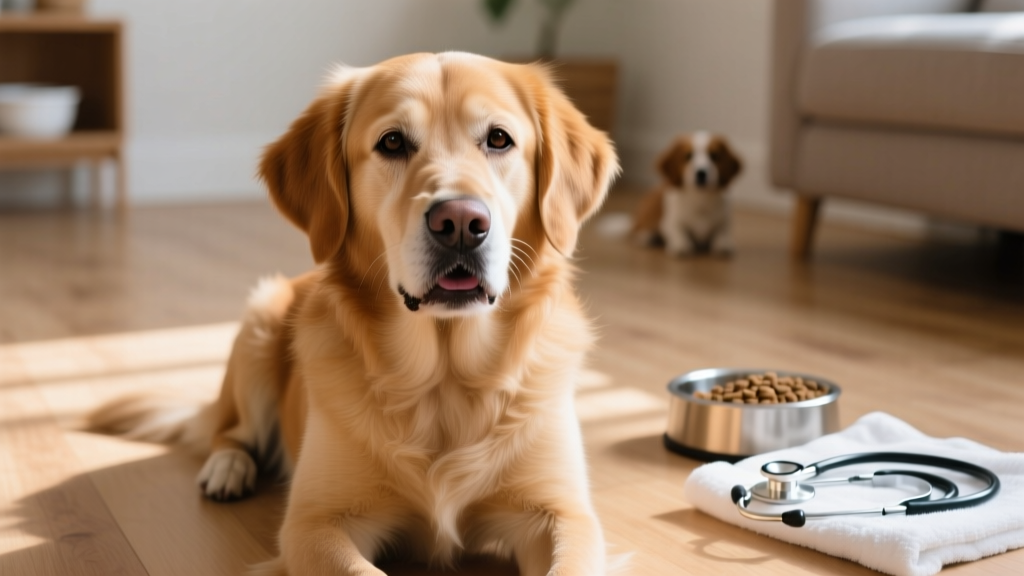
If your dog is coughing, sneezing, or breathing harder than usual, a respiratory tract infection in dogs could be the culprit. Respiratory tract infections (RTIs) are inflammatory conditions affecting the upper airways (nose, throat, trachea) or lower airways (bronchi, lungs) caused by bacteria, viruses, fungi, or parasites. According to the Merck Veterinary Manual, RTIs are among the most common reasons dog owners visit emergency and general practice veterinary clinics, affecting dogs of every age, breed, and size — though brachycephalic breeds, puppies, seniors, and immunocompromised dogs face elevated risk.
Upper respiratory infections (URIs) typically involve the nasal passages, sinuses, and throat and are often viral (canine adenovirus type 2, canine parainfluenza, canine influenza, canine distemper). Lower respiratory infections (LRIs) such as bronchitis or pneumonia involve the bronchi and lung tissue and tend to be bacterial or secondary to a primary viral infection. Bordetella bronchiseptica — the primary agent behind kennel cough — straddles both categories and is highly contagious in group settings like boarding facilities, dog parks, and grooming salons.
This guide walks you through what to watch for, what the diagnostic process looks like, realistic treatment costs in 2026, and when a cough is an emergency versus something you can monitor at home. Always consult your veterinarian for a confirmed diagnosis — never attempt to treat a suspected respiratory infection based on symptoms alone.
What Is a Respiratory Tract Infection in Dogs?
A canine respiratory tract infection is any infectious disease that targets the structures involved in breathing. The infection may be localized to one region — say, the nasal cavity — or may spread from the upper airways down into the lungs, which is when the situation becomes considerably more serious.
Common causative agents include:
- Bacterial: Bordetella bronchiseptica, Streptococcus equi subsp. zooepidemicus, Mycoplasma cynos, Pseudomonas aeruginosa, Escherichia coli
- Viral: Canine adenovirus type 2 (CAV-2), canine parainfluenza virus (CPiV), canine influenza virus (H3N8, H3N2), canine distemper virus (CDV), canine respiratory coronavirus (CRCoV)
- Fungal: Blastomyces dermatitidis, Histoplasma capsulatum, Coccidioides immitis, Aspergillus spp. (more common in specific geographic regions — the Ohio and Mississippi River valleys, the American Southwest)
- Parasitic: Oslerus osleri (tracheal worms), Capillaria aerophila, Paragonimus kellicotti (lung flukes)
Recognizing the Symptoms: Early Warnings vs. Advanced Signs
Catching a respiratory tract infection early can mean the difference between a week of home monitoring and a $3,000+ emergency hospitalization. Below is a severity-organized checklist to help you gauge where your dog falls on the spectrum.
| Severity | Symptoms | Typical Onset |
|---|---|---|
| Early / Mild (URI) | Dry, honking cough ("goose honk"); occasional sneezing; clear nasal discharge; mild lethargy; slightly reduced appetite; low-grade fever (101–102.5°F / 38.3–39.2°C) | 2–5 days after exposure |
| Moderate | Persistent productive cough with phlegm; yellow-green nasal discharge; noticeable lethargy; reduced water intake; mild exercise intolerance; intermittent retching or gagging after coughing fits | 5–10 days after initial symptoms |
| Advanced / Severe (LRI) | Labored or rapid breathing (tachypnea >40 breaths/min at rest); open-mouth breathing; blue-tinged gums (cyanosis); high fever (>103.5°F / 39.7°C); complete appetite refusal; coughing up blood (hemoptysis); collapse or inability to stand | Rapid progression, sometimes within 24–48 hours |
One practical monitoring tip: count your dog's resting respiratory rate (RRR) while they sleep. A healthy dog takes 15–30 breaths per minute at rest. If you consistently count above 40 breaths per minute during sleep, this is a clinically significant indicator of lower airway or lung involvement and warrants prompt veterinary evaluation.
Risk Factors: Which Dogs Are Most Vulnerable?
High-Risk Profiles
- Brachycephalic breeds: French Bulldogs, English Bulldogs, Pugs, Boston Terriers, Shih Tzus — their already-compromised airway anatomy (elongated soft palate, stenotic nares, hypoplastic trachea) means any respiratory infection hits harder and resolves slower. Brachycephalic obstructive airway syndrome (BOAS) is a comorbidity that amplifies infection severity.
- Puppies under 6 months: Immature immune systems and incomplete vaccination series make puppies highly susceptible, especially to distemper and parainfluenza.
- Senior dogs (8+ years): Age-related immune decline and comorbidities like heart disease or chronic kidney disease reduce the ability to fight infection.
- Immunocompromised dogs: Dogs on long-term corticosteroids, chemotherapy, or with conditions like Cushing's disease or diabetes mellitus.
- High-exposure environments: Boarding kennels, daycare facilities, dog parks, shelters, and grooming salons where airborne pathogen load is elevated.
- Intact dogs in breeding facilities: Close-quarter housing increases transmission risk for Bordetella and Mycoplasma.
- Hunting and field dogs: Increased exposure to fungal spores (Blastomyces, Histoplasma) in soil and water, especially in endemic regions.
Brachycephalic breeds deserve special mention. A French Bulldog with a "mild" kennel cough may deteriorate to respiratory distress far faster than a Labrador Retriever with the same infection because the Frenchie's airway is already anatomically narrowed. If you own a flat-faced breed, lower your threshold for seeking veterinary care — what looks mild in a mesocephalic or dolichocephalic breed can become critical in a brachycephalic dog within hours.
How Veterinarians Diagnose Respiratory Tract Infections
Your vet will build a diagnosis through a combination of history, physical examination, and diagnostic testing. Here is the typical diagnostic pathway and what you can expect to spend.
Your vet will ask about recent boarding, dog park visits, vaccination status, and symptom timeline. They will auscultate (listen to) lung sounds with a stethoscope, check mucous membrane color, measure temperature, and assess respiratory effort.
Step 2: Baseline Diagnostics ($150–$400)
→ CBC (Complete Blood Count): Elevated white blood cell count suggests bacterial infection. Eosinophilia may indicate parasitic involvement. Cost: $80–$150.
→ Thoracic radiographs (chest X-rays): Two to three views to assess lung fields for consolidation patterns (pneumonia), bronchial wall thickening (bronchitis), or mediastinal changes. Cost: $150–$350.
→ Canine respiratory PCR panel: A nasal or pharyngeal swab tested for 6–10 respiratory pathogens simultaneously (Bordetella, Mycoplasma, influenza, adenovirus, parainfluenza, distemper, streptococcus). Results in 24–72 hours. Cost: $120–$250.
Step 3: Advanced Diagnostics — If Needed ($300–$1,200+)
→ Tracheal wash or bronchoalveolar lavage (BAL): Performed under sedation or anesthesia to collect lower airway samples for cytology and bacterial culture/sensitivity. Essential for guiding antibiotic selection in pneumonia. Cost: $400–$900 (including sedation).
→ Fungal antigen/antibody titers: Urine antigen test for Blastomyces or Histoplasma; blood antibody titers for Coccidioides. Cost: $80–$200 per test.
→ CT scan of thorax: For complex cases where radiographs are inconclusive or fungal granulomas are suspected. Cost: $800–$1,500.
→ Echocardiogram: To rule out cardiac causes of cough (heart disease, pulmonary hypertension) that mimic respiratory infection. Cost: $350–$600.
Total diagnostic costs for a straightforward URI typically range from $200 to $500. For a suspected pneumonia or fungal infection requiring advanced workup, expect $600 to $2,500+ before treatment even begins.
Treatment Options: What Works and What It Costs
Treatment depends entirely on the causative agent, infection location, and severity. Here is a comparison of the main approaches.
| Treatment Type | Indications | Examples | Typical Cost | Duration |
|---|---|---|---|---|
| Antibiotics | Bacterial RTIs, secondary bacterial infections | Doxycycline (5 mg/kg PO q12h), amoxicillin-clavulanate (13.75 mg/kg PO q12h), enrofloxacin (5–10 mg/kg PO q24h) — selection guided by culture/sensitivity when possible | $20–$80 | 10–21 days (sometimes 4–6 weeks for pneumonia) |
| Antifungals | Fungal pneumonia (blastomycosis, histoplasmosis, coccidioidomycosis) | Itraconazole (5 mg/kg PO q12–24h), fluconazole (5–10 mg/kg PO q12h) | $150–$600/month | 2–6 months minimum; often 3+ months past clinical resolution |
| Cough suppressants | Non-productive cough disrupting sleep/rest (URI only — never for pneumonia) | Butorphanol (0.05–0.1 mg/kg PO q6–8h), hydrocodone-homatropine (0.22 mg/kg PO q8–12h) | $25–$60 | 5–10 days |
| Nebulization & coupage | Pneumonia, thick airway secretions, bronchitis | Saline nebulization 2–4× daily followed by coupage (gentle chest percussion with cupped hands to loosen secretions) | $40–$120 (home nebulizer kit); $0 (coupage is free) | Throughout treatment course |
| Oxygen therapy & hospitalization | Severe pneumonia, respiratory distress, cyanosis | Oxygen cage or nasal cannula, IV fluids, IV antibiotics, continuous monitoring | $1,500–$5,000+ (2–5 day stay typical) | Until stable, usually 24–72 hours in oxygen |
| Antiparasitics | Parasitic respiratory infections (lungworm, lung flukes) | Fenbendazole (50 mg/kg PO q24h for 14 days), ivermectin (protocol varies by parasite) | $15–$50 | 14–28 days |
Prognosis and Life Expectancy by Infection Type
Prognosis varies dramatically based on the pathogen, how quickly treatment begins, and the individual dog's health status. Here is what the evidence indicates.
| Infection Type | Typical Recovery Time | Prognosis | Survival Rate (with treatment) |
|---|---|---|---|
| Kennel cough (Bordetella URI) | 7–21 days | Excellent — self-limiting in most immunocompetent dogs | >95% |
| Canine influenza (H3N2/H3N8) | 10–21 days (mild); 2–4 weeks (severe) | Good with supportive care; ~20% develop secondary pneumonia | ~94% (per AVMA data) |
| Bacterial pneumonia | 3–6 weeks | Guarded to good with aggressive treatment; poorer in puppies, seniors, and brachycephalic breeds | 70–85% with hospitalization and appropriate antibiotics |
| Aspiration pneumonia | 2–6 weeks | Guarded — recurrence risk is high if underlying cause (megaesophagus, laryngeal paralysis) is not addressed | 60–75% |
| Fungal pneumonia (blastomycosis) | 2–6 months of treatment | Fair to good with prolonged antifungal therapy; relapse rate ~20% | 60–75% with itraconazole-based treatment |
| Canine distemper (respiratory form) | Variable; often progressive | Poor — distemper is a systemic viral disease with no cure; neurological involvement drastically worsens prognosis | ~50% overall; lower if neurological signs develop |
A dog who recovers fully from an uncomplicated URI will typically have a normal life expectancy. Dogs who survive pneumonia may have residual lung scarring that causes mild exercise intolerance but does not generally shorten lifespan. Dogs with recurrent aspiration pneumonia secondary to megaesophagus or laryngeal paralysis face a more complicated long-term outlook tied to management of the underlying condition.
Home Care, Monitoring, and Recovery Support
Once your vet has diagnosed the infection and prescribed treatment, much of the recovery work happens at home. Here is a practical daily care protocol:
Environment Modifications
- Humidify the air: Run a cool-mist humidifier in the room where your dog rests, or bring your dog into a steamy bathroom for 10–15 minutes, 2–3 times daily. Moist air thins mucus secretions and eases coughing.
- Eliminate airway irritants: No smoking, vaping, candles, incense, aerosol cleaners, or air fresheners near your dog. These irritate inflamed airways and delay healing.
- Switch to a harness: Remove any collar that puts pressure on the trachea. A front-clip or back-clip harness eliminates tracheal compression during walks.
- Restrict exercise: Leash walks only for bathroom breaks during active infection. No running, fetch, or roughhousing. Elevated respiratory rate from exercise worsens inflammation and can trigger coughing spasms.
Nutrition and Hydration
- Encourage water intake: Add warm water or low-sodium bone broth (onion-free and garlic-free) to meals. Hydration thins respiratory secretions. A dog with pneumonia should drink approximately 50–60 mL per kg of body weight daily.
- Warm the food: Microwaving wet food for 10–15 seconds enhances aroma, which stimulates appetite in dogs with nasal congestion and reduced sense of smell.
- Elevated feeding: For dogs with concurrent megaesophagus or aspiration risk, feed in a Bailey chair or elevated position (45° angle) and hold upright for 15–20 minutes after meals.
Monitoring Protocol
- Resting respiratory rate: Count breaths per minute while your dog is sleeping. Record the number twice daily. A rising RRR (consistently above 30–35/min at rest) suggests worsening and warrants a vet call.
- Temperature: If your vet recommends home monitoring, use a rectal digital thermometer. Normal canine temperature is 101–102.5°F (38.3–39.2°C). Fever above 103.5°F (39.7°C) that persists beyond 24 hours on antibiotics should be reported.
- Cough log: Note the frequency, character (dry vs. wet), and triggers (excitement, lying down, drinking water). This information helps your vet assess treatment response at recheck appointments.
Nebulization and Coupage Technique
For dogs with pneumonia, your vet may recommend home nebulization. Here is the typical protocol:
- Fill the nebulizer cup with sterile 0.9% saline (your vet can prescribe or you can purchase OTC at a pharmacy).
- Place the nebulizer mask near your dog's nose and mouth — some dogs tolerate a small face mask, others do better with the mist directed toward their face in a confined space (a covered crate works well).
- Nebulize for 10–15 minutes.
- Immediately after nebulization, perform coupage: cup your hands and gently but firmly pat your dog's chest wall on both sides for 1–2 minutes. This percussive action loosens mucus in the airways.
- Take your dog outside or encourage gentle walking for 5 minutes to promote coughing up loosened secretions.
- Repeat 2–4 times daily as directed by your veterinarian.
Prevention Strategies
While you cannot eliminate all risk of respiratory tract infection in dogs, you can substantially reduce it through vaccination, environmental management, and hygiene practices.
Vaccination Protocol
The American Kennel Club and the American Animal Hospital Association (AAHA) recommend the following respiratory vaccinations based on lifestyle risk:
- DHPP (Distemper, Hepatitis, Parainfluenza, Parvovirus): Core vaccine. Puppies receive a series starting at 6–8 weeks, with boosters every 3–4 weeks until 16 weeks of age. Adults receive boosters every 3 years after the initial series and first annual booster.
- Bordetella bronchiseptica: Lifestyle vaccine for dogs that board, attend daycare, visit dog parks, or are groomed professionally. Available as intranasal (most rapid immunity, within 48–72 hours), oral, or injectable formulations. Boosters every 6–12 months depending on exposure risk.
- Canine influenza (H3N2 + H3N8 bivalent): Recommended for dogs in areas with documented CIV outbreaks or with high social exposure. Two-dose initial series, 2–4 weeks apart, then annual boosters.
Environmental and Behavioral Measures
- Quarantine new dogs for 10–14 days before introducing them to your existing dogs, especially if the new dog comes from a shelter or multi-dog environment.
- Choose boarding and daycare facilities that require proof of vaccination and have good ventilation systems (ask about HVAC air exchange rates and UV filtration).
- Avoid dog parks during known kennel cough or canine influenza outbreaks in your area — local veterinary clinics and social media groups often report clusters.
- Practice good hygiene: wash your hands after handling other dogs, and disinfect shared bowls and toys with a diluted bleach solution (1:32 ratio, contact time 10 minutes) or accelerated hydrogen peroxide cleaner.
- Keep your dog at a healthy body condition score (BCS 4–5/9). Obesity reduces lung capacity and compromises immune function, making any respiratory infection harder to fight.
Total Cost of Treatment: What to Budget
Respiratory tract infection treatment costs vary enormously based on severity. Here is a realistic breakdown based on typical 2026 U.S. veterinary pricing:
| Scenario | Diagnostic Costs | Treatment Costs | Total Range |
|---|---|---|---|
| Mild URI (kennel cough) | $65–$180 (exam + possible PCR panel) | $20–$80 (antibiotics or cough suppressant) | $85–$260 |
| Moderate URI with secondary bacterial infection | $200–$500 (exam, CBC, X-rays, PCR panel) | $50–$200 (antibiotics, recheck visits) | $250–$700 |
| Bacterial pneumonia (outpatient) | $400–$1,000 (exam, CBC, X-rays, tracheal wash, culture) | $100–$400 (antibiotics 4–6 weeks, nebulizer, rechecks) | $500–$1,400 |
| Severe pneumonia (hospitalization) | $600–$1,500 | $1,500–$5,000+ (oxygen therapy, IV antibiotics, IV fluids, 2–5 day hospitalization) | $2,100–$6,500+ |
| Fungal pneumonia (full treatment course) | $500–$1,500 (exam, imaging, fungal titers, possible CT) | $600–$3,000+ (months of antifungal medication, serial monitoring) | $1,100–$4,500+ |
Pet insurance can significantly offset these costs if enrolled before the infection occurs. Most comprehensive plans (Trupanion, Healthy Paws, Nationwide) cover 70–90% of diagnostic and treatment costs after the deductible is met. Pre-existing condition exclusions apply, so enrolling during puppyhood — before any respiratory issues arise — is ideal.
When to See the Vet: Emergency Red Flags
Seek Immediate Veterinary Care If Your Dog Shows:
- Open-mouth breathing or panting at rest — dogs are obligate nose-breathers; open-mouth breathing at rest signals significant respiratory compromise.
- Blue, purple, or gray gums or tongue (cyanosis) — indicates critically low blood oxygen. This is an emergency. Go to the nearest open veterinary clinic immediately.
- Respiratory rate above 40 breaths per minute at rest sustained for more than 15–20 minutes.
- Orthopnea — your dog refuses to lie down, sits with elbows spread wide, and stretches the neck forward to breathe. This posture maximizes airway opening and indicates severe distress.
- Coughing up blood (hemoptysis) — can indicate lung lobe torsion, severe pneumonia, pulmonary hemorrhage, or fungal granuloma rupture.
- High fever (>104°F / 40°C) that does not respond to cooling measures within 30 minutes.
- Complete refusal to eat or drink for more than 24 hours, especially combined with lethargy.
- Known exposure to a sick dog combined with any symptom onset — early intervention improves outcomes significantly.
For toxic substance ingestion (e.g., your dog consumed human cold medication), call ASPCA Animal Poison Control: (888) 426-4435 or Pet Poison Helpline: (855) 764-7661 immediately.
If your dog's symptoms are mild — an occasional dry cough, normal energy level, normal appetite, normal resting respiratory rate — a same-day or next-day appointment with your regular veterinarian is appropriate. You do not need the emergency clinic for a dog who is coughing but otherwise acting normally. However, if any of the red flags above are present, do not wait. Respiratory distress can deteriorate rapidly, and early oxygen therapy and aggressive treatment significantly improve survival rates in severe cases.
Frequently Asked Questions
Can I catch a respiratory infection from my dog?
Most canine respiratory pathogens are species-specific and do not infect humans. Bordetella bronchiseptica can very rarely infect immunocompromised people, and some fungal organisms (Blastomyces) exist in the same environment that infected your dog — meaning you may have been exposed to the same environmental source, but you did not catch it from your dog. Canine influenza (H3N2, H3N8) has no documented human transmission. In general, zoonotic (transmissible from animals to humans) risk from canine RTIs is extremely low for healthy individuals.
How long is a dog with a respiratory infection contagious?
Contagiousness depends on the pathogen. Dogs with kennel cough (Bordetella) can shed bacteria for 2–3 weeks after symptoms resolve. Canine influenza virus is shed for approximately 10–14 days after infection onset. As a general rule, isolate your dog from other dogs for at least 14 days after all symptoms have completely resolved — and ideally until your veterinarian confirms the infection has cleared.
Is kennel cough the same as a respiratory tract infection?
Kennel cough (infectious tracheobronchitis) is one specific type of upper respiratory tract infection, most commonly caused by Bordetella bronchiseptica, often in combination with viral agents like parainfluenza. Not all respiratory tract infections are kennel cough — the term "RTI" encompasses a broader range of conditions including canine influenza, pneumonia, fungal infections, and parasitic infections.
Can puppies survive respiratory infections?
Yes, with prompt veterinary treatment most puppies recover from respiratory infections. However, puppies are at higher risk of complications because their immune systems are immature and they have smaller airways that are more easily compromised by inflammation and mucus. Canine distemper is the most dangerous respiratory pathogen in unvaccinated puppies, with mortality rates approaching 50% even with treatment. Completing the full DHPP vaccination series on schedule is the single most important protective measure.
Are there natural or home remedies for respiratory infections in dogs?
Supportive home care — humidification, hydration, rest, harness use — is genuinely helpful alongside veterinary-prescribed treatment. However, there is no evidence that honey, essential oils, herbal supplements, or over-the-counter remedies cure bacterial or viral respiratory infections in dogs. Tea tree oil, eucalyptus oil, and many essential oils are toxic to dogs and should never be applied or diffused near them. Always consult your veterinarian before introducing any supplement, as some can interfere with prescribed medications.
How can I tell the difference between a respiratory infection and heart disease?
Both conditions cause coughing, exercise intolerance, and rapid breathing, which is why veterinary examination is essential. Clues that lean toward heart disease include: coughing that worsens at night or when lying down, a history of a heart murmur, and breed predisposition (Cavalier King Charles Spaniels, Dobermans). Clues that lean toward infection include: recent exposure to other dogs, nasal discharge, fever, and acute onset. Your vet will differentiate these with chest X-rays, echocardiogram, and blood work — including a BNP (B-type natriuretic peptide) cardiac biomarker test if heart disease is suspected.
This article is for informational purposes only and does not replace professional veterinary advice. If your dog is showing signs of a respiratory tract infection, consult your veterinarian for an accurate diagnosis and appropriate treatment plan.
Priya Sutaria
All our authors care for dogs every day — read more of their work on the authors page.


