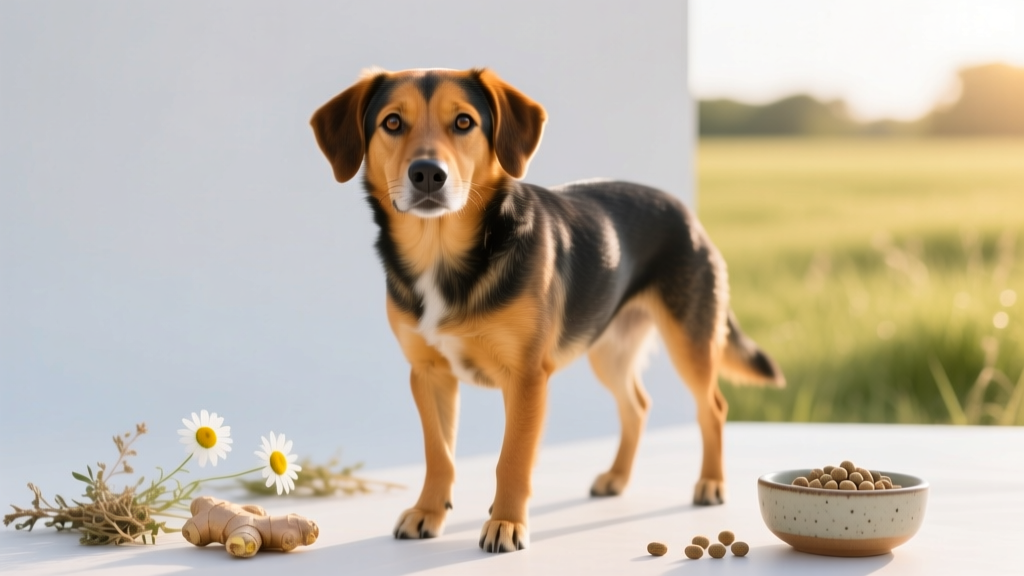
Using Pumpkin in Dog Food for Diarrhea: A Complete Treatment Guide
Learn how to safely use pumpkin in dog food for diarrhea, including dosages, when it works, when to see the vet, and full diagnostic and treatment costs.

If your dog is dealing with loose stools, you've probably heard the advice: add pumpkin to their food. But pumpkin isn't a cure-all, and knowing when it helps versus when your dog needs real veterinary intervention can mean the difference between a quick recovery and a missed diagnosis of something serious. Diarrhea in dogs is one of the most common reasons for veterinary visits, accounting for an estimated 20-30% of all primary care appointments according to veterinary epidemiological data. It's defined as the passage of abnormally loose or watery stools more frequently than normal, and it can stem from dietary indiscretion, infections, parasites, inflammatory conditions, or systemic disease.
This guide covers exactly how pumpkin in dog food for diarrhea works, when it's appropriate as a home management tool, and — critically — when you need to skip the pantry and head straight to the clinic.
What Is Diarrhea in Dogs and Why Does It Happen?
Canine diarrhea isn't a disease itself — it's a clinical sign of gastrointestinal (GI) disturbance. The Merck Veterinary Manual classifies it broadly into two categories:
- Small bowel diarrhea: Large-volume, watery stools passed 2-4 times daily, often with urgency but no straining. May include weight loss and poor nutrient absorption.
- Large bowel (colonic) diarrhea: Small-volume, frequent stools (5+ times daily) with mucus, straining, and sometimes fresh blood streaks.
Common causes include dietary indiscretion (eating garbage, table scraps, or sudden food changes), parasitic infections (Giardia, Coccidia, hookworms), bacterial overgrowth, viral infections (parvovirus in unvaccinated dogs), stress colitis, food allergies or intolerances, inflammatory bowel disease (IBD), exocrine pancreatic insufficiency (EPI), and systemic conditions like kidney or liver disease.
Acute diarrhea — lasting less than 48-72 hours in an otherwise healthy adult dog — is where pumpkin as a supportive measure has the strongest evidence base. Chronic diarrhea (lasting more than 2-3 weeks) requires veterinary workup regardless of home interventions.
Symptom Checklist: Recognizing Severity Levels
| Severity Level | Symptoms | Action Required |
|---|---|---|
| Mild (Monitor at Home) | 1-3 loose stools in 24 hours Normal appetite and energy No vomiting No blood in stool Normal gum color (pink) | Withhold food 12 hours, then bland diet with pumpkin. Monitor closely for 48 hours. |
| Moderate (Call Vet for Advice) | 4+ loose stools in 24 hours Mild lethargy Decreased appetite Occasional vomiting Mild straining | Call your vet's office during business hours. They may recommend bringing in a stool sample. |
| Severe (Emergency Vet Visit) | Profuse watery or bloody diarrhea Vomiting multiple times Lethargy or collapse Pale or tacky gums Abdominal pain or bloating Fever (rectal temp > 103.5°F / 39.7°C) Signs of dehydration (skin tent, sunken eyes) | Go to emergency vet immediately. Do not wait. |
Pay particular attention to hemorrhagic gastroenteritis (HGE), now more commonly called acute hemorrhagic diarrhea syndrome (AHDS). This condition causes sudden onset of raspberry-jam-like bloody diarrhea and can become life-threatening within hours, especially in small breeds. It requires aggressive IV fluid therapy and is not a situation for home management with pumpkin.
Risk Factors: Which Dogs Are Most Vulnerable?
High-Risk Groups for Complicated Diarrhea
- Puppies under 6 months: Immature immune systems make them susceptible to parvovirus, parasites, and rapid dehydration. A puppy with diarrhea can deteriorate in 12-24 hours.
- Senior dogs (8+ years): Higher risk of underlying conditions (kidney disease, cancer, IBD) presenting as chronic diarrhea.
- Small and toy breeds: Chihuahuas, Yorkshire Terriers, and Pomeranians dehydrate faster and are prone to hypoglycemia during GI illness.
- Unvaccinated or under-vaccinated dogs: Parvovirus and distemper remain serious threats, particularly in puppies who haven't completed their DHPP series (typically finished by 16-18 weeks).
- Dogs on immunosuppressive medications: Steroids, chemotherapy agents, or dogs with Cushing's disease have compromised GI barriers.
- Breed predispositions: German Shepherds (EPI, IBD), Boxers (histiocytic ulcerative colitis), Soft-Coated Wheaten Terriers (protein-losing enteropathy), and Basenjis (immunoproliferative enteropathy).
Environmental risk factors include access to garbage or compost, frequenting dog parks (parasite exposure), recent boarding or travel (stress colitis, novel pathogens), and recent antibiotic use (disruption of normal gut flora leading to dysbiosis).
How Pumpkin in Dog Food for Diarrhea Actually Works
Pumpkin helps manage mild diarrhea through its fiber content — specifically, its mix of soluble and insoluble fiber. Here's the mechanism:
- Soluble fiber absorbs excess water in the intestinal tract, adding bulk to loose stools and slowing transit time. It also serves as a prebiotic, feeding beneficial gut bacteria.
- Insoluble fiber adds physical bulk that helps normalize stool form and promotes regular peristalsis.
Plain canned pumpkin (not pumpkin pie filling) contains approximately 7 grams of fiber per cup and is rich in potassium, vitamin A, and iron. A 2021 review in the Journal of Animal Physiology and Animal Nutrition noted that dietary fiber supplementation, including from plant sources like pumpkin, showed measurable improvements in stool consistency scores in dogs with mild, uncomplicated diarrhea.
Safe Serving Sizes by Dog Weight
| Dog Weight | Pumpkin Serving (per meal) | Maximum Daily Amount |
|---|---|---|
| Under 10 lb (4.5 kg) | 1 teaspoon | 2 teaspoons |
| 10-25 lb (4.5-11 kg) | 1 tablespoon | 2 tablespoons |
| 25-50 lb (11-23 kg) | 1-2 tablespoons | 3-4 tablespoons |
| 50-75 lb (23-34 kg) | 2-3 tablespoons | 4-6 tablespoons |
| Over 75 lb (34+ kg) | 3-4 tablespoons | 6-8 tablespoons |
Critical preparation rules: Use only plain, 100% pure canned pumpkin — check the label to confirm the only ingredient is pumpkin. Never use pumpkin pie filling, which contains xylitol (a sugar substitute that is highly toxic to dogs and can cause fatal hypoglycemia and liver failure), nutmeg, cinnamon, and added sugars. If you suspect xylitol ingestion, contact the ASPCA Animal Poison Control Center at (888) 426-4435 immediately (a consultation fee applies).
Fresh-cooked pumpkin (steamed or baked, no seasoning) is also safe and nutritionally equivalent. Avoid raw pumpkin, which is harder to digest. Pumpkin seeds can be offered as a treat in small quantities (they contain cucurbitin, an amino acid with mild anti-parasitic properties), but they are not a substitute for veterinary deworming.
Diagnosis: What to Expect at the Veterinary Clinic
Typical Diagnostic Workup for Canine Diarrhea
- Physical examination ($50-$90): The vet will assess hydration status (skin tent test, mucous membrane moisture), abdominal palpation for pain or foreign bodies, rectal temperature, and overall body condition score (BCS).
- Fecal flotation and direct smear ($35-$75): Checks for parasite eggs (roundworm, hookworm, whipworm), Giardia cysts, and Coccidia oocysts. A direct saline smear can identify motile organisms. This is typically the first-line diagnostic for any diarrhea case.
- Fecal ELISA antigen test ($40-$65): More sensitive than flotation for detecting Giardia and sometimes Cryptosporidium. Many clinics run this as a SNAP test with results in 10-15 minutes.
- Complete blood count (CBC) and biochemistry panel ($120-$250): Recommended if diarrhea is severe, bloody, or accompanied by systemic signs. Evaluates white blood cell counts (infection, inflammation), red blood cells (anemia from blood loss), organ function (kidney, liver, pancreas), and electrolyte levels.
- Canine parvovirus SNAP test ($45-$75): Run on any unvaccinated or puppy patient presenting with bloody diarrhea and vomiting. Results in 10-15 minutes.
- Abdominal imaging — X-rays or ultrasound ($200-$500): Indicated when foreign body obstruction, intussusception (telescoping of the intestine), or masses are suspected. Ultrasound is more sensitive for evaluating intestinal wall layers and mesenteric lymph nodes.
- Specialized testing (as needed): TLI (trypsin-like immunoreactivity) for EPI ($80-$120), cobalamin/folate levels for SIBO ($60-$100), pancreatic lipase (Spec cPL) for pancreatitis ($80-$130), or intestinal biopsies via endoscopy ($1,500-$3,000) for chronic cases unresponsive to initial treatment.
For a straightforward case of acute dietary indiscretion diarrhea, your total diagnostic cost may be as low as $85-$165 (exam + fecal test). For a complex chronic case requiring bloodwork, imaging, and specialized panels, expect $500-$1,200 in initial diagnostics alone.
Treatment Options: From Pumpkin to Prescription
| Treatment | Best For | How It Works | Typical Cost | Success Rate / Notes |
|---|---|---|---|---|
| Pumpkin + bland diet | Mild, acute diarrhea in healthy adult dogs | Fiber absorbs excess water; bland food rests the GI tract | $5-$15 (canned pumpkin + chicken/rice) | High for simple dietary indiscretion; most cases resolve in 2-3 days |
| Probiotics (e.g., Purina FortiFlora, Proviable-DC) | Antibiotic-associated diarrhea, stress colitis, post-infection recovery | Restores beneficial gut microbiota; some strains produce short-chain fatty acids that nourish colonocytes | $25-$45 for a 30-day supply | Studies show reduced duration of diarrhea by 1-2 days vs. placebo |
| Prescription GI diets (Hill's i/d, Royal Canin GI, Purina EN) | Moderate acute diarrhea, chronic enteropathies, food-responsive diarrhea | Highly digestible, low-residue formulations; some contain hydrolyzed proteins to reduce immune reactivity | $60-$100 per case/bag | Food-responsive enteropathy accounts for 60-70% of chronic diarrhea cases in dogs trialed on elimination diets |
| Metronidazole or tylosin (antibiotics) | Bacterial overgrowth, confirmed infectious causes, refractory cases | Reduces pathogenic bacterial load; metronidazole also has anti-inflammatory effects on the gut | $15-$50 per course | Effective when bacterial etiology confirmed; overuse contributes to resistance — AVMA recommends culture-guided therapy |
| Deworming (fenbendazole, pyrantel) | Confirmed parasitic infections | Eliminates roundworms, hookworms, whipworms, Giardia | $20-$60 per treatment course | High cure rate for most parasites; Giardia may require repeat treatment |
| IV fluid therapy + hospitalization | Severe dehydration, AHDS, parvovirus | Corrects fluid deficits, electrolyte imbalances; allows NPO (nothing by mouth) gut rest | $500-$2,500 per day | Parvovirus survival rate with aggressive treatment: 80-95%; without treatment: < 10% |
| Immunosuppressants (prednisone, budesonide, cyclosporine) | Confirmed IBD, immune-mediated enteropathy | Suppress aberrant immune response in the gut lining | $30-$150/month ongoing | 70-80% of IBD dogs achieve clinical remission with appropriate immunosuppression + dietary management |
The Bland Diet Protocol with Pumpkin
For mild, uncomplicated diarrhea in an otherwise healthy adult dog, the standard home management protocol is:
- Fast for 12 hours (water available at all times). Do NOT fast puppies, toy breeds, or diabetic dogs — they risk hypoglycemia. For these dogs, skip fasting and go directly to small, frequent bland meals.
- Prepare a bland diet: Boiled, skinless, boneless chicken breast (or lean ground turkey) mixed with white rice in a 1:2 ratio (one part protein to two parts rice). Add the appropriate serving of plain canned pumpkin.
- Feed small meals — approximately 1/4 to 1/3 of the dog's normal meal volume — every 3-4 hours for the first 24 hours.
- Gradually increase portion size and decrease feeding frequency over 2-3 days as stools firm up.
- Transition back to regular food over 3-5 days by mixing increasing proportions of the regular diet with the bland diet (25% regular/75% bland → 50/50 → 75/25 → 100% regular).
Most mild cases resolve within 48-72 hours on this protocol. If diarrhea persists beyond 72 hours, worsens, or is accompanied by any red-flag symptoms, veterinary evaluation is required.
When to See the Vet: Red Flags You Cannot Ignore
Go to the Vet Immediately If Your Dog Shows:
- Bloody diarrhea (bright red streaks or dark, tarry stools indicating digested blood)
- Diarrhea accompanied by repeated vomiting
- Signs of dehydration: dry/tacky gums, skin that doesn't snap back when gently pinched, sunken eyes
- Lethargy, weakness, or collapse
- Abdominal pain — hunched posture, whining when touched, guarding the belly
- Fever above 103.5°F (39.7°C) or hypothermia below 99°F (37.2°C)
- Known or suspected ingestion of a foreign object (toys, socks, bones, corn cobs)
- Known exposure to parvovirus (unvaccinated dog at a park, shelter, or breeding facility)
- No improvement after 48-72 hours of home management
- Diarrhea in puppies under 6 months of age — always err on the side of veterinary care
- Weight loss accompanying chronic or recurring diarrhea
When in doubt, call your veterinarian. It is always better to have a professional assess your dog than to delay treatment for a condition that could escalate rapidly. Your vet can also guide you on whether a stool sample should be brought in for analysis.
Cost of Diarrhea Treatment: What to Budget For
| Scenario | Typical Total Cost | What's Included |
|---|---|---|
| Mild acute (home care only) | $5-$50 | Canned pumpkin, chicken, rice, optional OTC probiotics. No vet visit needed if resolved in 48-72 hours. |
| Moderate acute (single vet visit) | $150-$400 | Office exam, fecal flotation, dewormer if needed, prescription GI diet sample, anti-nausea injection (Cerenia: $25-$40). |
| Severe acute (emergency visit) | $800-$3,000 | Emergency exam, CBC/chemistry, parvo test, abdominal X-rays, IV fluids, injectable medications, 12-24 hour hospitalization. |
| Parvovirus (full treatment) | $1,500-$5,000+ | Multi-day hospitalization, IV fluids, antibiotics, anti-emetics, plasma transfusion in severe cases, isolation facility fees. |
| Chronic diarrhea (full workup) | $800-$2,500 initial + $50-$200/month ongoing | Comprehensive bloodwork, fecal panel, imaging, food trials, possible biopsies, prescription diet, probiotics, immunosuppressants if IBD confirmed. |
| Foreign body obstruction | $2,000-$7,000 | Diagnostic imaging, surgical removal (enterotomy), hospitalization, post-operative care. |
These ranges reflect national averages in the US for 2025-2026. Costs vary significantly by region, with urban and coastal areas typically running 20-40% higher than rural clinics. Emergency and specialty hospitals charge premium rates, particularly for after-hours visits. Pet insurance can offset 70-90% of these costs depending on your plan — if you don't have coverage, ask your vet about CareCredit or Scratchpay payment plans.
Prognosis and Recovery Timeline
Prognosis depends entirely on the underlying cause:
- Simple dietary indiscretion: Excellent prognosis. Most dogs recover fully within 2-5 days with supportive care (bland diet + pumpkin). No long-term effects expected.
- Parasitic infections: Excellent prognosis with appropriate deworming. Giardia may require 2-3 treatment rounds. Recheck fecal at 2-4 weeks post-treatment to confirm clearance.
- Bacterial enteritis: Good prognosis with targeted antibiotic therapy. Resolution typically in 7-14 days.
- Parvovirus (treated): Survival rate of 80-95% with aggressive inpatient treatment. Dogs that survive the first 3-4 days of hospitalization have an excellent chance of full recovery. Lifelong immunity typically follows natural infection.
- Parvovirus (untreated): Mortality rate exceeds 90%. This is why vaccination and prompt veterinary care are non-negotiable.
- AHDS (hemorrhagic gastroenteritis): Good prognosis with prompt IV fluid therapy — most dogs recover in 2-5 days. Without treatment, mortality is significant due to hypovolemic shock.
- IBD/chronic enteropathy: Variable. Many dogs achieve long-term remission with dietary management and medication, but IBD is typically managed rather than cured. Some dogs require lifelong prescription diets and periodic medication adjustments.
- Intestinal lymphoma or other GI cancers: Guarded prognosis. Low-grade lymphoma may respond to treatment with survival times of 12-24+ months; high-grade lymphoma has a shorter median survival of 6-12 months even with chemotherapy.
Prevention: Keeping Your Dog's Gut Healthy
While not all causes of diarrhea are preventable, you can significantly reduce risk with these strategies:
- Maintain consistent diet: Avoid sudden food changes. When switching brands or formulas, transition over 7-10 days (25% new/75% old → 50/50 → 75/25 → 100% new).
- Complete vaccination series: Ensure your puppy finishes the full DHPP series (typically at 8, 12, and 16 weeks) and receives annual or triennial boosters as recommended by your vet. Parvovirus vaccination is one of the most effective preventive measures available.
- Regular fecal testing: The AVMA recommends fecal examinations 1-2 times per year for adult dogs and 3-4 times per year for puppies, even if on monthly heartworm/intestinal parasite preventives.
- Monthly parasite prevention: Products like Interceptor Plus, Sentinel, or NexGard Plus cover intestinal parasites in addition to heartworm and fleas/ticks.
- Limit scavenging: Train a reliable "leave it" cue using positive reinforcement. Keep trash cans secured with lids. Avoid letting your dog drink from puddles or stagnant water (Giardia risk).
- Manage stress: For dogs prone to stress colitis (common in shelter transitions, boarding, or household changes), preemptive probiotic supplementation and maintaining routine can reduce flare-ups.
- Consider daily pumpkin supplementation: For dogs with a history of sensitive stomachs, adding a small daily serving of pumpkin (at the lower end of the weight-based serving chart above) to their regular food can help maintain stool consistency. Many owners find this reduces the frequency of mild diarrheal episodes.
Frequently Asked Questions
Can I give my dog pumpkin every day to prevent diarrhea?
Yes, in appropriate serving sizes, daily pumpkin is safe for most dogs and can support digestive regularity. Use the lower end of the serving chart (e.g., 1 teaspoon per meal for a small dog, 1-2 tablespoons for a large dog). However, excessive fiber can interfere with the absorption of fat-soluble vitamins and cause gas or constipation. If your dog is on a complete and balanced commercial diet, pumpkin should be a supplement, not a dietary staple replacing formulated nutrition.
Is pumpkin pie filling dangerous for dogs?
Yes, pumpkin pie filling can be extremely dangerous. Many formulations contain xylitol (also labeled as birch sugar or birch sap), which causes rapid insulin release in dogs leading to life-threatening hypoglycemia within 30-60 minutes, and potential liver failure within 24-72 hours. Even xylitol-free pie filling contains spices, sugars, and additives that can worsen GI upset. Always use plain, 100% pure canned pumpkin with no added ingredients.
How long does it take for pumpkin to firm up my dog's stool?
Most owners see improvement in stool consistency within 12-24 hours of adding pumpkin to a bland diet. If there is no improvement after 48 hours of pumpkin + bland diet management, or if symptoms worsen at any point, consult your veterinarian. Persistent diarrhea may indicate an underlying condition that fiber alone cannot address.
Can pumpkin help with constipation too?
Interestingly, yes — pumpkin's fiber content can help with both diarrhea and mild constipation. For diarrhea, the soluble fiber absorbs excess water. For constipation, the fiber adds moisture and bulk to stimulate peristalsis. However, ensure your dog is well-hydrated when using pumpkin for constipation, as fiber without adequate water intake can worsen the problem. If constipation persists beyond 48 hours, seek veterinary care — it may indicate obstruction, megacolon, or neurological issues.
What are the best commercial dog foods with pumpkin for sensitive stomachs?
Several reputable brands include pumpkin in their limited-ingredient or sensitive stomach formulas. Look for options that carry an AAFCO statement of complete and balanced nutrition: Blue Buffalo Basics Limited Ingredient Diet Turkey & Potato with Pumpkin, Wellness Simple Limited Ingredient Diet Salmon & Pumpkin, and Natural Balance LID Sweet Potato & Fish with Pumpkin. These typically range from $55-$85 for a 24 lb bag. Always check the guaranteed analysis for minimum 22% crude protein (adult maintenance) and look for named protein sources as the first ingredient.
Should I fast my dog before giving pumpkin for diarrhea?
A 12-hour fast (with water available) is appropriate for healthy adult dogs before starting a bland diet with pumpkin. This gives the GI tract a brief rest period. Do NOT fast puppies under 6 months, toy breeds under 10 lb, dogs with diabetes, or dogs with known metabolic conditions. For these animals, go directly to small, frequent bland meals with pumpkin added.
My dog's diarrhea keeps coming back — is pumpkin enough?
Recurring or chronic diarrhea (more than 2-3 episodes per month, or lasting more than 2-3 weeks) is not something pumpkin alone should be relied upon to manage. Chronic diarrhea can indicate food allergies, IBD, EPI, Addison's disease, intestinal parasites that were incompletely treated, or early neoplasia. Your veterinarian will likely recommend a comprehensive diagnostic workup including bloodwork, fecal panel, dietary elimination trial, and possibly imaging or biopsies to identify the root cause.
Disclaimer: This article is for informational purposes only and does not replace professional veterinary advice. Always consult your veterinarian for diagnosis and treatment of your dog's health conditions. If you suspect your dog has ingested a toxic substance, contact the ASPCA Animal Poison Control Center at (888) 426-4435 or the Pet Poison Helpline at (855) 764-7661 immediately.
Anouk Beaumont
All our authors care for dogs every day — read more of their work on the authors page.