Pumpkin Dog Cookie Recipe: Vet-Approved Treats & Nutrition Guide
Bake safe, nutritious pumpkin dog cookies with our vet-reviewed recipe.

Why Pumpkin Makes an Excellent Dog Treat Base
Pumpkin has become a staple in canine nutrition for good reason. According to the Merck Veterinary Manual, cooked pumpkin provides soluble fiber that supports healthy digestion, helps regulate stool consistency, and delivers beta-carotene (a precursor to vitamin A), potassium, and vitamin C. When used as a treat ingredient — not a meal replacement — pumpkin is safe for most dogs across life stages.
This guide gives you a tested recipe for dog cookies with pumpkin, plus the nutritional framework you need to fit homemade treats into a balanced diet. We'll cover calorie budgeting, supplement considerations, what to avoid, and how to transition your dog safely.
The Recipe: Pumpkin Dog Cookies (Yield: ~30 cookies)
This recipe uses simple, dog-safe ingredients with no added sugar, salt, or xylitol. Each cookie is approximately 25-30 calories depending on size.
Ingredients
- 1 cup (245 g) pure pumpkin purée (NOT pumpkin pie filling — pie filling contains spices and sugar that are unsafe for dogs)
- 2 large eggs (protein binder, ~155 calories total)
- ⅓ cup (80 mL) unsalted, xylitol-free peanut butter (check label carefully — xylitol is extremely toxic to dogs)
- 2½ cups (300 g) whole wheat flour (substitute oat flour or rice flour for gluten-sensitive dogs)
- 1 teaspoon ground cinnamon (optional, safe in small amounts)
Instructions
- Preheat oven to 350°F (177°C). Line a baking sheet with parchment paper.
- In a large bowl, combine pumpkin purée, eggs, and peanut butter. Mix until smooth.
- Gradually add flour and cinnamon, stirring until a stiff dough forms. If the dough is too sticky, add flour 1 tablespoon at a time.
- Roll dough to ¼-inch thickness on a floured surface. Cut with cookie cutters or a knife into bite-sized pieces (aim for 1-2 inch squares for small dogs, 2-3 inch for large dogs).
- Place on baking sheet and bake for 20-25 minutes until firm and lightly golden.
- Cool completely on a wire rack. Store in an airtight container in the refrigerator for up to 2 weeks, or freeze for up to 3 months.
Nutritional Breakdown (Per Cookie, ~10 g)
| Nutrient | Amount per Cookie | % of Treat |
|---|---|---|
| Calories | 27 kcal | — |
| Crude Protein | 1.1 g | ~16% |
| Crude Fat | 0.9 g | ~30% of calories |
| Carbohydrates | 3.4 g | ~50% of calories |
| Fiber | 0.4 g | — |
| Moisture | ~4% | — |
How Homemade Treats Fit Into Your Dog's Daily Nutrition
The single most important rule for homemade treats: they must not exceed 10% of your dog's total daily caloric intake. The remaining 90%+ should come from a complete-and-balanced commercial diet that meets AAFCO (Association of American Feed Control Officials) standards.
Daily Calorie Requirements by Weight and Life Stage
| Dog Weight | Adult (Inactive/Senior) | Adult (Moderate Activity) | Adult (Highly Active/Working) |
|---|---|---|---|
| 10 lb / 4.5 kg | 245 kcal/day | 340 kcal/day | 475 kcal/day |
| 25 lb / 11 kg | 490 kcal/day | 680 kcal/day | 950 kcal/day |
| 50 lb / 23 kg | 820 kcal/day | 1,140 kcal/day | 1,595 kcal/day |
| 75 lb / 34 kg | 1,110 kcal/day | 1,540 kcal/day | 2,155 kcal/day |
| 100 lb / 45 kg | 1,375 kcal/day | 1,910 kcal/day | 2,670 kcal/day |
Treat Budget: How Many Pumpkin Cookies Per Day?
| Dog Weight | Max Treat Calories (10%) | Max Pumpkin Cookies/Day |
|---|---|---|
| 10 lb / 4.5 kg | 25-34 kcal | 1 cookie |
| 25 lb / 11 kg | 49-68 kcal | 2 cookies |
| 50 lb / 23 kg | 82-114 kcal | 3-4 cookies |
| 75 lb / 34 kg | 111-154 kcal | 4-5 cookies |
| 100 lb / 45 kg | 138-191 kcal | 5-7 cookies |
Adjustment factors: Puppies under 12 months need 2-3× the calories of an inactive adult of the same projected weight. Intact dogs burn roughly 10-15% more calories than neutered/spayed dogs. Senior dogs (typically 7+ years for large breeds, 10+ for small breeds) often need 15-20% fewer calories due to decreased activity and metabolic slowdown. Always adjust based on body condition, not just weight.
Commercial Treat Alternatives: What to Look For
If baking isn't always practical, here are commercial pumpkin-based dog treats that meet nutritional standards. When evaluating any commercial treat, look for:
- AAFCO nutritional adequacy statement (for treats labeled as "complete and balanced" — most treats won't have this, which is fine if they stay under 10% of calories)
- Named protein source as the first ingredient (chicken, salmon, lamb — not "meat by-products" generically)
- Calorie content listed (kcal per treat) — required on all AAFCO-compliant products
- Guaranteed analysis showing minimum protein %, minimum fat %, maximum fiber %, maximum moisture %
- No artificial preservatives like BHA, BHT, or ethoxyquin
Top Recommended Pumpkin Dog Treats (2026 Pricing)
Price: $7.99-$9.99 (5 oz bag)
Calories: ~29 kcal/treat
Protein: Min 10% | Fat: Min 8%
Key ingredients: Oat flour, pumpkin, peanut butter, cinnamon
Best for: Small to medium dogs, grain-tolerant dogs
Price: $6.49-$8.49 (6 oz bag)
Calories: ~3 kcal/treat
Protein: Min 12% | Fat: Min 4%
Key ingredients: Turkey, rice, pumpkin
Best for: Training sessions (low-calorie, high-value)
Price: $9.99-$12.99 (5 oz bag)
Calories: ~40 kcal/treat
Protein: Min 30% | Fat: Min 15%
Key ingredients: Duck, pumpkin, flaxseed
Best for: Active dogs, high-protein diets
Price: $5.49-$7.99 (10 oz bag)
Calories: ~35 kcal/treat
Protein: Min 14% | Fat: Min 8%
Key ingredients: Whole wheat flour, pumpkin, apples, carrots
Best for: Budget-conscious owners, large dogs
Price: $5.99-$7.49 (5 oz bag)
Calories: ~4 kcal/treat
Protein: Min 8% | Fat: Min 4%
Key ingredients: Pumpkin, cinnamon, vanilla
Best for: Weight management, frequent rewarding
Price: $8.99-$11.49 (4 oz bag)
Calories: ~6 kcal/treat
Protein: Min 18% | Fat: Min 10%
Key ingredients: Chickpea flour, pumpkin, nutritional yeast
Best for: Grain-free diets, allergy-prone dogs
Ingredients to Avoid in Dog Treats
Whether you're baking at home or buying commercial treats, these ingredients should never appear in your dog's cookie jar:
| Ingredient | Risk Level | Why It's Dangerous |
|---|---|---|
| Xylitol (birch sugar) | LIFE-THREATENING | Causes rapid insulin release leading to hypoglycemia and liver failure. Even small amounts can be fatal. If ingested, call ASPCA Poison Control at (888) 426-4435 immediately. |
| Chocolate / cocoa powder | LIFE-THREATENING | Contains theobromine and caffeine. Toxicity depends on cocoa concentration and dog weight. Dark chocolate and baking chocolate are most dangerous. |
| Raisins / grapes | LIFE-THREATENING | Can cause acute kidney failure. Toxic dose is unpredictable — even one raisin warrants a vet call. |
| Macadamia nuts | MODERATE-HIGH | Causes weakness, tremors, vomiting, and hyperthermia. Symptoms typically appear within 12 hours. |
| Nutmeg | MODERATE | Contains myristicin, which can cause hallucinations, increased heart rate, and seizures in large amounts. |
| Onion / garlic powder | MODERATE | Contains N-propyl disulfide, which damages red blood cells and causes hemolytic anemia. Toxicity is cumulative over time. |
| Artificial sweeteners (besides xylitol) | MODERATE | While not all are acutely toxic, they offer no nutritional benefit and may cause GI upset. |
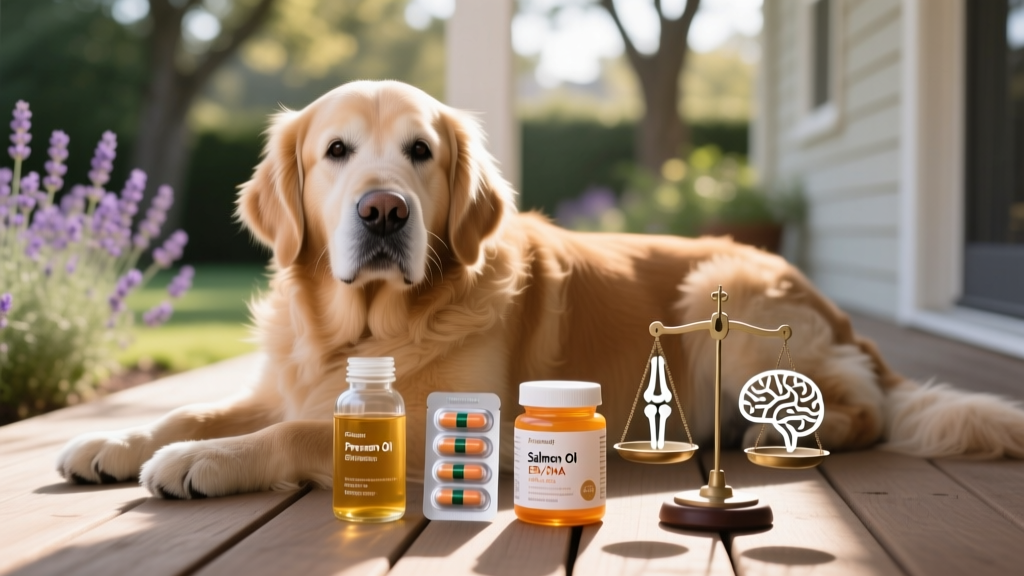
Supplements: Does Your Dog Need Them With Homemade Treats?
For most dogs eating a complete-and-balanced commercial diet, homemade pumpkin cookies don't require additional supplementation. The 90% of their diet from commercial food should already meet all micronutrient needs. However, there are specific situations where targeted supplementation may be beneficial:
| Supplement | When to Consider | Typical Dosage | Notes |
|---|---|---|---|
| Omega-3 fatty acids (fish oil) | Dry skin, dull coat, joint inflammation, senior dogs | 20-55 mg combined EPA/DHA per kg body weight/day | Use veterinary-formulated fish oil. Human supplements may contain unsafe vitamin A or D levels. Refrigerate after opening. |
| Probiotics | Digestive upset, post-antibiotic recovery, stress-related GI issues | 1-10 billion CFU/day depending on dog size | Look for canine-specific strains: Enterococcus faecium SF68, Lactobacillus acidophilus. Not all probiotics survive stomach acid — choose products with enteric coating. |
| Glucosamine + Chondroitin | Senior dogs, large breeds predisposed to joint disease (German Shepherds, Labs, Golden Retrievers) | Glucosamine: 20 mg/lb/day; Chondroitin: 15 mg/lb/day | Takes 4-6 weeks to see effects. Works best as preventive rather than reactive. |
| Pumpkin fiber supplement | Chronic soft stool or mild constipation | 1-4 tablespoons plain canned pumpkin per meal (by dog size) | Not a replacement for veterinary diagnosis of chronic GI issues. Rule out parasites, IBD, and food allergies first. |
When NOT to supplement: If your dog is under 12 months old, pregnant/nursing, or has kidney disease, liver disease, or cancer — do not add any supplements without explicit veterinary guidance. Excess calcium in growing puppies can cause orthopedic disease; excess vitamin D in kidney-compromised dogs can accelerate organ damage.
Always consult your veterinarian before starting any supplement regimen. Your vet can run bloodwork to identify actual deficiencies rather than guessing based on symptoms.
Transitioning Treats and Foods: The 7-10 Day Protocol
Even though pumpkin cookies are treats (not a full diet), introducing any new food too quickly can cause GI upset — vomiting, diarrhea, or gas. Here's the standard transition protocol that veterinary nutritionists recommend:
| Days | New Treat/Food Ratio | Old Treat/Food Ratio | What to Watch For |
|---|---|---|---|
| Days 1-2 | 25% | 75% | Normal stool, appetite maintained, no vomiting |
| Days 3-4 | 50% | 50% | Mild gas is common; loose stool lasting >24 hours means slow down |
| Days 5-7 | 75% | 25% | Stool should be firming up; energy levels stable |
| Days 8-10 | 100% | 0% | Full transition complete if no adverse reactions |
Special considerations: Dogs with sensitive stomachs, food allergies, or a history of pancreatitis may need a 14-21 day transition. If your dog develops diarrhea during the transition, drop back to the previous ratio and hold there for 2-3 extra days before advancing. If diarrhea persists beyond 48 hours or contains blood, contact your veterinarian.
Life Stage Considerations for Pumpkin Treats
Puppies (Under 12 Months)
Puppies can have small amounts of pumpkin cookies starting around 12 weeks of age, once they're eating solid food reliably. However, puppies have strict nutritional requirements for growth — their diet needs minimum 22% protein and 8.5% fat on a dry matter basis (per AAFCO growth standards). Treats should make up an even smaller percentage (5% or less) of a puppy's daily calories to avoid displacing the nutrients critical for bone and muscle development. Break cookies into pea-sized pieces for training rewards.
Senior Dogs (7+ Years Large Breed, 10+ Small Breed)
Senior dogs often benefit from pumpkin's fiber content, as age-related GI slowdown can cause constipation. The fiber in these cookies can help maintain regularity. However, senior dogs with kidney disease need phosphorus-restricted diets — peanut butter is moderately high in phosphorus (about 95 mg per tablespoon), so consider substituting unsweetened applesauce for peanut butter in the recipe. Senior dogs also tend to be less active, so reduce treat portions to match their lower caloric needs.
Dogs With Food Allergies or Sensitivities
The most common canine food allergens are beef, dairy, chicken, wheat, soy, and lamb. If your dog has a known wheat allergy, substitute the whole wheat flour with oat flour, rice flour, or coconut flour (note: coconut flour absorbs more moisture, so add an extra egg or 2 tablespoons of water). For chicken-egg allergies, replace eggs with a flax egg (1 tablespoon ground flaxseed + 3 tablespoons water per egg, let sit 5 minutes to gel).
Overweight Dogs and Weight Management
Pumpkin is an excellent treat base for overweight dogs because it's low in calories and high in fiber, which promotes satiety. For dogs on a weight loss plan, reduce the peanut butter in the recipe by half and replace it with an equal volume of unsweetened applesauce. This cuts each cookie's calorie count from ~27 kcal to ~18 kcal. A 50 lb dog on a weight loss plan typically needs 700-800 kcal/day (about 20-30% less than maintenance), so treats must be counted meticulously.
Monitoring Your Dog's Response: Body Condition and Health Markers
Whether you're feeding homemade pumpkin cookies or any new treat, monitor these four indicators over the first 2-4 weeks:
1. Body Condition Score (BCS)
Use the 9-point BCS scale (Purina/WSAVA standard). A dog at ideal weight scores 4-5/9: ribs easily felt without excess fat covering, visible waist from above, abdominal tuck visible from the side. If your dog's BCS increases after adding regular treats, reduce treat quantity or cut calories from the main meal. WSAVA Body Condition Score chart is a useful visual reference.
2. Stool Quality
Use the 4-point stool scoring system: Score 1 (hard, dry pellets) indicates constipation — pumpkin should help. Score 2 (firm, formed, easy to pick up) is ideal. Score 3 (soft, formed but loses shape) may indicate too much fiber or a food sensitivity. Score 4 (liquid, no form) requires veterinary attention if it persists beyond 24-48 hours. Pumpkin's fiber typically helps dogs move toward Score 2, but too much can push them to Score 3.
3. Coat and Skin Quality
A healthy coat should be shiny without excessive shedding, and skin should be free of flakes, redness, or hot spots. If you notice increased itching, dull coat, or flaky skin after introducing new treats, a food sensitivity to one of the ingredients (peanut butter, wheat, eggs) may be the cause. Eliminate ingredients one at a time to identify the culprit.
4. Energy and Behavior
Treats should not cause hyperactivity, lethargy, or behavioral changes. If your dog seems unusually tired, restless, or shows signs of abdominal discomfort (prayer position, pacing, whining), discontinue the treats and consult your veterinarian.
Frequently Asked Questions
Can I use fresh pumpkin instead of canned purée?
Yes. Roast fresh sugar pumpkin (not carving pumpkins, which are stringy and bland) at 375°F for 45-60 minutes until soft, then scoop out the flesh and purée in a food processor. Measure 1 cup of purée for the recipe. Avoid raw pumpkin — it's difficult to digest and the hard chunks can be a choking hazard, especially for small dogs.
Are these cookies safe for dogs with pancreatitis?
Proceed with caution. Pancreatitis requires a strict low-fat diet (typically under 10% fat on a dry matter basis). The peanut butter in this recipe contributes significant fat. For pancreatitis-prone dogs, substitute the peanut butter entirely with mashed banana or unsweetened applesauce, which reduces fat content substantially. Always consult your veterinarian before offering any treats to a dog with a pancreatitis history.
How long do these pumpkin dog cookies last?
Because they contain no artificial preservatives, these cookies last about 5-7 days at room temperature in an airtight container, 2 weeks refrigerated, or 3 months frozen. If you notice any mold, off-odors, or discoloration, discard immediately. To extend shelf life, you can add ¼ teaspoon of mixed tocopherols (vitamin E) as a natural preservative.
Can cats eat these pumpkin cookies?
While the individual ingredients aren't toxic to cats, this recipe isn't nutritionally appropriate for felines. Cats are obligate carnivores with very different nutritional needs (higher protein, taurine requirement, no carbohydrate requirement). Stick to cat-specific treats for your feline friends.
My dog ate a whole batch of cookies — should I panic?
If your dog ate 15-30 cookies, the primary concern is GI upset (vomiting, diarrhea, gas) from overeating rather than toxicity. The ingredients in this recipe aren't individually dangerous. However, the caloric load is significant — 30 cookies at ~27 kcal each is ~810 kcal, which could represent multiple days' worth of calories for a small dog. Withhold food for the next meal, provide plenty of fresh water, and monitor for vomiting or diarrhea. If vomiting persists beyond 12 hours, or if your dog appears bloated, lethargic, or in pain, contact your veterinarian immediately — large-breed dogs are at risk for gastric dilatation-volvulus (bloat) after gorging.
Can I add CBD oil or other supplements to the cookie dough?
We do not recommend adding CBD oil, medications, or concentrated supplements to baked treats. Heat can degrade active compounds (CBD loses potency above 340°F), and dosing becomes inconsistent across cookies. If your dog needs CBD or supplements, administer them separately using measured doses recommended by your veterinarian.
Is this recipe suitable for diabetic dogs?
Pumpkin has a moderate glycemic index, and the flour in this recipe contributes carbohydrates that can affect blood sugar. For diabetic dogs, consult your veterinarian before introducing any carbohydrate-rich treats. A modified version using almond flour or coconut flour (lower glycemic impact) and omitting peanut butter may be more appropriate, but insulin dosing may need adjustment.
Tom Renshaw
All our authors care for dogs every day — read more of their work on the authors page.