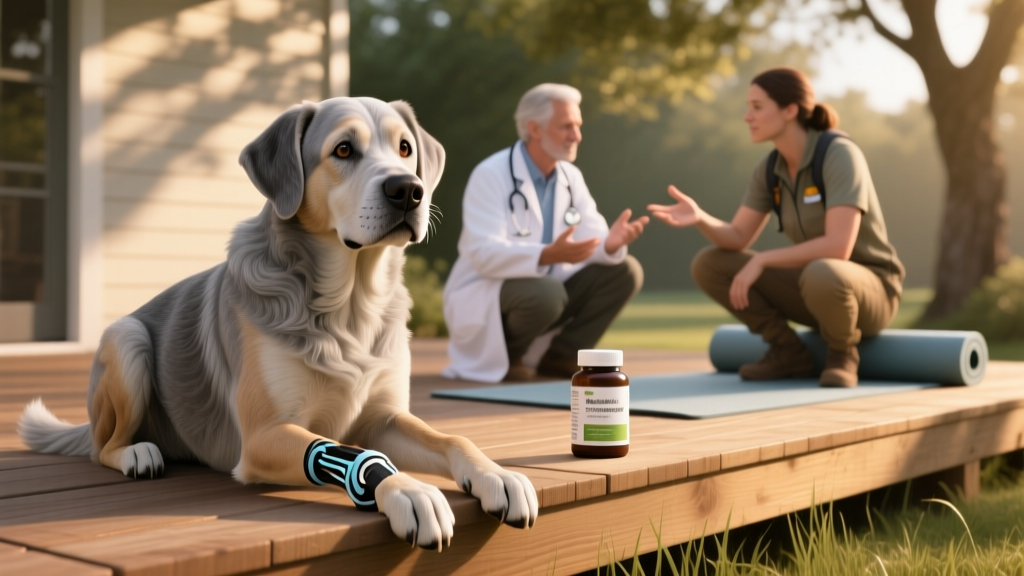
Probiotic for Dog Diarrhea: A Complete Treatment & Recovery Guide
Learn how a probiotic for dog diarrhea works, when to use one, vet-recommended strains, dosages, and when diarrhea signals a serious underlying condition.

Understanding Canine Diarrhea and the Role of Probiotics
Canine diarrhea is one of the most common gastrointestinal complaints seen in veterinary clinics, affecting an estimated 20-30% of dogs at some point each year. It is defined as the passage of abnormally loose, watery, or unformed stools occurring more frequently than normal. Causes range from dietary indiscretion and stress to parasitic infections, bacterial overgrowth, food intolerances, and systemic diseases like inflammatory bowel disease (IBD) or exocrine pancreatic insufficiency (EPI).
A probiotic for dog diarrhea is a supplement containing live microorganisms — typically strains of Lactobacillus, Bifidobacterium, Enterococcus, or the yeast Saccharomyces boulardii — designed to restore healthy gut flora balance. According to the Merck Veterinary Manual, disruption of the intestinal microbiome (dysbiosis) is both a cause and a consequence of diarrhea, making probiotic supplementation a logical supportive therapy.
Probiotics are not a standalone cure for all causes of diarrhea. They work best as part of a broader treatment plan that may include dietary modification, fluid therapy, antiparasitics, or antibiotics — depending on the underlying cause identified by your veterinarian.
Symptoms of Diarrhea in Dogs: Early Warning Signs vs. Advanced Indicators
Not all diarrhea is created equal. Understanding the severity spectrum helps you decide whether to monitor at home or seek emergency veterinary care.
| Severity Level | Symptoms | Action Required |
|---|---|---|
| Early / Mild | Soft or unformed stools (1-2 episodes), normal energy level, appetite intact, no blood or mucus | Monitor at home 24-48 hours; consider probiotic; bland diet |
| Moderate | 3+ loose stools in 24 hours, mild lethargy, reduced appetite, mucus in stool, straining | Schedule vet appointment within 24 hours |
| Advanced / Severe | Watery or projectile diarrhea, visible blood (hematochezia or melena), vomiting, fever (>103.5°F / 39.7°C), collapse, pale gums, signs of dehydration (skin tent, dry gums) | Emergency vet visit immediately |
Pay particular attention to puppies under 6 months, senior dogs over 10 years, and small-breed dogs under 15 lb (6.8 kg) — these populations dehydrate rapidly and can deteriorate within hours.
Risk Factors: Which Dogs Are Most Prone to Recurrent Diarrhea?
- Age: Puppies (immature immune systems, high parasite exposure) and seniors (decreased GI motility, comorbidities)
- Breed predisposition: German Shepherds (EPI, IBD), Boxers (histiocytic ulcerative colitis), Yorkshire Terriers (protein-losing enteropathy), Labrador Retrievers (food sensitivities), Shar-Peis (IgA deficiency)
- Environment: Multi-dog households, kennels, dog parks, shelter dogs — higher exposure to parasites and infectious agents
- Diet: Abrupt food transitions, high-fat diets, table scraps, grain sensitivities
- Medications: NSAIDs, antibiotics (disrupt normal flora), corticosteroids
- Stress: Boarding, travel, new pets, thunderstorms — stress colitis is well-documented in dogs
- Weight: Obese dogs (BCS 7-9/9) have altered gut microbiome diversity, increasing GI vulnerability
German Shepherds deserve special mention. Research published in the American Journal of Veterinary Research has identified breed-specific dysbiosis patterns in GSDs, making them disproportionately affected by chronic diarrhea conditions. If you own a predisposed breed, having a veterinarian-recommended probiotic on hand is practical preventive medicine.
How Veterinarians Diagnose the Cause of Diarrhea
Before reaching for a probiotic, your vet needs to identify why your dog has diarrhea. The diagnostic process typically follows a tiered approach:
- Physical exam & history ($50-$90): Body condition scoring, hydration assessment, abdominal palpation, temperature, dietary and medication history review
- Fecal analysis ($35-$75): Fecal flotation for parasites (Giardia, coccidia, hookworms, whipworms), fecal smear for bacterial overgrowth, fecal ELISA for parvovirus in puppies
- Blood work ($80-$200): Complete blood count (CBC) and serum biochemistry panel to assess organ function, protein levels, electrolytes, and inflammatory markers
- Advanced testing (if chronic or severe):
- Canine pancreatic lipase (Spec cPL) — $120-$180 — rules out pancreatitis
- TLI (trypsin-like immunoreactivity) — $90-$140 — screens for EPI
- Cobalamin/folate levels — $70-$120 — assesses small intestinal bacterial overgrowth (SIBO)
- Abdominal ultrasound — $300-$600 — evaluates intestinal wall thickness, lymph nodes, organs
- Endoscopy with biopsy — $1,200-$2,500 — definitive diagnosis for IBD, lymphoma, fungal enteritis
For acute, mild diarrhea in an otherwise healthy adult dog, your vet may skip advanced testing and recommend a therapeutic trial: bland diet plus probiotic for 5-7 days. If symptoms resolve, no further workup is needed. If they persist beyond 7-10 days or recur within 2-3 weeks, the full diagnostic cascade begins.
Treatment Options: Where Probiotics Fit in the Protocol
Treatment depends entirely on the underlying cause. Here is how probiotics integrate into different clinical scenarios:
| Cause of Diarrhea | Primary Treatment | Probiotic Role | Typical Outcome |
|---|---|---|---|
| Dietary indiscretion | Bland diet 3-5 days, fasting 12-24h (adults only) | Primary supportive therapy; restores flora disrupted by irritation | Resolution in 2-5 days (90%+ success) |
| Antibiotic-associated diarrhea | Continue prescribed antibiotics; adjust if possible | Critical — S. boulardii specifically prevents antibiotic-induced dysbiosis; give 2 hours apart from antibiotic | Significantly reduced incidence with concurrent probiotic |
| Parasites (Giardia, worms) | Fenbendazole or metronidazole (5-7 day course) | Adjunct — helps rebuild microbiome after antiparasitic treatment | 85-95% cure rate with proper deworming |
| Stress colitis | Environmental management, short-term metronidazole if severe | Preventive — start probiotic 3-5 days before known stressor (boarding, travel) | Good with management; recurrence common without prevention |
| IBD / chronic enteropathy | Hypoallergenic diet, immunosuppressants (budesonide, prednisone) | Long-term adjunct — specific multi-strain formulas may reduce flare frequency | Managed, not cured; variable prognosis depending on severity |
| Parvovirus | Hospitalization, IV fluids, antibiotics, anti-emetics | Recovery phase only — after acute crisis resolves and dog is eating | 68-92% survival with aggressive treatment; <10% without |
Veterinary-Recommended Probiotic Strains for Canine Diarrhea
Not all probiotics are equally effective. The specific strain matters far more than the brand name. Here are the strains with the strongest clinical evidence for canine use:
- Enterococcus faecium SF68 (found in Purina FortiFlora): Most studied canine probiotic; shown to reduce diarrhea duration by 1-2 days in shelter dogs and puppies. Dosage: 1 packet (100 million CFU) daily for dogs of all sizes.
- Bifidobacterium animalis AHC7 (found in Iams ProDigest): Reduces acute diarrhea duration; specifically studied in acute gastroenteritis cases. Dosage per product label.
- Saccharomyces boulardii (yeast probiotic, found in various supplements): Particularly effective for antibiotic-associated diarrhea and Clostridium difficile-related diarrhea. Dosage: 250-500 mg (approximately 5-10 billion CFU) per 22 lb / 10 kg body weight, twice daily.
- Lactobacillus acidophilus and Lactobacillus rhamnosus: Common in multi-strain formulas; support general gut barrier function.
Look for products that guarantee CFU count at expiration date (not at time of manufacture), list specific strain designations, and carry the National Animal Supplement Council (NASC) quality seal. Products without strain specificity are essentially unverified — you cannot confirm what organism you are administering.
Prognosis and Recovery Timeline by Severity
| Diarrhea Type | Expected Recovery | Prognosis | Recurrence Risk |
|---|---|---|---|
| Acute, self-limiting (dietary indiscretion, mild stress) | 2-5 days with supportive care | Excellent — full recovery expected | Low if trigger avoided |
| Parasitic (Giardia, helminths) | 5-14 days with antiparasitic treatment | Excellent with treatment; zoonotic risk to humans | Moderate — reinfection possible from environment |
| Antibiotic-associated | Resolves 3-7 days after antibiotic course ends | Excellent; probiotics shorten duration | High with future antibiotic courses without probiotic |
| Chronic enteropathy / IBD | Weeks to months for stabilization | Guarded to fair — managed long-term, not cured | High — lifelong management required |
| Parvovirus (puppies) | 5-10 days hospitalized, 2-3 weeks full recovery | Good with treatment (68-92% survival); poor without | Low after recovery — lasting immunity |
Home Care Protocol: Using Probiotics Safely During Diarrhea Episodes
For mild, acute diarrhea in an otherwise healthy adult dog, here is a structured home management protocol:
Hours 0-12: Withhold food (not water) for 12 hours to allow GI rest. Puppies under 6 months should NOT be fasted — consult your vet instead. Provide fresh water and offer ice cubes if the dog is reluctant to drink. Begin probiotic supplementation at the recommended dose.
Hours 12-48: Introduce a bland diet in small, frequent meals (4-6 feedings per day). Options include:
- Boiled boneless chicken breast (no skin, no seasoning) + plain white rice in a 1:2 ratio
- Boiled lean ground turkey (93% or leaner) + plain pumpkin (not pie filling) + white rice
- Prescription GI diet (Hill's i/d, Royal Canin GI Low Fat, Purina EN) — these are nutritionally complete and preferable for episodes lasting more than 3 days
Feed approximately 1/2 to 3/4 cup per 20 lb (9 kg) of body weight per day, divided into small meals. Continue probiotic daily.
Days 3-7: If stools are forming normally, gradually transition back to regular food over 3-4 days by mixing increasing amounts of regular food with the bland diet (25% → 50% → 75% → 100%). Continue probiotic for a full 14 days even after stools normalize — the microbiome takes longer to stabilize than symptoms suggest.
- Diarrhea persists beyond 48 hours despite home care
- Blood in stool (bright red streaks or dark, tarry, coffee-ground appearance)
- Concurrent vomiting (especially if unable to keep water down)
- Lethargy, weakness, or collapse
- Fever above 103.5°F (39.7°C) — normal canine temperature is 101-102.5°F / 38.3-39.2°C
- Pale, white, or yellow gums
- Signs of dehydration: skin tent test positive, dry/sticky gums, sunken eyes
- Puppy under 6 months with any diarrhea lasting more than 12 hours
- Known toxin ingestion (chocolate, xylitol, grapes, rat poison) — call ASPCA Animal Poison Control at (888) 426-4435 (24/7, consultation fee applies)
- Unvaccinated puppy with diarrhea — parvovirus is a medical emergency
Cost of Diarrhea Treatment in Dogs: What to Budget
Costs vary significantly based on severity and underlying cause. Here are realistic 2026 price ranges based on typical US veterinary practices:
| Scenario | Estimated Cost Range | What's Included |
|---|---|---|
| Mild acute diarrhea (outpatient) | $85-$250 | Exam, fecal float, probiotic prescription, bland diet recommendation |
| Moderate case with diagnostics | $250-$600 | Exam, fecal panel, CBC/chem, subcutaneous fluids, medications |
| Severe / hospitalized (parvo, hemorrhagic gastroenteritis) | $1,500-$5,000+ | IV fluids, antibiotics, anti-emetics, monitoring, 2-5 day hospitalization |
| Chronic diarrhea workup | $800-$3,500 | Full lab panel, Spec cPL, TLI, cobalamin/folate, ultrasound, possible biopsy |
| Monthly probiotic (ongoing prevention) | $25-$45/month | Veterinary-grade probiotic supplement (Purina FortiFlora, Proviable, Visbiome Vet) |
Pet insurance can significantly offset these costs. Most accident-and-illness policies cover diagnostic workups and hospitalization for diarrhea, though pre-existing chronic GI conditions may be excluded. If your dog has recurrent episodes, documenting each visit creates a medical record that supports insurance claims.
Prevention Strategies: Keeping Your Dog's Gut Healthy
Preventing diarrhea is always preferable to treating it. Evidence-based prevention strategies include:
- Consistent diet: Avoid abrupt food transitions. When changing foods, transition over 7-10 days (25% new food days 1-3, 50% days 4-6, 75% days 7-8, 100% day 9+).
- Regular deworming: Monthly heartworm preventives (many also cover intestinal parasites) plus annual fecal exams. The Companion Animal Parasite Council (CAPC) recommends year-round prevention.
- Probiotic during high-risk periods: Start 3-5 days before boarding, travel, or known stressors. Continue during and 7 days after antibiotic courses.
- Avoid dietary indiscretion triggers: Secure trash cans, supervise outdoor time, train a reliable "leave it" cue using positive reinforcement methods.
- Vaccination: Keep parvovirus and distemper vaccines current per your veterinarian's schedule — typically DHPP boosters every 3 years for adult dogs after the initial puppy series.
- Stress management: Maintain consistent routines, provide adequate exercise (breed-appropriate), and use calming supplements (L-theanine, casein-based products) for anxiety-prone dogs.
Frequently Asked Questions About Probiotics for Dog Diarrhea
Can I give my dog human probiotics for diarrhea?
While some human probiotic strains overlap with canine formulations, the gut microbiome of dogs differs significantly from humans. Canine-specific products like Purina FortiFlora (E. faecium SF68) or Nutramax Proviable contain strains studied specifically in dogs. Human yogurts contain minimal CFU counts (typically 1-10 billion) and strains not optimized for canine GI transit. If you must use a human product in an emergency, Saccharomyces boulardii (sold as Florastor) has cross-species evidence, but consult your veterinarian for proper dosing.
How quickly does a probiotic work for dog diarrhea?
For acute, uncomplicated diarrhea, most dogs show improvement within 24-72 hours of starting a veterinary-grade probiotic alongside a bland diet. Chronic conditions like IBD may require 2-4 weeks of consistent probiotic use before noticeable improvement. If no improvement occurs within 48 hours, veterinary evaluation is necessary to rule out underlying causes.
Can probiotics cause diarrhea in dogs?
Paradoxically, yes — especially during the first 1-3 days of supplementation or if the dose is too high. This is sometimes called a "die-off" reaction or Herxheimer-like response as the gut microbiome shifts. Start at half the recommended dose and increase gradually over 3-5 days. If diarrhea worsens or persists beyond 3 days of probiotic use, discontinue and consult your veterinarian.
What is the best probiotic for dogs with sensitive stomachs?
For dogs with chronic sensitivity, multi-strain veterinary formulations tend to outperform single-strain products. Nutramax Proviable-DC (7 strains, 5 billion CFU per capsule) and Visbiome Vet (8 strains, 112 billion CFU per sachet — used for severe dysbiosis) are commonly recommended by veterinary gastroenterologists. For daily maintenance in mildly sensitive dogs, Purina FortiFlora remains the most clinically validated single-strain option.
Should I give probiotics to my dog every day?
For dogs with chronic GI issues, daily probiotic supplementation is generally safe and often beneficial long-term. For healthy dogs without GI history, daily use is unnecessary — reserve probiotics for high-risk periods (antibiotic courses, boarding, travel, dietary transitions). Always discuss long-term supplementation with your veterinarian, particularly if your dog has a compromised immune system or is on immunosuppressive medication.
Is pumpkin a probiotic for dogs?
No. Plain canned pumpkin (not pie filling) is a prebiotic — it contains soluble fiber that feeds beneficial gut bacteria and adds bulk to stools. It is a useful adjunct to probiotic therapy but does not contain live organisms. Dosage: 1-4 tablespoons per meal depending on dog size (1 tbsp for dogs under 20 lb / 9 kg, up to 4 tbsp for dogs over 60 lb / 27 kg). Combining pumpkin with a probiotic provides both the organisms and the fuel they need to colonize.
Robin Maitland
All our authors care for dogs every day — read more of their work on the authors page.