Can Dogs Eat Pecans? A Complete Safety Guide for Pecans and Dogs
Are pecans safe for dogs? Learn the risks of feeding pecans to dogs, safe serving sizes, preparation tips, and when to call the vet in this detailed guide.
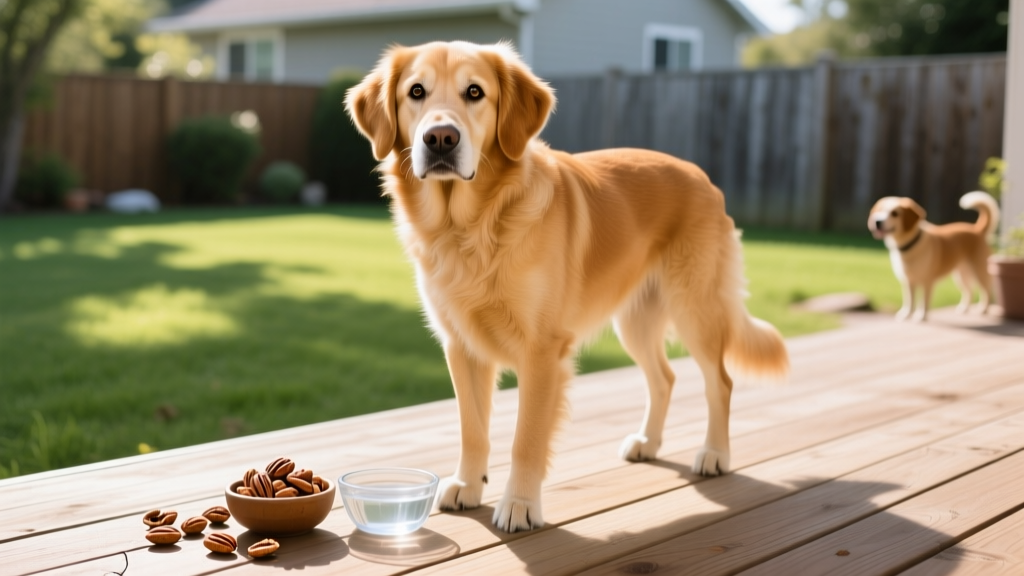
While a single accidentally dropped pecan is unlikely to cause serious harm, pecans pose multiple health risks to dogs that outweigh any nutritional benefit. They contain juglone (a compound toxic to dogs in sufficient quantities), are highly susceptible to mold that produces tremorgenic mycotoxins, and present a significant choking and intestinal blockage hazard due to their size and hardness. Safer nut alternatives exist if you want to offer an occasional treat.
If you've ever dropped a pecan on the kitchen floor and watched your dog snap it up before you could react, you're not alone. Pecans are a staple in American kitchens — from holiday pies to salad toppings — and their sweet, buttery flavor makes them tempting to share. But when it comes to pecans and dogs, the veterinary consensus is clear: the risks significantly outweigh the rewards.
Unlike some human foods that are perfectly safe in measured portions, pecans sit in a category that most veterinarians and veterinary nutritionists recommend avoiding altogether. In this guide, we'll break down exactly why, what to do if your dog has already eaten pecans, and which alternatives are genuinely safer.
Why Pecans Are Dangerous for Dogs
Pecans belong to the Juglandaceae family (the same family as black walnuts), and they carry several specific risks that make them unsuitable as dog treats. According to the ASPCA, members of this plant family contain compounds that can cause gastrointestinal distress and neurological symptoms in dogs.
Juglone Toxicity
Pecans contain juglone, a naturally occurring naphthoquinone compound. While the concentration in pecan meat is lower than in black walnuts, juglone can still cause gastric irritation, vomiting, and diarrhea in dogs. The compound is most concentrated in the hulls, shells, and leaves, but trace amounts exist throughout the nut.
Tremorgenic Mycotoxins (Mold Risk)
This is arguably the most serious danger. Pecans are highly susceptible to mold growth, particularly Aspergillus and Penicillium species. These molds produce tremorgenic mycotoxins — neurotoxic compounds that can cause:
- Muscle tremors and seizures
- Vomiting and hyperthermia
- Ataxia (loss of coordination)
- Tachycardia (elevated heart rate)
The critical problem: mold on pecans is often invisible to the naked eye. A nut that looks perfectly fine to you may harbor dangerous mycotoxin levels. The Merck Veterinary Manual documents tremorgenic mycotoxin poisoning as a genuine veterinary emergency with symptom onset typically within 30 minutes to 2 hours of ingestion.
Choking and Intestinal Blockage
Whole pecans are approximately 1–1.5 inches long and extremely hard. For small and medium dogs, a whole pecan represents a serious choking hazard. Even for large dogs, swallowed pieces that aren't thoroughly chewed can cause:
- Esophageal obstruction
- Gastric or intestinal blockage (particularly dangerous in dogs under 30 lb / 14 kg)
- Dental fractures from the hard shell fragments
High Fat Content and Pancreatitis Risk
Pecans are approximately 72% fat by weight (USDA data: 71.97 g fat per 100 g). This extreme fat density makes them a pancreatitis trigger — an inflammatory condition of the pancreas that causes severe abdominal pain, vomiting, and can be life-threatening. According to the American Kennel Club, high-fat nuts are a recognized dietary risk factor for canine pancreatitis, particularly in predisposed breeds like Miniature Schnauzers, Cocker Spaniels, and Yorkshire Terriers.
What Happens If My Dog Eats Pecans?
The severity of symptoms depends on how many pecans were consumed, the size of your dog, whether shells were involved, and whether mold was present. Here's what to watch for based on exposure level:
| Exposure Level | Likely Symptoms | Onset Time | Action Required |
|---|---|---|---|
| 1 pecan piece (shelled, no mold), large dog | Mild GI upset possible; often asymptomatic | 2–6 hours | Monitor at home for 24 hours |
| 2–5 pecans, small/medium dog | Vomiting, diarrhea, lethargy, abdominal discomfort | 1–4 hours | Call your vet for guidance |
| Multiple pecans or pecans with shells | Vomiting, potential obstruction, severe GI distress | 30 min – 6 hours | Seek veterinary care promptly |
| Moldy pecans (any amount) | Tremors, seizures, hyperthermia, vomiting, ataxia | 30 min – 2 hours | EMERGENCY — go to vet immediately |
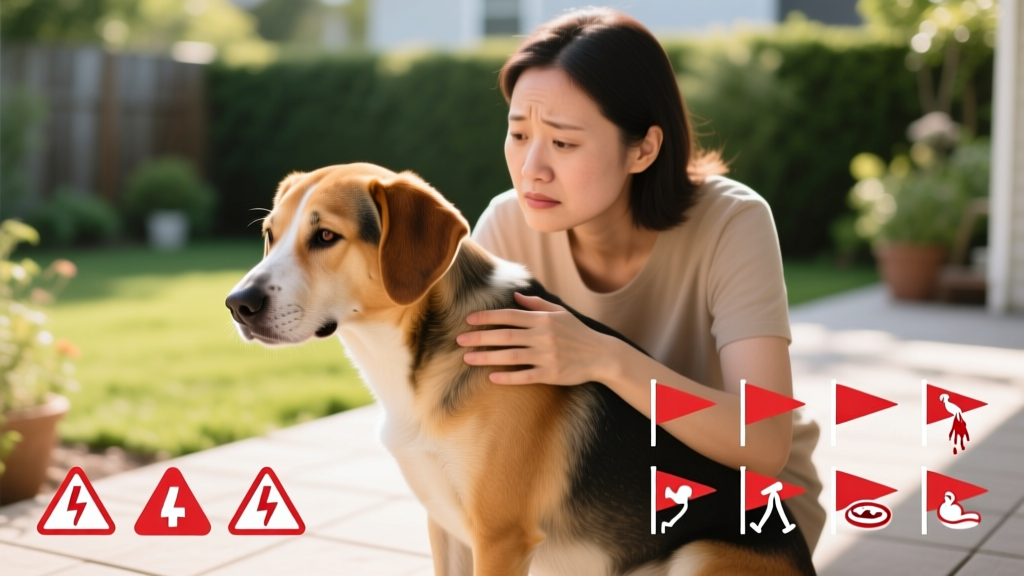
- Seizures or muscle tremors
- Repeated vomiting (more than 2 episodes in 1 hour)
- Inability to stand or walk normally
- Abdomen that is hard, swollen, or painful to touch
- Blood in vomit or stool
- Signs of choking (pawing at mouth, gagging, difficulty breathing)
ASPCA Animal Poison Control: (888) 426-4435 (available 24/7, consultation fee applies)
Pet Poison Helpline: (855) 764-7661
Nutritional Profile of Pecans (And Why It Doesn't Apply to Dogs)
You might see sources citing the nutritional value of pecans — and for humans, they are genuinely nutrient-dense. Here's the USDA data per 1 oz (28 g, roughly 15–19 halves):
| Nutrient | Amount per 1 oz | Relevance to Dogs |
|---|---|---|
| Calories | 196 kcal | Excessively calorie-dense; contributes to obesity |
| Total Fat | 20.2 g | Too high — pancreatitis trigger |
| Protein | 2.6 g | Minimal; better protein sources exist |
| Fiber | 2.7 g | Beneficial, but safer fiber sources available |
| Manganese | 1.28 mg (56% DV for humans) | Dogs get adequate manganese from balanced diets |
| Zinc | 1.28 mg | Useful mineral, but risk-to-benefit ratio is poor |
| Thiamine (B1) | 0.19 mg | Present in complete dog foods |
| Vitamin E | 0.39 mg | Negligible contribution |
The bottom line: any nutrient found in pecans can be obtained more safely and effectively from your dog's AAFCO-formulated diet or from genuinely safe treat alternatives. There is no nutritional justification for feeding pecans to dogs when the toxicity and obstruction risks are factored in.
Related Foods That Are Also Unsafe for Dogs
If you're managing pecans and dogs in your household, be aware that several related or commonly co-stored foods carry similar or greater risks:
| Food | Safety for Dogs | Primary Risk |
|---|---|---|
| Black Walnuts | TOXIC — Never feed | High juglone concentration; severe tremorgenic mycotoxin risk |
| English Walnuts | Not recommended | Mold/mycotoxin risk, choking hazard, high fat |
| Hickory Nuts | Not recommended | Juglone content (same plant family), GI obstruction |
| Macadamia Nuts | TOXIC — Never feed | Causes weakness, vomiting, tremors, hyperthermia |
| Pecan Pie | TOXIC — Never feed | Contains pecans + sugar + butter; many recipes include raisins or xylitol |
| Candied/Seasoned Pecans | TOXIC — Never feed | Added sugar, salt, xylitol (potentially lethal), garlic/onion powder |
| Peanuts (shelled, unsalted) | Generally safe in small amounts | Lower risk but still high fat; some dogs are allergic |
Are There Any Dogs Who Should Absolutely Never Eat Pecans?
While pecans aren't recommended for any dog, certain populations face significantly elevated risk:
- Dogs with a history of pancreatitis: Even a single pecan's fat content (roughly 5–6 g per nut) can trigger a pancreatitis flare-up in predisposed dogs. Pancreatitis treatment costs range from $1,500 to $5,000+ for hospitalization.
- Small breed dogs (under 20 lb / 9 kg): Breeds like Chihuahuas, Pomeranians, and Toy Poodles face the highest obstruction risk from even partial pecan pieces. Their smaller GI tracts mean blockages occur more easily.
- Puppies (under 12 months): Developing digestive systems are more sensitive to juglone and fat overload. Puppies also tend to swallow food with less chewing.
- Senior dogs (over 8 years): Reduced organ function means decreased ability to process toxins and high-fat loads. Dehydration from vomiting is also more dangerous in older dogs.
- Dogs with food allergies or sensitive stomachs: Tree nuts are a documented allergen. Dogs with existing atopic dermatitis or chronic GI issues should avoid all novel protein/fat sources.
- Miniature Schnauzers, Cocker Spaniels, and Yorkshire Terriers: These breeds have a documented genetic predisposition to pancreatitis and should never receive high-fat treats.
My Dog Just Ate a Pecan — What Should I Do?
Panic isn't necessary, but prompt action is. Follow this step-by-step protocol:
Step 1: Assess the situation (first 5 minutes)
- How many pecans were eaten? (Estimate if unsure)
- Were they shelled or in-shell?
- Were they moldy, salted, seasoned, or part of a baked good?
- How much does your dog weigh?
- What time did ingestion occur?
Step 2: Determine urgency level
- If moldy, seasoned with xylitol/garlic, or part of pecan pie → Call emergency vet NOW
- If in-shell or more than 5 pecans for a small dog → Call your vet within the hour
- If 1–2 shelled pecans for a large dog, no mold → Monitor closely for 24–48 hours
Step 3: Monitor and document
- Watch for vomiting, diarrhea, tremors, lethargy, or loss of appetite
- Note the time of any symptoms
- Keep fresh water available at all times
- Do NOT induce vomiting unless specifically instructed by your veterinarian
Important: Never attempt to induce vomiting with hydrogen peroxide or other methods without explicit veterinary direction. Improper induction can cause aspiration pneumonia, esophageal damage, or worsen the situation if the pecan pieces are sharp or large enough to lodge during regurgitation.
Safe Nut and Seed Alternatives for Dogs
If you want to offer your dog an occasional nutty treat, these options are significantly safer than pecans when prepared correctly (unsalted, unshelled, no seasonings):
| Alternative | Safe Serving (Medium Dog, 30–50 lb) | Key Notes |
|---|---|---|
| Peanut butter (xylitol-free) | 1 teaspoon to 1 tablespoon | Always check label for xylitol; choose unsalted, no-sugar-added varieties |
| Plain peanuts (shelled, unsalted) | 3–5 peanuts | Lower juglone risk than tree nuts; still high fat |
| Plain pumpkin seeds (shelled, unsalted) | 1 teaspoon | Good source of zinc and iron; lower fat than nuts |
| Sunflower seeds (shelled, unsalted) | 1 teaspoon | Vitamin E and B-complex; remove shells completely |
| Cashews (plain, roasted, unsalted) | 2–3 cashews | Must be roasted (raw cashews contain urushiol); lower fat than pecans |
Even with these safer alternatives, treats (including nuts and seeds) should never exceed 10% of your dog's daily caloric intake. For a 30 lb (14 kg) dog eating approximately 700 kcal/day, that's a maximum of 70 kcal from all treat sources combined.
Frequently Asked Questions About Pecans and Dogs
Can dogs eat pecan pie?
No. Pecan pie is especially dangerous because it combines pecans with high sugar content, butter (extremely high fat), and often corn syrup. Many recipes also include raisins (toxic to dogs) or are sweetened with sugar substitutes that may contain xylitol. A single slice can deliver enough fat to trigger pancreatitis in a medium-sized dog. If your dog eats pecan pie, contact your veterinarian immediately and check the ingredient list for xylitol.
Are pecans toxic to dogs in small amounts?
Pecans are not acutely toxic the way macadamia nuts or xylitol are — a single small piece is unlikely to cause serious harm in a large, healthy dog. However, the cumulative risks (juglone, mycotoxins, fat content, obstruction) make them unsafe as a deliberate treat. The dose-response relationship with juglone means that smaller dogs reach concerning exposure levels much faster.
What if my dog ate a pecan off the ground outside?
Fallen pecans (especially those still in or near the hull) carry higher juglone concentrations and significantly higher mold risk than stored, shelled pecans. Outdoor pecans may also have pesticide residue. If your dog ate a fallen pecan, monitor closely for vomiting, tremors, or behavioral changes over the next 24 hours and contact your vet if any symptoms appear.
Can puppies eat pecans?
No. Puppies should never eat pecans. Their smaller GI tracts make obstruction more likely, their developing livers are less efficient at processing juglone, and their lower body weight means any toxic exposure reaches a higher concentration per kilogram. Stick to puppy-formulated treats approved by your veterinarian.
Is pecan butter safe for dogs?
No. While grinding eliminates the choking hazard, pecan butter retains all the fat (approximately 72% fat by weight), juglone content, and potential mycotoxin contamination of whole pecans. The concentrated form actually makes it easier for a dog to consume a dangerous quantity quickly. Choose xylitol-free peanut butter as a safer alternative.
How long after eating pecans would a dog show symptoms?
GI symptoms (vomiting, diarrhea) from juglone irritation typically appear within 2–6 hours. Neurological symptoms from tremorgenic mycotoxins (tremors, seizures) can onset as quickly as 30 minutes after ingestion. Obstruction symptoms (repeated vomiting, inability to pass stool, abdominal pain) may take 6–24 hours to manifest as the material moves through the digestive tract.
Veterinary Disclaimer: This article provides educational information and is not a substitute for professional veterinary advice. If your dog has ingested pecans and you are concerned about their health, consult your veterinarian or contact the ASPCA Animal Poison Control at (888) 426-4435 for guidance specific to your dog's size, health history, and the amount consumed.
Marcus Aldridge
All our authors care for dogs every day — read more of their work on the authors page.