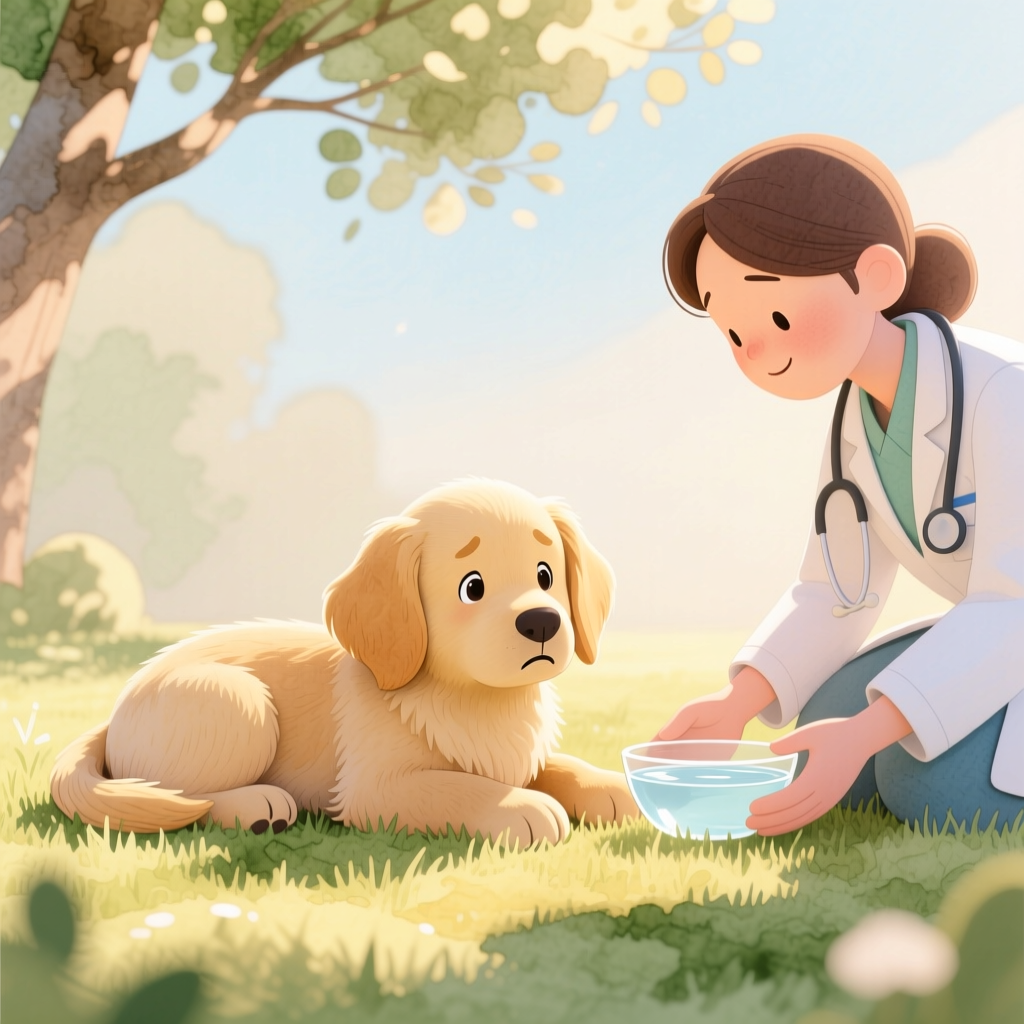
Early Warning Signs, Diagnosis & Treatment Guide
Learn to recognize parvo symptoms in dogs early. This guide covers diagnosis, treatment costs, survival rates, and prevention strategies every owner needs to know.

What Is Canine Parvovirus?
Canine parvovirus (CPV-2) is a highly contagious, potentially fatal viral disease that attacks rapidly dividing cells in a dog's body — most critically the intestinal lining and bone marrow. First identified in 1978, parvovirus remains one of the most dangerous infectious diseases in dogs worldwide, with unvaccinated puppies facing mortality rates as high as 91% without treatment, according to the Merck Veterinary Manual.
The virus spreads through direct contact with infected feces or contaminated environments — it can survive in soil for over a year and resists most household disinfectants. Even a brief sniff of contaminated ground at a dog park or pet store floor can expose a susceptible dog. CPV has also evolved: the CPV-2b and CPV-2c variants now dominate globally, though current vaccines provide cross-protection against all strains.
In the U.S., parvovirus cases spike predictably each spring and summer, correlating with increased outdoor activity and new litters of unvaccinated puppies entering the world. Shelters and high-density housing environments report the highest incidence rates.
Parvo Symptoms in Dogs: Recognizing the Stages
Parvo symptoms typically appear 3 to 7 days after exposure (incubation period), though some dogs show signs as early as day 2 or as late as day 14. The progression is fast and brutal — dogs can deteriorate from mild lethargy to critical dehydration within 24 to 48 hours.
Early Warning Signs (Days 1-2 of Illness)
These initial symptoms are easy to miss or dismiss as a mild stomach bug, which is exactly why parvo is so dangerous:
- Lethargy and withdrawal — your normally playful puppy seems unusually quiet, sleeps more, or hides
- Loss of appetite (anorexia) — refusing food or treats they normally love, often the very first sign owners notice
- Low-grade fever — rectal temperature between 103°F and 105°F (39.4°C to 40.6°C); normal dog temperature is 101°F to 102.5°F (38.3°C to 39.2°C)
- Mild vomiting — one or two episodes of clear or foamy vomit, sometimes mistaken for eating too fast
Advanced Symptoms (Days 3-5 of Illness)
As the virus destroys intestinal villi and suppresses white blood cell production, symptoms escalate rapidly:
- Profuse, projectile vomiting — repeated episodes, often containing bile or blood-tinged fluid
- Severe bloody diarrhea — the hallmark sign; stool is often dark red or brown with a distinctive, extremely foul odor that experienced vet techs describe as unmistakable
- Severe dehydration — tacky or dry gums, skin that doesn't snap back when gently pinched (poor skin turgor), sunken eyes
- Abdominal pain — hunched posture, whining when picked up, guarding the belly area, "prayer position" (front down, rear up)
- High fever or hypothermia — temperature may spike above 105°F (40.6°C) or, in late stages, drop dangerously below 99°F (37.2°C), indicating systemic shock
- Rapid weight loss — puppies can lose 10-15% of body weight in 48 hours from fluid loss alone
Critical/Emergency Symptoms (Days 5+)
At this stage, survival depends entirely on aggressive hospitalization:
- Sepsis and endotoxemia — bacteria from the destroyed gut barrier enter the bloodstream, causing systemic infection
- Hypovolemic shock — pale or white gums, weak and rapid pulse, cold extremities, collapse
- Disseminated intravascular coagulation (DIC) — a life-threatening blood clotting disorder
- Intussusception — a section of intestine telescopes into itself, a surgical emergency (seen in approximately 3-5% of severe parvo cases)
- Myocarditis — rare cardiac form affecting puppies infected in utero or during the first weeks of life, causing sudden heart failure
| Severity Level | Symptoms | Typical Timeline | Recommended Action |
|---|---|---|---|
| Early / Mild | Lethargy, appetite loss, mild vomiting, low fever | Days 1-2 post-onset | Call vet immediately; request parvo SNAP test |
| Moderate / Progressive | Bloody diarrhea, repeated vomiting, dehydration, abdominal pain | Days 3-4 post-onset | Emergency vet visit; hospitalization likely needed |
| Severe / Critical | Shock, sepsis, hypothermia, collapse, seizures | Days 5+ post-onset | Emergency ICU care; prognosis guarded to poor |
Risk Factors: Which Dogs Are Most Vulnerable to Parvo?
Key Risk Factors for Parvovirus
- Age: Puppies between 6 weeks and 6 months are at highest risk; maternal antibodies wane between 6-16 weeks, creating a vulnerability window
- Vaccination status: Unvaccinated or incompletely vaccinated dogs of any age remain susceptible
- Breed predisposition: Rottweilers, Doberman Pinschers, American Pit Bull Terriers, German Shepherds, and Labrador Retrievers show statistically higher susceptibility and more severe clinical courses, per AKC health research
- Environment: Shelters, breeding facilities, pet stores, multi-dog households, and urban areas with high dog traffic
- Season: Late spring through early fall sees peak incidence (warmer temperatures aid viral persistence)
- Immune status: Dogs on immunosuppressive therapy or with concurrent illness (parasites, malnutrition) face greater risk
- Stress: Recent transport, rehoming, or surgery can trigger clinical disease in subclinically infected dogs
The breed predisposition in Rottweilers and Dobermans is well-documented in veterinary literature. Research published in the Journal of Veterinary Internal Medicine found these breeds had significantly higher odds of parvo-related mortality, possibly due to genetic differences in immune response. This doesn't mean other breeds are safe — any unvaccinated dog is at risk — but it underscores the critical importance of strict vaccination protocols for these breeds in particular.
Intact male dogs also show slightly higher mortality rates than females or neutered males, though the mechanism isn't fully understood. Body condition matters too: underweight or malnourished puppies lack the reserves to fight the infection effectively.
How Is Parvo Diagnosed?
If your vet suspects parvovirus based on symptoms, vaccination history, and age, they'll move quickly. Time is the single biggest factor in survival. Here's what the diagnostic process typically looks like:
Step 1: In-Clinic Parvo SNAP Test (ELISA)
This is the frontline test. A fecal swab is analyzed for parvovirus antigen using an enzyme-linked immunosorbent assay. Results come back in 10 to 15 minutes.
- Accuracy: 96-98% sensitivity for active infection, but false negatives can occur early in infection (first 24-48 hours) or if the dog was recently vaccinated (within 5-12 days of a modified live vaccine)
- Cost: $40 to $80 as a standalone test
- Turnaround: Immediate, in-clinic results
Step 2: Complete Blood Count (CBC)
Parvo attacks bone marrow, causing a dramatic drop in white blood cells — particularly lymphocytes and neutrophils. A CBC reveals:
- Leukopenia — total WBC count often drops below 1,000/μL (normal is 6,000-17,000/μL); counts below 500/μL carry a poor prognosis
- Thrombocytopenia — low platelet count from bone marrow suppression
- Lymphopenia — specifically low lymphocyte count, one of the earliest blood changes
- Cost: $60 to $120
Step 3: Blood Chemistry Panel
This assesses organ function and dehydration severity:
- Elevated BUN and creatinine (kidney stress from dehydration)
- Low albumin (protein loss through damaged intestines)
- Electrolyte imbalances — hypokalemia (low potassium) and hyponatremia (low sodium) from vomiting and diarrhea
- Elevated liver enzymes in severe cases
- Cost: $80 to $150
Step 4: Additional Diagnostics (As Needed)
- Abdominal X-rays: To rule out intussusception or foreign body; $150-$350
- Abdominal ultrasound: Shows intestinal wall thickening and fluid accumulation; $250-$500
- PCR testing: Sent to an outside lab for definitive viral DNA confirmation; $80-$150 with 24-72 hour turnaround (rarely needed when SNAP test is positive and clinical signs match)
- Fecal floatation: To check for concurrent parasites (hookworms and giardia are common co-infections that worsen outcomes); $30-$60
Treatment Options: Medical, Supportive, and Surgical Care
There is no antiviral drug that directly kills parvovirus. Treatment focuses on aggressive supportive care — keeping the dog alive long enough for its immune system to fight off the virus. This typically takes 5 to 7 days of intensive treatment, though some dogs require 10 to 14 days.
| Treatment Component | Inpatient (Hospitalization) | Outpatient (Ambulatory) |
|---|---|---|
| IV Fluid Therapy | Continuous crystalloid fluids (LRS or Normosol-R) with electrolyte supplementation; 24/7 monitoring | Subcutaneous (SQ) fluids 2-3 times daily at home or daily vet visits |
| Anti-emetics (Vomiting Control) | Maropitant (Cerenia) IV at 1 mg/kg once daily; ondansetron 0.1-0.5 mg/kg IV q8-12h as needed | Maropitant (Cerenia) injectable SQ at 1 mg/kg once daily; oral anti-emetics if tolerated |
| Antibiotics | Broad-spectrum IV antibiotics: ampicillin-sulbactam (22 mg/kg IV q8h) + metronidazole (10-15 mg/kg IV q12h) to prevent sepsis from gut bacteria | Convenia (cefovecin) single SQ injection lasting 14 days; or amoxicillin-clavulanate oral if tolerated |
| Nutritional Support | Early enteral nutrition via nasoesophageal feeding tube once vomiting controlled; shown to improve survival by ~20% | Syringe-feeding highly digestible recovery diet (Hill's a/d or Royal Canin Recovery) in small amounts every 4-6 hours |
| Blood/Plasma Transfusion | Available if severe anemia or hypoproteinemia develops; canine parvovirus immune plasma may provide passive antibodies | Not available in outpatient setting |
| Monitoring | Daily CBC, vitals q4-6h, intake/output tracking, weight monitoring | Daily or every-other-day vet check-ups; owner monitoring at home |
| Estimated Survival Rate | 80-95% with aggressive inpatient care (per AVMA guidelines) | 60-80% depending on case severity and owner compliance |
| Total Cost Range | $1,500 to $5,000+ (average $2,500-$3,500 for 5-7 day stay) | $500 to $1,500 (medications, fluids, daily rechecks over 7-10 days) |
Emerging and Adjunctive Therapies
Several additional treatments may be discussed with your veterinarian:
- Tamiflu (oseltamivir): Despite anecdotal use, published studies show no benefit against parvovirus — this drug targets influenza neuraminidase, which parvovirus doesn't possess
- Canine parvovirus monoclonal antibody (CPMA): A newer biological product (marketed as Parvaid or similar) administered as a single IV dose; early studies suggest it may reduce viral shedding duration and improve outcomes when given early. Cost: approximately $350-$500 per dose
- Granulocyte colony-stimulating factor (G-CSF): Filgrastim (Neupogen) at 5 μg/kg SQ once daily may accelerate white blood cell recovery; evidence is mixed, and cost is $100-$200 per dose
- Fecal microbiota transplantation (FMT): Emerging evidence from a 2023 study in the Journal of Small Animal Practice suggests FMT may shorten recovery time by restoring gut flora; still considered experimental
When Surgery Is Required
Intussusception — where a segment of intestine slides into an adjacent segment like a collapsing telescope — occurs in a small percentage of parvo cases due to altered intestinal motility. This is a surgical emergency requiring an enterotomy or intestinal resection. Surgery adds $2,000-$4,000 to total costs and carries additional anesthetic risk in an already compromised patient.
Prognosis and Survival Rates by Stage
Parvovirus prognosis depends heavily on how quickly treatment begins, the dog's age and immune status, and the severity of white blood cell suppression.
| Stage at Presentation | Key Clinical Indicators | Survival Rate (With Treatment) | Expected Recovery Time |
|---|---|---|---|
| Early (mild symptoms, <24h) | Appetite loss, mild lethargy, no or minimal vomiting, WBC >3,000/μL | 90-95% | 5-7 days |
| Moderate (bloody diarrhea, dehydration) | Active vomiting, bloody stool, 8-10% dehydrated, WBC 1,000-3,000/μL | 80-90% | 7-10 days |
| Severe (sepsis, shock) | Hypothermia, collapse, WBC <500/μL, DIC signs, no response to initial fluids | 50-70% | 10-14+ days (if survives) |
| No Treatment | — | 9-20% (mortality up to 91%) | Death typically occurs within 48-72 hours of symptom onset |
A positive prognostic indicator is the return of white blood cell counts — once the WBC begins climbing (usually around day 3-4 of treatment), survival likelihood increases dramatically. Dogs that survive the first 3 to 4 days of treatment generally recover fully with no long-term health consequences, though some may have a sensitive digestive system for several weeks during intestinal healing.
Puppies that develop the rare cardiac form of parvo (myocarditis from in-utero or neonatal infection) have a very poor prognosis, with most dying suddenly from heart failure even if they initially appear to recover from intestinal symptoms.
Home Care and Post-Hospitalization Management
Once your dog is discharged from the veterinary hospital, the recovery period at home typically lasts 2 to 4 weeks. Here's what daily management looks like:
Nutrition and Feeding
- Diet: Feed a highly digestible, low-fat recovery diet for 2-3 weeks — options include Hill's Prescription Diet i/d, Royal Canin Gastrointestinal Low Fat, or Purina Pro Plan Veterinary Diets EN. Transition back to regular food gradually over 7-10 days
- Frequency: Small, frequent meals (4-6 per day) rather than one or two large meals to avoid overwhelming the healing intestine
- Probiotics: A veterinary-formulated probiotic (such as FortiFlora or Proviable) can help restore gut flora disrupted by antibiotics and viral damage. Administer for 2-4 weeks post-recovery
Hygiene and Isolation
Recovered dogs continue to shed parvovirus in their feces for up to 14 days after clinical recovery — some may shed for up to 6 weeks. During this period:
- Keep the recovering dog completely isolated from other dogs, especially unvaccinated ones
- Dispose of feces immediately and disinfect contaminated areas with a solution of 1 part bleach to 30 parts water (the only readily available disinfectant proven to kill parvovirus on hard surfaces)
- Wash bedding in hot water with bleach-safe detergent
- Do not allow the recovering dog to visit dog parks, pet stores, grooming facilities, or any public area where dogs congregate
- Remove and replace any porous items (rope toys, fabric beds) that cannot be effectively disinfected
Monitoring at Home
Track these parameters daily and report any regression to your veterinarian:
- Appetite — is the dog eating all offered meals?
- Stool quality — firming stool is a positive sign; return of bloody or watery diarrhea warrants an immediate vet call
- Energy level — gradual improvement is expected; sudden lethargy is a red flag
- Weight — weigh the dog every 2-3 days; steady weight gain should resume within the first week home
- Hydration — check gum moisture and skin elasticity daily
🚨 When to Call the Vet Immediately After Discharge
- Vomiting returns or the dog cannot keep food/water down for more than 12 hours
- Blood appears in stool again after initial improvement
- Temperature exceeds 103.5°F (39.7°C) or drops below 99°F (37.2°C)
- Dog becomes acutely lethargic, unresponsive, or collapses
- Abdomen becomes distended, hard, or painful to touch
- Refusal to eat for more than 24 hours post-discharge
Cost of Parvo Treatment: What to Budget For
Parvovirus treatment is one of the most expensive emergency conditions in veterinary medicine. Costs vary significantly by geographic region, clinic type (general practice vs. emergency/specialty hospital), and case severity.
| Expense Category | Low Estimate | High Estimate | Notes |
|---|---|---|---|
| Emergency exam fee | $80 | $250 | After-hours and weekend fees are higher |
| Diagnostic testing (SNAP, CBC, chemistry) | $200 | $600 | Varies by which tests are ordered |
| Outpatient treatment (7-10 days) | $500 | $1,500 | Fluids, injectable antibiotics, anti-emetics, rechecks |
| Inpatient hospitalization (5-7 days) | $1,500 | $5,000+ | IV fluids, medications, monitoring, feeding tube |
| Blood/plasma transfusion (if needed) | $300 | $800 | Per unit; may require multiple transfusions |
| Surgery for intussusception (if needed) | $2,000 | $4,500 | Includes anesthesia, surgery, extended hospitalization |
| Post-discharge medications and follow-up | $100 | $350 | Probiotics, diet, recheck exams, repeat bloodwork |
| TOTAL (Typical Inpatient Case) | $2,500 | $5,000+ | Worst-case scenarios with complications: $7,000-$10,000 |
Pet insurance can significantly offset these costs if the policy was active before the parvo diagnosis. Most comprehensive accident-and-illness plans cover 70-90% of parvo treatment after the deductible. However, no insurer covers pre-existing conditions — purchasing insurance after your dog is sick will not help with that episode.
For owners facing financial constraints, many veterinary clinics offer payment plans through CareCredit or Scratchpay. Some communities also have parvo-specific assistance funds through local rescues or veterinary charitable organizations. Ask your vet clinic's front desk — they often know of local resources.
Prevention: The Parvovirus Vaccination Schedule
Parvovirus is almost entirely preventable through proper vaccination. The American Animal Hospital Association (AAHA) classifies parvovirus as a core vaccine — every dog should receive it regardless of lifestyle.
Standard Puppy Vaccination Protocol
- 6-8 weeks: First DHPP (distemper, hepatitis, parainfluenza, parvovirus) vaccine
- 10-12 weeks: Second DHPP booster
- 14-16 weeks: Third DHPP booster
- 12 months: First adult booster
- Every 3 years thereafter: DHPP booster (or titer test to confirm adequate antibody levels)
The final puppy dose must be given at or after 16 weeks of age. Maternal antibodies (passed from the dam through colostrum) can neutralize vaccines given too early, which is why the series of boosters every 2-4 weeks is essential — each successive dose has a better chance of "taking" as maternal antibodies decline.
High-Risk Environment Protocol
In shelters, breeding facilities, or areas with known parvo outbreaks, some veterinarians recommend:
- Starting vaccination at 4 weeks with a high-titer puppy parvo vaccine (e.g., Neopar)
- Boosting every 2 weeks until 20 weeks of age
- Using intranasal parvo vaccines for faster mucosal immunity onset (onset in 3-5 days vs. 7-14 days for injectable)
Critical Precautions for Unvaccinated Puppies
Until a puppy has completed the full vaccination series (at least 2 weeks after the 16-week booster), strict environmental management is essential:
- No dog parks, pet stores, or public areas where unknown dogs may have defecated
- Socialization only with known, fully vaccinated adult dogs in private, controlled environments
- Carry your puppy in public areas rather than letting them walk on shared ground
- Disinfect shoes before entering your home if you've been in high-traffic dog areas — you can track parvovirus inside on footwear
Frequently Asked Questions About Parvovirus in Dogs
Can a fully vaccinated dog still get parvo?
It's rare but possible. Vaccine failure can occur if the dog was vaccinated while maternal antibodies were still interfering (before 16 weeks), if the vaccine was improperly stored or administered, or if the dog has an immune deficiency. However, vaccinated dogs that do contract parvo typically experience a much milder course of illness with significantly higher survival rates. The CPV-2c variant has shown slightly reduced cross-protection from some older vaccine formulations, but modern vaccines (Nobivac, Vanguard, Canine Spectra) cover all current variants.
Can humans get parvovirus from dogs?
No. Canine parvovirus (CPV-2) is species-specific and does not infect humans. The human parvovirus B19 (which causes fifth disease in children) is a completely different virus. Parvovirus is not considered a zoonotic disease. However, you can mechanically carry the virus on your hands, shoes, and clothing to other dogs — so thorough hand-washing and shoe disinfection are important if you've been around an infected dog.
How long does parvo last in the environment?
Parvovirus is extraordinarily resilient. It can survive in soil for 12 months or longer, on indoor surfaces for several months, and it resists freezing temperatures, many common disinfectants, and pH ranges from 3 to 9. Only a few disinfectants reliably kill it: diluted bleach (1:30 ratio, 10-minute contact time), potassium peroxymonosulfate (Trifectant/Virkon), and accelerated hydrogen peroxide (Rescue). This environmental persistence is why parvo remains endemic despite widespread vaccination.
What is the life expectancy of a dog that survives parvo?
Dogs that fully recover from parvovirus generally have a normal life expectancy. The intestinal lining regenerates completely within 2-3 weeks, and most dogs show no lasting effects. However, puppies that suffered severe parvo may have a slightly higher risk of chronic gastrointestinal sensitivity or food allergies later in life due to early intestinal damage. The rare cardiac form can cause permanent heart damage if the puppy survives, which would reduce lifespan depending on severity.
Can I bring a new puppy home after a parvo death?
Wait at least 6 to 12 months before introducing an unvaccinated puppy into a home where a dog died from parvo, even with thorough cleaning. During this waiting period, disinfect all hard surfaces with bleach solution, replace all porous items (beds, toys, food bowls — use stainless steel or ceramic), and consider having the yard professionally treated or avoiding the contaminated outdoor areas. If you must bring a puppy sooner, ensure the puppy is fully vaccinated (all boosters through 16 weeks completed, plus 2 additional weeks for immunity to develop) before entering the home.
Is parvo contagious to cats?
While canine parvovirus (CPV-2) is distinct from feline panleukopenia virus (FPV), the CPV-2a and CPV-2b variants have been documented to infect cats, causing a panleukopenia-like illness. This cross-species infection is uncommon but has been confirmed in multiple studies. Keep infected dogs away from cats, and ensure your cats are vaccinated against panleukopenia (the feline distemper/FPV vaccine provides protection).
The Bottom Line on Parvovirus
Parvovirus is a devastating but largely preventable disease. Recognizing parvo symptoms in dogs early — especially lethargy and appetite loss in young puppies — and getting to a veterinarian within the first 24 hours can mean the difference between a $1,500 outpatient recovery and a $5,000+ ICU stay with uncertain outcome. Stay current on vaccinations, avoid high-risk environments until the puppy series is complete, and never wait to "see if it gets better" when parvo is a possibility. When in doubt, get the SNAP test — it's fast, relatively inexpensive, and could save your dog's life.
Tom Renshaw
All our authors care for dogs every day — read more of their work on the authors page.