Ointment for Dog Wounds: Safe Choices, Treatment & Healing Guide
Complete guide to ointment for dog wounds — safe options, what to avoid, wound treatment steps, infection signs, and when to see the vet.
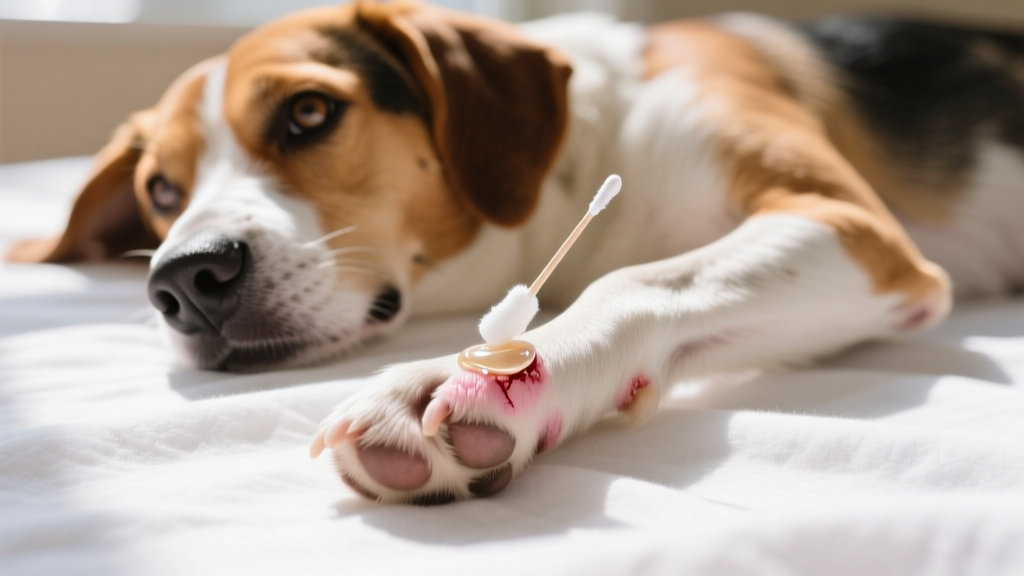
A scraped knee, a nicked paw pad, a hot spot that won't quit — minor wounds are part of life with a dog. When you reach for an ointment for dog wounds, the right product can speed healing and prevent infection. The wrong one can delay recovery, cause toxic reactions, or mask a problem that needs veterinary attention. This guide covers which ointments are safe, how to identify wound severity, and the full treatment pathway from first aid to full recovery.
Canine wound complications — including infection, dehiscence (wound reopening), and delayed healing — affect an estimated 15–25% of all traumatic skin injuries in dogs, according to data summarized in the Merck Veterinary Manual. Superficial abrasions and minor lacerations make up the majority of at-home wound care scenarios, but even small wounds can become serious without proper management.
Understanding Dog Wounds: Types, Causes, and Severity
Before selecting any ointment for dog wounds, you need to classify what you're dealing with. Wound type determines whether home care is appropriate or whether your dog needs immediate veterinary intervention.
Common Wound Types in Dogs
| Wound Type | Description | Typical Cause | Home Care Appropriate? |
|---|---|---|---|
| Abrasion | Superficial scraping of the epidermis | Sliding on rough surfaces, friction from harnesses | Yes, if <2 inches and not deep |
| Laceration | Clean or jagged cut through skin layers | Sharp objects, fencing, bites | Only if <0.5 inch, shallow, and edges approximate |
| Puncture | Deep, narrow entry wound | Bites, sticks, thorns, nails | No — high infection risk, requires vet assessment |
| Hot Spot (Acute Moist Dermatitis) | Localized, inflamed, weeping skin lesion | Allergies, moisture, self-trauma from licking | Partial — mild cases; severe needs vet |
| Degloving | Large area of skin torn away from tissue | Vehicle strikes, animal attacks | No — emergency surgery required |
| Burn | Thermal, chemical, or friction damage | Hot pavement, chemicals, exhaust pipes | First-degree only; second-degree+ needs vet |
The critical mistake most owners make is underestimating puncture wounds. A small puncture from a dog bite or stick may look minor on the surface but can harbor bacteria deep in tissue, leading to abscess formation within 48–72 hours. Always have puncture wounds evaluated by a veterinarian.
Symptoms Checklist: Recognizing Wound Severity
Use this checklist to determine whether your dog's wound can be managed at home with appropriate ointment or requires professional care. Symptoms are organized from early warning signs to emergency indicators.
Early Warning Signs (Monitor Closely)
- Mild redness around wound edges (within 2–4 mm of the wound margin)
- Clear or slightly yellow serous discharge
- Occasional licking or attention to the wound site
- Slight swelling that doesn't worsen over 24 hours
- Minor scabbing or crust formation
Advanced Symptoms (Veterinary Visit Needed)
- Purulent discharge — thick yellow, green, or brown fluid with odor
- Spreading redness extending more than 1 cm beyond wound edges
- Wound edges separating or failing to close after 5–7 days
- Warmth and firm swelling around the wound site
- Visible necrotic (dead) tissue — black or dark brown in the wound bed
- Excessive bleeding that doesn't stop with 5 minutes of direct pressure
Emergency Symptoms (Vet ER Immediately)
- Wound gaping wider than 1 inch or deeper than 0.25 inch
- Exposed muscle, tendon, or bone
- Profuse, pulsing, or arterial bleeding
- Lethargy, collapse, pale gums, or rapid heart rate alongside any wound
- Wounds on the eye, inside the mouth, or penetrating the abdomen/chest
- Known or suspected animal bite with deep puncture
Risk Factors: Which Dogs Are Most Vulnerable to Wound Complications?
Not all dogs heal equally. Several factors influence how quickly a wound heals and whether it becomes infected, which in turn affects which ointment for dog wounds is most appropriate.
Breed Predisposition: Brachycephalic breeds (Bulldogs, Pugs, Shar-Peis) have deep skin folds that trap moisture and bacteria, making fold-area wounds slow to heal. Sighthounds (Greyhounds, Whippets) have thin skin with minimal subcutaneous fat, resulting in more visible wounds from minor trauma. Large, active breeds (German Shepherds, Labrador Retrievers, Pit Bull-type dogs) sustain more traumatic wounds due to activity levels. Note: Breed-specific legislation varies by jurisdiction — owners of pit bull-type dogs should check local regulations regarding wound documentation if bites are involved.
Age: Puppies under 6 months have immature immune systems and may develop infections more rapidly. Senior dogs over 8 years often have reduced circulation, slower cell turnover, and comorbidities (diabetes, Cushing's disease, hypothyroidism) that delay healing significantly.
Weight: Overweight dogs (body condition score 7/9 or higher) experience delayed wound healing due to impaired circulation, increased tension on wound edges, and chronic low-grade inflammation associated with obesity.
Environment: Dogs spending time in wooded areas face higher tick-borne disease risk and puncture wound exposure from sticks and thorns. Urban dogs may encounter chemical irritants (de-icing salts, hot pavement). Dogs in multi-pet households have higher bite-wound incidence.
Immunosuppression: Dogs on long-term corticosteroids (prednisone), chemotherapy, or those with autoimmune conditions heal more slowly and are at elevated infection risk. Even routine medications like prednisone at anti-inflammatory doses (0.5 mg/kg/day) can delay wound epithelialization by 30–50%.
Safe Ointments for Dog Wounds: What Works and What Doesn't
Choosing the right ointment for dog wounds requires understanding what's formulated for canine skin versus what's safe for humans but potentially harmful to dogs. Canine skin has a pH of approximately 6.2–7.4 (more neutral than human skin at 4.5–5.5), which affects how topical products interact with the wound environment.
Veterinarian-Recommended Topical Options
| Product / Type | Active Ingredient | Best For | Application Frequency | Avg. Cost (2026) | Vet Prescription? |
|---|---|---|---|---|---|
| Silver sulfadiazine cream (1%) | Silver sulfadiazine | Burns, contaminated wounds, hot spots | 1–2x daily | $15–$35 (tube) | Yes |
| Vetericyn Plus Wound & Skin Care | Hypochlorous acid | General wound cleansing and moisture | 3–4x daily | $12–$20 (8 oz spray) | No |
| Manuka honey medical-grade gel | Medical-grade Leptospermum honey | Chronic wounds, sloughy wounds, minor burns | 1x daily under bandage | $18–$30 (tube) | No |
| Triple antibiotic ointment (Neosporin — plain) | Neomycin, polymyxin B, bacitracin | Minor superficial cuts and abrasions | 2–3x daily | $5–$9 (tube) | No (OTC) |
| Mupirocin ointment (2%) | Mupirocin | Bacterial skin infections, resistant Staph | 2x daily | $25–$50 (tube) | Yes |
| Hydrogel wound dressings | Water-based polymer gel | Dry wounds needing moisture, abrasions | Changed every 24–48 hrs | $8–$18 (per dressing) | No |
Products to Avoid on Dog Wounds
Several commonly available products are either unsafe or counterproductive for canine wound care:
- Neosporin with Pain Relief (pramoxine-containing): The added pain reliever is not approved for canine use and can cause irritation or sensitization with repeated application. Stick to plain triple antibiotic only.
- Hydrogen peroxide (3%): While historically used for wound cleaning, hydrogen peroxide damages healthy granulation tissue and delays healing. It should only be used once, if at all, for initial decontamination of a heavily soiled wound — never for ongoing care.
- Rubbing alcohol (isopropyl): Causes tissue damage, intense pain on application, and delays wound closure. Never use on open wounds.
- Human topical pain relievers (lidocaine, benzocaine creams): Can cause methemoglobinemia in dogs at sufficient doses. Toxic if licked and ingested.
- Tea tree oil (melaleuca): Toxic to dogs at concentrations above 1–2%. Even diluted, it can cause skin irritation, lethargy, tremors, and ataxia if absorbed or ingested through licking. If your dog ingests tea tree oil, contact the ASPCA Animal Poison Control Center at (888) 426-4435 (24/7, consultation fee applies).
- Iodine (tincture, full-strength): Can cause chemical burns and systemic iodine toxicity. Dilute povidone-iodine (diluted to weak tea color) is acceptable for initial cleansing only.
Step-by-Step Wound Treatment Protocol at Home
For wounds classified as home-care-appropriate (minor abrasions, small shallow lacerations, mild hot spots), follow this evidence-based protocol. If at any point the wound worsens, consult your veterinarian — home care does not replace professional assessment.
Step 1: Restrain and Assess (Minutes 0–5)
Even the gentlest dog may bite when in pain. Use a muzzle or have a second person gently restrain your dog. Part the fur around the wound to fully assess depth, length, and contamination. If you cannot see the wound bed clearly due to fur, carefully clip surrounding hair with blunt-nosed scissors or electric clippers — not razors.
Step 2: Cleanse the Wound (Minutes 5–10)
Flush the wound with sterile saline solution (available at pharmacies for ~$3–$5 per bottle) or lukewarm tap water under gentle pressure. Use a 60 mL syringe or squeeze bottle to create enough pressure to dislodge debris without driving it deeper. For contaminated wounds, dilute povidone-iodine to a weak tea color (approximately 0.05% concentration) and flush once, then follow with sterile saline rinse. Do not scrub the wound bed — this disrupts fragile new tissue.
Step 3: Apply Appropriate Ointment (Minutes 10–15)
Pat the surrounding skin dry with sterile gauze. Apply a thin layer of your chosen ointment for dog wounds directly to the wound bed. For plain triple antibiotic ointment, use approximately a pea-sized amount per 2 square inches of wound surface. For silver sulfadiazine or medical-grade honey, apply a 2–3 mm layer. Avoid over-application — excess ointment can macerate surrounding healthy skin.
Step 4: Protect the Wound (Ongoing)
Cover with a non-adherent dressing (Telfa pad, ~$5–$8 for a box of 25) and secure with self-adhering bandage wrap (Vetrap, ~$3–$5 per roll). Change bandages every 24 hours minimum, or immediately if wet, soiled, or slipped. Always use an Elizabethan collar (cone) or recovery suit to prevent licking — dogs' mouths carry bacteria including Pasteurella, Staphylococcus, and Capnocytophaga species that cause wound infections.
Step 5: Monitor and Document
Take a clear photo of the wound daily at the same time, in consistent lighting. This creates an objective healing record to show your veterinarian if complications arise. Note any changes in discharge color, odor, wound size, or your dog's behavior (increased licking, guarding, limping, appetite changes).
Diagnosis: When Your Vet Gets Involved
If your dog's wound doesn't improve within 48–72 hours of home care, or if you identified any advanced or emergency symptoms from the checklist above, veterinary evaluation is essential. Here's what to expect during the diagnostic process.
What Tests Your Vet May Run
- Physical Examination ($50–$95 exam fee): The veterinarian assesses wound depth, tissue viability, contamination level, and checks for underlying structure damage (tendon, bone, joint capsule involvement). They may probe the wound under sedation if your dog is painful.
- Wound Cytology ($45–$85): A sample of wound discharge or tissue impression is stained and examined under a microscope. This identifies bacterial morphology (rods vs. cocci), yeast, and inflammatory cell types. Results available same-day.
- Bacterial Culture and Sensitivity ($85–$180): A swab or tissue sample is sent to a lab to identify specific bacteria and determine which antibiotics are effective. Critical for wounds that don't respond to first-line treatment or suspected MRSP (methicillin-resistant Staphylococcus pseudintermedius). Results take 48–72 hours.
- Imaging — Radiographs ($120–$350 depending on views): X-rays are indicated for bite wounds near joints, puncture wounds that may have retained foreign bodies, or wounds near bone to rule out osteomyelitis (bone infection).
- Complete Blood Count and Chemistry Panel ($120–$250): Ordered for wounds with systemic infection signs (fever, lethargy), to assess organ function before prescribing systemic antibiotics, or in senior dogs with comorbidities.
- Surgical Exploration/Debridement ($400–$2,500+): For deep, contaminated, or necrotic wounds, surgical cleaning under general anesthesia may be necessary. This includes removal of dead tissue, foreign bodies, and placement of drains if needed.
Treatment Options and Prognosis by Wound Severity
Treatment approaches vary significantly based on wound classification. Your veterinarian will determine the appropriate pathway based on examination findings.
| Severity Level | Treatment Approach | Expected Healing Time | Prognosis | Total Estimated Cost Range |
|---|---|---|---|---|
| Superficial (abrasion, minor scratch) | Home care: cleansing + OTC ointment + monitoring | 5–10 days | Excellent — full healing expected | $5–$30 (supplies) |
| Moderate (small laceration, mild hot spot) | Vet visit: cleaning, possible sutures, prescription topical ± oral antibiotics | 10–21 days | Very good — 90%+ uncomplicated healing | $150–$500 |
| Severe (deep laceration, bite wound, abscess) | Surgical debridement, drains, systemic antibiotics, possible hospitalization | 3–8 weeks | Good with prompt treatment — 80–90% full recovery | $800–$3,000 |
| Critical (degloving, severe burn, sepsis) | Emergency surgery, skin grafts, IV antibiotics, intensive care | 6–16 weeks | Guarded — 60–75% survival; may require multiple surgeries | $2,000–$8,000+ |
For wounds treated with prescription ointments like silver sulfadiazine or mupirocin, your veterinarian will typically recheck the wound in 7–14 days. If the wound shows less than 25% reduction in size by day 14, the treatment plan is usually reassessed — this may involve switching antibiotics based on culture results, adding adjunctive therapies, or surgical intervention.
Adjunctive Therapies That Support Healing
- Cold laser therapy (photobiomodulation): $40–$75 per session, typically 2–3 sessions per week for 2–3 weeks. Shown to accelerate wound contraction and reduce inflammation in controlled studies.
- Hyperbaric oxygen therapy: Available at specialty centers, $150–$300 per session. Used for severe, non-healing wounds and burns.
- Manuka honey therapy: Medical-grade Leptospermum honey dressings changed every 24–48 hours. Promotes autolytic debridement and has documented antibacterial properties against MRSP.
- Negative pressure wound therapy (NPWT): $500–$1,500 for initial setup. Used for large, open wounds to promote granulation tissue formation.
Home Care and Ongoing Wound Management
Successful wound healing depends as much on daily management as on the ointment you choose. Here are the practical details that make the difference between a wound that closes in a week and one that lingers for a month.
Daily Care Checklist
- Bandage change: Every 24 hours minimum. More frequently if the dog is active, the environment is humid, or discharge is heavy.
- Wound cleansing at each change: Flush with sterile saline. Avoid repeated use of antiseptics (chlorhexidine, povidone-iodine) beyond the first 48 hours — they can damage new granulation tissue with prolonged use.
- Ointment reapplication: Follow product-specific frequency. Most topical antibiotics are applied 2–3 times daily; silver sulfadiazine is 1–2 times daily; hypochlorous acid sprays can be used 3–4 times daily.
- Cone/recovery suit check: Ensure the E-collar extends 2–3 inches beyond the nose tip. Check for rubbing at the neck. For recovery suits, ensure the wound area is accessible for treatment without fully removing the suit.
- Activity restriction: Leash walks only for dogs with limb wounds. No running, jumping, or roughhousing. Confine to a small room or crate when unsupervised.
Nutrition for Wound Healing
Wound healing increases metabolic demand. Ensure your dog is eating a complete and balanced diet meeting AAFCO standards for adult maintenance or all life stages. Key nutrients that support healing include:
- Protein: Minimum 22% on a dry matter basis for adult maintenance; higher protein diets (28–32%) support tissue repair.
- Zinc: Essential for collagen synthesis and epithelialization. Dogs with chronic wounds may benefit from veterinary-prescribed zinc supplementation (typically 2–3 mg/kg elemental zinc daily).
- Vitamin C: While dogs synthesize their own vitamin C, supplemental doses (10–15 mg/kg twice daily) may support healing in stressed or injured dogs, per some veterinary dermatology protocols.
- Omega-3 fatty acids (EPA/DHA): Combined dose of 50–100 mg/kg/day helps modulate inflammatory response. Fish oil supplements providing EPA and DHA are preferred over plant-based ALA sources.
Prevention: Reducing Wound Risk in Daily Life
While you can't prevent every scrape and scratch, these strategies significantly reduce wound frequency and severity:
- Yard inspection: Walk your property monthly looking for exposed nails, broken fencing, sharp garden tools, and thorny plants. Remove or fence off hazards.
- Paw pad protection: Use dog boots (e.g., Ruffwear Grip Trex, $75–$90/pair) for hiking on rocky terrain or walking on hot pavement. Apply paw wax (Musher's Secret, $15–$20) for ice and salt protection in winter.
- Supervised play: Monitor multi-dog play sessions and intervene before rough play escalates to bite wounds. Separate dogs showing resource guarding or leash reactivity.
- Flea and tick prevention: Maintain year-round parasite control. Flea allergy dermatitis is the number one cause of hot spots. Products like Simparica Trio ($55–$75 for a 3-month supply for a 25 lb dog) or Bravecto ($50–$65 per dose) provide reliable coverage.
- Skin fold care: For brachycephalic breeds and dogs with deep skin folds, clean folds 2–3 times weekly with chlorhexidine wipes (e.g., Pet MD Chlorhexidine Wipes, $12–$15 for 50 count) to prevent intertrigo and fold-area wounds.
- Allergy management: Work with your veterinarian to identify and manage environmental or food allergies. Chronic itching leads to self-trauma wounds. Options include Apoquel ($55–$90/month), Cytopoint injections ($65–$120 per injection, every 4–8 weeks), or hydrolyzed diet trials.
When to See the Vet: Red Flags You Cannot Ignore
Seek Immediate Veterinary Care If Your Dog Shows:
- Bleeding that doesn't stop after 5 minutes of firm, direct pressure
- A wound that gapes open, exposing tissue beneath the skin
- Any puncture wound from an animal bite (infection risk is extremely high)
- Wound on the eye, eyelid, inside the ear canal, or in the mouth
- Fever (rectal temperature above 103.5°F / 39.7°C) alongside any wound
- Lethargy, refusal to eat, or vomiting in combination with a wound
- Red streaks radiating from the wound (possible lymphangitis — spreading infection)
- Wound not improving after 48–72 hours of appropriate home care
- Foul odor from the wound site
- Your dog is immunocompromised, very young (<6 months), or senior (>8 years) with any wound beyond a minor scratch
When in doubt, call your vet. A 5-minute phone consultation can save you from a $2,000 emergency visit later. Most veterinary clinics can triage wound cases over the phone and advise whether you should come in immediately or monitor at home.
Cost Breakdown: What to Budget for Dog Wound Care
Wound treatment costs vary enormously based on severity and your geographic location. Here's a realistic breakdown for 2026:
| Service / Product | Low-End Cost | High-End Cost | Notes |
|---|---|---|---|
| OTC wound care supplies (saline, gauze, plain antibiotic ointment, Vetrap) | $15 | $40 | One-time purchase, lasts multiple incidents |
| Standard vet exam (wound assessment) | $50 | $95 | Varies by region; urban specialty clinics charge more |
| Wound cleaning and simple closure (sedation + sutures) | $200 | $600 | Depends on wound size and location |
| Surgical debridement with anesthesia | $600 | $2,500 | Complex wounds, bite wounds with tissue damage |
| Oral antibiotics (e.g., cephalexin, amoxicillin-clavulanate) | $15 | $60 | 10–14 day course, varies by dog weight |
| Prescription topical (silver sulfadiazine, mupirocin) | $15 | $50 | Per tube |
| E-collar (cone) | $8 | $25 | Plastic or inflatable; recovery suits $25–$45 |
| Recheck appointment | $40 | $75 | Usually needed at 7–14 days |
| Emergency/specialty wound care (hospitalization) | $1,500 | $8,000+ | Severe trauma, degloving, burns requiring grafts |
For pet owners with insurance, most accident-based policies cover wound treatment. Typical reimbursement is 70–90% after deductible, depending on your plan. Annual premiums for accident-and-illness policies range from $30–$70/month depending on breed, age, and location. Consult your veterinarian about the most cost-effective approach for your specific situation — many clinics offer payment plans or can prioritize treatments based on urgency.
Frequently Asked Questions
Can I use Neosporin on my dog's wound?
Plain Neosporin (triple antibiotic ointment containing neomycin, polymyxin B, and bacitracin) is generally safe for minor, superficial dog wounds when applied in thin layers 2–3 times daily. However, avoid any formulation containing pramoxine (pain relief), as this additional ingredient is not approved for canine use. Never use Neosporin on deep wounds, puncture wounds, or near the eyes. If your dog licks the ointment, small amounts of plain triple antibiotic are unlikely to cause harm, but ingestion of larger amounts can cause gastrointestinal upset. Always use an E-collar to prevent licking.
How long does a dog wound take to heal with ointment?
Superficial abrasions and minor lacerations treated with appropriate ointment and kept clean typically heal in 5–10 days. Moderate wounds (requiring sutures or prescription topical treatment) generally take 10–21 days. Deep or contaminated wounds may require 3–8 weeks of treatment. If a wound shows no visible improvement (reduced size, decreased discharge, new pink granulation tissue) within 48–72 hours, consult your veterinarian — this may indicate infection, foreign body presence, or an underlying condition impairing healing.
Is coconut oil safe as an ointment for dog wounds?
Virgin coconut oil has mild antibacterial properties due to its lauric acid content and is safe for dogs to ingest in small amounts. However, it is not a substitute for veterinary-recommended wound ointments. Coconut oil lacks the proven antimicrobial spectrum needed for infected wounds and can create an occlusive barrier that traps bacteria in deeper wounds. It may be acceptable as a moisturizer for healed skin or minor dry patches, but for active wounds, use products specifically designed for wound care, such as Vetericyn, medical-grade honey, or veterinarian-prescribed topical antibiotics.
What should I do if my dog keeps licking the wound and ointment?
Licking is the single most common reason wound treatments fail in dogs. Immediately fit your dog with an Elizabethan collar (rigid plastic cone) or a soft recovery collar that prevents them from reaching the wound. Recovery suits (like the Comfy Cone or Recovery Suit by Suitical, $25–$45) are effective for body wounds but not for limb or paw injuries. Bitter apple spray on bandages can deter some dogs but is not reliable for determined lickers. If your dog persistently removes bandages despite a cone, consult your veterinarian about anti-anxiety options or alternative wound protection strategies. A single 30-second licking session can introduce enough bacteria to cause infection, so this is non-negotiable.
When should I stop using ointment on my dog's wound?
Discontinue topical antibiotic ointments once the wound has fully re-epithelialized (new skin covers the entire wound bed, no raw or weeping areas remain). Continuing antibiotic ointment on healed skin can cause contact dermatitis or contribute to antibiotic resistance. For prescription ointments like mupirocin or silver sulfadiazine, follow your veterinarian's specific duration instructions — typically 7–14 days. If a wound hasn't healed after 14 days of appropriate ointment use, return to your vet for reassessment rather than continuing treatment indefinitely.
Can I use human wound ointment on my dog?
Some human OTC wound products are safe for dogs (plain triple antibiotic ointment, sterile saline), while others are dangerous (anything containing lidocaine, benzocaine, hydrocortisone above 0.5%, or tea tree oil). Human skin has a different pH and thickness than canine skin, so products formulated for humans may not absorb or function the same way on dogs. When in doubt, choose a veterinary-specific product like Vetericyn or consult your veterinarian before applying any human medication to your dog's wound.
This guide is intended for educational purposes and does not replace professional veterinary advice. Always consult your veterinarian for wound assessment, diagnosis, and treatment recommendations specific to your dog's condition. For suspected poisoning or toxic ingestion related to wound care products, contact the ASPCA Animal Poison Control Center at (888) 426-4435 (available 24/7, consultation fee applies).
Jonas Cole
All our authors care for dogs every day — read more of their work on the authors page.


