Nose Dry on Dog: Causes, Care, and When to Worry
Is a nose dry on your dog a sign of illness? Learn causes, home care routines, breed risks, and when to see the vet in this complete canine nose health guide.

If you've ever reached over to pet your dog and noticed their nose felt more like sandpaper than the cool, slick surface you're used to, you probably wondered: is something wrong? A nose dry on a dog is one of the most common concerns dog owners bring up — and it's surrounded by more myths than almost any other canine health topic. The old "wet nose equals healthy dog" rule is, at best, an oversimplification. Here's everything you need to know about your dog's nose, from anatomy to daily care to the red flags that genuinely warrant a vet visit.
Your Dog's Nose: How It Actually Works
While humans have roughly 5-6 million olfactory receptors, dogs have anywhere from 125 million to 300 million, depending on breed. Bloodhounds top the chart at around 300 million. Your dog's nose isn't just a breathing apparatus — it's a precision chemical analysis tool.
- Nasal planum: The hairless, pigmented leather-like surface you see — packed with specialized glands that secrete a thin mucous layer to trap scent particles.
- Rhinarium moisture: The wetness on a healthy dog's nose comes from a combination of nasal gland secretions and tear drainage through the nasolacrimal duct. Dogs also lick their noses frequently, adding saliva moisture.
- Olfactory epithelium: Located deep inside the nasal cavity, this tissue contains the receptor cells. The external moisture helps dissolve airborne chemicals so they can bind to these receptors.
- Thermoregulation: Unlike humans who sweat through skin, dogs rely partly on nasal moisture evaporation for minor heat dissipation, though panting does the heavy lifting.
The key takeaway: a dog's nose moisture fluctuates throughout the day based on humidity, hydration, activity, sleep, and ambient temperature. A dry nose alone is not a diagnostic indicator of illness.
Normal vs. Abnormal: What Should Your Dog's Nose Look Like?
Before you can identify problems, you need a clear picture of what's normal. And "normal" has a surprisingly wide range.
| Feature | ✅ Normal / Healthy | ⚠️ Abnormal / Concerning |
|---|---|---|
| Moisture | Wet to slightly dry; fluctuates through the day | Chronically dry with cracking, peeling, or bleeding for 48+ hours |
| Temperature | Cool to warm — varies with environment and activity | Hot and dry combined with lethargy or other symptoms |
| Color | Black, brown, liver, pink — breed-dependent; some seasonal lightening ("snow nose") | Sudden depigmentation, white patches spreading, or raw red areas |
| Surface Texture | Smooth to slightly bumpy; gentle cobblestone pattern | Deep cracks, crusty scabs, raised lesions, or ulcerations |
| Discharge | Clear, thin moisture; occasional clear nasal drip | Thick yellow/green mucus, bloody discharge, or persistent crust |
| Nostrils | Open, symmetrical, unobstructed | Narrowed, collapsed, asymmetrical, or visibly blocked |
Pro tip: Take a clear, well-lit photo of your dog's nose when they're healthy. Keep it on your phone. When you're trying to decide if something has changed, you'll have a baseline for comparison. This is especially useful for breeds prone to pigment changes or autoimmune skin conditions.
Common Dog Nose Problems and Their Symptoms
A nose dry on a dog can stem from many different underlying issues — some trivial, some requiring veterinary attention. Here's a breakdown of the most frequently seen conditions:
| Condition | Key Symptoms | Severity | Typical Cause |
|---|---|---|---|
| Nasal hyperkeratosis | Hard, dry, crusty overgrowth of keratin on nasal planum; looks like "extra skin" building up | Low-Moderate | Idiopathic (unknown cause); sometimes linked to distemper history or genetics |
| Environmental dryness | Dry, slightly flaky nose after sun exposure, wind, or sleeping near heat vents | Low | Low humidity, sunburn, dehydration, sleeping near forced-air heating |
| Discoid lupus erythematosus (DLE) | Loss of pigment, smooth nose becomes smooth/flat (cobblestone pattern disappears), redness, scaling, erosions | Moderate | Autoimmune; UV light exposure worsens it |
| Nasal solar dermatitis | Redness, peeling, crusting on lightly pigmented noses; worse in summer | Low-Moderate | UV damage, especially in pink-nosed or lightly pigmented breeds |
| Pemphigus foliaceus | Pustules, crusting, erosions on nose bridge and planum; may spread to ears and paw pads | Moderate-High | Autoimmune disorder affecting skin cell adhesion |
| Canine distemper (nasal signs) | Hard, thickened nose and paw pads ("hardpad disease"); thick yellow-green nasal/ocular discharge | Critical | Viral infection — unvaccinated or incompletely vaccinated dogs |
| Allergic contact dermatitis | Redness, swelling, itching on nose; dog rubs face on furniture | Low-Moderate | Reaction to plastic bowls, topical products, or environmental allergens |
How to Examine Your Dog's Nose at Home
A quick nose check should be part of your regular at-home wellness routine. Here's a systematic approach — do this every 1-2 weeks, or more frequently if your dog is a breed predisposed to nasal issues.
- Choose the right moment. Examine when your dog is calm and relaxed — after a walk or during a cuddle session. Don't try mid-play or right after eating.
- Position yourself at eye level. Sit or kneel so you're looking straight at their nose. Use natural light or a bright lamp — shadows can hide texture changes.
- Visual inspection (no touch yet). Look at the nasal planum from the front and both sides. Check for symmetry, color consistency, discharge, crusting, or obvious lesions. Note the cobblestone texture — loss of this pattern can indicate autoimmune conditions.
- Gentle touch assessment. Using clean fingers, lightly touch the nose surface. Note moisture level, temperature (cool/warm/hot), and texture (smooth, rough, cracked, raised bumps).
- Check the nostrils. Gently lift the upper lip on each side. Look inside the nostrils for discharge color, foreign material, swelling, or growths. Both nostrils should be open and roughly symmetrical.
- Assess the nose-to-face junction. Run your finger along where the nose leather meets the haired skin. This transition zone is where many autoimmune conditions first appear. Look for redness, scaling, or a "butterfly" pattern of depigmentation.
- Document findings. If anything looks unusual, photograph it with good lighting and note the date. This creates a timeline if you need to show your vet how a condition has progressed.
Tip: Pair this with a quick check of paw pads — conditions like hyperkeratosis and pemphigus often affect both areas simultaneously.
Daily and Weekly Nose Care Routine
Most dogs need minimal nose maintenance, but establishing a routine helps you catch changes early and prevents minor dryness from becoming painful cracking.
Daily (takes 10 seconds):
- Glance at nose moisture and color during normal interaction
- Ensure fresh water is available — dehydration is a leading cause of temporary nose dryness
- Wipe away visible debris or food with a damp, soft cloth
Weekly (takes 2 minutes):
- Perform the full home examination described above
- If nose is mildly dry, apply a thin layer of dog-safe nose balm (see product recommendations below)
- Clean around the nostrils with a warm, damp cotton pad — never insert anything into the nostril
Seasonally / As Needed:
- Winter: Apply nose balm 2-3x per week if using forced-air heating; consider a humidifier in your dog's sleeping area (target indoor humidity: 40-50%)
- Summer: Apply dog-safe nose sunscreen (SPF 30+, zinc oxide-free) before outdoor time for light-nosed breeds
- After swimming: Rinse nose with fresh water to remove chlorine, salt, or algae residue
How to Clean Your Dog's Nose Properly
Use lukewarm water and a soft, lint-free cloth or cotton pad. Gently wipe the surface — no scrubbing. For crusted discharge around the nostrils, hold the warm damp cloth against the area for 15-20 seconds to soften it before wiping. Never use human products containing alcohol, salicylic acid, tea tree oil, or fragrances on your dog's nose — the nasal planum absorbs substances readily, and your dog will lick whatever you apply.
Recommended Products for Dog Nose Care
Not all nose balms are created equal. Here are specific, well-formulated options across price points, along with what to avoid:
| Product | Key Ingredients | Price Range (2026) | Best For |
|---|---|---|---|
| Natural Dog Company Nose Butter | Shea butter, coconut oil, castor oil, vitamin E | $10–$16 (2 oz tin) | General dryness, hyperkeratosis maintenance |
| Musher's Secret Paw & Nose Wax | Food-grade waxes, vitamin E, plant oils | $14–$20 (2 oz) | Multi-purpose (paws + nose); cold/windy weather protection |
| Snout Soother (Natural Dog Company) | Chamomile, jojoba oil, shea butter, candelilla wax | $12–$18 (0.5 oz stick) | Targeted application; travel-friendly stick format |
| Veterinary Formula Clinical Care Antiseptic & Antifungal Spray | Benzalkonium chloride, ketoconazole | $8–$12 (8 oz) | Only if vet recommends for secondary infection — not for routine dryness |
| Epi-Otic Advanced (Virbac) | Non-irritating cleanser with salicylic acid (low concentration) | $15–$22 | Vet-recommended for cleaning around crusted areas; avoid on open cracks |
What to avoid: Human lip balms (many contain xylitol, which is toxic to dogs), petroleum jelly in large amounts (it's technically safe in small quantities but offers no healing benefit and can cause lipoid pneumonia if aspirated), and any product containing zinc oxide (toxic if ingested). According to the ASPCA Animal Poison Control, xylitol ingestion can cause rapid hypoglycemia and liver failure in dogs — always check ingredient labels carefully.
Breed Predispositions: Which Dogs Are Most at Risk?
Certain breeds are genetically wired for nose problems. If you own one of these breeds, your home examination routine should be more frequent — ideally weekly.
| Breed | Common Nose Issue | Why |
|---|---|---|
| Collies, Shetland Sheepdogs | Discoid lupus erythematosus (DLE), nasal solar dermatitis | Genetic autoimmune predisposition; UV sensitivity |
| German Shepherds | DLE, pemphigus foliaceus | Higher autoimmune disease prevalence in breed |
| Siberian Huskies, Alaskan Malamutes | "Snow nose" (seasonal depigmentation), zinc-responsive dermatosis | Genetic pigment regulation; zinc metabolism differences |
| Boxers, Bulldogs, Boston Terriers | Nasal fold pyoderma, nostril stenosis | Brachycephalic anatomy creates moist skin folds; narrow nostrils |
| Labrador Retrievers, Golden Retrievers | Nasal hyperkeratosis | Breed predisposition to keratin overproduction |
| Cocker Spaniels | Nasal hyperkeratosis, autoimmune conditions | Genetic keratin production abnormalities |
| Pink-nosed / lightly pigmented breeds (Dalmatians, White GSDs, Australian Shepherds with pink noses) | Nasal solar dermatitis, squamous cell carcinoma | Lack of melanin protection against UV radiation |
When to Call the Vet: Red Flag Nose Symptoms
- Cracks that bleed or don't heal within 3-5 days despite balm application
- Thick, colored discharge (yellow, green, or bloody) from one or both nostrils
- Sudden, unexplained depigmentation — especially if the nose goes from black to pink/white rapidly
- Raised growths, nodules, or lumps on or around the nose
- Loss of the normal cobblestone texture — the nose becomes smooth and shiny
- Pain on touch — your dog pulls away, yelps, or resists nose handling
- Nasal dryness combined with systemic signs: lethargy, decreased appetite, vomiting, fever (normal dog temperature: 101–102.5°F / 38.3–39.2°C), or coughing
- Asymmetry — one nostril appears different from the other, or the nose looks swollen on one side
- Hard, thickened nose AND paw pads simultaneously — especially in unvaccinated dogs (possible distemper)
Always consult your veterinarian for a proper diagnosis. Many nasal conditions look similar on the surface but require very different treatments. Your vet may perform a skin scraping, biopsy, fungal culture, or blood work depending on the presentation.
What to expect at the vet visit: A dermatological exam for a nose condition typically costs $80–$200 for the office visit and basic evaluation. If a biopsy is needed (common for suspected autoimmune conditions), expect an additional $150–$350 for the procedure and histopathology lab fees. Fungal or bacterial cultures run $50–$120. These costs vary significantly by region and whether you see a general practitioner or a veterinary dermatologist (specialist visits typically start at $200–$400 for the consultation alone).
Prevention Strategies for Dog Nose Problems
While you can't prevent genetic or autoimmune conditions, you can significantly reduce environmental triggers and catch problems early:
- Maintain indoor humidity between 40-50%. Use a hygrometer ($10-$15 at any hardware store) to monitor. This is especially critical in winter with forced-air heating and in arid climates. A cool-mist humidifier in your dog's sleeping area costs $25-$60 and makes a measurable difference.
- Switch to stainless steel or ceramic food and water bowls. Plastic bowls harbor bacteria in micro-scratches and are a common cause of contact dermatitis on the nose and chin. Replace plastic bowls immediately if your dog shows any nose irritation.
- Keep vaccinations current. Canine distemper is nearly 100% preventable with the DHPP vaccine. According to the AVMA, core vaccinations remain one of the most effective preventive measures for infectious diseases with nasal manifestations.
- Apply dog-safe sunscreen to pink noses. UV damage is cumulative. Use a zinc oxide-free, dog-formulated SPF 30 product 15 minutes before sun exposure. Reapply every 2 hours for extended outdoor time.
- Ensure adequate hydration. A general guideline: dogs need approximately 1 ounce of water per pound of body weight per day. A 50 lb (23 kg) dog should drink roughly 50 oz (about 6.25 cups / 1.5 liters) daily. Increase during exercise and hot weather.
- Limit nose-to-surface contact with irritants. De-icing salts, freshly treated lawns, and dusty environments can all irritate the nasal planum. Wipe your dog's face with a damp cloth after exposure.
- Schedule annual wellness exams. Your vet can spot early pigment changes, texture loss, or subtle asymmetry that you might miss at home. Early-stage DLE and pemphigus respond much better to treatment than advanced cases.
Frequently Asked Questions
Does a dry nose mean my dog is sick?
Not necessarily. A dog's nose naturally fluctuates between wet and dry throughout the day. Dogs commonly have drier noses after sleeping (they aren't licking their nose), in low-humidity environments, after exercise, or as they age. A dry nose alone — without other symptoms like lethargy, appetite loss, or nasal discharge — is rarely a sign of illness. However, if the dryness persists for more than 48 hours and is accompanied by cracking or behavioral changes, consult your veterinarian.
Can I put coconut oil on my dog's dry nose?
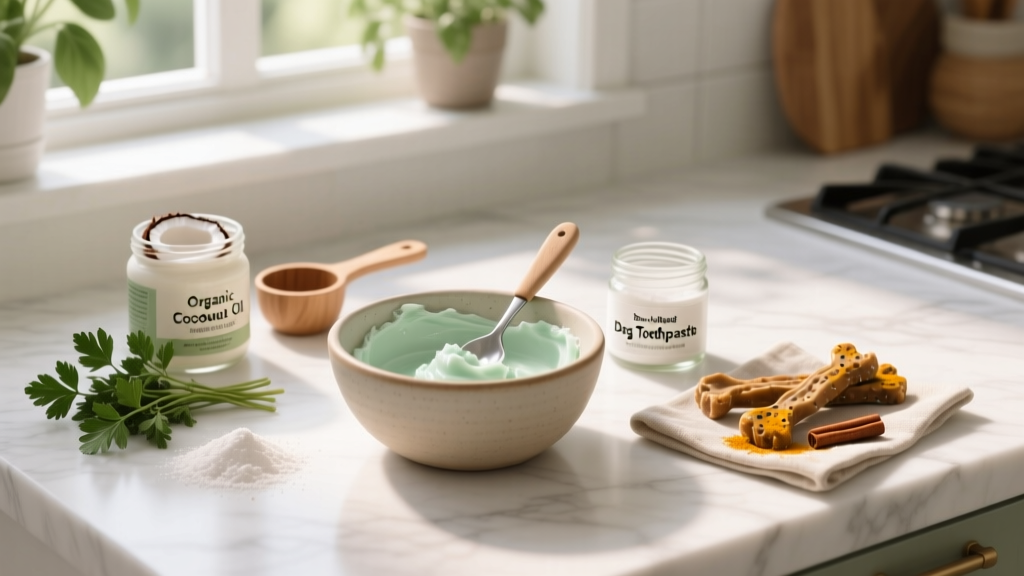
Yes, virgin coconut oil is generally safe in small amounts. Apply a pea-sized amount and massage gently. The main risk is that your dog will immediately lick it off — coconut oil is safe for ingestion in small quantities, but it won't have time to moisturize if licked away within seconds. A dedicated nose balm with a wax base (like candelilla or beeswax) will stay on longer and provide more sustained moisturizing. If your dog is a compulsive licker, apply balm right before a walk or meal when they're distracted.
My dog's nose used to be black but is turning pink. Should I worry?
Gradual lightening over months, especially in winter, is often "snow nose" (hypopigmentation) and is harmless — it's common in Huskies, Malamutes, Golden Retrievers, and German Shepherds. The pigment typically returns in spring. However, rapid depigmentation over days to weeks, especially if accompanied by texture changes (smooth nose losing its cobblestone pattern), redness, or erosions, warrants a veterinary exam. This can indicate DLE, pemphigus, or vitiligo, and some of these conditions benefit from early treatment.
How do I know if my dog's nose is too dry?
The touch test is straightforward: a healthy nose should feel slightly moist or at least smooth and pliable. If the surface feels rough, papery, or like cracked leather — and especially if you can see visible flakes, fissures, or areas where the surface has split — it's too dry and needs attention. Compare to your own lips: the feeling of "chapped" is a useful reference point. If your dog's nose feels like severely chapped lips, it needs moisturizing and monitoring.
Is it safe to use human moisturizer on my dog's nose?
Generally, no. Many human lotions contain ingredients toxic to dogs — including xylitol (an artificial sweetener), essential oils like tea tree or eucalyptus, salicylic acid at concentrations too high for canine skin, and synthetic fragrances that can irritate. Because dogs lick their noses constantly, anything you apply will be ingested. Stick to products specifically formulated and tested for canine use, or use plain, food-grade coconut oil or shea butter as a safe alternative.
Why is my dog's nose dry and cracked only on one side?
Asymmetrical nose dryness or cracking deserves closer attention than symmetrical changes. It can indicate a localized issue: a foreign body lodged in one nostril, a dental root abscess draining near the nose, early squamous cell carcinoma, or a focal fungal infection. If one-sided changes persist for more than a week despite balm application, schedule a veterinary exam. Your vet may recommend imaging (dental radiographs or a CT scan) to check for underlying structural causes.
For more information on canine skin conditions, consult the Merck Veterinary Manual's dermatology section. If you suspect your dog has ingested a toxic substance, contact ASPCA Animal Poison Control at (888) 426-4435 (24/7, consultation fee applies) or the Pet Poison Helpline at (855) 764-7661.
Tom Renshaw
All our authors care for dogs every day — read more of their work on the authors page.