Non Shedding Small Dogs: Complete Skin & Coat Care Guide
Expert skin and coat care guide for non shedding small dogs. Learn grooming routines, common skin problems, home exams, and vet warning signs.

If you've chosen a non shedding small dog — a Bichon Frise, Toy Poodle, Maltese, or similar low-shed breed — you probably made that decision partly to avoid tumbleweeds of fur on your couch. But here's the trade-off that many first-time owners of these breeds don't anticipate: hair that doesn't shed out naturally stays on the dog, growing continuously like human head hair. That means the skin and coat of non shedding small dogs require a fundamentally different care approach than the short-coated breeds that shed seasonally.
This guide covers everything you need to know about maintaining your small, low-shed dog's skin and coat health — from daily brushing techniques to recognizing early signs of the skin conditions these breeds are uniquely prone to.
How Dog Skin Works: An Anatomy Quick Primer
Dog skin is structurally thinner than human skin — the epidermis is only 3-5 cell layers thick compared to our 10-15 layers. This makes canine skin more vulnerable to irritation, infection, and allergen penetration. The pH also differs significantly: dog skin sits at 6.2-7.4 (near neutral), while human skin is more acidic at 5.5. Using human shampoo on a dog disrupts the acid mantle that protects against bacteria and yeast.
For non shedding small dogs specifically, the hair follicle growth cycle is extended. Instead of the typical 4-6 month anagen (growth) phase seen in shedding breeds, hair follicles in breeds like Poodles and Bichons remain in active growth for much longer. This continuous growth is what prevents shedding — but it also means dead skin cells, sebum (natural oils), and environmental debris get trapped against the skin rather than being carried away by shedding hair.
The Merck Veterinary Manual notes that canine skin also contains a higher density of hair follicles per square inch than human skin, particularly in small breeds where follicles are packed into a compact body surface. More follicles in a smaller area means more potential sites for folliculitis, sebaceous gland blockages, and matting close to the skin.
Common Skin & Coat Problems in Non Shedding Small Dogs
Non shedding small dogs face a distinct set of dermatological challenges. The very trait that makes them appealing — continuous hair growth with minimal shedding — creates an environment where moisture, debris, and microorganisms can accumulate against the skin.
| Condition | Key Symptoms | Breeds Most Affected | Typical Vet Treatment Cost |
|---|---|---|---|
| Sebaceous Adenitis | Silvery scales, hair loss in patches, musty odor, skin thickening | Toy & Miniature Poodles, Havanese | $200-$600 (diagnosis + initial treatment) |
| Malassezia Dermatitis (Yeast) | Greasy skin, brown waxy buildup in ears/folds, intense itching, sweet/musty odor | Bichon Frise, Maltese, Coton de Tulear | $100-$300 per episode |
| Matting & Pelt Formation | Tight felted hair close to skin, redness underneath, skin tearing when removed | All non-shedding small breeds | $80-$250 (professional dematting/shave-down) |
| Atopic Dermatitis (Environmental Allergies) | Licking paws, face rubbing, recurrent ear infections, redness in armpits/groin | West Highland White Terrier, Bichon Frise, Toy Poodle | $300-$1,500+ annually (ongoing management) |
| Folliculitis (Bacterial) | Small red bumps, pustules, crusty spots, thinning coat in affected areas | Miniature Schnauzer, Shih Tzu | $120-$350 |
| Lacrimal Staining (Tear Stains) | Reddish-brown streaks from inner eye corner, damp matted hair, skin irritation below eye | Maltese, Bichon Frise, Toy Poodle, Shih Tzu | $75-$200 if secondary infection develops |
Normal vs. Abnormal: What Healthy Skin & Coat Looks Like
Knowing what's normal for your specific dog is the single most valuable skill for catching problems early. Here's a side-by-side comparison to calibrate your expectations.
- Skin is pale pink to light gray (varies by pigmentation), smooth to the touch
- Coat has a soft sheen; individual hairs separate easily when you part the fur
- Mild, clean "dog" scent — not offensive or sweet
- No visible flakes or scales when you brush against the grain
- Ears: pale pink inside, minimal light-colored wax, no strong odor
- Skin folds (if present): dry, clean, no redness
- Coat parts easily down the spine with skin visible as a clean line
- No hot spots, raised bumps, or areas where hair breaks off
- Skin appears bright red, darkened (hyperpigmented), or thickened/leathery
- Coat looks dull, greasy, or clumps together even after brushing
- Strong yeasty, cheesy, or musty odor — especially after bathing
- White or yellowish flakes, crusty patches, or silvery scales visible
- Ears: dark brown/black waxy buildup, redness, head shaking, odor
- Skin folds: moist, red, raw-looking, or with brown discharge
- Tight mats you cannot separate with your fingers close to the skin
- Excessive scratching, licking, biting, or rubbing against furniture
How to Perform a Home Skin & Coat Examination
A thorough home exam takes about 5-7 minutes and should be done weekly for non shedding small dogs. Choose a time when your dog is relaxed — after a walk or play session works well. Use positive reinforcement: treats and calm praise throughout.
- 1 Part the coat in systematic sections. Starting at the head, use your fingers to create a visible part line down the spine. Look directly at the exposed skin. Move 1-2 inches lateral and create another part. Work from neck to tail, covering both sides. For small dogs under 15 lb (7 kg), you can usually see the full body in 6-8 part lines.
- 2 Check high-risk zones. Pay extra attention to: behind and below the ears (matting and yeast hotspots), armpits (friction irritation), the groin and inner thighs (moisture trapping), between the paw pads (foreign bodies, cysts), and the base of the tail (flea allergy dermatitis site even in indoor dogs).
- 3 Run your hands over the full body. Use flat palms and feel for: raised bumps, scabs, thickened areas, unusual warmth, or any lumps under the skin. Note the location and approximate size (compare to a pea, grape, or marble) of anything new.
- 4 Inspect the ears. Gently fold back each ear flap. The inner surface should be pale pink and mostly clean. Look for discharge color (light tan is normal; dark brown, black, or yellow-green is not), smell for odor, and note if your dog pulls away or yelps when you touch the ear base.
- 5 Examine the face and eye area. Check for tear staining (reddish-brown discoloration), crusting at the eye corners, redness on the muzzle folds (especially in Shih Tzus and Brussels Griffons), and any hair loss around the eyes or mouth.
- 6 Do a comb test. Run a fine-toothed metal comb through the full coat, from skin to tip. If the comb snags or won't pass through smoothly, you have matting that needs attention before it tightens against the skin. Pay special attention to friction areas: behind ears, under collar/harness, and the chest.
Weekly Care Routine for Non Shedding Small Dogs
Unlike shedding breeds that benefit from seasonal de-shedding tools, non shedding small dogs need consistent, year-round maintenance. Here's a care schedule based on recommendations consistent with AKC grooming guidelines for continuously-growing coats.
| Task | Frequency | Method & Details |
|---|---|---|
| Full-body brushing | Every 2-3 days (minimum 2x/week) | Use a slicker brush (medium-fine pins) followed by a metal comb. Brush in layers — lift the top coat and brush the underlayer first. Spend 10-15 minutes for a dog under 15 lb. |
| Bathing | Every 3-4 weeks | Use a pH-balanced canine shampoo (6.2-7.4). Water temperature: 100-102°F (38-39°C). Double rinse — residue causes itching. Towel dry, then blow-dry on cool/low while brushing to prevent mats from tightening when wet hair dries. |
| Ear cleaning | Weekly | Apply a veterinarian-approved ear cleanser into the ear canal, massage the base for 20-30 seconds, let dog shake, then wipe the visible outer canal with a cotton round. Never use cotton swabs deep in the canal. |
| Tear stain care | Daily | Wipe the area below each eye with a damp, soft cloth or canine eye wipe. Keep the hair in this area trimmed short (¼ inch / 6 mm). If staining persists, consult your vet — it can signal blocked tear ducts or eye irritation. |
| Professional grooming | Every 6-8 weeks | Full bath, haircut, nail trim, anal gland expression (if needed), and sanitary trim. Expect to pay $55-$120 per session for small breeds depending on coat length and your region. |
| Skin & coat exam | Weekly | Follow the 6-step home exam outlined above. Takes 5-7 minutes. Log any changes in a notes app with photos for your vet records. |
Products You'll Need
These are the specific tools and products that work well for non shedding small dog coats, based on what professional groomers use on breeds like Poodles, Bichons, and Havanese:
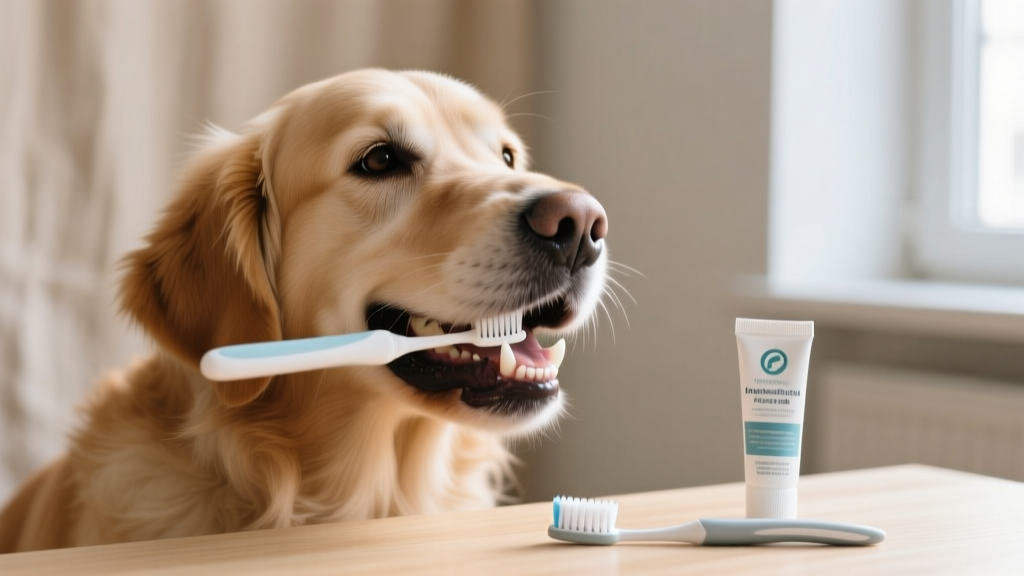
- Slicker brush: Chris Christensen Big G slicker (medium, ~$45-$55) or the more budget-friendly Hertzko Self-Cleaning Slicker (~$15-$20). Choose medium-fine pins for small-breed coats.
- Metal comb: A 7.5-inch stainless steel comb with both coarse and fine teeth (Andis Steel Comb, ~$10-$14). The fine end checks for remaining tangles after slicker brushing.
- Shampoo: Look for a canine-specific, pH-balanced formula. Options include Earthbath Oatmeal & Aloe (~$14-$18 for 16 oz) for sensitive skin, or Iv San Bernard traditional line for show-quality coats ($25-$40). Avoid any shampoo labeled "for humans" or "tear-free baby shampoo" — the pH is wrong for dogs.
- Conditioner: Essential for non-shedding coats to prevent static and tangling. A leave-in spray conditioner like The Stuff (~$18-$25) applied after towel-drying helps the comb glide through.
- Ear cleanser: Epi-Otic Advanced by Virbac (~$14-$18) or Zymox Ear Cleanser (~$10-$14). Both are non-irritating, veterinarian-recommended options.
- Eye wipes: Eye Envy solution and wipes system (~$18-$28) or Arava Pet Eye Wipes (~$10-$12).
- Detangling spray: For stubborn mats before brushing — BioSilk Therapy Detangling Spray (~$12-$16) or a 50/50 water-and-conditioner mix in a spray bottle.
Breed Predispositions: Which Non Shedding Small Dogs Face the Most Skin Issues
Not all low-shedding small breeds carry the same dermatological risk profile. Some have genetic predispositions that make certain conditions significantly more likely.
| Breed | Weight Range | Highest-Risk Conditions | Grooming Difficulty (1-5) |
|---|---|---|---|
| Toy / Miniature Poodle | 4-15 lb (2-7 kg) | Sebaceous adenitis, atopic dermatitis, ear canal infections (due to hairy ear canals) | 4/5 — dense curly coat mats rapidly |
| Bichon Frise | 12-18 lb (5-8 kg) | Atopic dermatitis (very high prevalence), Malassezia yeast, flea allergy dermatitis | 4/5 — double-layered coat needs thorough layer brushing |
| Maltese | 4-7 lb (2-3 kg) | Tear staining, skin fold dermatitis on face, white coat discoloration from saliva/urine | 3/5 — long silky hair tangles but doesn't mat as tightly as curly coats |
| Shih Tzu | 9-16 lb (4-7 kg) | Facial fold pyoderma, interdigital cysts, hot spots under dense coat | 5/5 — thick double coat with strong matting tendency |
| Miniature Schnauzer | 11-20 lb (5-9 kg) | Comedone syndrome ("Schnauzer bumps"), folliculitis, atopic dermatitis | 3/5 — wiry coat resists matting but needs regular stripping or clipping |
| Havanese | 7-13 lb (3-6 kg) | Sebaceous adenitis (genetic predisposition), ear infections, allergic skin disease | 4/5 — long, silky-to-wavy coat tangles easily at friction points |
| Coton de Tulear | 9-15 lb (4-7 kg) | Allergic dermatitis, Malassezia overgrowth, matting in cottony-textured coat | 4/5 — unique cotton texture grabs debris and tangles |
When to See the Vet: Red Flag Skin & Coat Symptoms
Contact your vet promptly (within 24-48 hours) if you notice any of the following:
- Open sores, raw patches, or bleeding skin — these can become infected rapidly in small dogs
- Large, firm, or rapidly growing lumps — any new mass larger than a pea that doesn't resolve in 2 weeks needs evaluation
- Hair loss in distinct circular patches — could indicate ringworm (zoonotic — transmissible to humans) or demodectic mange
- Ear discharge that is dark brown, black, or foul-smelling — likely a bacterial or yeast infection requiring prescription medication
- Excessive scratching that disrupts sleep or causes self-injury — indicates significant discomfort requiring medical management
- Skin that feels hot to the touch or has spreading redness — possible cellulitis or deep bacterial infection
- Sudden coat texture change — a previously soft coat becoming dry, brittle, or coarse can signal hypothyroidism, Cushing's disease, or nutritional deficiency
- Mats you cannot remove — tight pelting against the skin can restrict blood flow and cause tissue necrosis; a groomer or vet should handle removal
Emergency (seek immediate care): Facial swelling, hives covering large body areas, difficulty breathing, or collapse after a grooming product application — these suggest anaphylaxis and require emergency veterinary treatment.
For any skin condition that doesn't improve within 7-10 days of home care adjustments, consult your veterinarian. Many skin conditions in non shedding small dogs look similar on the surface but require very different treatments — only a vet can perform the cytology, skin scraping, or culture needed for accurate diagnosis.
Prevention Strategies: Keeping Non Shedding Coats Healthy Long-Term
The best approach to skin and coat problems in low-shedding small breeds is prevention. These strategies address the root causes rather than just treating symptoms after they appear.
Nutrition as a Foundation
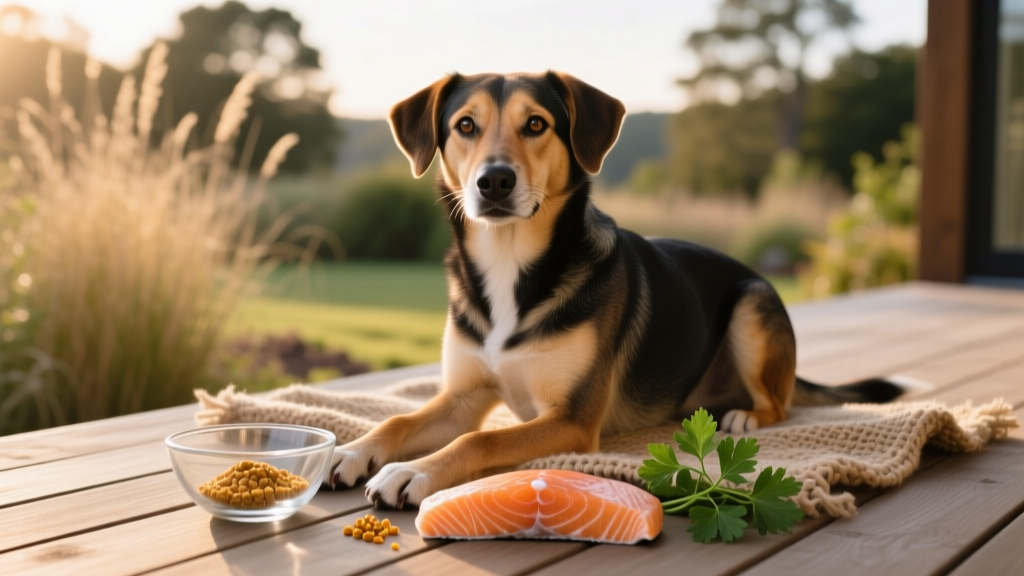
Skin and coat health starts with diet. Look for an AAFCO-approved complete and balanced food with these markers for coat support:
- Minimum 22% crude protein for adult maintenance (higher for active dogs)
- Named animal protein as the first ingredient (chicken, salmon, lamb — not "meat by-products")
- Omega-6 to omega-3 fatty acid ratio between 5:1 and 10:1 — this ratio supports skin barrier function
- Added zinc (minimum 120 mg/kg for adult maintenance per AAFCO guidelines) — zinc deficiency directly causes skin scaling and hair loss
Fish oil supplementation (EPA/DHA) at 50-100 mg combined EPA+DHA per kg of body weight daily has documented benefits for canine skin barrier function. For a 10 lb (4.5 kg) dog, that's approximately 225-450 mg combined EPA+DHA daily. Consult your veterinarian before starting any supplement.
Environmental Controls
- Humidity management: In dry climates or winter heating season, indoor humidity below 30% dries out canine skin. Use a humidifier to maintain 40-50% in rooms where your dog spends the most time.
- Bedding hygiene: Wash dog beds and blankets weekly in hot water (minimum 130°F / 54°C) to kill dust mites — a major trigger for atopic dermatitis in predisposed breeds.
- Flea prevention year-round: Even indoor-only small dogs need flea prevention. A single flea bite can trigger flea allergy dermatitis in sensitized dogs. Talk to your vet about isoxazoline-class preventives (Bravecto, NexGard, Simparica) which are safe for small breeds when dosed correctly.
- Avoid over-bathing: Bathing more than every 2 weeks strips natural skin oils and damages the acid mantle. If your dog gets dirty between baths, use a waterless canine shampoo spray on the soiled area only rather than a full bath.
Grooming Habits That Prevent Problems
- Keep a shorter "puppy cut" if you can't commit to brushing every 2-3 days. A 1-2 inch (2.5-5 cm) coat length dramatically reduces matting risk compared to a full-length show coat.
- Always brush before bathing. Water tightens existing tangles into cement-like mats. Never bathe a dog with unresolved tangles.
- Use a detangling spray before brushing — never try to brush a dry, tangled coat, which causes pain and breaks hair shafts.
- Trim sanitary areas (around the anus and vulva/prepuce) every 2-3 weeks to prevent fecal and urinary scald on the skin.
- Keep hair between paw pads trimmed flush with the pad surface — excess hair here traps moisture and debris, leading to interdigital pododermatitis.
Frequently Asked Questions
Do non shedding small dogs still need regular grooming if they don't shed?
Yes — in fact, they need more grooming attention than shedding breeds. Shedding is a natural mechanism that removes dead hair and distributes skin oils. Without it, non shedding small dogs rely entirely on brushing and bathing to accomplish the same tasks. Skipping grooming for even 2-3 weeks can result in significant matting close to the skin that may require a full shave-down to resolve.
Can I use coconut oil on my dog's skin for dryness?
Coconut oil is not recommended as a primary skin treatment for dogs. While it's not toxic in small amounts applied topically, it is comedogenic (pore-clogging) and can worsen conditions like folliculitis or Schnauzer comedone syndrome. It also adds a greasy layer that traps debris against the skin. If your dog has dry skin, consult your veterinarian for a proper diagnosis and treatment plan — dryness can signal allergies, endocrine disorders, or nutritional deficiencies that coconut oil won't address.
How often should I take my non shedding small dog to a professional groomer?
Most non shedding small breeds benefit from professional grooming every 6-8 weeks. This includes a full bath with breed-appropriate products, a haircut to maintain manageable coat length, nail trimming, ear cleaning, and a sanitary trim. Dogs kept in longer show-style coats may need appointments every 4-5 weeks. Budget $55-$120 per session, which totals $385-$840 annually at 6-8 week intervals.
My dog's skin gets red after grooming — is that normal?
Mild, temporary pinkness after a close clip can occur, especially in fair-skinned dogs. However, persistent redness, raised bumps, oozing, or signs of pain after grooming are not normal. Causes can include clipper burn (thermal irritation from hot blades), allergic reaction to grooming products, or bacterial infection introduced through micro-abrasions. If redness lasts more than 24 hours or your dog is scratching the area, consult your veterinarian. You may need to switch groomers or request hypoallergenic products.
Are hypoallergenic shampoos actually better for non shedding small dogs?
"Hypoallergenic" is not a regulated term in pet products, so it doesn't guarantee anything. What matters is the specific formulation: look for shampoos that are soap-free, pH-balanced for canine skin (6.2-7.4), free of artificial dyes and heavy fragrances, and contain soothing ingredients like colloidal oatmeal, aloe vera, or pramoxine (a mild topical anesthetic for itchy skin). If your dog has diagnosed allergies, your veterinarian may prescribe a medicated shampoo with chlorhexidine, ketoconazole, or hydrocortisone — these are far more effective than any over-the-counter "hypoallergenic" product.
Beth Carrasco
All our authors care for dogs every day — read more of their work on the authors page.