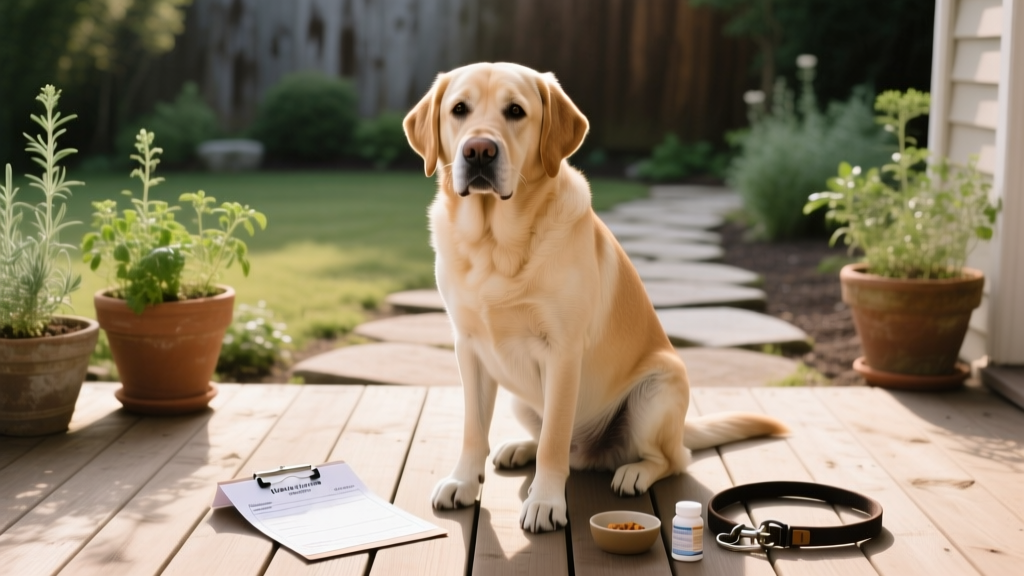
Safe Options, Dosages & When to Call the Vet
Complete guide to nausea medicine for dogs — prescription and OTC options, dosages by weight, when to see the vet, and costs.

If your dog is drooling excessively, refusing food, or vomiting repeatedly, you're likely searching for nausea medicine for dogs that actually works. Canine nausea isn't a disease itself — it's a symptom triggered by anything from motion sickness and dietary indiscretion to serious conditions like pancreatitis, kidney failure, or toxin ingestion. Before reaching for any medication, understanding what's causing the nausea and which treatments are safe is critical, because some human anti-nausea drugs are toxic to dogs.
Understanding Nausea in Dogs: What Causes It
Nausea in dogs is the uncomfortable sensation that precedes vomiting. It's mediated by the chemoreceptor trigger zone (CTZ) in the brain and the vestibular system in the inner ear. According to the Merck Veterinary Manual, vomiting and nausea can originate from gastrointestinal, metabolic, neurologic, or toxicologic causes.
Common triggers include:
- Dietary indiscretion — eating garbage, spoiled food, or foreign objects (the #1 cause of acute nausea in dogs)
- Motion sickness — especially in puppies and dogs with limited car travel exposure
- Pancreatitis — inflammation of the pancreas, often triggered by high-fat meals
- Kidney or liver disease — toxin buildup causes chronic nausea
- Toxin ingestion — chocolate, grapes, xylitol, antifreeze, rodenticide
- Parvovirus or other infectious diseases — particularly in unvaccinated puppies
- Medications — NSAIDs, antibiotics, and chemotherapy drugs commonly cause nausea as a side effect
- Vestibular disease — inner ear dysfunction causing dizziness and nausea, common in senior dogs
Symptoms of Nausea in Dogs: Early Warning Signs vs. Advanced Signs
Dogs can't tell you they feel sick, so recognizing the behavioral and physical signs is essential. Nausea symptoms progress from subtle to obvious — catching them early means faster treatment and better outcomes.
| Severity | Symptom | What It Looks Like |
|---|---|---|
| Early / Mild | Excessive drooling (hypersalivation) | Wet chin, frequent swallowing, lip smacking |
| Lip licking | Repeated tongue flicks over nose and lips | |
| Decreased appetite | Sniffing food then walking away, refusing treats | |
| Restlessness | Pacing, inability to settle, frequent position changes | |
| Yawning excessively | Repeated yawning not related to tiredness | |
| Moderate | Retching / dry heaving | Stomach contractions without producing vomit |
| Grass eating | Frantic grass consumption (instinctive nausea response) | |
| Lethargy | Reduced activity, sleeping more, slow to respond | |
| Abdominal discomfort | Hunched posture, "prayer position" (front down, rear up), tense belly | |
| Severe / Advanced | Repeated vomiting | 3+ episodes in 24 hours, may contain blood or bile |
| Dehydration | Tacky gums, skin tenting (skin stays up when pinched), sunken eyes | |
| Bloody vomit or diarrhea | Red streaks, coffee-ground appearance, or black tarry stool | |
| Collapse / weakness | Unable to stand, pale gums, rapid breathing |
Risk Factors: Which Dogs Are More Prone to Nausea?
Key Risk Factors for Canine Nausea
| Breed Predisposition | Brachycephalic breeds (French Bulldogs, Pugs, Boston Terriers) are more prone to vomiting due to airway anatomy. Giant breeds (Great Danes, German Shepherds) have higher risk of bloat/GDV, which presents with nausea. Shar-Peis and Miniature Schnauzers are predisposed to conditions causing chronic nausea. |
| Age | Puppies (under 6 months) are highly susceptible to parvovirus-related nausea and dietary indiscretion. Senior dogs (8+ years) face increased risk from kidney disease, liver disease, and cancer. |
| Weight | Overweight dogs have higher rates of pancreatitis, a major nausea trigger. Underweight dogs may have underlying GI disease. |
| Environment | Dogs with access to garbage, compost, toxic plants, or human medications have higher acute nausea risk. Multi-dog households increase infectious disease transmission. |
| Medication Use | Dogs on NSAIDs (carprofen, meloxicam), antibiotics (metronidazole, doxycycline), or chemotherapy frequently experience nausea as a side effect. |
How Veterinarians Diagnose the Cause of Nausea
Because nausea is a symptom, not a diagnosis, your vet needs to identify the underlying cause before prescribing nausea medicine for dogs. The diagnostic process typically follows this pathway:
Typical Diagnostic Workup
- Physical Examination ($50–$90) — Palpation of abdomen, hydration assessment, temperature, heart/lung auscultation, oral exam for foreign objects or ulcers.
- Complete Blood Count (CBC) + Chemistry Panel ($120–$250) — Checks for infection, anemia, organ function (kidney values BUN/creatinine, liver enzymes ALT/ALP), electrolyte imbalances, and blood glucose. This is often the first-line test.
- Abdominal X-rays ($150–$350) — Identifies foreign objects, gas patterns suggesting obstruction or bloat, organ enlargement, or free fluid in the abdomen.
- Abdominal Ultrasound ($300–$600) — More detailed than X-rays; evaluates intestinal wall thickness, pancreatic inflammation, gallbladder status, and masses. Usually requires referral to a specialist.
- Canine Pancreatic Lipase (cPL) Test ($80–$150) — Specific blood test for pancreatitis, one of the most common causes of acute nausea in dogs.
- Fecal Panel / Parvo Test ($40–$90) — Rules out parasites (Giardia, coccidia) and parvovirus, especially in puppies.
- Endoscopy or Exploratory Surgery ($1,500–$4,000) — Reserved for cases where imaging and blood work don't reveal the cause, or when a foreign body obstruction is suspected.
Total diagnostic costs for a nausea workup typically range from $200 to $800 for initial evaluation, escalating to $1,500–$5,000+ if advanced imaging or surgery is needed.
Nausea Medicine for Dogs: Treatment Options Compared
Once the underlying cause is identified (or while diagnostics are pending), your veterinarian may prescribe anti-nausea medication. These drugs work through different mechanisms — some block signals in the brain's vomiting center, others coat and protect the stomach lining, and some address the root cause directly.
| Medication | Type | Mechanism | Typical Dose | Onset | Common Uses |
|---|---|---|---|---|---|
| Maropitant (Cerenia) | Prescription (FDA-approved for dogs) | Neurokinin-1 (NK-1) receptor antagonist — blocks substance P in the brain's vomiting center | 8 mg/kg orally once daily, or 1 mg/kg subcutaneous injection | 45–60 minutes (oral); 30 minutes (injection) | Acute vomiting, motion sickness, chemotherapy-induced nausea |
| Ondansetron (Zofran) | Prescription (human drug used off-label in dogs) | 5-HT3 serotonin receptor antagonist | 0.1–0.5 mg/kg IV or orally every 8–12 hours | 30 minutes (IV); 60 minutes (oral) | Severe vomiting, parvovirus, chemotherapy, post-surgical nausea |
| Metoclopramide (Reglan) | Prescription | Dopamine antagonist + prokinetic (speeds gastric emptying) | 0.2–0.5 mg/kg orally or IV every 6–8 hours | 30–60 minutes | Delayed gastric emptying, reflux, mild-moderate nausea. NOT for suspected obstruction. |
| Meclizine (Bonine/Antivert) | OTC (vet-directed) | Antihistamine — suppresses vestibular system | 12.5–25 mg per dog orally, 30–60 min before travel | 60 minutes | Motion sickness, vestibular disease |
| Diphenhydramine (Benadryl) | OTC (vet-directed) | Antihistamine — mild anti-nausea via sedation | 1 mg/lb (2.2 mg/kg) every 8–12 hours | 30–60 minutes | Mild motion sickness, allergic reactions with GI signs |
| Famotidine (Pepcid) | OTC (vet-directed) | H2 receptor antagonist — reduces stomach acid | 0.25–0.5 mg/lb (0.5–1 mg/kg) every 12–24 hours | 60–90 minutes | Acid reflux, gastritis, ulcer prevention (not a true anti-emetic) |
Important note: Dosages listed above are general veterinary references from the Plumb's Veterinary Drug Handbook. Your veterinarian will determine the exact dose based on your dog's weight, health status, concurrent medications, and the specific cause of nausea. Never adjust doses without veterinary guidance.
Supportive Care That Accompanies Medication
Anti-nausea drugs treat the symptom — not always the cause. Your vet will often combine medication with:
- Subcutaneous or IV fluids ($50–$200 per session) — corrects dehydration from vomiting; may include electrolytes and B-vitamins
- Bland diet transition — boiled chicken breast (skinless, boneless) and white rice in a 1:2 ratio, fed in small portions every 3–4 hours for 3–5 days before gradually reintroducing regular food
- Sucralfate ($15–$40) — a prescription "stomach bandage" that coats ulcers and inflamed tissue
- Probiotics (FortiFlora, Proviable — $25–$40) — restores gut microbiome balance, especially after antibiotic-associated nausea
Prognosis: What to Expect Based on the Underlying Cause
| Underlying Cause | Typical Prognosis | Recovery Timeframe | Long-Term Outlook |
|---|---|---|---|
| Dietary indiscretion (garbage gut) | Excellent | 24–72 hours with supportive care | Full recovery expected; prevent access to triggers |
| Motion sickness | Excellent | Resolves when motion stops; medication preventive | Many puppies outgrow it by 12 months; counter-conditioning helps |
| Acute pancreatitis | Good to guarded (depends on severity) | 3–7 days hospitalized; 2–4 weeks full recovery | Recurrence common without dietary management; lifelong low-fat diet recommended |
| Foreign body obstruction | Good with surgery; poor if delayed | 2–5 days post-surgery hospitalization; 2–3 weeks recovery | Full recovery if no intestinal perforation; prevention is key |
| Parvovirus | Guarded — 68–92% survival with aggressive treatment | 5–10 days hospitalized; 2–4 weeks full recovery | Survivors develop lasting immunity; prevention via vaccination |
| Chronic kidney disease | Guarded to poor (progressive, incurable) | Ongoing management; nausea may recur | Median survival 6–18 months depending on IRIS stage at diagnosis |
| Toxin ingestion | Variable — depends on toxin, dose, and time to treatment | 24 hours to 2+ weeks | Full recovery possible with prompt decontamination; some toxins cause permanent organ damage |
Home Care and Management After the Vet Visit
Once your dog is stabilized and sent home with nausea medicine, follow these evidence-based management steps:
Feeding Protocol
- Hours 0–12 after vomiting stops: Withhold food but offer small ice cubes or 1–2 tablespoons of water every 30 minutes. Hydration is critical, but a full stomach can trigger renewed vomiting.
- Hours 12–24: Offer 1–2 tablespoons of bland diet (boiled chicken and rice) every 3–4 hours. If tolerated, gradually increase portion size.
- Days 2–5: Transition to 3–4 small bland meals daily. Begin mixing in 25% regular food on day 3, increasing by 25% each day until fully transitioned by day 5–7.
- Ongoing: If pancreatitis was diagnosed, switch to a prescription low-fat diet (Hill's i/d, Royal Canin Gastrointestinal Low Fat, or Purina EN) — these cost approximately $60–$90 per 27-lb bag.
Medication Administration Tips
- Cerenia tablets: Can be hidden in a small amount of low-fat cream cheese or peanut butter (xylitol-free). Do not give with high-fat food wraps — fat reduces absorption by up to 30%.
- Ondansetron ODT (orally disintegrating tablets): Place directly on the tongue; dissolves in seconds without water. Ideal for dogs that resist pill-giving.
- Liquid medications: Use a 1mL or 3mL oral syringe aimed at the cheek pouch, not the back of the throat, to prevent aspiration.
Monitoring Checklist at Home
Track these metrics and report changes to your vet:
- Number of vomiting episodes per 24 hours
- Water intake (normal is approximately 1 oz per pound of body weight per day)
- Stool consistency and frequency
- Energy level on a 1–5 scale (1 = collapsed, 5 = normal)
- Appetite — are they eating offered food completely, partially, or refusing?
How Much Does Nausea Treatment Cost?
Costs vary dramatically depending on whether nausea is a one-time event or a symptom of a serious underlying condition:
| Scenario | Estimated Cost Range | What's Included |
|---|---|---|
| Mild (dietary indiscretion) | $150–$400 | Exam, Cerenia injection, subcutaneous fluids, take-home anti-nausea medication |
| Moderate (pancreatitis, infection) | $500–$2,500 | Exam, blood work, X-rays, IV fluids (1–3 days hospitalization), injectable and oral medications, cPL test |
| Severe (foreign body surgery) | $2,000–$7,000 | Full diagnostic workup, exploratory surgery or endoscopy, 2–5 days hospitalization, post-op medications |
| Critical (parvovirus, toxin) | $1,500–$8,000+ | ICU-level care, continuous IV fluids, plasma transfusions, multiple daily blood panels, 5–10 days hospitalization |
| Chronic management (kidney/liver disease) | $100–$300/month ongoing | Monthly anti-nausea medication, prescription diet, quarterly blood work ($150–$300 per panel), subcutaneous fluids at home |
Pet insurance note: Most comprehensive pet insurance policies (Trupanion, Healthy Paws, Nationwide) cover nausea treatment when it's linked to a diagnosed illness — including emergency hospitalization. However, pre-existing conditions are universally excluded. Average monthly premiums in 2026 range from $35–$75 depending on breed, age, and deductible.
Prevention Strategies
While you can't prevent every cause of nausea, these measures significantly reduce risk:
- Vaccination: Keep DHPP (distemper/parvo combination) current. Puppies should receive their full series at 6–8, 10–12, and 14–16 weeks, with a booster at 1 year and every 3 years thereafter per AVMA guidelines.
- Dietary management: Avoid sudden food changes (transition over 7–10 days). Keep dogs away from table scraps, especially high-fat foods like bacon grease, butter, and fried items. Use a slow-feeder bowl if your dog gulps food.
- Toxin-proof your home: Store human medications, chocolate, xylitol products, grapes/raisins, and cleaning supplies in secured cabinets. The ASPCA Animal Poison Control hotline — (888) 426-4435 — is available 24/7 if ingestion occurs (consultation fee applies).
- Motion sickness desensitization: For car-sick dogs, start with 2-minute sessions of sitting in a parked car with treats, gradually progressing to short drives. Cerenia (maropitant) can be prescribed for travel days at 8 mg/kg given 2 hours before departure.
- Regular wellness exams: Annual blood work catches early kidney and liver changes before nausea develops. Senior dogs (7+ years) benefit from twice-yearly screening.
- Supervise outdoor time: Prevent access to compost piles, dead animals, standing water (leptospirosis risk), and mushrooms.
🚨 When to See the Vet Immediately
Do NOT wait or attempt home treatment if your dog shows any of these red flags:
- Vomiting 3 or more times in 12 hours — especially if unable to keep water down
- Blood in vomit — bright red streaks or dark coffee-ground material
- Suspected toxin ingestion — chocolate, xylitol, antifreeze, rat poison, human medications
- Unproductive retching with a distended abdomen — this is a hallmark of Gastric Dilatation-Volvulus (bloat/GDV), a life-threatening emergency most common in deep-chested breeds. Go to the nearest emergency vet immediately.
- Lethargy combined with vomiting in a puppy under 6 months — parvovirus can be fatal within 48–72 hours without treatment
- Pale or white gums — indicates shock, internal bleeding, or severe anemia
- Signs of severe dehydration — skin tenting (skin stays elevated when pinched at the scruff), tacky or dry gums, sunken eyes
- Known ingestion of a foreign object — socks, toys, bones, corn cobs, rocks
- Neurological signs with vomiting — head tilt, circling, seizures, or collapse
If you suspect toxin ingestion, call the ASPCA Animal Poison Control Center at (888) 426-4435 (24/7, fee applies) or the Pet Poison Helpline at (855) 764-7661 while en route to the vet.
Frequently Asked Questions About Nausea Medicine for Dogs
Can I give my dog Pepto-Bismol for nausea?
While bismuth subsalicylate (Pepto-Bismol) is sometimes used in veterinary practice, it contains salicylate — the same compound family as aspirin — which can cause stomach ulcers and kidney damage in dogs, especially at incorrect doses. It's also contraindicated in dogs on NSAIDs or steroids, and in dogs with bleeding disorders. The typical veterinary dose, when used at all, is 0.5–1 mL per pound every 8–12 hours, but you should only use it under direct veterinary instruction. Never give it to cats (it's toxic to them).
Is Cerenia (maropitant) safe for long-term use?
Cerenia is FDA-approved for up to 5 consecutive days for acute vomiting and up to 2 weeks for motion sickness prevention. For chronic conditions like kidney disease, some veterinarians prescribe it off-label for longer periods, but this requires regular monitoring of liver values. Studies have shown it to be well-tolerated in extended use, but the decision should always be made by your vet based on your dog's specific condition.
What's the difference between vomiting and regurgitation?
This distinction matters for diagnosis. Vomiting involves active abdominal contractions, nausea signs (drooling, retching), and partially digested food often mixed with bile. Regurgitation is passive — food comes up without effort, is usually undigested and tubular in shape, and occurs shortly after eating. Regurgitation suggests esophageal problems (megaesophagus, stricture) rather than stomach issues, and requires a completely different diagnostic approach.
Can ginger help with my dog's nausea?
Some evidence suggests ginger has mild anti-nausea properties in dogs. A small amount of fresh grated ginger (approximately ¼ teaspoon for a medium-sized dog) mixed into food may help with mild stomach upset. However, ginger is not a substitute for veterinary-prescribed anti-emetics in moderate to severe cases, and it can interact with blood-thinning medications. Consult your vet before using it regularly.
My dog gets car sick — what nausea medicine works best for travel?
For motion sickness specifically, Cerenia (maropitant) is the gold standard — it's the only FDA-approved medication for preventing vomiting due to motion sickness in dogs. Given at 8 mg/kg approximately 2 hours before travel, it provides up to 12 hours of protection. For milder cases, your vet may recommend meclizine (12.5–25 mg per dog) or diphenhydramine (1 mg/lb) as lower-cost alternatives. Combining medication with counter-conditioning (pairing car rides with high-value treats and short positive experiences) produces the best long-term results.
How quickly should nausea medicine work?
Most injectable anti-emetics (Cerenia injection, ondansetron IV) begin working within 15–30 minutes. Oral medications typically take 45–90 minutes to reach effective blood levels. If your dog vomits within 15 minutes of receiving an oral dose, the medication likely wasn't absorbed — contact your vet before re-dosing, as they may recommend an injectable form instead.
Are there any breeds that shouldn't take certain nausea medications?
Yes. Dogs with the MDR1 gene mutation (common in Collies, Australian Shepherds, Shetland Sheepdogs, and related herding breeds) may have adverse reactions to certain drugs, including ondansetron at higher doses. The Washington State University College of Veterinary Medicine recommends MDR1 testing for herding breeds. Metoclopramide should be avoided in dogs with seizure disorders, and meclizine should be used cautiously in dogs with glaucoma or urinary retention issues.
Bottom line: Nausea medicine for dogs is most effective when paired with a proper veterinary diagnosis. While OTC options like Benadryl or Pepcid may help mild cases, prescription medications like Cerenia and ondansetron provide significantly stronger relief for moderate to severe nausea. The safest approach is always to consult your veterinarian before administering any medication — what works for one dog may be harmful to another based on breed, weight, underlying conditions, and concurrent medications.
Anouk Beaumont
All our authors care for dogs every day — read more of their work on the authors page.