Demodectic & Sarcoptic Mange in Dogs: Identification, Treatment & Prevention
Learn how to identify, treat, and prevent demodectic and sarcoptic mange in dogs. Discover symptoms, causes, and when to see a vet for your furry friend.
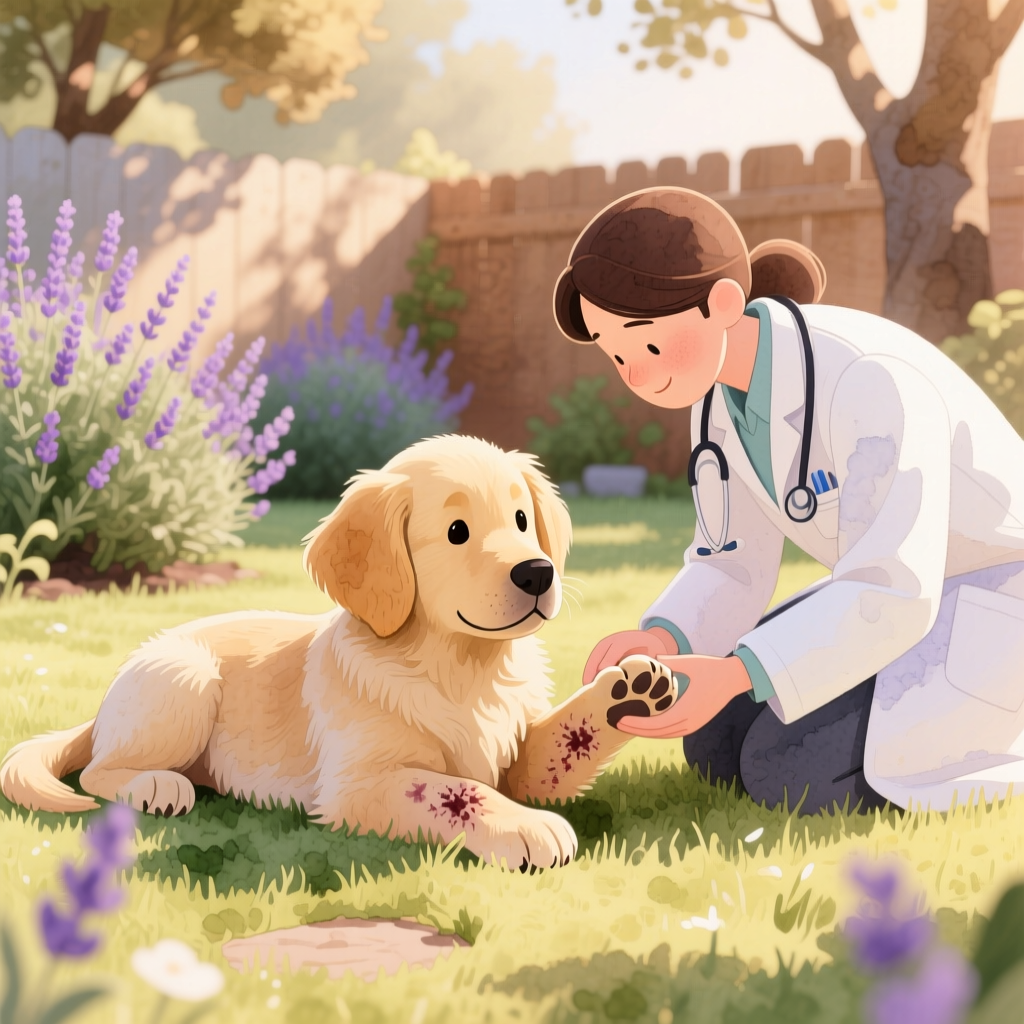
Disclaimer: The following article is for informational purposes only and does not constitute professional veterinary advice. Always consult with a licensed veterinarian for an accurate diagnosis and treatment plan for your pet’s specific health needs.
Seeing your beloved dog constantly scratching, biting at their skin, or developing unexplained bald patches is incredibly distressing for any pet owner. Among the myriad of dermatological conditions that can affect our canine companions, mange is one of the most notorious. It is a word that often conjures images of severe discomfort and relentless itching. However, with modern veterinary medicine, mange is a highly manageable and curable condition when identified and treated correctly.
Mange is not a single disease but rather a term used to describe skin conditions caused by microscopic mites. In dogs, there are two primary culprits responsible for the vast majority of mange cases: Demodectic mange and Sarcoptic mange. While both involve mites and both cause significant skin irritation, their origins, contagiousness, and treatment protocols differ vastly. Understanding the distinction between these two types is the first critical step in restoring your dog’s comfort and health.
In this comprehensive guide, we will explore the intricate details of demodectic and sarcoptic mange, how to identify the symptoms, the underlying causes, and the most effective treatment and prevention strategies available today.
What is Mange? Understanding the Microscopic Culprits
Mange is a parasitic skin disease caused by mites, which are microscopic arachnids closely related to spiders and ticks. These tiny organisms invade the skin, hair follicles, or sebaceous glands of the host, leading to inflammation, hair loss, and intense discomfort. Because mites are invisible to the naked eye, a dog suffering from mange may simply appear to have a severe allergy or a bacterial skin infection to the untrained eye.
The two main types of mites that cause mange in dogs belong to entirely different biological families and exhibit completely different behaviors. Demodex canis is a cigar-shaped mite that lives deep within the hair follicles and sebaceous glands. Sarcoptes scabiei, on the other hand, is a round, burrowing mite that digs tunnels into the upper layers of the epidermis to lay its eggs. Recognizing which mite is at play is essential, as sarcoptic mange is highly contagious and zoonotic (transmissible to humans), whereas demodectic mange is generally not contagious to other pets or people.
Demodectic Mange: The Opportunistic Mite
Demodectic mange, also known as demodicosis or red mange, is caused by the Demodex canis mite. Interestingly, this mite is considered a normal resident of the canine skin microbiome. Almost all dogs acquire a small number of these mites from their mothers during the first few days of nursing. In a healthy dog with a robust immune system, these mites live harmlessly in the hair follicles, kept in check by the body’s natural defenses.
Problems arise when the immune system is compromised or immature, allowing the mites to multiply rapidly and overwhelm the follicles. Demodectic mange typically presents in two forms:
- Localized Demodicosis: This is most common in puppies and young dogs whose immune systems are still developing. It usually presents as one or two small, scaly, hairless patches, often on the face, muzzle, or front legs. In many cases, localized demodicosis resolves on its own as the puppy’s immune system matures, though veterinary monitoring is always recommended. For more on early development, check out our essential puppy health checklist.
- Generalized Demodicosis: This is a more severe condition where the mites proliferate across large areas of the body, causing widespread hair loss, severe skin inflammation, and secondary bacterial infections. Generalized demodicosis in adult dogs is often a red flag for an underlying systemic issue, such as an endocrine disorder, cancer, or severe immunosuppression. In younger dogs, it may point to a genetic predisposition to immune deficiency.
Sarcoptic Mange: The Highly Contagious Burrower
Sarcoptic mange, commonly referred to as canine scabies, is caused by the Sarcoptes scabiei mite. Unlike the commensal Demodex mite, Sarcoptes is an aggressive, highly contagious parasite. Dogs typically contract sarcoptic mange through direct physical contact with an infected animal, or by visiting environments where infected wildlife (such as foxes or coyotes) have recently been.
The female Sarcoptes mite burrows into the stratum corneum (the outermost layer of the skin) to lay her eggs. The physical act of burrowing, combined with the allergic reaction to the mite’s saliva, feces, and eggs, triggers a state of extreme pruritus (itching). The itching associated with sarcoptic mange is legendary in veterinary medicine; it is relentless, often worse at night, and can drive a dog to the point of self-mutilation.
Sarcoptic mange does not discriminate based on age or immune status. A perfectly healthy, well-cared-for dog can contract scabies simply by sniffing an infected dog at the park or rolling in an area frequented by infected wildlife. Furthermore, sarcoptic mange is zoonotic, meaning the mites can transfer to human owners, causing an itchy, red rash, though the mites cannot complete their life cycle on human skin.
Identifying the Symptoms: What to Look For
Because the symptoms of mange can overlap with other dermatological conditions like environmental allergies, food allergies, or bacterial pyoderma, careful observation is key. Here is how the symptoms typically manifest based on the type of mange.
Signs of Demodectic Mange
The hallmark of demodicosis is alopecia (hair loss). The bald patches may appear dry, scaly, and slightly reddened. In the early stages, the dog may not be particularly itchy. However, as the mites damage the hair follicles, bacteria and yeast naturally present on the skin can invade the compromised tissue. This leads to secondary folliculitis and furunculosis, characterized by:
- Pustules or pimple-like bumps on the skin
- A greasy, thickened appearance to the skin (elephant skin)
- Comedones (blackheads) around the hair follicles
- A distinct, foul, musty odor
- Hyperpigmentation (darkening of the skin) in chronic cases
Signs of Sarcoptic Mange
The defining symptom of sarcoptic mange is intense, unrelenting itching. If your dog is scratching frantically, biting at their legs, or rubbing against furniture to the point of causing open wounds, scabies is a primary suspect. Other clinical signs include:
- The Pinnal Pedal Scratch Reflex: If you gently rub the edge of your dog’s ear flap and their hind leg immediately begins to thump or scratch involuntarily, this is a strong indicator of sarcoptic mange.
- Crusty, thickened skin on the ear margins, elbows, hocks, and ventral abdomen (belly).
- Severe excoriations (scratch marks) and self-inflicted trauma.
- Restlessness and an inability to sleep due to the itching.
Regular grooming and skin checks are vital for early detection. Learn more about maintaining a healthy coat in our guide to skin and coat care.
The Veterinary Diagnostic Process
Because mange mimics so many other skin diseases, a definitive diagnosis requires veterinary intervention. You cannot diagnose mange simply by looking at the skin. Your veterinarian will typically perform the following diagnostic tests:
- Deep Skin Scrapings: For demodectic mange, the vet will use a scalpel blade to gently scrape the skin until capillary bleeding occurs. This is necessary because Demodex mites live deep within the hair follicles. The scraped material is examined under a microscope for the presence of adult mites, larvae, or eggs.
- Superficial Skin Scrapings: For sarcoptic mange, a shallower scrape is performed, often focusing on the crusty edges of the ears or elbows.
- Trichograms: Plucking hairs from the affected areas and examining the roots under a microscope can sometimes reveal Demodex mites clinging to the hair shafts.
- Biopsies: In chronic or atypical cases where skin scrapings are negative but clinical suspicion remains high, a punch biopsy may be performed to examine the skin architecture and locate hidden mites.
Comprehensive Treatment Strategies
Once a definitive diagnosis is made, your veterinarian will prescribe a targeted treatment plan. The approach to treating mange has evolved significantly, moving away from harsh, toxic dips toward safer, highly effective systemic medications.
Treating Demodectic Mange
Localized demodicosis in puppies may only require close monitoring and topical therapies, as it often resolves spontaneously. However, generalized demodicosis requires aggressive, long-term treatment. Modern veterinary medicine relies heavily on the isoxazoline class of oral medications (the same active ingredients found in many modern flea and tick preventatives). These medications are highly effective at killing Demodex mites and are generally very safe. Treatment usually continues for several weeks past the point of clinical cure, confirmed by multiple negative skin scrapings.
Treating Sarcoptic Mange
Sarcoptic mange requires treating not only the affected dog but also all in-contact animals, as the mites spread easily. Oral isoxazolines are also the gold standard for treating scabies, often clearing the infection within a few weeks. In some cases, topical spot-on treatments containing moxidectin or selamectin may be utilized.
Managing Secondary Infections & Environmental Decontamination
Regardless of the mite type, secondary bacterial and yeast infections are incredibly common and must be treated concurrently with medicated shampoos, oral antibiotics, or antifungals. For sarcoptic mange, environmental decontamination is also necessary. While the mites cannot survive long off the host, washing all bedding in hot water, vacuuming thoroughly, and treating the home environment ensures no reinfestation occurs. For tips on supporting your dog’s recovery through diet, read our dog nutrition guide.
Prevention and Long-Term Skin Health
Preventing mange revolves around maintaining a robust immune system and utilizing routine parasite control.
- Routine Parasite Prevention: Many modern, monthly oral and topical flea and tick preventatives also carry efficacy against Sarcoptes and Demodex mites. Keeping your dog on a year-round, veterinarian-approved preventative is the single best defense against sarcoptic mange.
- Immune System Support: Because Demodex mites only overpopulate when the immune system falters, keeping your dog healthy is paramount. This includes feeding a high-quality, balanced diet rich in Omega-3 fatty acids to support the skin barrier, providing regular exercise, and minimizing chronic stress.
- Responsible Breeding: Because generalized demodicosis has a strong hereditary component in certain breeds, dogs that have suffered from the generalized form should not be used for breeding.
- Senior Dog Monitoring: As dogs age, their immune systems naturally weaken, making them susceptible to adult-onset demodicosis. Regular senior wellness exams are crucial. Read more about aging and immunity in our senior dog care section.
When to See a Vet: Recognizing the Warning Signs
While mild, localized hair loss might seem like a minor issue, skin conditions can deteriorate rapidly. You should schedule a veterinary appointment immediately if you notice any of the following warning signs:
- Relentless Itching: If your dog cannot sleep, eat, or relax due to scratching, this is a medical urgency. The pain and stress of severe pruritus require immediate intervention.
- Signs of Infection: Pus, oozing sores, hot spots, or a foul odor indicate a secondary bacterial infection that requires prescription antibiotics.
- Systemic Illness: If your dog is lethargic, running a fever, or refusing to eat alongside their skin issues, the infection may have entered the bloodstream, or an underlying systemic disease may be present.
- Rapid Spreading: Bald patches or red, crusty lesions that are expanding quickly across the body require immediate diagnostic testing.
Frequently Asked Questions About Dog Mange
Can humans catch mange from dogs?
The answer depends on the type of mange. Demodex canis is species-specific; you cannot catch demodectic mange from your dog. However, Sarcoptes scabiei is zoonotic. If your dog has sarcoptic mange, the mites can transfer to your skin, causing an itchy, red, bumpy rash. Fortunately, the canine scabies mite cannot reproduce on human skin, so the human infection is self-limiting and will resolve once the dog and the home environment are successfully treated. Still, it is highly unpleasant, so wearing gloves and long sleeves when handling an infected dog is advised.
How long does it take for mange to clear up?
Treatment duration varies based on the severity of the infection and the type of mange. Mild sarcoptic mange may resolve in as little as two to four weeks with modern oral medications. Generalized demodectic mange, however, is a marathon, not a sprint. It can take several months of continuous treatment and repeated negative skin scrapings before a veterinarian will declare the dog fully cured. Stopping treatment prematurely is the most common reason for relapse.
Will my dog’s hair grow back after mange?
In the vast majority of cases, yes. Once the mites are eradicated and any secondary bacterial or yeast infections are cleared, the hair follicles will begin to heal and regenerate. It is normal for the skin to appear dark or hyperpigmented for a while after the infection clears, but the hair will slowly grow back. In very rare, severe cases where the hair follicles have been permanently destroyed by deep, chronic scarring (furunculosis), some patchy hair loss may be permanent, but this is uncommon with prompt veterinary care.
Can mange be fatal to dogs?
Mange itself is rarely fatal. However, the complications arising from untreated mange can be life-threatening. Severe, generalized demodicosis can lead to deep, systemic bacterial infections (sepsis) or severe metabolic drain. Furthermore, if adult-onset demodicosis is triggered by an underlying condition like Cushing’s disease, hypothyroidism, or cancer, it is the underlying disease that poses the greatest threat to the dog’s life. This is why comprehensive veterinary testing is so important.
Are there natural home remedies for mange?
The internet is rife with dangerous home remedies for mange, including the application of motor oil, garlic, bleach, or undiluted essential oils. Never use these substances on your dog. They are highly toxic, can cause severe chemical burns, systemic poisoning, and immense suffering. While supportive care like oatmeal baths can soothe itchy skin, there is no natural substitute for veterinary-prescribed antiparasitic medications. Attempting to treat mange at home without a proper diagnosis and prescription medication will only allow the infestation to worsen and spread.
By understanding the differences between demodectic and sarcoptic mange, recognizing the early warning signs, and partnering closely with your veterinarian, you can ensure your dog receives the swift, effective care they need to return to a happy, itch-free life.
Marcus Aldridge
All our authors care for dogs every day — read more of their work on the authors page.