Managing Canine Diabetes: Insulin, Diet & Care Tips
Learn how to manage canine diabetes mellitus with expert tips on insulin administration, dietary adjustments, and daily care for your dog's long-term health.
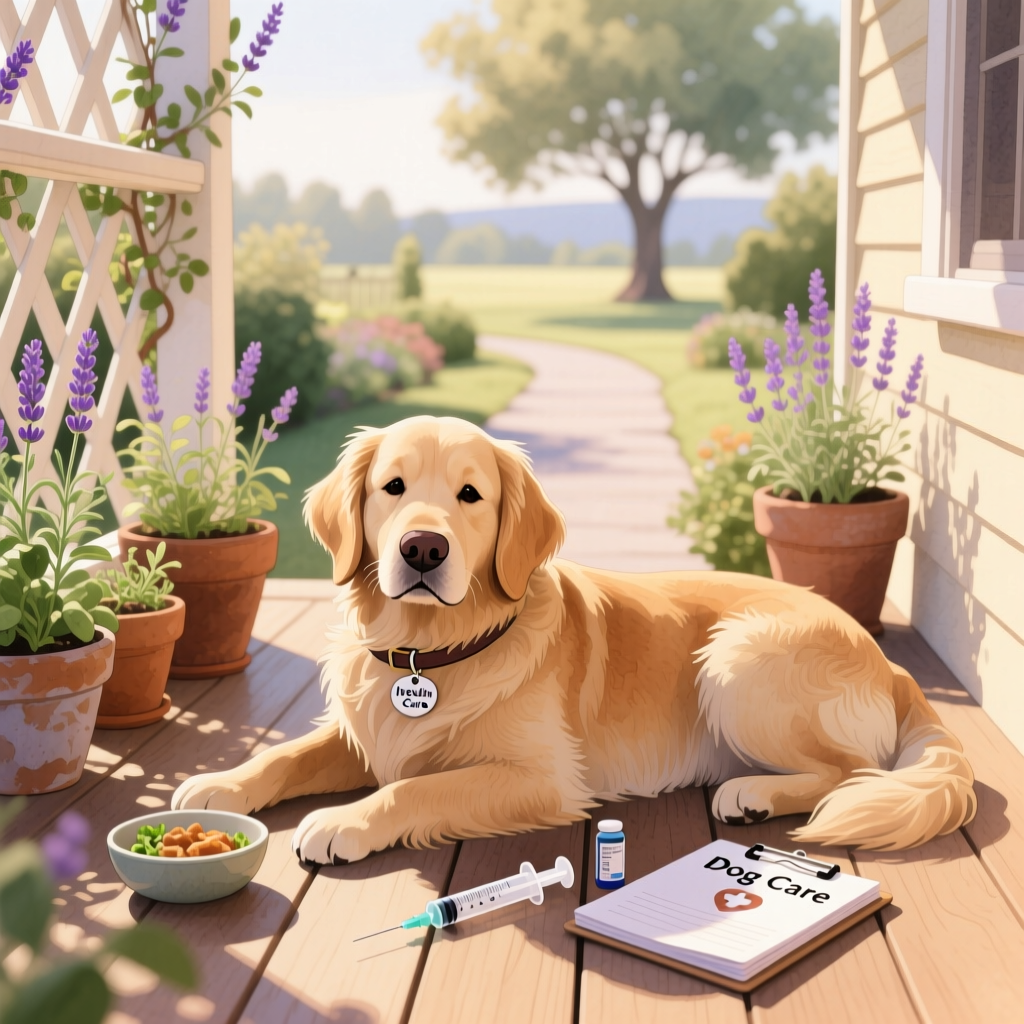
Disclaimer: The information provided in this article is for educational and informational purposes only and does not constitute veterinary advice. Always consult with a licensed veterinarian for diagnosis and treatment of your pet's health conditions.
Receiving a diagnosis of canine diabetes mellitus can feel overwhelming for any pet parent. However, with the right combination of veterinary care, consistent insulin management, and targeted dietary adjustments, diabetic dogs can live long, happy, and active lives. Diabetes in dogs is a chronic condition that requires a dedicated daily routine, but it is highly manageable once you understand the mechanics of the disease and how to support your furry friend's metabolic needs.
In this comprehensive guide, we will explore the causes and symptoms of canine diabetes, detail the best practices for insulin administration, and provide actionable diet tips to keep your dog's blood glucose levels stable. Whether you are newly navigating this diagnosis or looking to refine your current care routine, these insights will help you optimize your dog's health and wellbeing.
Understanding Canine Diabetes Mellitus: Causes & Symptoms
Canine diabetes mellitus is a metabolic disorder that occurs when a dog's body is unable to produce enough insulin or cannot effectively use the insulin it produces. Insulin is a crucial hormone secreted by the pancreas that allows glucose (sugar) from food to enter the body's cells and be used for energy. When insulin is deficient, glucose accumulates in the bloodstream, leading to hyperglycemia, while the body's cells essentially starve for energy.
Unlike humans, who commonly develop Type 2 diabetes, the vast majority of diabetic dogs have a form of the disease that closely resembles Type 1 diabetes in humans. This means their pancreas has lost the ability to produce insulin, making lifelong insulin therapy an absolute necessity.
Common Causes and Risk Factors
- Genetics and Breed Predisposition: Certain breeds, including Australian Terriers, Standard Schnauzers, Samoyeds, and Pugs, have a higher genetic predisposition to developing diabetes.
- Age: Diabetes is most frequently diagnosed in middle-aged to older dogs, typically between the ages of 7 and 9. Proper senior dog care is essential for early detection.
- Obesity: While obesity does not directly cause Type 1 diabetes in dogs as it does Type 2 in humans, excess weight can contribute to insulin resistance and increase the risk of pancreatitis, which can damage the pancreas.
- Pancreatitis: Chronic or severe acute inflammation of the pancreas can destroy the insulin-producing beta cells.
- Hormonal Influences: Unspayed female dogs are at a significantly higher risk due to the hormonal fluctuations of progesterone during their heat cycles, which can inhibit insulin's effectiveness.
Recognizing the Symptoms
Early detection is vital for preventing severe complications. The classic signs of canine diabetes include:
- Polyuria: Excessive and frequent urination.
- Polydipsia: Excessive thirst and water consumption.
- Polyphagia: Ravenous appetite, often accompanied by weight loss despite eating more.
- Lethargy: Decreased energy levels and reluctance to exercise.
- Cloudy Eyes: Diabetic cataracts develop rapidly in many dogs, leading to a cloudy appearance in the eyes and eventual blindness if left untreated.
Mastering Insulin Management for Diabetic Dogs
Because most diabetic dogs cannot produce their own insulin, daily injections are the cornerstone of treatment. Establishing a consistent, stress-free routine for insulin administration is critical for maintaining stable blood glucose levels.
Choosing and Storing Insulin
Your veterinarian will prescribe a specific type of insulin formulated for dogs, such as Vetsulin (porcine insulin zinc suspension) or ProZinc. It is imperative to use only the insulin recommended by your vet, as human insulin formulations can have different absorption rates in canines. Always store insulin in the refrigerator, upright, and protected from light. Never freeze insulin, and avoid leaving it in hot environments like a car.
Proper Handling and Preparation
Before drawing up a dose, gently roll the insulin vial between your palms to mix it. Never shake the vial, as this can create air bubbles and damage the delicate protein structure of the insulin. When drawing the medication into a U-40 or U-100 syringe (ensure you are using the correct syringe type for your specific insulin), tap the syringe gently to move any air bubbles to the top and push them out before administering the dose.
Injection Techniques
Insulin must be administered subcutaneously (under the skin), not into the muscle. The best sites for injection are along the scruff of the neck, the back, and the sides of the chest.
- Gently pinch a fold of loose skin to create a "tent."
- Insert the needle quickly and smoothly into the base of the tent, parallel to the body.
- Depress the plunger slowly.
- Withdraw the needle and gently massage the area.
Always rotate your injection sites to prevent the buildup of scar tissue, which can impede insulin absorption. Most dogs tolerate these tiny needles very well, especially when the injection is paired with a meal or a high-value, diabetes-safe treat.
The Importance of Timing
Consistency is the golden rule of diabetes management. Insulin should be given at the exact same times every day, usually 12 hours apart for twice-daily regimens. Always ensure your dog has eaten a full meal before administering insulin. Giving insulin to a dog with an empty stomach can cause a dangerous drop in blood sugar (hypoglycemia).
Essential Diet Tips for Dogs with Diabetes
Diet plays a pivotal role in managing canine diabetes. The goal of a diabetic diet is to slow down the absorption of glucose into the bloodstream after a meal, preventing sharp spikes in blood sugar. For a deeper dive into general feeding guidelines, explore our comprehensive dog nutrition guide.
The Ideal Diabetic Diet Profile
A therapeutic diabetic diet typically features the following characteristics:
- High in Complex Carbohydrates and Fiber: Soluble fiber slows gastric emptying and the intestinal absorption of glucose. Ingredients like barley, oats, and specific fibrous vegetables are excellent.
- Moderate to High in Quality Protein: Protein helps maintain lean muscle mass, which is often depleted in unregulated diabetic dogs.
- Low in Fat: Diabetic dogs are prone to pancreatitis and hyperlipidemia (high fat in the blood). A low-fat diet reduces the strain on the pancreas and liver.
- No Simple Sugars: Avoid foods containing corn syrup, molasses, dextrose, or fructose. Semi-moist dog foods are particularly notorious for high sugar content and should be strictly avoided.
Prescription Diets vs. Over-the-Counter Options
Many veterinarians recommend prescription diabetic diets because they are scientifically formulated to provide consistent, precise nutrient profiles. If your dog has food allergies or refuses prescription food, your vet can help you select a high-quality, over-the-counter weight management or high-fiber formula. Always transition to a new food gradually over 7 to 10 days to avoid gastrointestinal upset.
Feeding Schedules and Portion Control
Free-feeding (leaving food out all day) is not suitable for a diabetic dog. Meals must be strictly measured and timed to coincide with insulin injections. Typically, half of the daily caloric intake is given right before the morning insulin shot, and the other half is given 12 hours later before the evening shot. If your dog refuses to eat, contact your veterinarian immediately for instructions on how to adjust the insulin dose.
Managing Treats
Treats should make up no more than 10% of your dog's daily caloric intake. Opt for low-calorie, high-fiber treats like small pieces of green beans, carrots, or broccoli. Avoid commercial treats with added sugars or high fat content. Proper weight management through portion control is essential, as obesity exacerbates insulin resistance.
Lifestyle, Exercise, & Preventing Complications
Beyond insulin and diet, a stable lifestyle is crucial for a diabetic dog. Fluctuations in activity levels can cause unpredictable swings in blood glucose.
Consistent Exercise Routines
Exercise helps cells utilize glucose and improves insulin sensitivity. However, the intensity and duration of exercise must remain consistent from day to day. A sudden increase in vigorous activity can deplete glucose stores and trigger hypoglycemia, while a sudden decrease can lead to hyperglycemia. Aim for moderate, daily walks at the same time each day.
Dental Health and Infection Control
Hidden infections can cause severe insulin resistance, making it nearly impossible to regulate your dog's blood sugar. Periodontal disease is a common culprit. Maintain a strict dental care routine, including daily brushing and professional veterinary cleanings as recommended. Urinary tract infections are also common in diabetic dogs due to sugar in the urine; monitor for signs of straining or frequent, small urinations.
Navigating Diabetic Cataracts
Up to 80% of diabetic dogs will develop cataracts within the first year of diagnosis, often leading to blindness. While this sounds distressing, dogs adapt remarkably well to vision loss. Keep your furniture layout consistent, use scent markers to help them navigate, and always walk them on a leash in unfamiliar areas. Surgical removal of cataracts is an option for some dogs, provided their diabetes is well-regulated and they are healthy enough for anesthesia.
When to See a Vet: Recognizing Diabetic Emergencies
Even with meticulous care, diabetic emergencies can occur. Knowing the signs of both low and high blood sugar can save your dog's life.
Hypoglycemia (Low Blood Sugar)
Hypoglycemia is a life-threatening emergency that occurs when blood sugar drops too low, often due to an accidental double dose of insulin, a missed meal, or excessive exercise. Symptoms include:
- Weakness, lethargy, or stumbling
- Tremors, twitching, or muscle spasms
- Disorientation or confusion
- Seizures or loss of consciousness
Emergency Action: If you suspect hypoglycemia, immediately rub a sugary liquid (like corn syrup, honey, or maple syrup) directly onto your dog's gums. Do not force liquid down their throat if they are unconscious, as they could aspirate it. Once they are responsive, offer a small meal and contact your veterinarian or an emergency animal hospital immediately.
Diabetic Ketoacidosis (DKA)
DKA occurs when the body, starved of glucose, begins breaking down fat at an accelerated rate, producing toxic acids called ketones. This is a severe complication of unregulated diabetes or underlying infections. Symptoms include:
- Vomiting and diarrhea
- Extreme lethargy and weakness
- A sweet, fruity, or acetone-like odor to the breath
- Rapid breathing and collapse
Emergency Action: DKA requires immediate, intensive veterinary intervention, including intravenous fluids and short-acting insulin. Rush your dog to the nearest emergency veterinary clinic.
Frequently Asked Questions About Canine Diabetes
Can diabetes in dogs be reversed?
In the vast majority of cases, canine diabetes cannot be reversed. Because most dogs suffer from a condition similar to Type 1 diabetes, their pancreatic beta cells are permanently damaged and will no longer produce insulin. Therefore, lifelong insulin therapy is required. In very rare instances where diabetes is triggered by an underlying condition like a severe infection or a specific hormonal imbalance (such as an intact female's heat cycle), resolving the primary issue may restore normal glucose regulation, but this is the exception, not the rule.
How long can a dog live with diabetes?
With proper veterinary care, consistent insulin administration, and a managed diet, a diabetic dog can live a normal lifespan. Many dogs live for years after their diagnosis without a significant decrease in their quality of life. The key to longevity is strict adherence to their daily routine, regular veterinary check-ups, and proactive management of secondary conditions like dental disease or urinary tract infections.
What happens if I miss my dog's insulin shot?
Missing a single insulin dose is generally not a life-threatening emergency, though your dog may experience a temporary spike in blood sugar, leading to increased thirst and urination for a day or two. If you realize you missed a dose and it is close to the next scheduled dose, it is usually safer to skip the missed dose entirely rather than risk overlapping doses and causing hypoglycemia. Never double up on insulin. Always call your veterinarian for specific advice tailored to your dog's current health status and insulin type.
Are there alternative treatments to insulin for dogs?
Currently, there are no effective oral medications or alternative holistic treatments that can replace insulin injections for diabetic dogs. While oral hypoglycemic drugs are sometimes used in human Type 2 diabetes or feline diabetes, they are largely ineffective in dogs because canine diabetes is primarily an insulin-deficiency disease rather than an insulin-resistance disease. Attempting to manage a diabetic dog without prescribed insulin will inevitably lead to severe complications, including Diabetic Ketoacidosis (DKA) and a significantly diminished quality of life.
How do I know if my dog's blood sugar is too low?
Recognizing the early signs of hypoglycemia (low blood sugar) is critical. Early indicators include sudden hunger, restlessness, shivering, or a glazed look in the eyes. As blood sugar continues to drop, symptoms escalate to severe weakness, stumbling (ataxia), vocalization, seizures, and eventually a coma. If you notice any of these signs, act immediately by applying a sugar source like corn syrup to their gums and seeking emergency veterinary care. Investing in an at-home pet glucose monitor can help you track your dog's levels and prevent dangerous drops before symptoms appear.
Robin Maitland
All our authors care for dogs every day — read more of their work on the authors page.