Librela vs NSAIDs Dog Osteoarthritis Treatment
Seeking a librela injection alternative | which dog arthritis treatment has the best safety? Compare Librela, NSAIDs, and top therapies for 2026.
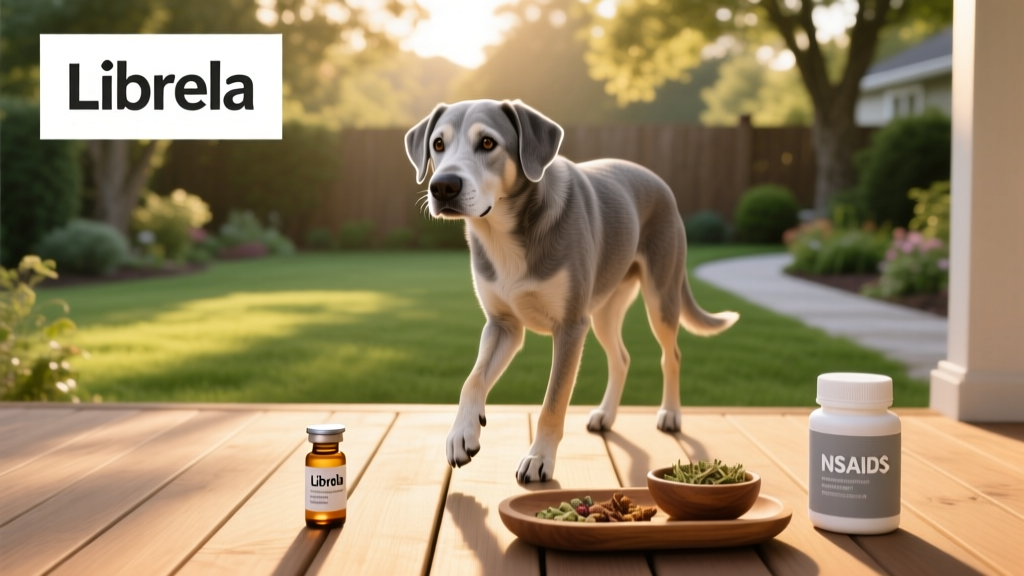
Nonsteroidal Anti-inflammatory Drugs (NSAIDs) manage canine arthritis by inhibiting cyclooxygenase enzymes to reduce joint inflammation, though newer biologics like Librela target Nerve Growth Factor instead. This guide is for dog owners managing osteoarthritis in aging pets who must choose between traditional daily oral medications and modern monthly injectable therapies. Understanding the pharmacological differences ensures you select the safest pain management protocol for your dog's specific metabolic profile.
- NSAIDs reduce inflammation by blocking COX enzymes, while Librela neutralizes Nerve Growth Factor (NGF) to stop pain signals.
- Librela requires a monthly veterinary injection, whereas NSAIDs are daily oral medications administered at home.
- Dogs with pre-existing kidney or liver disease often tolerate Librela better than traditional NSAIDs.
Understanding Nonsteroidal Anti-inflammatory Drugs for Canine Arthritis
Definition: Nonsteroidal Anti-inflammatory Drugs (NSAIDs) are a class of medications that reduce pain, fever, and inflammation by inhibiting cyclooxygenase (COX) enzymes. In veterinary medicine, COX-2 selective NSAIDs specifically target inflammatory pathways in arthritic joints while attempting to spare the COX-1 enzymes that protect the gastrointestinal lining.
Veterinary professionals commonly prescribe Carprofen, Meloxicam, or Robenacoxib for osteoarthritis. These medications provide rapid relief, often improving mobility within 48 hours of the first dose. However, because the liver and kidneys metabolize these compounds, they require strict patient screening.
Mechanism of Action: Librela (Bedinvetmab)
Definition: Librela is the brand name for bedinvetmab, a fully caninized monoclonal antibody designed specifically for dogs. It targets and neutralizes Nerve Growth Factor (NGF), a protein that plays a critical role in the transmission and amplification of chronic osteoarthritis pain signals in the central nervous system.
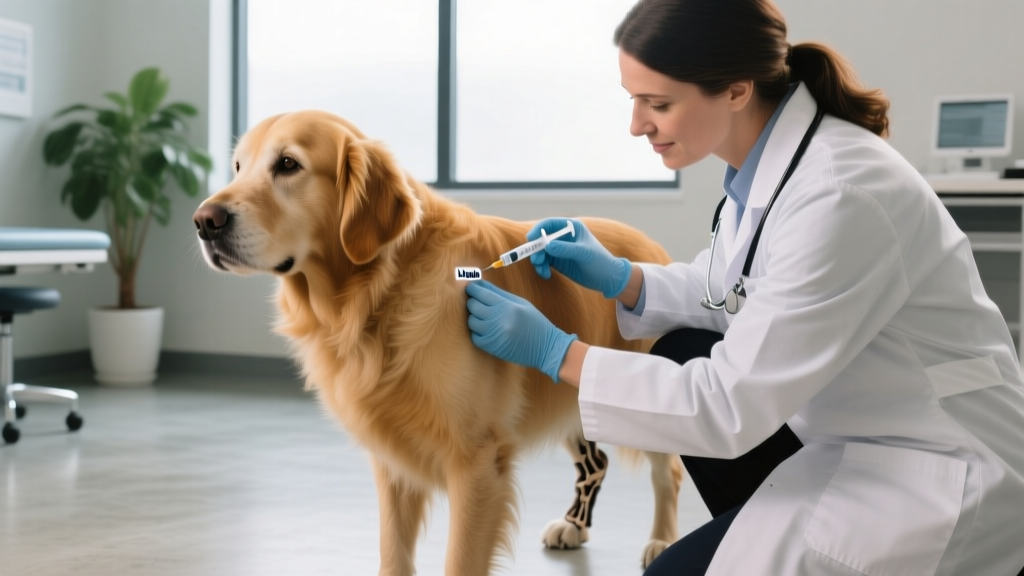
Developed by Zoetis Animal Health, this biologic therapy bypasses the hepatic and renal metabolic pathways. The Food and Drug Administration approved it as the first monoclonal antibody treatment for canine osteoarthritis pain. It is administered as a subcutaneous injection by a licensed veterinarian once every 28 days.
Librela vs NSAIDs: Comprehensive Comparison Matrix
Selecting the right therapy requires evaluating administration routes, metabolic impact, and financial commitment. The following framework outlines the clinical differences between these two primary treatment modalities.
| Feature | Traditional NSAIDs | Librela (Bedinvetmab) |
|---|---|---|
| Administration | Daily oral chew or pill at home | Monthly subcutaneous veterinary injection |
| Metabolism | Hepatic and renal (liver/kidneys) | Degraded into amino acids (no organ toxicity) |
| Duration of Action | 24 hours per dose | 28 days per injection |
| Average Monthly Cost | $25.00 to $40.00 | $75.00 to $110.00 |
| Onset of Relief | Rapid (24 to 48 hours) | Gradual (peaks after 2nd or 3rd dose) |
Evaluating Clinical Efficacy
Clinical trials demonstrate that 75.4% of dogs receiving bedinvetmab showed significant improvement in weight-bearing and mobility. NSAIDs show similar overall efficacy rates but can lose effectiveness over time due to gastrointestinal intolerance. The 2.2 milligrams per kilogram dosage of standard Carprofen must be strictly calculated to avoid toxicity.
Side Effects and Safety Profiles
NSAID Adverse Reactions
Long-term use of Nonsteroidal Anti-inflammatory Drugs carries documented risks for the gastrointestinal and renal systems. The FDA Center for Veterinary Medicine warns that vomiting, diarrhea, and decreased appetite are the most frequently reported adverse events. Routine bloodwork every 6 months is mandatory to monitor kidney function.
Librela Adverse Reactions
Because monoclonal antibodies are degraded into amino acids like natural proteins, they do not cause hepatic or renal toxicity. The most common side effects are mild injection site reactions, such as transient swelling or localized erythema. Systemic adverse events remain statistically rare compared to daily oral medications.
Frequently Asked Questions
What are the long-term side effects of NSAIDs in dogs?
Chronic administration can lead to gastric ulceration, microscopic gastrointestinal bleeding, and progressive nephropathy. Dogs on long-term therapy require biannual comprehensive metabolic panels to detect early elevations in blood urea nitrogen and creatinine levels.
Can I give my dog Librela and NSAIDs together?
Veterinary guidelines generally advise against concurrent use due to a lack of safety data regarding combined therapies. If transitioning from an oral medication to a biologic, a strict 14-day washout period is required to prevent overlapping toxicities.
How much do NSAIDs for canine arthritis cost compared to Librela?
A month's supply of generic Carprofen averages $25.00 to $40.00, while a single monthly Librela injection typically costs between $75.00 and $110.00 depending on the dog's weight and the clinic's pricing structure.
Conclusion and Next Steps
Choosing between traditional Nonsteroidal Anti-inflammatory Drugs and modern monoclonal antibodies depends entirely on your dog's metabolic health, your budget, and your ability to administer daily pills. Both therapies effectively manage osteoarthritis, but they utilize fundamentally different biological pathways to achieve pain relief.
Next Step: Schedule a senior wellness exam with your veterinarian to perform baseline hepatic and renal bloodwork before initiating any osteoarthritis treatment protocol.
hannah-wickes
All our authors care for dogs every day — read more of their work on the authors page.


