Librela vs Galliprant for Canine OA: 2026 Vet-Approved Guide
Compare Librela and Galliprant for canine osteoarthritis in 2026—efficacy, side effects, cost & multi-modal care. Make an informed choice for your dog.
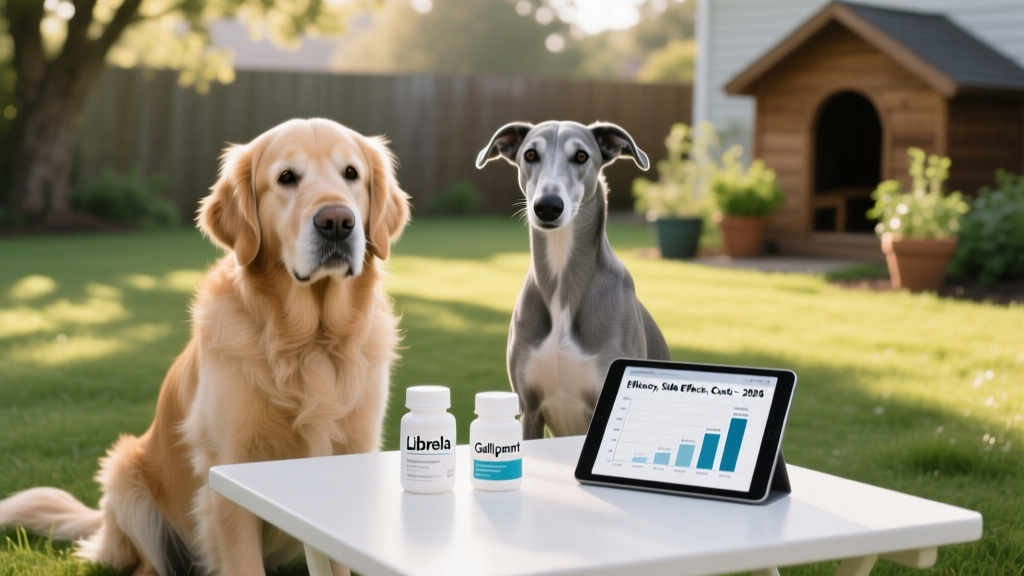
When comparing Librela vs Galliprant side effects, Librela (bedinvetmab) primarily causes mild injection site reactions, while Galliprant (grapiprant) frequently triggers gastrointestinal issues like vomiting and diarrhea. For dog owners managing canine osteoarthritis, understanding these distinct adverse event profiles is critical for selecting the safest long-term pain management strategy. Librela is a monthly monoclonal antibody injection, whereas Galliprant is a daily non-steroidal anti-inflammatory drug (NSAID) tablet. Neither medication is universally safer; the ideal choice depends entirely on your dog's specific organ health, particularly liver and kidney function.

Key Takeaways
- Librela Side Effects: Primarily localized injection site swelling; minimal systemic organ impact.
- Galliprant Side Effects: Mostly gastrointestinal (vomiting, soft stool, decreased appetite).
- Organ Safety: Librela bypasses liver and kidney metabolism; Galliprant requires hepatic processing.
- Dosing: Librela is a 30-day injection; Galliprant is a daily oral tablet.
Mechanisms and Definitions
Understanding the pharmacological differences between these two medications clarifies why their side effect profiles diverge so significantly.
Librela (Bedinvetmab)
Librela is a fully caninized monoclonal antibody developed by Zoetis that targets Nerve Growth Factor (NGF). Administered as a monthly subcutaneous injection, it neutralizes NGF to reduce pain signaling in dogs with osteoarthritis without metabolizing through the liver or kidneys.
Galliprant (Grapiprant)
Galliprant is an oral, non-cyclooxygenase inhibiting non-steroidal anti-inflammatory drug manufactured by Elanco. Given daily at 2 mg/kg, it specifically blocks the EP4 receptor, which mediates prostaglandin E2-induced inflammation and pain, offering targeted, daily therapeutic relief for canine osteoarthritis.
Detailed Side Effect Comparison
Librela Adverse Events
Because bedinvetmab is a large protein molecule, it is broken down into amino acids via standard protein degradation pathways rather than hepatic enzymes. Consequently, systemic side effects are rare. The most commonly reported adverse reactions are localized injection site reactions, including mild swelling or transient pain lasting less than 24 hours.
Clinical trials published by Zoetis demonstrate that bedinvetmab does not rely on hepatic or renal clearance. This makes it highly suitable for dogs with pre-existing organ compromise. Severe allergic reactions (anaphylaxis) are exceptionally rare but remain a theoretical risk with any biologic therapy.
Galliprant Adverse Events
Grapiprant is a targeted NSAID, meaning it avoids inhibiting COX-1 and COX-2 enzymes, which protects the stomach lining and platelet function better than traditional NSAIDs. However, gastrointestinal disturbances remain the most frequent side effect. According to the Food and Drug Administration, NSAIDs inherently carry gastrointestinal risks.
Owners administering Galliprant should monitor for vomiting, soft stools, and decreased appetite. These symptoms typically occur during the first 14 days of treatment and often resolve as the dog's system adjusts. If severe bloody diarrhea or persistent vomiting occurs, immediate veterinary intervention is required.
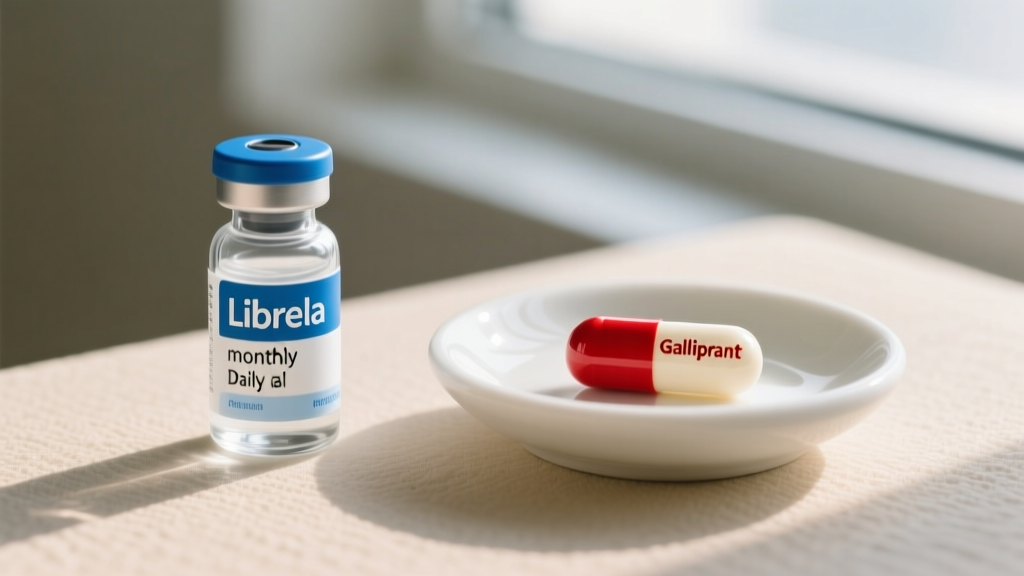
Librela vs Galliprant Side Effects Comparison Matrix
| Feature | Librela (Bedinvetmab) | Galliprant (Grapiprant) |
|---|---|---|
| Manufacturer | Zoetis | Elanco |
| Administration | Subcutaneous injection | Oral chewable tablet |
| Dosing Frequency | Every 30 days | Daily |
| Primary Side Effects | Injection site swelling | Vomiting, soft stool, appetite loss |
| Metabolism Pathway | Protein degradation (reticuloendothelial system) | Hepatic (liver) metabolism |
| Average Monthly Cost | $65 to $120 | $85 to $150 |
Organ Safety and Long-Term Risks
Data from the American Veterinary Medical Association highlights that osteoarthritis affects over 80% of dogs over the age of 8. Because senior dogs frequently develop concurrent kidney or liver disease, medication metabolism is a primary safety concern.
Galliprant requires liver enzymes for processing and is excreted primarily through feces and urine. While safer than older NSAIDs like carprofen or meloxicam, it is still contraindicated in dogs with severe hepatic or renal impairment. Routine bloodwork every 6 months is mandatory for dogs on daily Galliprant.
Librela bypasses the liver and kidneys entirely, making it the preferred choice for senior dogs with elevated liver enzymes or early-stage chronic kidney disease. If a dog experiences adverse gastrointestinal effects on Galliprant, veterinarians typically recommend a 14 days washout period before initiating Librela therapy to prevent overlapping toxicities.
Frequently Asked Questions
Is Librela safer than Galliprant for senior dogs?
Yes, Librela is generally safer for senior dogs with compromised organ function. Because it does not undergo hepatic or renal metabolism, it does not exacerbate underlying liver or kidney disease, whereas Galliprant requires functional liver enzymes for safe clearance.
What are the liver side effects of Galliprant compared to Librela?
Galliprant can occasionally cause elevated liver enzymes (hepatotoxicity), necessitating regular blood monitoring. Librela has no known hepatotoxic side effects because it is broken down into peptides and amino acids by the reticuloendothelial system, completely bypassing liver metabolism.
Can I switch my dog from Galliprant to Librela if they experience vomiting?
You can switch medications, but you must follow a strict transition protocol. Veterinarians require a mandatory 14 days washout period after the last Galliprant dose before administering a Librela injection to ensure the NSAID is fully cleared from the dog's system.
Conclusion and Next Steps
The decision between Librela and Galliprant hinges entirely on your dog's gastrointestinal tolerance and baseline organ health. Librela offers superior systemic safety for dogs with liver or kidney concerns, while Galliprant provides effective daily relief for dogs with robust organ function who can tolerate oral medications. To determine the safest path forward, schedule a comprehensive veterinary wellness exam and request a complete senior blood chemistry panel to evaluate your dog's hepatic and renal baseline before initiating any new osteoarthritis treatment.
tom-renshaw
All our authors care for dogs every day — read more of their work on the authors page.


