Laryngeal Collapse in Brachycephalic Dogs: Breathing...
Learn about laryngeal collapse in brachycephalic dogs, including symptoms, causes, surgical options, recovery, and prevention tips for flat-faced breeds.
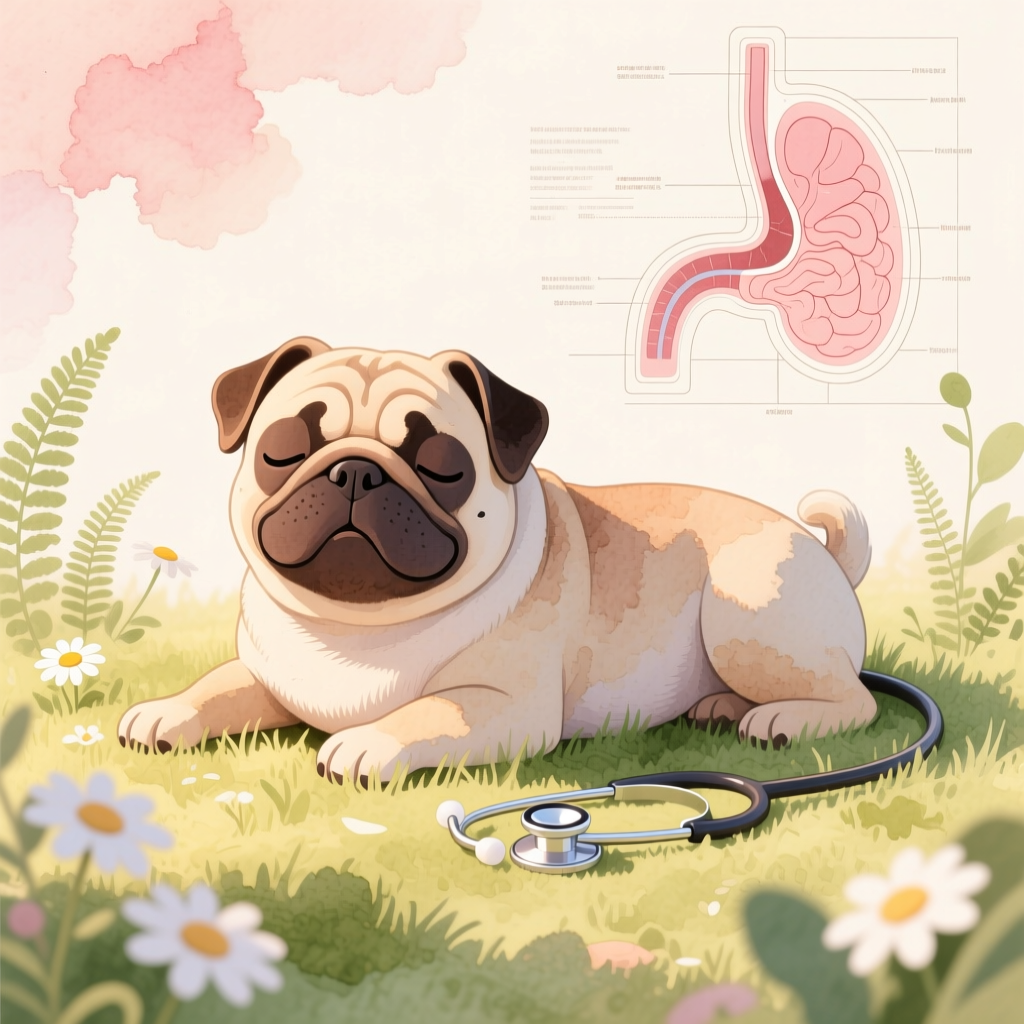
Brachycephalic dogs — those beloved flat-faced breeds like Bulldogs, Pugs, French Bulldogs, and Boston Terriers — are known for their charming expressions and affectionate personalities. However, their unique skull structure comes with a host of respiratory challenges, and one of the most serious is laryngeal collapse. This progressive condition can severely compromise a dog's ability to breathe and, if left untreated, can become life-threatening.
Understanding laryngeal collapse is essential for any owner of a brachycephalic breed. From recognizing the earliest warning signs to exploring surgical interventions and long-term management strategies, knowledge is your most powerful tool in protecting your dog's health and quality of life. In this comprehensive guide, we will explore everything you need to know about laryngeal collapse in brachycephalic dogs, including the breathing surgeries that can make a dramatic difference.
Disclaimer: This article is provided for informational purposes only and does not constitute veterinary advice. Always consult a qualified veterinarian for diagnosis and treatment of your pet's health conditions.
What Is Laryngeal Collapse in Brachycephalic Dogs?
Laryngeal collapse is a condition in which the structures of the larynx (voice box) lose their rigidity and collapse inward during inhalation, obstructing the airway. The larynx is located at the top of the trachea (windpipe) and plays a critical role in breathing, swallowing, and vocalization. It is composed of several cartilages — including the arytenoid cartilages, the cricoid cartilage, and the thyroid cartilage — that are normally held in a firm, open position to allow air to flow freely into the lungs.
In brachycephalic dogs, the anatomy of the upper airway is already compromised. These breeds suffer from what is collectively known as Brachycephalic Obstructive Airway Syndrome (BOAS), which includes a combination of anatomical abnormalities such as stenotic nares (narrowed nostrils), an elongated soft palate, a hypoplastic trachea (narrow windpipe), and everted laryngeal saccules. Over time, the increased negative pressure generated during each breath — as the dog struggles to pull air through these narrowed passages — places enormous stress on the laryngeal cartilages.
This chronic stress eventually causes the cartilages to weaken, deform, and collapse inward. Laryngeal collapse is generally considered the end-stage progression of BOAS and is classified into three stages:
- Stage 1: Eversion of the laryngeal saccules — small pouches inside the larynx are pulled outward due to increased airway pressure, partially obstructing airflow.
- Stage 2: Medial displacement of the arytenoid cartilages — the cartilages that form the sides of the laryngeal opening begin to collapse inward, further narrowing the airway.
- Stage 3: Complete collapse of the laryngeal cartilages — the entire laryngeal structure loses its shape, causing severe and potentially life-threatening airway obstruction.
Understanding these stages is critical because early intervention — before the condition progresses to Stage 3 — offers the best prognosis and the widest range of treatment options. For more information on managing respiratory health in flat-faced breeds, explore our brachycephalic dog care guide.
Causes and Risk Factors for Laryngeal Collapse
Laryngeal collapse does not develop overnight. It is the result of chronic, progressive stress on the laryngeal structures, and several factors contribute to its development:
Anatomical Predisposition
The primary cause of laryngeal collapse in brachycephalic dogs is their inherent anatomical structure. The shortened skull does not reduce the amount of soft tissue in the upper airway — it simply compresses it into a smaller space. This means the soft palate, tongue, and other tissues crowd the airway, creating resistance to airflow. Every breath requires more effort, and the larynx bears the brunt of this increased workload.
Untreated or Inadequately Treated BOAS Components
Dogs that have not received early surgical correction of other BOAS components — such as stenotic nares or an elongated soft palate — are at significantly higher risk of developing laryngeal collapse. When the upper airway remains obstructed, the chronic negative pressure during inhalation progressively damages the laryngeal cartilages. Early corrective surgery for these primary abnormalities can dramatically reduce the risk of laryngeal collapse developing later in life.
Obesity
Excess body weight is a major contributing factor. Fat deposits around the neck and airway further narrow the already compromised respiratory passages. Obese brachycephalic dogs must work even harder to breathe, accelerating the deterioration of laryngeal cartilage. Maintaining a lean, healthy body condition is one of the most important preventive measures an owner can take. Learn more about healthy weight management for dogs to support your pet's respiratory health.
Exercise Intolerance and Heat Stress
Brachycephalic dogs are particularly vulnerable to heat stress and exercise-induced respiratory distress. Panting — the primary cooling mechanism for dogs — requires rapid airflow through the larynx. When the airway is already narrowed, panting generates even greater negative pressure, further stressing the laryngeal cartilages. Repeated episodes of respiratory distress, whether from overexertion, heat exposure, or stress, contribute to the progressive weakening of the larynx.
Age
While laryngeal collapse can occur in young brachycephalic dogs with severe BOAS, it is more commonly diagnosed in middle-aged to older dogs. The cumulative effect of years of increased airway resistance gradually weakens the cartilage. However, it is important to note that even young dogs can develop Stage 1 laryngeal collapse (everted saccules) if their primary BOAS abnormalities are severe enough.
Breed-Specific Risk
Some brachycephalic breeds are at higher risk than others. Bulldogs (English and French), Pugs, Boston Terriers, Pekingese, Shih Tzus, and Cavalier King Charles Spaniels are among the most commonly affected. Within these breeds, individual variation in airway anatomy means that some dogs are more predisposed than others, even within the same litter.
Recognizing the Symptoms of Laryngeal Collapse
Early recognition of symptoms is vital for timely intervention. Because laryngeal collapse develops progressively, the signs may initially be subtle and easily mistaken for "normal" brachycephalic breathing. Here are the key symptoms to watch for, organized by progression:
Early Signs
- Noisy breathing (stertor and stridor): While many brachycephalic dogs snore and snort, an increase in the volume, frequency, or intensity of respiratory noise — particularly a high-pitched inspiratory stridor — may indicate worsening airway obstruction.
- Exercise intolerance: Your dog tires more quickly during walks or play, sits down frequently, or refuses to continue exercising.
- Increased respiratory effort: Visible use of abdominal muscles to breathe, flaring nostrils, or an extended neck posture during breathing.
- Gagging or retching: Particularly after eating, drinking, or excitement, which may indicate irritation or obstruction at the level of the larynx.
Moderate to Advanced Signs
- Cyanosis: A bluish or purple tint to the gums and tongue, indicating inadequate oxygen levels in the blood. This is a medical emergency.
- Syncope (fainting): Episodes where the dog collapses or loses consciousness briefly due to insufficient oxygen reaching the brain.
- Severe respiratory distress: Open-mouth breathing at rest, inability to lie down comfortably, panic or anxiety related to breathing difficulty.
- Change in bark: A hoarse, weak, or altered bark can indicate laryngeal dysfunction.
- Heat intolerance: Extreme sensitivity to warm temperatures, with rapid deterioration in breathing even in mildly warm conditions.
- Sleep apnea: Pauses in breathing during sleep, frequent waking, or inability to achieve deep sleep.
If you notice any of these signs — particularly cyanosis, syncope, or severe respiratory distress — seek immediate veterinary attention. These are emergency situations that can rapidly become fatal without intervention.
Surgical Treatment Options for Laryngeal Collapse
Surgery is often the most effective treatment for laryngeal collapse, particularly when the condition has progressed beyond Stage 1. The type of surgery recommended depends on the stage of collapse, the dog's overall health, and the presence of other BOAS components that need to be addressed simultaneously.
Stage 1 Treatment: Resection of Everted Laryngeal Saccules
In Stage 1, the everted laryngeal saccules can be surgically removed in a relatively straightforward procedure. The surgeon carefully excises the everted tissue using scissors, a laser, or electrocautery. This procedure is often performed at the same time as other upper airway corrective surgeries, such as soft palate resection and nostril widening. Recovery is typically quick, and the prognosis is excellent when this stage is addressed early.
Stage 2 Treatment: Partial Arytenoid Cartilage Resection and Laryngoplasty
When the arytenoid cartilages have begun to collapse medially, more advanced surgical techniques are required. A partial arytenoidectomy involves removing a portion of the collapsed cartilage to widen the airway opening. This is often combined with a laryngoplasty (also known as a "tie-back" procedure), in which sutures are placed to hold the remaining cartilage in an open position. These procedures require significant surgical expertise and carry higher risks than Stage 1 surgery, including the risk of aspiration pneumonia due to the altered protective function of the larynx.
Stage 3 Treatment: Permanent Tracheostomy
In cases of complete laryngeal collapse (Stage 3), the larynx is so severely deformed that it can no longer function as an airway. In these cases, a permanent tracheostomy may be the only viable surgical option. This procedure involves creating a permanent opening in the trachea (windpipe) through the skin of the neck, bypassing the collapsed larynx entirely. The dog then breathes through this stoma (opening) for the rest of its life.
While a permanent tracheostomy is a dramatic intervention, it can be life-saving and can significantly improve quality of life for dogs that are otherwise suffering. However, it requires dedicated lifelong care:
- The stoma must be cleaned regularly to prevent mucus buildup and infection.
- The dog cannot swim, as water would enter directly into the lungs through the stoma.
- The hair around the stoma must be kept trimmed to prevent obstruction.
- The dog is at increased risk of respiratory infections, as the air no longer passes through the filtering mechanisms of the nose and upper airway.
Concurrent BOAS Surgeries
It is important to understand that laryngeal collapse surgery is almost always performed alongside other corrective procedures to address the underlying causes of airway obstruction. These may include:
- Alaplasty (nostril widening): Surgical reshaping of the nostrils to improve airflow through the nose.
- Soft palate resection (staphylectomy): Shortening the elongated soft palate to prevent it from obstructing the airway at the level of the larynx.
- Tonsillectomy: Removal of enlarged tonsils that contribute to airway obstruction.
- Turbinate reduction: A newer procedure that addresses the compressed nasal turbinates in brachycephalic dogs to improve nasal airflow.
Addressing all components of BOAS simultaneously provides the best chance of halting or slowing the progression of laryngeal collapse. For a deeper look at these procedures, visit our guide to brachycephalic airway surgery options.
Surgical Risks and Complications
All airway surgeries carry inherent risks, and brachycephalic dogs are considered higher-risk anesthesia patients due to their compromised airways. Potential complications include:
- Post-operative swelling that temporarily worsens airway obstruction
- Aspiration pneumonia, particularly after arytenoidectomy or laryngoplasty
- Scar tissue formation that may narrow the airway over time
- Infection at the surgical site
- Anesthesia-related complications
Your veterinary surgeon will discuss these risks in detail and take precautions to minimize them, including careful anesthetic monitoring, post-operative intensive care, and anti-inflammatory medications to reduce swelling.
Post-Surgical Recovery and Long-Term Management
Recovery from laryngeal collapse surgery requires patience, careful monitoring, and strict adherence to your veterinarian's instructions. The recovery period and long-term management plan will vary depending on the type of surgery performed.
Immediate Post-Operative Care
After surgery, your dog will typically spend 24 to 48 hours in the veterinary hospital under close observation. The veterinary team will monitor for signs of airway swelling, respiratory distress, and aspiration. Medications commonly prescribed during this period include:
- Corticosteroids: To reduce post-operative swelling in the airway.
- Antibiotics: To prevent infection at the surgical site.
- Sedatives: To keep the dog calm and minimize excitement, which can increase respiratory effort and swelling.
- Anti-nausea medications: To prevent vomiting and the risk of aspiration.
Home Recovery
Once your dog is discharged, the home recovery period typically lasts two to four weeks. During this time:
- Strict rest is essential — no running, jumping, or vigorous play.
- Use a harness instead of a collar to avoid pressure on the neck and airway.
- Feed soft food in small, frequent meals to reduce the risk of aspiration.
- Keep your dog in a cool, well-ventilated environment.
- Avoid exposure to dust, smoke, strong fumes, and other airway irritants.
- Monitor breathing closely and report any worsening signs to your veterinarian immediately.
Long-Term Lifestyle Management
Even after successful surgery, brachycephalic dogs with a history of laryngeal collapse require ongoing management to protect their respiratory health:
- Weight management: Keeping your dog at a lean, healthy weight is arguably the single most important long-term strategy. Even a small amount of excess weight can significantly worsen breathing. Consult our healthy dog diet tips for guidance on nutrition.
- Temperature control: Avoid exposing your dog to hot or humid conditions. Use air conditioning during warm weather, walk during the cooler parts of the day, and always provide access to fresh water and shade.
- Controlled exercise: Regular, moderate exercise is important for overall health, but avoid overexertion. Short, gentle walks are preferable to long, intense sessions. Watch for signs of respiratory distress and stop immediately if they appear.
- Stress reduction: Excitement and anxiety increase respiratory rate and effort. Create a calm environment and avoid situations that cause excessive panting or agitation.
- Regular veterinary check-ups: Schedule routine examinations to monitor your dog's respiratory function and address any new or recurring issues promptly.
When to See a Veterinarian
Knowing when to seek veterinary care can mean the difference between a manageable condition and a life-threatening emergency. Here are clear guidelines for when to contact your vet:
Schedule a Non-Urgent Appointment If:
- Your brachycephalic dog has not had a recent airway assessment, even if symptoms seem mild.
- You notice a gradual increase in snoring, snorting, or other respiratory noise.
- Your dog is becoming less tolerant of exercise over time.
- Your dog gags or retches frequently, especially after eating or drinking.
- Your dog's bark has changed in character.
Seek Urgent Veterinary Care If:
- Your dog is breathing with visible effort at rest, using abdominal muscles or extending the neck to breathe.
- Respiratory noise has suddenly increased or changed in character.
- Your dog is unable to settle or lie down comfortably due to breathing difficulty.
- Your dog has experienced an episode of fainting or collapse.
Go to an Emergency Veterinary Clinic Immediately If:
- Your dog's gums or tongue appear blue, purple, or pale (cyanosis).
- Your dog is in severe respiratory distress, gasping, or unable to breathe.
- Your dog has lost consciousness.
- Your dog's body temperature is elevated and breathing is labored (heatstroke).
Do not wait to see if emergency symptoms resolve on their own. Laryngeal collapse can cause rapid deterioration, and minutes matter when a dog's airway is critically obstructed. Keep your emergency veterinary clinic's contact information readily accessible at all times. For tips on preparing for pet emergencies, read our pet emergency preparedness guide.
Prevention and Reducing the Risk of Laryngeal Collapse
While the anatomical predisposition to laryngeal collapse cannot be eliminated in brachycephalic breeds, there are several proactive steps owners can take to reduce the risk or delay the onset of this condition:
Early BOAS Assessment and Corrective Surgery
The most impactful preventive measure is early assessment and surgical correction of primary BOAS components. Many veterinary surgeons now recommend evaluating brachycephalic puppies as early as three to six months of age. Correcting stenotic nares and an elongated soft palate before the larynx has sustained significant damage can dramatically reduce the risk of laryngeal collapse developing later in life. Some studies suggest that early intervention can reduce the progression of BOAS by up to 80 percent.
Maintaining a Healthy Weight
Obesity is one of the most significant modifiable risk factors. Work with your veterinarian to determine your dog's ideal weight and develop a feeding and exercise plan to achieve and maintain it. Even a five to ten percent reduction in body weight can lead to measurable improvements in respiratory function.
Environmental Management
Create a breathing-friendly environment for your dog:
- Keep your home cool and well-ventilated, especially during warm months.
- Avoid exposure to cigarette smoke, aerosols, strong cleaning products, and other airborne irritants.
- Use a harness rather than a collar to avoid tracheal pressure during walks.
- Provide ramps or steps to help your dog access furniture without exertion.
Responsible Breeding Practices
On a broader level, supporting responsible breeding practices is essential for reducing the prevalence of laryngeal collapse and other BOAS-related conditions. Reputable breeders select for dogs with better airway conformation, wider nostrils, and shorter soft palates. If you are considering adding a brachycephalic dog to your family, research breeders carefully and ask about health testing for BOAS. For guidance on choosing a healthy puppy, see our guide to choosing a healthy puppy.
Frequently Asked Questions
Can laryngeal collapse in dogs be cured without surgery?
In most cases, laryngeal collapse cannot be reversed without surgical intervention. While medical management — including weight loss, anti-inflammatory medications, environmental modifications, and sedation during stressful events — can help manage mild symptoms and slow progression, it cannot restore collapsed cartilage to its normal shape. Stage 1 collapse (everted saccules) may be managed conservatively for a period, but surgical removal offers a definitive solution. For Stage 2 and Stage 3 collapse, surgery is typically necessary to restore adequate airflow. Your veterinarian will recommend the most appropriate approach based on the severity of your dog's condition and overall health.
How much does laryngeal collapse surgery cost for dogs?
The cost of laryngeal collapse surgery varies widely depending on the stage of the condition, the specific procedures required, geographic location, and whether the surgery is performed at a general practice or a specialist referral center. Stage 1 surgery (sacculectomy) performed alongside other BOAS corrections may range from a few hundred to a couple of thousand dollars. More complex procedures such as partial arytenoidectomy or permanent tracheostomy performed at a specialty hospital can cost significantly more. It is important to discuss costs with your veterinarian or veterinary surgeon upfront and to explore pet insurance options, as many policies cover hereditary and congenital conditions if enrolled before symptoms develop.
What is the life expectancy of a dog with laryngeal collapse?
The life expectancy of a dog with laryngeal collapse depends heavily on the stage at diagnosis, the treatment received, and the quality of ongoing management. Dogs diagnosed at Stage 1 or Stage 2 that receive appropriate surgical treatment and consistent lifestyle management can often live a normal or near-normal lifespan. Dogs with Stage 3 collapse that undergo permanent tracheostomy can also enjoy a good quality of life for several years with dedicated stoma care. Without treatment, however, advanced laryngeal collapse can be fatal due to complete airway obstruction, heatstroke, or cardiac complications from chronic oxygen deprivation. Early diagnosis and intervention are the most important factors in ensuring a positive long-term outcome.
Is laryngeal collapse painful for dogs?
Laryngeal collapse itself is not typically described as "painful" in the way that an injury or infection might be, but it is profoundly uncomfortable and distressing. Imagine trying to breathe through a narrow straw — the constant effort, the inability to get enough air, and the anxiety that accompanies air hunger are extremely stressful for affected dogs. Dogs with laryngeal collapse often appear anxious, restless, and unable to relax, particularly in warm weather or after activity. Secondary complications such as inflammation, infection, or aspiration pneumonia can cause additional discomfort and pain. Addressing the condition surgically and managing environmental factors can dramatically improve your dog's comfort and overall well-being.
Can laryngeal collapse be prevented in brachycephalic puppies?
While the genetic predisposition to airway abnormalities in brachycephalic breeds cannot be eliminated, the progression to laryngeal collapse can often be prevented or significantly delayed through early intervention. Having your brachycephalic puppy assessed by a veterinarian experienced in BOAS as early as three to six months of age allows for timely surgical correction of primary abnormalities like stenotic nares and an elongated soft palate. Combined with lifelong weight management, environmental modifications, and responsible exercise practices, early intervention gives your puppy the best possible chance of avoiding laryngeal collapse later in life. Choosing a puppy from a breeder who prioritizes airway health through selective breeding is also a critical preventive step.
Laryngeal collapse is a serious but manageable condition when caught early and treated appropriately. As an owner of a brachycephalic breed, your awareness, vigilance, and proactive approach to your dog's respiratory health are the most powerful tools you have. Work closely with your veterinarian, stay informed about the latest treatment options, and give your flat-faced companion the best possible chance at a long, comfortable, and happy life. For more resources on keeping your dog healthy and thriving, browse our complete dog health and wellbeing library.
Anouk Beaumont
All our authors care for dogs every day — read more of their work on the authors page.


