Large Breed Dog Food: Complete Nutrition Guide for Giants
Find the best large breed dog food for your giant. Compare top formulas, learn AAFCO label reading, feeding amounts, and transition protocols for optimal health.
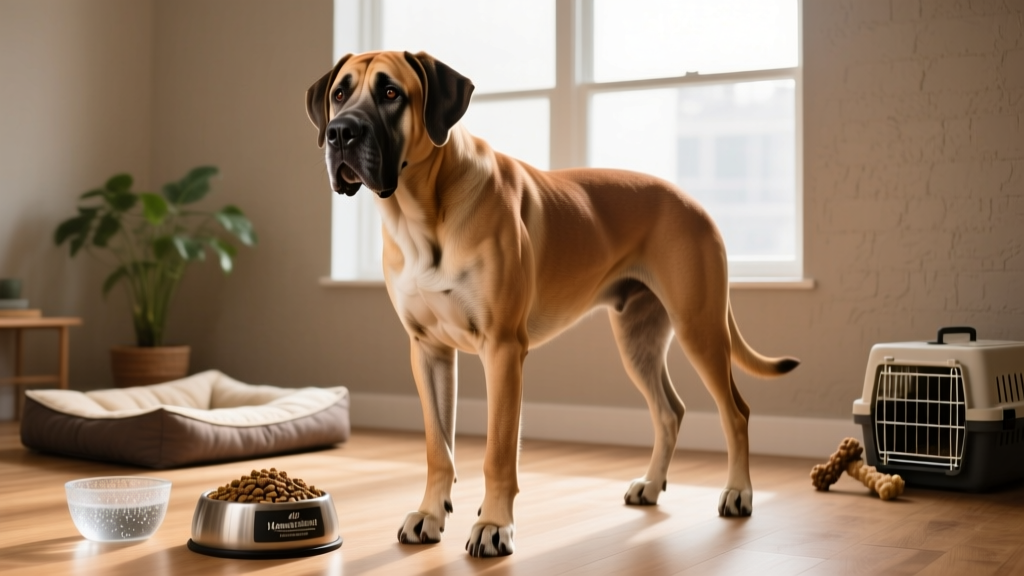
Why Large Breed Dogs Need Specialized Nutrition
Large and giant breed dogs—typically those expected to reach 70 pounds or more at maturity—face unique nutritional challenges that standard dog foods simply cannot address. Their rapid growth phases, increased joint stress, and predisposition to orthopedic conditions like hip dysplasia and osteochondritis dissecans (OCD) demand precise calcium-to-phosphorus ratios and controlled caloric density.
According to the American Veterinary Medical Association, improper nutrition during the first 18 months of a large breed's life can permanently alter skeletal development, leading to lifelong mobility issues. This isn't about marketing—it's about preventing developmental orthopedic disease (DOD).
Large Breed Nutritional Requirements by Life Stage
| Nutrient | Puppy (2-18 months) | Adult (18 months-6 years) | Senior (6+ years) |
|---|---|---|---|
| Protein (minimum) | 26-30% | 22-26% | 24-28% |
| Fat (minimum) | 12-16% | 10-14% | 10-12% |
| Calcium (dry matter) | 1.0-1.5% | 0.5-1.8% | 0.5-1.0% |
| Phosphorus (dry matter) | 0.8-1.2% | 0.4-1.6% | 0.4-0.7% |
| Calcium:Phosphorus Ratio | 1.1:1 to 1.4:1 | 1:1 to 2:1 | 1:1 to 1.5:1 |
| Calories/day (70 lb dog) | 1,800-2,200 kcal | 1,500-1,800 kcal | 1,300-1,600 kcal |
| Calories/day (100 lb dog) | 2,400-2,800 kcal | 2,000-2,400 kcal | 1,800-2,100 kcal |
Decoding AAFCO Statements: What Large Breed Labels Really Mean
The Association of American Feed Control Officials (AAFCO) sets nutritional adequacy standards, but not all statements are created equal for large breeds. Here's what to look for:
AAFCO Statement Checklist for Large Breeds
- Must include: "This product is formulated to meet the nutritional levels established by the AAFCO Dog Food Nutrient Profiles for growth/all life stages including growth of large-size dogs (70 lb or more as an adult)"
- Red flag: Labels that say "all life stages" without the large-breed growth qualifier—these foods may contain excess calcium dangerous for developing giant breed skeletons
- Ingredient order matters: First ingredient should be a named animal protein (chicken, lamb, salmon), not "meat by-products" or grain fillers
- Guaranteed Analysis: Look for minimum protein percentages, not just "crude protein"—the latter includes indigestible sources
Large breed puppy formulas specifically restrict calcium to 1.5% or less on a dry matter basis. Standard puppy foods often contain 1.8-2.2% calcium, which accelerates bone growth beyond what cartilage and connective tissue can support, leading to conditions like hypertrophic osteodystrophy (HOD).
Top Large Breed Dog Foods: 2026 Formulations Compared
After analyzing guaranteed analyses, ingredient sourcing, veterinary recommendations, and real-world feeding trials, these formulas stand out for large breed nutrition:
Royal Canin Giant Puppy
Best for: Giant breed puppies (Great Danes, Mastiffs, Saint Bernards) expected to exceed 100 lb as adults
Protein: 28% | Fat: 14% | Calcium: 1.1%
Price range: $85-110 per 25 lb bag
Why it works: Precise calcium-phosphorus ratio (1.2:1), L-carnitine for lean muscle development, and kibble size designed for giant breed jaws. Includes chondroitin sulfate and glucosamine for joint support.
Hill's Science Diet Large Breed Adult
Best for: Adult large breeds (Labradors, Golden Retrievers, German Shepherds) needing weight management
Protein: 23.5% | Fat: 13.8% | Calcium: 0.72%
Price range: $65-85 per 30 lb bag
Why it works: Clinically tested antioxidant blend, controlled caloric density (315 kcal/cup vs. 400+ in standard formulas), and natural sources of glucosamine. Lower calcium prevents renal stress in aging large breeds.
Purina Pro Plan Large Breed Sport
Best for: Active large breeds (Belgian Malinois, Rottweilers, working dogs) with high energy demands
Protein: 26% | Fat: 16% | Calcium: 1.3%
Price range: $70-95 per 34 lb bag
Why it works: Higher fat content supports sustained energy without excess volume. Includes live probiotics (Bacillus coagulans) for digestive efficiency. EPA from fish oil reduces exercise-induced inflammation.
Orijen Large Breed Puppy
Best for: Owners preferring fresh, regional ingredients with minimal processing
Protein: 38% | Fat: 16% | Calcium: 1.2%
Price range: $95-125 per 25 lb bag
Why it works: 85% animal ingredients (free-run poultry, wild-caught fish), 15% vegetables and botanicals. First six ingredients are named proteins. Naturally occurring glucosamine and chondroitin from cartilage inclusion.
Blue Buffalo Life Protection Large Breed Senior
Best for: Senior large breeds (7+ years) with joint mobility concerns and reduced activity
Protein: 24% | Fat: 10% | Calcium: 0.8%
Price range: $55-75 per 30 lb bag
Why it works: Glucosamine (400 mg/kg) and chondroitin (300 mg/kg) at therapeutic levels. Reduced phosphorus supports kidney function. Includes LifeSource Bits—cold-formed kibble pieces with antioxidants, vitamins, and minerals.
Nutro Ultra Large Breed Adult
Best for: Multi-dog households needing balanced nutrition at moderate price point
Protein: 25% | Fat: 14% | Calcium: 1.0%
Price range: $60-80 per 30 lb bag
Why it works: Trio of proteins (chicken, lamb, salmon), omega fatty acids for coat health, and no artificial colors, flavors, or preservatives. Non-GMO ingredients with traceability to source farms.
Foods to Avoid: Common Large Breed Nutrition Mistakes
Not all "premium" foods are appropriate for large breeds. Avoid these categories:
- High-calcium puppy foods: Any puppy formula with calcium exceeding 1.5% (dry matter basis) unless specifically labeled for large breeds. Excess calcium causes asynchronous bone and cartilage growth.
- High-calorie "performance" formulas: Foods with 400+ kcal/cup designed for working sled dogs or hunting breeds will cause rapid weight gain in sedentary large breeds, accelerating joint degeneration.
- Grain-free diets without veterinary indication: The FDA's ongoing investigation into grain-free diets and dilated cardiomyopathy (DCM) suggests caution. Unless your dog has diagnosed grain allergies, choose grain-inclusive formulas with rice, oats, or barley.
- Raw diets without professional formulation: Homemade raw diets frequently contain 2-3x the recommended calcium, leading to nutritional secondary hyperparathyroidism. If pursuing raw feeding, consult a board-certified veterinary nutritionist (DACVN).
- Foods with "meat by-products" as first ingredient: While not inherently harmful, by-products vary widely in nutritional quality and digestibility. Named protein sources (chicken, beef, lamb) provide more consistent amino acid profiles.
Feeding Amounts: Calculating Portions for Large Breeds
Large breed feeding amounts vary dramatically based on metabolism, activity level, age, and individual variation. Use this calculator as a starting point, then adjust based on body condition score:
Daily Feeding Guide (cups per day)
| Adult Weight | Low Activity (senior, sedentary) | Moderate Activity (daily walks) | High Activity (working, agility) |
|---|---|---|---|
| 50-70 lb (23-32 kg) | 2.5-3.5 cups | 3.5-4.5 cups | 4.5-5.5 cups |
| 70-90 lb (32-41 kg) | 3.5-4.5 cups | 4.5-5.5 cups | 5.5-7 cups |
| 90-110 lb (41-50 kg) | 4.5-5.5 cups | 5.5-7 cups | 7-8.5 cups |
| 110-140 lb (50-64 kg) | 5.5-7 cups | 7-8.5 cups | 8.5-10 cups |
| 140+ lb (64+ kg) | 7-9 cups | 9-11 cups | 11-13 cups |
Note: These amounts assume ~350-400 kcal per cup. Adjust proportionally if your food has different caloric density (check guaranteed analysis).
Adjustment Factors
- Intact vs. neutered: Neutered dogs require 10-20% fewer calories due to reduced metabolic rate
- Seasonal variation: Outdoor dogs in cold climates may need 15-25% more calories in winter
- Body condition score (BCS): If ribs are difficult to feel, reduce by 10-15%. If ribs are visible, increase by 10-15%
- Pregnancy/lactation: Third-trimester pregnant females need 25-50% more calories; lactating females may need 2-4x maintenance
Transition Protocol: Switching Foods Safely Over 7-10 Days
Large breeds have sensitive digestive systems, and abrupt food changes frequently cause diarrhea, vomiting, or bloat (gastric dilatation-volvulus, or GDV)—a life-threatening emergency. Follow this gradual transition schedule:
| Day | Old Food | New Food | Notes |
|---|---|---|---|
| Days 1-2 | 75% | 25% | Monitor stool consistency. If soft, extend this phase by 1-2 days. |
| Days 3-4 | 50% | 50% | Watch for vomiting, decreased appetite, or lethargy. |
| Days 5-6 | 25% | 75% | Normal if stool is slightly softer than baseline. |
| Days 7-10 | 0% | 100% | Full transition. Monitor body condition over next 2-3 weeks. |
Critical warning: Large and giant breeds are at elevated risk for GDV (bloat). Never change foods within 48 hours of high-stress events (travel, boarding, surgery). Feed smaller, more frequent meals (2-3x daily) rather than one large meal to reduce bloat risk.
Homemade Diets: Proceed with Extreme Caution
Can you feed your large breed a homemade or raw diet? Technically yes, but the risks are substantial without professional guidance.
The Risks
- Calcium imbalance: A 2013 UC Davis study found that 95% of homemade dog diets were deficient in at least one essential nutrient, with calcium and vitamin D most commonly inadequate
- Bacterial contamination: Raw diets carry Salmonella, E. coli, and Campylobacter risks—not just for your dog, but for immunocompromised household members
- Growth deformities: Large breed puppies fed unbalanced homemade diets develop nutritional secondary hyperparathyroidism, causing spontaneous fractures and permanent skeletal deformity
If You're Committed to Homemade
Consult a board-certified veterinary nutritionist (DACVN) to formulate a recipe specific to your dog's age, weight, activity level, and health status. Expect to pay $200-400 for initial formulation and $100-200 for annual adjustments. Your nutritionist will provide:
- Exact ingredient weights (not "cups") for precision
- Supplement protocols (calcium carbonate, vitamin E, fish oil, taurine)
- Quarterly blood work schedules to monitor nutrient levels
- Recipes scaled for batch preparation and freezing
Sample framework (NOT a complete recipe—requires veterinary nutritionist approval):
- 60% lean protein (chicken thigh, ground turkey, lean beef)
- 20% complex carbohydrate (sweet potato, brown rice, quinoa)
- 15% vegetables (carrots, green beans, spinach)
- 5% organ meat (liver, kidney)
- Supplements: calcium carbonate (1 tsp per pound of food), fish oil (1,000 mg EPA/DHA per 50 lb body weight), vitamin E (100 IU per 50 lb)
Supplement Guidance: What Large Breeds Actually Need
High-quality large breed foods already contain balanced nutrients, but certain supplements provide additional benefits:
Recommended Supplements
- Glucosamine + Chondroitin: 500-1,000 mg glucosamine and 400-800 mg chondroitin daily for dogs over 50 lb. Supports cartilage health and reduces osteoarthritis progression. Start at 18-24 months for giant breeds, even if asymptomatic.
- Fish Oil (EPA/DHA): 1,000-2,000 mg combined EPA/DHA per 50 lb body weight daily. Reduces inflammation, supports cognitive function in seniors, and improves coat quality. Choose molecularly distilled products to avoid heavy metal contamination.
- Probiotics: 1-5 billion CFU daily during food transitions, antibiotic courses, or stress events. Strains like Enterococcus faecium and Lactobacillus acidophilus support gut microbiome stability.
- Vitamin E: 100-200 IU daily for dogs on high-fat diets or those with skin conditions. Acts as antioxidant and supports immune function.
Supplements to Avoid Without Veterinary Guidance
- Calcium supplements: Never add calcium to a complete and balanced diet—excess calcium is more dangerous than deficiency in large breeds
- Vitamin D: Fat-soluble vitamin with narrow safety margin; toxicity causes hypercalcemia and kidney damage
- Iron: Rarely deficient in dogs; excess iron causes oxidative damage to liver and heart
Monitoring Success: How to Know Your Large Breed Food Is Working
Evaluate your dog's nutritional status using these objective markers:
Body Condition Score (BCS) Assessment
Use a 9-point scale (1 = emaciated, 9 = obese). Ideal large breed BCS is 4-5:
- Ribs: Easily felt with slight fat covering, not visible
- Waist: Visible tuck behind ribcage when viewed from above
- Abdominal tuck: Abdomen tucks up behind ribcage when viewed from side
Reassess monthly during growth phases, quarterly for adults.
Additional Success Indicators
- Coat quality: Shiny, soft, minimal shedding (breed-dependent), no flaky skin or hot spots
- Energy levels: Appropriate for age and breed—playful, alert, recovers quickly from exercise
- Stool quality: Firm, formed, brown, 1-3 bowel movements daily. Chronic soft stool indicates food intolerance or excess fat
- Growth rate (puppies): Steady, not rapid. Giant breeds should reach 80% of adult weight by 12 months, full size by 18-24 months
- Joint mobility: No stiffness after rest, willing to jump/climb stairs, normal gait without bunny-hopping
If you notice weight gain, chronic digestive issues, dull coat, or mobility changes, consult your veterinarian before assuming the food is the problem—these can signal underlying conditions like hypothyroidism, exocrine pancreatic insufficiency (EPI), or early osteoarthritis.
Frequently Asked Questions
What is the best large breed dog food for puppies?
Royal Canin Giant Puppy, Hill's Science Diet Large Breed Puppy, and Purina Pro Plan Large Breed Puppy are top choices. Look for AAFCO statements specifically mentioning "growth of large-size dogs" and calcium levels between 1.0-1.5% on a dry matter basis. Avoid standard puppy foods—they contain too much calcium for giant breed skeletal development.
How much should I feed my large breed dog?
Feeding amounts vary by food caloric density, your dog's weight, age, and activity level. As a baseline, a 90 lb moderately active adult needs 5.5-7 cups daily of a 350 kcal/cup food. Use the feeding calculator table above, then adjust based on body condition score every 2-4 weeks. Split into 2-3 meals to reduce bloat risk.
Can I feed my large breed a homemade or raw diet?
Yes, but only with a board-certified veterinary nutritionist's guidance. Homemade diets require precise formulation to avoid calcium deficiency (causes fractures) or excess (causes growth deformities). Raw diets carry Salmonella and E. coli risks. Expect to invest $200-400 for professional formulation plus quarterly blood work to monitor nutrient levels.
What ingredients should I avoid in large breed food?
Avoid foods with calcium exceeding 1.5% (unless labeled for large breeds), excessive calories (400+ kcal/cup for sedentary dogs), and unnamed protein sources ("meat by-products" vs. "chicken by-products"). Be cautious with grain-free diets due to FDA's ongoing DCM investigation—choose grain-inclusive formulas unless your dog has diagnosed grain allergies.
How do I switch my large breed to a new food?
Transition gradually over 7-10 days: 75% old/25% new for days 1-2, 50/50 for days 3-4, 25% old/75% new for days 5-6, then 100% new. Monitor stool consistency and appetite. Never change foods within 48 hours of stressful events—large breeds are at elevated bloat (GDV) risk during dietary transitions.
Does my large breed dog need supplements?
Most dogs on complete and balanced large breed formulas don't need supplements. However, glucosamine/chondroitin (500-1,000 mg daily) benefits joint health starting at 18-24 months for giant breeds, and fish oil (1,000-2,000 mg EPA/DHA per 50 lb) reduces inflammation. Never add calcium supplements—excess calcium is dangerous. Consult your veterinarian before starting any supplement regimen.
Disclaimer: This guide provides general nutritional information. Always consult your veterinarian before making significant dietary changes, especially for dogs with health conditions, allergies, or special needs. Individual nutritional requirements vary based on genetics, metabolism, activity level, and health status.
Beth Carrasco
All our authors care for dogs every day — read more of their work on the authors page.


